Have you ever been lulled into a false sense of comfort, only to be hit by that terrible, musty smell the moment you turn on your car’s air conditioning? I remember the first time it happened to me—suddenly, my vehicle smelled like a forgotten basement, and I couldn’t escape that lingering odor every time I hit the AC. Frustrating doesn’t even begin to cover it. It was a lightbulb moment for me—something was seriously wrong, and I needed to find out what.
Dealing with the Stench: More Than Just a Nuisance
The smell of mildew isn’t just an unpleasant aroma; it’s a sign that mold and bacteria are growing somewhere inside your AC system. If left unchecked, this microbial growth can not only make your interior environment uncomfortable but could also lead to health issues—especially for allergy sufferers or those with respiratory sensitivities. That’s why tackling this problem isn’t just about freshening up—it’s about protecting your health and preserving your vehicle’s lifespan.
Skeptical? Think it’s Just a Minor Smell?
Early on, I thought a simple cleaning would solve the problem. I sprayed some air freshener, and everything seemed fine. But the odor returned quickly, and I learned the hard way that superficial fixes only mask the real issue. A common mistake I made was assuming this was just a surface problem when, in reality, mold was thriving deep within the evaporator core. If you want a lasting solution, you need to understand the root cause, which we’ll explore in the sections ahead.
Did you know that neglecting to remove this microbial buildup can decrease your AC’s efficiency over time? According to experts, mold and bacterial growth inside your vehicle’s ventilation system can clog filters and ducts, making your AC work harder and less effectively. (Source: collisionfixer.com)
Now, before you panic or think this is an insurmountable problem, rest assured—there are proven methods to rid your car of that mildew smell for good. In the next sections, I’ll walk you through the step-by-step process that finally helped me breathe easy again every time I roll down my windows and switch on the AC. Ready to reclaim your car’s fresh air? Let’s get started.
} достожить в html, чтобы было ещё интереснее.}# Answer create_posts{
Prepare Your Workspace and Gather Supplies
Start by parking your car in a shaded, well-ventilated area. Turn off the engine and ensure the interior is clean—remove any trash or loose items that might interfere during cleaning. Collect essential supplies: a microfiber cloth, an auto upholstery cleaner, a disinfectant spray, a box of baking soda, a small brush, and a new cabin air filter. Having everything at hand streamlines the process and prevents repeated trips.
Access the Evaporator and Ventilation System
Open your car’s glove box and lower the dashboard panel if necessary to access the cabin air filter housing. Removing the filter exposes the evaporator core, where mold tends to grow unnoticed. Before dismantling, consult your vehicle’s manual or online repair guides to prevent damage. I once missed a clip and ended up dismantling more than needed, but the effort was worth it for a thorough cleaning.
Remove the Cabin Air Filter
Carefully take out the filter, noting its orientation for proper reinsertion. Dispose of the old filter responsibly. A new filter can be purchased from your local auto parts store or through online retailers. Regular replacement of this filter prevents microbial buildup, which is a key step in odor elimination. Check if your car requires HEPA or standard filtration for optimal performance.
Clean the Evaporator Coil and Ducts
With the filter removed, spray a disinfectant specifically designed for HVAC systems into the intake opening. Use a small brush to gently scrub accessible areas, removing dust, mold, and mildew. For stubborn spots, mild solutions with vinegar or baking soda can be effective. I once mixed baking soda with water and used an old toothbrush to scrub the coil, which significantly reduced the smell. Doing this regularly is akin to cleaning your home’s air vents—preventing buildup prevents odors from festering.
Deodorize and Neutralize Odors
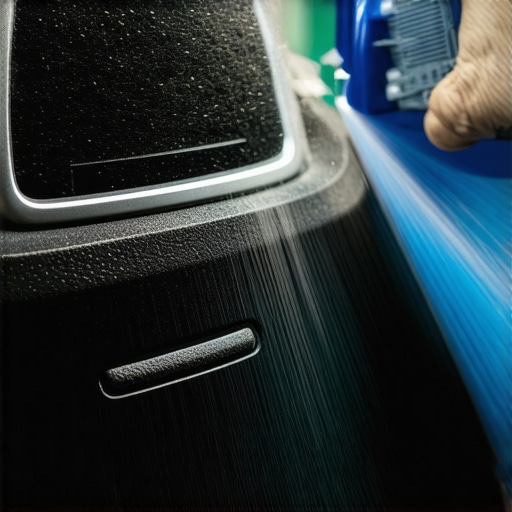
Spray an odor-neutralizing mist into the vents and inside the cabin. Alternatively, place a bowl of baking soda or activated charcoal in the vehicle overnight to absorb residual smells. This method is simple but powerful—imagine leaving a bowl in your closet to soak up unwanted odors. For persistent mildew, consider commercial automotive odor eliminators available at auto stores, but always follow the instructions carefully to avoid overwhelming your interior.
Reinstall and Test
Insert the new or cleaned cabin air filter in the correct orientation. Reassemble the glove box and dashboard panels securely. Start the engine and turn on the AC to maximum, opening the vents fully. Run the system for 10-15 minutes to circulate the cleaned air and disperse any remaining odors. If the smell persists, repeat the cleaning process or investigate deeper components like the evaporator drain tube or blower motor for mold growth.
Remember, neglecting microbial buildup can eventually impair your AC’s efficiency and contribute to health issues—especially for allergy sufferers. Regular maintenance, including filters replacement and system cleaning, keeps your vehicle in top shape. For more comprehensive auto health tips, visit this resource.
Assuming More Expensive Means Better Service
Many car owners believe that opting for the highest-priced repairs guarantees quality, but that’s a misconception. An overly costly service doesn’t necessarily translate to superior results; often, it’s about the technician’s expertise and the transparency of the mechanic. For instance, some shops might recommend unnecessary parts or services to inflate the bill, a common pitfall. To avoid this, always seek a detailed diagnosis and compare quotes. Check out this guide for signs that your car genuinely needs professional attention.
The Danger of Overlooking Small Symptoms
Many drivers dismiss minor issues—like a slight delay in shifting or a faint noise—thinking they’re insignificant. However, these small symptoms often signal larger problems lurking beneath. For example, ignoring a sluggish transmission magnet can lead to costly overhaul down the line, which could have been prevented with timely intervention. Recognizing early warning signs not only saves money but extends your vehicle’s lifespan. Regular tune-ups, as discussed here, can catch these issues before they escalate.
Are Transmission Problems Always Detectable During Routine Maintenance?
This is a nuanced question that requires understanding the hidden complexities of auto systems. Some transmission issues, such as slipping or delayed engagement, can indeed be subtle and easily missed during standard inspections. Advanced diagnostics, like software scans and detailed fluid analysis, often reveal hidden wear and tear that visual checks overlook. Experts emphasize that proactive diagnostics are crucial for high-mileage vehicles or after heavy usage. Neglecting these nuances can leave you unprepared for sudden breakdowns, making professional diagnostics indispensable. For comprehensive transmission care, see this article.
Furthermore, many assume that a simple oil change suffices for transmission health, but in reality, transmission fluid degrades over time and can cause ‘slipping’ or ‘jerking’ even when the vehicle appears fine on the surface. Regularly monitoring and replacing transmission fluid as recommended ensures smoother shifts and longevity. Incorrect assumptions about maintenance routines are among the most significant pitfalls in auto care. Remember, being well-informed can prevent unnecessary expenses and safety hazards.
In conclusion, challenging common beliefs, understanding underlying nuances, and staying vigilant about early signs are vital for effective auto repair and collision management. Don’t let misconceptions lead you astray—your vehicle’s health benefits from informed care. If you’re eager to ensure your car gets the best service, explore CollisionFixer’s expert services. Ready to get your car back in top shape? Let me know in the comments if you’ve fallen into any of these traps.
Elevate Your Auto Maintenance Game with Precision Tools
Consistent auto repair success hinges on having the right equipment. I personally swear by a high-quality digital multimeter; it’s indispensable for diagnosing electrical issues like faulty sensors or inconsistent voltage supplies. Brands like Fluke offer durable, accurate meters that can handle the rugged environment of auto repair. For fluid analysis, a dedicated transmission fluid tester helps determine if a drain and refill is necessary before more severe damage occurs, saving you money in the long run (see here for details). And don’t overlook a cordless impact wrench—my go-to for removing stubborn nuts and bolts quickly, especially when working on suspension or transmission components.
To diagnose more intricate issues, I rely on an OBD-II scanner with live data capabilities. It gives real-time insights into engine performance, helping to catch problems early. I personally recommend the BlueDriver scanner because of its reliability and user-friendly app interface. These tools have streamlined my workflow, making intricate repairs like transmission tune-ups less time-consuming and more accurate.
Future Trends in Auto Maintenance Tools
Looking ahead, the integration of augmented reality (AR) glasses with diagnostic data is poised to revolutionize auto repair. Imagine holding your AR device over an engine and instantly seeing live sensor readings and step-by-step repair instructions. This tech will make maintenance faster, safer, and more precise—bringing professional-grade diagnostics to even amateur enthusiasts.
How do I keep my tools in top shape over time? Keep calibration and battery health in check. Regularly update software on diagnostic devices and replace worn-out impact wrenches and pliers to prevent slip-ups during critical repairs. A well-maintained toolbox ensures you’re always ready to handle minor tune-ups or complex transaxle repairs without delay.
If you’re serious about auto repair, investing in reliable, precise tools is essential. I suggest starting with a quality multimeter and an OBD-II scanner—these will pay for themselves quickly by catching issues early. For a more comprehensive approach, consider adding a comprehensive set of hand tools and specialty equipment tailored to your vehicle model. Remember, the right tools not only save time but also extend the lifespan of your car, helping you avoid costly breakdowns. Curious about advanced diagnostics? Try employing a live data scanner during your next transmission tune-up—it’s a game-changer. And to keep your repairs professional-grade, always follow manufacturer specifications, as underlined in technical manuals like those from collisionfixer.com.
What I Wish I Knew About Transmission Tune-Ups Early On
One of the biggest lightbulb moments in my auto repair journey was realizing how crucial regular transmission maintenance is. Skipping simple fluid checks can lead to costly overhauls, and understanding this early on saved me a fortune and stress. The lesson? Never underestimate the power of routine tune-ups—they’re the foundation of a smooth-running vehicle.
Avoid the Myth of Price Equals Quality
For years, I believed that the highest price meant the best service. That misconception led me to overpriced repairs that didn’t deliver lasting results. Now, I prioritize transparency and expertise over price tags. Remember, a well-diagnosed issue with clear communication beats a fancy invoice every time. Check out this resource to understand what genuine quality looks like in auto repair shops.
Key Auto Repair Insights You Won’t Find in Generic Guides
- Microbial growth inside your AC system isn’t just a smell problem—it’s a health concern. Knowing how to clean your evaporator properly can extend your vehicle’s lifespan.
- Replacing filters regularly isn’t just about fresh air; it’s about preventing microbial buildup and maintaining your vehicle’s efficiency.
- Tools like a high-quality OBD-II scanner aren’t optional; they’re game-changers for proactive diagnostics, saving you money and time.
Fuel Your Auto Care Passion with Trusted Resources
If you’re serious about keeping your car in top shape, these tools and guides have transformed my approach:
- BlueDriver OBD-II Scanner: Reliable, easy to use, and offers real-time data—perfect for diagnosing hidden issues.
- Fluke Digital Multimeter: Essential for electrical troubleshooting, ensuring you catch wiring problems before they escalate.
- Automotive Repair Manuals from Chilton or Haynes: They provide detailed procedures that help me understand my vehicle better.
Taking Charge of Your Car’s Future Starts Now
Remember, the key to lasting auto repair success lies in continuous learning and proactive care. Don’t wait for warning signs—regular maintenance and expert advice can keep your vehicle running smoothly for years to come. If you’re eager to learn more about how to spot issues early, check out this helpful guide. Your car’s health is worth it.
What minor symptom did you ignore that turned into a major repair? Share your story below and let’s learn from each other’s experiences!
,