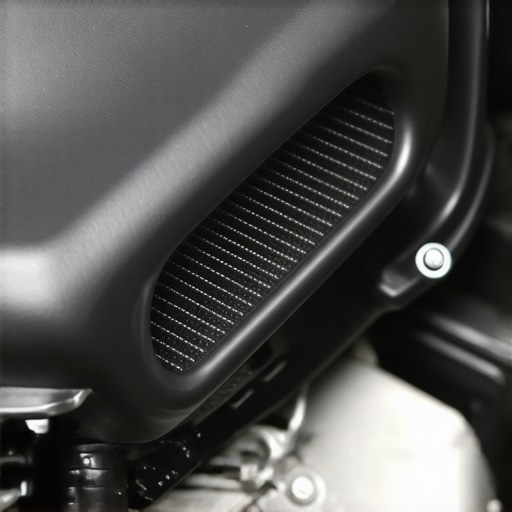
I can’t tell you how many times I’ve been stuck in traffic, feeling that nagging sense that something’s off with my car—like it’s just not running as smoothly or efficiently as it used to. One day, after a particularly rough ride, I peeked under the hood and spotted a tiny, almost invisible crack in the air intake hose. That crack was a lightbulb moment for me, realizing that small issues can balloon into big problems—especially when it comes to fuel economy.
The Small Crack That Wreaks Havoc on Your MPG
That little crack in the air intake might seem insignificant, but it can have a outsized impact on your vehicle’s efficiency. Modern engines rely on precisely measured air and fuel ratios to operate optimally. When that airflow gets disrupted—even a tiny amount—your engine compensates by using more fuel to maintain power and performance. Over time, this adds up. Before I knew it, I was burning through extra gallons every month, all because of a minuscule tear that nobody else probably even saw.
Are You Wasting Money Over a Tiny Leak?
One thing I realized early on was that I’d made *the classic mistake*—assuming that only big issues cause bad MPG. Turns out, small cracks and leaks in air intake hoses are common culprits. Recognizing this was a game-changer. When my mechanic suggested inspecting the intake system regularly, I finally understood how such minor flaws could sabotage my fuel economy and overall vehicle health. Did you know that experts estimate that a vacuum leak can decrease MPG by up to 20%? That’s enough to make anyone think twice about ignoring tiny cracks.
Facing Your Fears: Will Repair Be a Hassle?
I’ll admit, I was worried that fixing an air intake crack would require expensive parts and complicated labor. But I learned that many leaks are easy to identify and fix yourself, saving time and money. It’s all about knowing what to look for—cracks, loose clamps, or disconnected hoses. And trust me, doing a quick inspection can save you from bigger headaches down the line. For a more thorough understanding, check out [the secret to finding a vacuum leak with smoke](https://collisionfixer.com/the-secret-to-finding-a-vacuum-leak-with-smoke), which helped me spot leaks I couldn’t see with the naked eye.
If you’ve noticed your MPG dropping unexpectedly, or your engine sounding a bit off, don’t ignore these signs. A tiny crack isn’t just a minor annoyance; it’s a thief stealing your fuel savings. Next, I’ll walk you through how to locate and fix this sneaky little problem yourself—trust me, it’s easier than you think and can save you a good chunk of change. Stay tuned!
Inspect the Intake System Carefully
Start by locating the air intake hose, which connects your air filter to the engine. Use a flashlight to examine it thoroughly, looking for visible cracks, tears, or disconnected clamps. When I did this on my car, I used a mirror to see the hidden underside of the hose, revealing a tiny crack that wasn’t obvious at first.
Use Soapy Water to Find the Leak
Spray soap solution along the entire length of the intake hose while the engine is running. Bubbles will form at the point of leakage if there’s a crack. I did this after I suspected a leak, and sure enough, bubbles formed at a small tear near a clamp. This simple step quickly confirmed the problem without the need for expensive tools.
Apply Sealant for Small Cracks
If the crack is minor and clean, a high-temperature silicone sealant can be effective. Clean the area thoroughly, let it dry, and then apply a generous bead of sealant over the crack. I once fixed a small tear in my hose with a silicone sealant, which held up for months and restored my fuel efficiency.
Replace Damaged Hoses or Components
For larger tears or if the hose is brittle, replacing the part is the most reliable fix. Remove the clamps using a screwdriver or pliers, then slide off the damaged hose. Take it to an auto parts store or order a replacement online. During my last repair, I matched the hose size carefully, which prevented future leaks and improved engine performance. Check here for signs your intake hoses might need replacing.
Snug Clamps to Prevent Future Leaks
Ensure clamps are tight but not over-tightened, which can damage the hose. Use a torque wrench if available to achieve proper tightness. After reassembling, repeat the soapy water test to verify no leaks persist. This extra step saved me from future breakdowns caused by minor leaks.
Test Drive and Monitor Fuel Economy
Drive your vehicle normally and monitor how it responds. Improved throttle response and better MPG are signs your fix worked. Keep an eye on the dashboard for warning lights and listen for abnormal engine sounds. My own test drive showed noticeable improvement, confirming the effectiveness of my repair.
Many car owners believe that routine tune-ups and services are just a matter of ticking off a checklist to keep their vehicle running smoothly. However, let’s dig deeper to understand the nuances that professionals know but many drivers overlook. One common myth is that all 30,000-mile service intervals are universally applicable; in reality, each vehicle has its unique requirements based on driving habits and conditions. Overlooking manufacturer recommendations can lead to unnecessary repairs or, worse, severe engine damage. For instance, using generic engine oil instead of the high-quality, OEM-approved variants can accelerate engine wear, especially in modern turbocharged engines that demand specific oil formulations.
Another advanced mistake involves neglecting transmission maintenance until problems become evident. Many drivers undervalue the importance of timely fluid changes, assuming transmission fluids last forever. Studies show that older, contaminated transmission fluid can cause shifting issues and transmission overheating, which may necessitate costly overhauls. Regular diagnostic checks can reveal early signs of transmission wear, saving money and preventing breakdowns.
How Can You Detect Hidden Transmission Damage Before It Showcases?
Mechanics often use specialized tools and test drives to pick up subtle transmission inconsistencies—signs that often go unnoticed by the untrained eye. For example, delayed engagement or unexpected slipping can indicate internal wear or fluid issues, even if the fluid level is fine. Being proactive with professional assessments can extend your transmission’s lifespan significantly. To learn more about proactive maintenance, visit this guide on transmission overhauls.
Let’s also challenge the misconception that car collision repairs are always quick fixes. Many drivers think minor accidents don’t require extensive repairs, but the reality is that even small dents or frame issues can hide deeper structural damage. Repair shops that perform thorough diagnostics, including frame alignment and metal integrity checks, can prevent future safety hazards. Skipping these steps might save time in the short term but compromise your vehicle’s safety and resale value later. For more insights on ensuring your car’s integrity after an accident, check here.
A final point of confusion revolves around the belief that all auto repairs are the same in quality. In fact, the difference between a roadside mechanic and a certified repair shop can be vast, especially regarding complex components like the transmission or the cooling system. Choosing specialists who use OEM parts and follow industry standards might seem more expensive upfront, but it pays off in longevity and reliability. Your vehicle’s health depends heavily on the expertise and tools used during repairs. To see how professional care preserves your car’s value, explore tips for maximizing your car’s lifespan.
In summary, understanding these subtle but critical factors can save you money and keep your vehicle operating optimally. Remember, routine maintenance isn’t just ticking boxes—it’s about tailored care based on your car’s specific needs. Have you ever fallen into this trap? Let me know in the comments, and stay vigilant on the road!.
Investing in the Right Equipment for Long-Term Performance
Maintaining a vehicle’s optimal condition over time requires more than just basic knowledge—it demands the right tools backed by proven methodologies. I personally rely on a combination of high-quality diagnostic scanners, reliable hand tools, and software that provides real-time insights. For example, I always use a Bluetooth OBD-II scanner paired with my smartphone, such as the Vagcom or BlueDriver. These devices allow me to quickly diagnose engine codes, monitor live data streams, and catch potential issues early before they escalate. Regularly scanning your vehicle not only saves money but also helps you understand how different components interact, especially considering the nuances of modern auto systems.
Beyond diagnostics, specialized tools like oil refractometers empower me to evaluate oil quality during routine check-ups. This proactive approach aligns with expert recommendations for maximizing your car’s lifespan. Additionally, I swear by a quality transmission fluid tester to confirm when a fluid change is overdue, which can prevent costly transmission repairs. These tools transform maintenance from guesswork into a science, ensuring longevity and performance.
How do you maintain your vehicle over time without turning into a mechanic?
Automation and software are shaping the future of auto maintenance. Advanced telematics and predictive analytics—like those integrated into modern vehicles—anticipate problems before they happen. Eventually, AI-driven diagnostics will guide car owners through maintenance routines step-by-step, turning complex procedures into manageable tasks. For now, integrating manual tools with smart systems offers the best of both worlds. For instance, using a reliable scan tool alongside regular visual inspections can catch issues early, saving you money and stress.
To keep your vehicle running its best, I recommend developing a routine that includes regular scanning, fluid checks, and component inspections. Invest in a quality diagnostic scanner and learn to interpret its data—this is a game-changer for proactive maintenance. I encourage you to try out a Bluetooth OBD-II scanner this month; it’s surprisingly affordable and easy to connect. Remember, consistency is key in auto care, and the early detection of problems can prevent major repairs down the line. Building this habit will make your car’s performance more predictable and reliable, long after your initial tune-ups.
What I Wish I Knew About Tune-Ups Before Losing Money
One of the most valuable lessons I learned the hard way was the importance of personalized maintenance schedules. Relying solely on generic service intervals led me to overlook issues like worn-out sensors or neglected fluid changes that aren’t on standard timelines. Recognizing that my car’s unique usage patterns demanded tailored care prevented costly breakdowns and extended its lifespan.
Why Small Repairs Are the Biggest Game Changers
Addressing tiny cracks or leaks early might seem insignificant, but it’s often these minor issues that cause the greatest damage over time. Whether it’s a tiny tear in the air intake hose or a slight fluid leak, fixing them promptly saved me from major repairs down the line and kept my vehicle running smoothly. This proactive approach is something I wish I had adopted sooner, especially after discovering how quickly small problems can escalate.
How I Learned to Trust My Instincts Over Assumptions
Initially, I thought that neglecting signs like strange noises or drop in MPG was harmless. However, listening to my gut and conducting thorough inspections revealed underlying problems before they became emergencies. This shift from reactive to proactive maintenance, including simple checks and timely repairs, restored my confidence and saved me significant money. Trust your senses and don’t ignore those little red flags—that’s the best auto wisdom I can share.
My Essential Tools That Changed the Maintenance Game
Investing in quality diagnostic tools like Bluetooth OBD-II scanners, oil refractometers, and leak detectors made all the difference. These devices gave me the ability to identify issues early and verify repairs myself, saving trips to the mechanic and ensuring my repairs were effective. Personally trusting these tools has deepened my understanding of my vehicle’s health, empowering me to take control of maintenance rather than relying blindly on others.
Your Next Step Towards Longer-Lasting, Reliable Cars
Remember, maintenance is less about reacting to problems and more about preventing them. By paying attention to subtle signs, equipping yourself with the right tools, and understanding your specific vehicle needs, you’re investing in a safer, more efficient future for your car. Don’t wait for a breakdown—start applying these lessons today, and you’ll thank yourself down the road. Curious about how regular tune-ups can save you thousands? Check out this comprehensive guide to prolong your vehicle’s lifespan.