
Ever had that sinking feeling when you wake up to a dead battery and wonder, “Did I leave something on?” I remember sitting in my driveway, staring at my car, scratching my head. It was barely three years old, yet every morning, I found myself jump-starting it. Turns out, hidden electrical drains can turn your reliable vehicle into a frustrating mystery almost overnight. It was a lightbulb moment for me—I needed to learn how to spot these sneaky power thieves before they drain my wallet and my patience.
Why You Should Care About Hidden Electrical Drains
Understanding how to identify and fix hidden electrical drains isn’t just about avoiding the occasional jump-start. Over time, these drains can lead to more significant problems, like damaging your car’s battery or even affecting other crucial systems. A study by the Car Care Council highlights that electrical system issues are among the common reasons for unexpected breakdowns. Recognizing the signs early can save you a hefty repair bill and keep your vehicle running smoothly.
Is the Fix Worth the Effort or Just Overhyped?
I admit, I initially dismissed my problem as a minor glitch. I thought, “Maybe my battery is just old.” But I made the mistake early on of ignoring the warning signs, which only made things worse. Learning to uncover those hidden drains was a game-changer—now I can diagnose issues myself and avoid unnecessary trips to the mechanic. If you’re skeptical, ask yourself: Have you ever woken up to a dead battery and wished you knew how to detect what was causing it? If so, you’re not alone, and yes, it’s absolutely worth checking.
Getting ahead of these issues means understanding your car’s electrical habits, and that’s what I’ll help you with next. Ready to take control and save money? Let’s dive into the practical steps to spot that insidious drain.
Start by Disconnecting Non-Essential Devices
Begin with turning off your vehicle completely, removing keys, and opening the hood. Disconnect all unnecessary electronic devices such as phone chargers or aftermarket accessories. For my own experience, I once unplugged a dashcam left plugged in overnight, which surprisingly reduced the parasitic draw. This initial step helps eliminate obvious sources and narrows down where the drain might be.
Use a Multimeter to Measure Current Draw
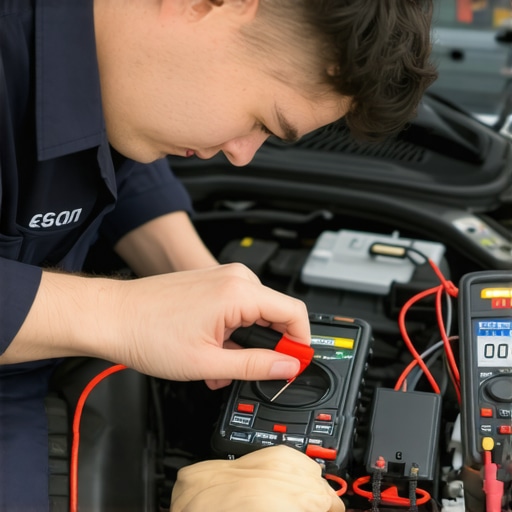
Attach a digital multimeter set to measure current (amps) between the negative battery terminal and the cable. Turn on everything you typically would (excluding accessories), then observe the reading. An average parasitic drain should be below 50 milliamps; anything higher signals a problem. I found my current was spiking over 100 milliamps, prompting me to check further.
Identify the Culprit Circuits
With the multimeter still connected, start pulling fuses one by one while watching the meter. When the current drops significantly, you’ve identified the circuit causing the drain. For example, pulling the interior fuse reduced the drain, indicating a problem with interior accessories or wiring.
Inspect the Wiring and Components
Once you’ve isolated the circuit, examine the wiring, switches, and connected devices for damage, corrosion, or loose connections. I discovered a frayed wire near the passenger footwell that was grounding unexpectedly, creating a continuous drain. Repairing or replacing compromised wiring often resolves the issue efficiently.
Implement Fixes and Test Again
After repairs, reconnect everything and re-measure the current. The goal is to see the drain reduced to a normal level. Consistently high readings mean further troubleshooting is necessary. Sometimes, replacing a faulty relay or disconnecting malfunctioning modules is all it takes to eliminate the drain.
Prevent Future Drains with Proper Maintenance
Regularly inspect your wiring and components for wear, especially if you install aftermarket electronics. Also, consider periodic professional tune-ups to catch issues early, as discussed in regular tune-ups. Proper maintenance helps avoid unexpected battery woes and extends your vehicle’s lifespan.
 When it comes to auto repair, many car owners hold onto misconceptions that could cost them dearly. One common myth is that routine tune-ups are unnecessary unless your car exhibits obvious problems. In reality, regular tune-ups, as discussed in this comprehensive guide, are vital for preventing costly repairs and extending your vehicle’s lifespan. Skipping these basic services can lead to unnoticed issues that eventually demand expensive fixes, especially in complex systems like the transmission.
Many believe that transmission overhauls are always inevitable after a certain mileage or time, but expert insights, such as those found here, reveal that with proper maintenance and early intervention, you can avoid premature overhauls altogether. Understanding the nuances of your car’s transmission health is essential for making informed decisions and saving money.
A frequent trap many fall into is underestimating the significance of timely collision repairs. Some think minor dents and scratches aren’t worth fixing, but negligence can lead to rust and structural issues down the line. Visiting a reputable service provider like Collision Fixer ensures these problems are addressed early, safeguarding your safety and vehicle integrity.
Let’s explore a deeper aspect that even seasoned car enthusiasts sometimes overlook: the importance of comprehensive diagnostics before making repair decisions. Advanced diagnostic tools can uncover hidden issues not evident during a visual inspection. For example, a car might drive smoothly, but underlying transmission or engine problems could be present. Investing in a thorough diagnostic early on can prevent escalating repairs and unexpected breakdowns.
Beware of the common mistake of trusting generic auto repair advice online without verifying it with qualified professionals. Every vehicle’s history and condition vary, making personalized assessments crucial. For instance, some owners might think using high-mileage oils is unnecessary, but as explained in this article, specific oils and fluids are key to maintaining your car’s health.
An often-overlooked nuance lies in the maintenance of ancillary systems like power steering or HVAC, which can silently deteriorate and impact your driving experience. Routine inspections and understanding the signs of wear can help you catch issues early, saving money and enhancing safety.
Finally, always be cautious of the ‘quick fix’ mentality. While some repair shops may push for unnecessary services, comprehensive understanding and consulting trusted links like Collision Fixer’s contact page can direct you to experts who prioritize your vehicle’s longevity.
Have you ever fallen into this trap? Let me know in the comments and share your experiences. Remember, informed car owners make smarter decisions—and that keeps both your wallet and your vehicle happy.
Investing in Reliable Equipment for Auto Maintenance
The cornerstone of effective auto repair and maintenance is having the right tools at your disposal. Personally, I swear by a high-quality digital multimeter because it provides precise readings that are crucial when diagnosing electrical issues like parasitic drains. I prefer models with true RMS capability, such as the Fluke 117, which offers accuracy even in complex automotive environments. These tools allow me to pinpoint faults quickly, saving time and preventing unnecessary parts replacement.
The Power of Diagnostic Software in Modern Car Care
Beyond hardware, software solutions like OBD-II scanners significantly streamline diagnostics. I rely on advanced apps like BlueDriver, which connect via Bluetooth to my smartphone, providing detailed error codes and live data streams. This immediacy helps me identify problem areas early—especially valuable when dealing with complex systems like transmissions or engine management. As technology evolves, incorporating such diagnostic tools will become even more essential for both DIY enthusiasts and professionals.
Maintaining Your Tools to Ensure Long-Term Performance
Regular maintenance of your equipment prolongs its lifespan and ensures accuracy. For example, calibrating your multimeter annually preserves its measurement integrity, while cleaning connectors and maintaining battery health of wireless tools prevents unexpected failures during critical diagnostics. Investing in quality storage solutions also keeps tools organized, reducing the risk of damage and making your repair process more efficient.
How do I keep my diagnostic tools effective over the years?
Consistent calibration and careful handling are key. Following manufacturer guidelines for calibration intervals and storing tools in protective cases prevents damage. Additionally, staying updated with the latest firmware or software updates can improve compatibility and functionality, enabling you to leverage new diagnostic features. Over time, this proactive approach ensures your tools remain reliable aids in maintaining your vehicle’s health.
Scaling Up: Preparing for More Complex Repairs
As your skills grow, investing in specialized tools like hydraulic lifts, brake caliper compressors, or electronic repair stations becomes worthwhile. These allow you to handle more involved tasks such as transmission rebuilds or collision repairs without relying solely on professional shops. The trend in auto repair points toward modular tool systems—compact, versatile, and adaptable—making scalability feasible even in modest garages or home workshops.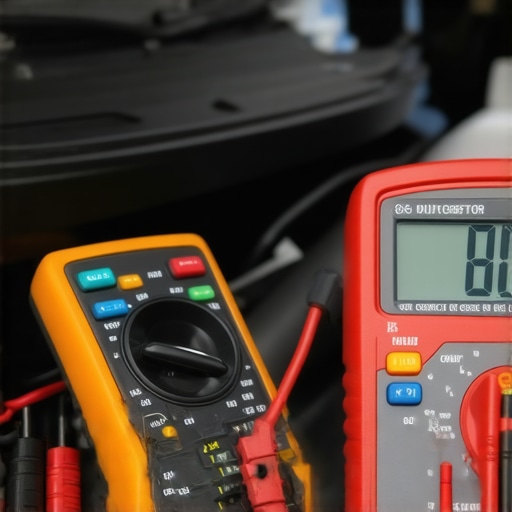
In future, I predict that AI-powered diagnostic systems integrated with vehicle computers will revolutionize auto maintenance. These systems will not only diagnose issues but also recommend precise repairs or even execute them autonomously. For now, mastering your existing tools, like learning to interpret error codes from comprehensive software, is the most practical step you can take. I encourage you to try calibrating your multimeter following expert tutorials—it’s a quick, impactful way to enhance your diagnostic accuracy and ensure your car stays reliable longer. If you’re unsure where to start, contact professional technicians for guidance at Collision Fixer.
In my journey through auto repair, one of the most eye-opening lessons was realizing how silent electrical drains can sabotage your vehicle’s reliability. The moment I learned to detect these sneaky power thieves was a game-changer, saving me time and money—and it can do the same for you. Recognizing the subtle signs and understanding the root causes empowers you to maintain your car’s health proactively, rather than reactively.
The Power of Personal Experience and Lessons Learned
- The Unexpected Wake-up Calls: Waking up to a dead battery became a regular routine until I discovered the importance of inspecting wiring and accessories that stay on unnecessarily. This taught me to pay closer attention to even minor electrical quirks.
- The Critical Eye on Accessories: I once overlooked a loose connection in an aftermarket alarm system, which repeatedly drained my battery. Learning to disable non-essential devices during diagnostics saved me from frequent jumps.
- Patience Pays Off: Troubleshooting electrical drains requires time and methodical steps—rushing can lead to missed issues and unnecessary repairs. Embracing patience gave me better insights into my vehicle’s wiring habits.
My Tried-and-True Tools for Detecting Power Leaks
- High-Quality Multimeters: Trusted models like the Fluke 117 have been invaluable for accurate current measurements. Their reliability ensures I don’t miss subtle drains.
- Advanced Diagnostic Apps: Tools like BlueDriver connect easily to my smartphone, providing detailed error codes and system statuses that help pinpoint electrical issues quickly.
- Proper Maintenance and Calibration: Regularly checking and calibrating my equipment guarantees ongoing accuracy. Proper storage prevents damage, which is critical for precise diagnostics.
Believe in the Process and Keep Learning
Auto repair is an ongoing journey. From verifying wiring integrity to understanding system behaviors, every step enhances your confidence. Embracing hands-on diagnostics, like using a multimeter to measure parasitic draw, not only saves money but also deepens your connection with your vehicle. Remember, every problem you solve adds to your skill set and self-reliance. If you’re ever unsure, professional advice is just a click away. Keep exploring, keep learning, and your car will thank you for it.