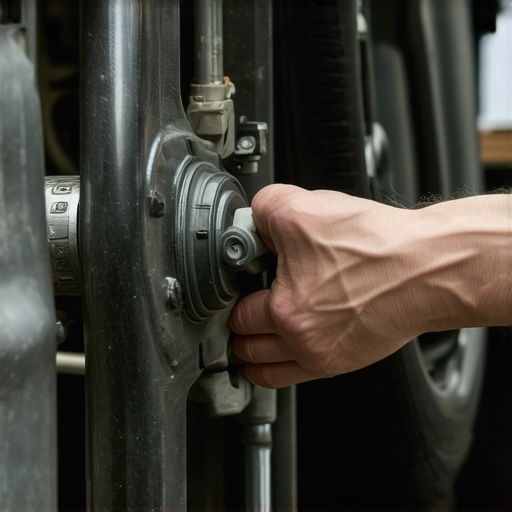
It happened to me during a chilly morning drive—a sudden, unsettling grind as I turned my steering wheel. My heart sank. At first, I thought it was just a minor squeak that would go away with a bit of lubricant, but it persisted—louder and more irritating each time. That lightbulb moment hit: this wasn’t normal. I knew I had to address it before it worsened or, worse, left me stranded.
Say Goodbye to That Annoying Grinding when Turning Your Wheel
Dealing with a grinding noise when you turn your wheel can be frustrating and embarrassing. It’s a problem that often sneaks up when we least expect it, turning a simple turn into an uncomfortable experience. But here’s the good news: if caught early, you can tackle this issue without needing a full-blown repair or a costly visit to the mechanic. Today, I’ll share my personal journey of diagnosing and fixing this noise, and guide you through simple steps to restore your smooth-driving experience.
Is Fixing a Grinding Noise Really Worth the Effort?
Many folks, including myself early on, overlook such sounds as minor inconveniences. Let me admit my mistake: I dismissed it as just a squeak that would disappear. However, according to automotive experts, ignoring this noise can lead to more severe issues like damaged power steering or worn-out components that, if left untreated, might cost hundreds to replace. Recognizing the significance of this problem early on is crucial. If you’re wondering whether to bother fixing it, just ask yourself: would I rather spend a little now or a lot later? For real peace of mind, it’s worth addressing sooner rather than later. For guidance on spotting the signs that your vehicle needs expert attention, check out [this comprehensive article](https://collisionfixer.com/top-signs-your-car-needs-expert-auto-repair-now).
In my own experience, I learned the hard way that neglecting these sounds can escalate quickly. So, grab a cup of coffee, and let’s dig into how you can silence that grinding and keep your steering smooth and responsive. Trust me, once you understand what’s happening beneath the hood, you’ll be prepared to handle it efficiently and confidently.
Inspect Your Power Steering System
My first move was to examine the power steering fluid, which is the lifeblood of smooth turns. I opened the reservoir, and it was nearly empty. Filling it with the recommended fluid improved the noise for a while, but the grind eventually returned. This revealed a leak or a worn-out pump. To diagnose leaks, I checked under the car for signs of fluid seepage and examined the drive belt for cracks or slipping. Think of power steering fluid as the lubricant that prevents metal-on-metal grinding—without enough, your system squeals like a squeaky door.
Examine and Replace the Steering Belt
Look for Frayed or Cracked Belts
The serpentine belt drives the power steering pump. I removed the cover to access the belt; it was brittle and cracked. Replacing it was straightforward—just loosen the tensioner and swap the belt. This is akin to replacing a worn-out belt on a bicycle to prevent slippage and noise. Regular inspection saves money and stress.
Check Belt Tension
A loose belt can slip, causing grinding sounds. Using a belt tension gauge, I confirmed it was slack. I adjusted the tensioner accordingly, ensuring the belt had about 1/2 inch of play. Proper tension ensures the belt transmits power effectively, much like a good grip on a hammer prevents slipping and squeaking.
Test the Power Steering Pump
After replacing the belt, I started the engine and turned the wheel lock-to-lock. The noise diminished but didn’t disappear completely. The next step was to assess the pump’s condition. I listened for whining sounds, indicating internal bearing failure. Using a mechanic’s stethoscope or a long screwdriver pressed gently against the pump’s body, I detected internal wear. If the pump is shot, replacing it restores steering response and silences grinding—think of it as renewing the engine’s heart to maintain vehicle health.
Flush or Replace Power Steering Fluid
Contaminated fluid accelerates component wear. I drained the old fluid and refilled with fresh, high-quality fluid. During this process, I cycled the steering from lock to lock to circulate the new fluid thoroughly. Consider this like replacing oil in your car—regular flushing prolongs component lifespan and quiets noises. If the grinding persists afterward, it’s time to consult a professional for detailed diagnostics.
Assess the Steering Rack and Tie Rods
If the noise continues despite the above, the issue may stem from worn steering rack joints or tie rods. These parts translate the steering wheel rotation into wheel movement. Worn joints mimic a squeaky wheel—making turns stiff and noisy. I shook the wheels while the engine was off; excessive play indicated worn components. Replacing these involves precise mechanical work, similar to fine-tuning a musical instrument. For specific guidance, consider professional service or detailed tutorials.
Prevent Future Grinding
Regular maintenance keeps everything running smoothly. Check fluid levels monthly, inspect belts for cracks, and listen for unusual noises during turns. Keeping these components healthy ensures your steering feels responsive and quiet, much like tuning a guitar keeps music clear. Don’t wait for a grinding sound to worsen—prevention is the best cure.
Many car owners believe that routine maintenance is a simple checklist, like changing the oil and replacing filters. However, in my experience, there’s a lot of nuance that often gets overlooked. For instance, the idea that a tune-up is only about replacing spark plugs is a misconception; a comprehensive tune-up involves checking and calibrating numerous systems to optimize performance and longevity.
Is Your Car Really Ready for a Major Repair or Is It a Warning Sign?
One common trap I see beginners fall into is waiting until a warning light flashes or a part breaks before seeking help. This reactive approach can lead to costly repairs or even breakdowns. Regular diagnostics and maintenance—like inspecting transmission fluid levels or checking for early signs of wear—can prevent major issues down the road. According to automotive experts, proactive transmission servicing can extend your vehicle’s lifespan significantly. Don’t wait for your vehicle to start protesting; learn to read the subtle signs before they become costly problems.
Another myth is that auto repairs should always be done at the dealership. While dealer service centers are equipped with genuine parts and factory-trained technicians, independent repair shops often provide equally high-quality service at a fraction of the cost. The secret lies in choosing the right shop—one that upholds transparency, uses quality parts, and follows manufacturer guidelines. For example, regular tune-ups at certified shops can keep your car functioning optimally without draining your wallet.
Many drivers also underestimate the importance of understanding their vehicle’s unique needs. Each car model responds differently to certain maintenance routines. For example, high-performance engines may require more frequent oil changes with specific synthetic blends, and neglecting this can cause premature wear. Listening to your car, recognizing unusual sounds, or strange smells can guide you to early issues—saving you from expensive fixes later. Remember, recognizing the early signs of trouble is the best way to maintain your vehicle’s health.
Let’s not forget the trap of overgeneralizing repair times and costs. Many think a transmission overhaul is always a massive, expensive job. While serious rebuilds do exist, early interventions and targeted repairs can often extend the life of your transmission and save you money. This is why consulting with seasoned technicians—who can diagnose issues precisely—is crucial. For deeper insights, check out how transmission overhauls can actually save you money over time.
Finally, the obsession with quick fixes can backfire. Using cheap additive products or DIY solutions without proper understanding can sometimes lead to more damage. For example, pouring synthetic oil into an engine that isn’t designed for it might cause leaks or seal failures. It’s always better to trust professionals who follow best practices and use quality parts and fluids. This approach ensures your car remains reliable and safe, avoiding the trap of bandaid fixes that only delay inevitable repairs.
In summary, understanding the nuances behind auto repairs, tune-ups, and vehicle maintenance is key to making smarter choices. Don’t be swayed by myths or misconceptions—approach your car’s health with a balanced mix of knowledge and professional advice. If you’ve ever fallen into these traps, share your experience in the comments. Let’s keep the conversation driving forward.
Maintaining your vehicle’s health over the years requires more than just periodic visits to the mechanic; it demands the right tools and a disciplined approach. As I’ve learned through my own experiences, investing in quality equipment and adopting precise methods can significantly extend your car’s lifespan and improve safety on the road. Let me share some specific tools I personally rely on and why they’re game-changers for auto enthusiasts and everyday drivers alike.
Precision Torque Wrenches for Safe Repairs
One of my top picks is a high-quality digital torque wrench. This device ensures that bolts—especially critical components like suspension mounts or wheel lug nuts—are tightened to manufacturer specifications. Over-tightening can strip threads, while under-tightening risks component failure. I use a torque wrench like the Snap-On digital torque wrench for its reliability and precision, which gives me confidence that every repair maintains safety standards. As automotive technical documentation stresses, proper torque application prevents uneven wear and reduces the risk of component failure.
Diagnostic Scanners for Early Problem Detection
Next is a good OBD-II scanner. I personally prefer models that provide real-time data and freeze-frame diagnostics. This tool is invaluable in catching issues early—before they escalate into costly repairs. For example, a scanner like the BlueDriver helps me identify sensor malfunctions or emissions problems, which saves me money and prevents breakdowns. Investing in a quality scanner is becoming essential as vehicles incorporate more advanced computer systems.
Specialized Fluid Test Kits for Peace of Mind
Testing transmission and coolant fluids with trusted kits allows me to monitor their condition over time. A simple test strip can reveal contamination levels or degradation, guiding timely fluid changes. Regular use of these inexpensive kits complements professional inspections and ensures your vehicle operates smoothly. Remember, as the trend moves toward more integrated vehicle systems, proactive maintenance like this is likely to be the norm, making early detection more accessible and affordable.
How do I Keep My Tools Working Well Over Time?
To ensure long-term reliability, I make it a point to clean and calibrate my tools regularly. Store torque wrenches in their cases to avoid miscalibration, and keep diagnostic devices updated with the latest firmware. Additionally, I invest in quality storage containers to organize my equipment. This discipline prevents tools from corroding or losing accuracy, ensuring that every repair or check-up remains precise. Remember, maintaining equipment is just as important as using the right tools in the first place.
Looking into the future, I see a trend toward smarter, interconnected diagnostic tools that seamlessly sync with mobile apps, offering even greater insights. Staying ahead of this curve by adopting compatible tech now will give you a significant advantage in managing your vehicle efficiently.
Ready to Take Your Car Care to the Next Level?
Start by selecting a reliable torque wrench and a robust diagnostic scanner to handle most issues before they grow. These tools will empower you to perform effective, safe repairs and diagnostics, ultimately saving you money and time. For further tips on maintaining your vehicle’s health, explore our comprehensive tune-up strategies.
Lessons Only Experience Can Teach about tune up, transmission, and auto repair that Changed My Perspective
- One of my biggest realizations was that preventing a problem is always easier and cheaper than fixing it after it worsens. Catching that grinding noise early meant I was able to avoid a costly power steering pump replacement and keep my drive smooth.
- Trusting the professionals and investing in good diagnostic tools saved me time and money. The insight gained from a reliable scanner, for instance, helped me address issues before they turned into breakdowns, reinforcing the importance of proactive maintenance.
- I learned that regular inspection and maintenance—like belting, fluid changes, and listening to peculiar sounds—are the first line of defense against unexpected failures. It’s like giving your car a health check-up to stay ahead of surprises.
- Understanding that myths about auto repair can lead to neglect or over-investment was eye-opening. Not every noise warrants an expensive fix; sometimes, a simple adjustment is enough, saving me from unnecessary expenses.
- The most unexpected lesson was realizing how much confidence proper care can give. When I approached repairs with knowledge and the right tools, I felt empowered, turning what was once a daunting task into a manageable one.
Tools and Resources That Changed How I Maintain My Car
- Investing in a high-quality digital torque wrench, like the Snap-On model, ensures safety and precision during repair, giving me peace of mind that every bolt is just right.
- A robust OBD-II scanner, such as the BlueDriver, became my go-to for early problem detection, saving me from major repairs later.
- Using simple fluid test kits helped me monitor transmission health, ensuring smooth shifting and longer component life—an underrated but vital aspect of auto care.
- Regularly consulting trusted guides and resources like maximizing car lifespan with tune-ups provided clarity and structured my maintenance routine, making every dollar count.
Your Turn to Embrace Smarter Car Care
Taking control of your auto repairs and maintenance doesn’t have to be intimidating. With the right knowledge, tools, and proactive mindset, you can extend your vehicle’s life, save money, and enjoy safer, smoother drives. Remember, every small step you take today builds a more reliable and confident driver tomorrow. So, what’s the first repair or tune-up you’re planning to tackle? Share your plans or ask questions below – I’d love to hear your story and help you get started!
,