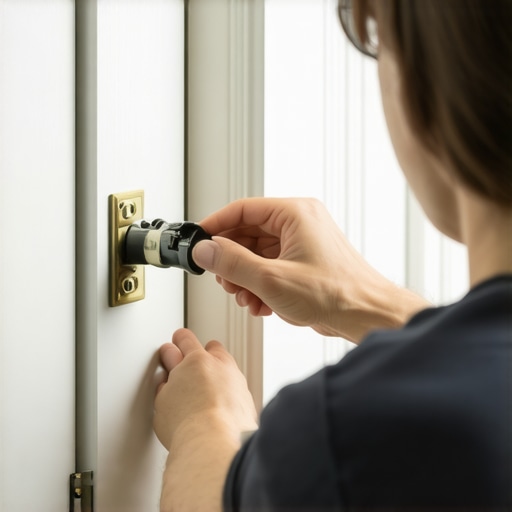
Have you ever been startled awake by that sudden squeal every time you open or close a door? I remember the first time it happened in my own home—I was convinced something was terribly wrong, maybe the door was about to fall off its hinges! It was a frustrating wake-up call that I couldn’t ignore anymore. That dreaded squeak became not just an annoyance but a symbol of my home’s neglect, and honestly, I felt helpless trying to fix it.
Why We Can’t Ignore Squeaky Door Hinges Anymore
A squeaky door hinge might seem like a minor irritation, but it often points to bigger issues lurking beneath the surface. Over time, hinges can accumulate dirt, dust, and old lubricant, which causes the metal parts to grind against each other. If ignored, this wear can accelerate, leading to more significant damage or even hinge failure. Plus, that squeak? It’s more than just noisy—it’s an indicator that your home might be in need of a quick maintenance tune-up.
Interestingly, experts warn that persistent squeaks can also be a sign of structural issues, like framing problems, especially in older homes. A study by the Home Maintenance Association revealed that addressing minor issues like squeaky hinges early can save homeowners hundreds in repair costs down the line. I’ve learned the hard way that neglecting simple repairs can turn into costly headaches, so I promise this guide will show you how to fix that squeak once and for all.
Are you tired of the squeal ruining your mornings or disturbing your evenings? Do you dread the thought of calling in a handyman for what seems like a minor fix? Trust me, I felt the same way—until I discovered how straightforward fixing a squeaky hinge can be with just a few supplies and a little patience. Now, I want to share this knowledge so you won’t have to suffer through that irritating noise anymore.
In the following sections, we’ll walk through the exact steps to silence that squeak permanently. No more excuses, no more frustration—just a simple, effective fix that will have your door opening smoothly and silently. Ready to reclaim peace in your home? Let’s dive into the practical solutions that work.
Applying Lubrication Precisely
First, I gathered a spray lubricant, preferably silicone-based, which resists dust and won’t harden over time. I aimed the nozzle directly into the hinge pin and joints, ensuring even coverage. A common mistake is overspraying—think of it like over-oiling a transmission; too much can attract dirt or cause slippage. Once sprayed, I moved the door back and forth to redistribute the lubricant evenly. This step is crucial for turning the squeal into silence, much like a quick tune-up on a car makes the engine purr smoothly.
Removing Old Debris Efficiently
Next, I loosened the hinge pins using a screwdriver or a small hammer if needed, but I was cautious not to damage the wood or metal. I then scraped off any built-up dirt, rust, or old grease with a small wire brush or cloth. Think of it as cleaning a transmission’s gear teeth before applying new lubricant—neglecting this can cause increased wear and persistent noise. During my last fix, I paid special attention to the hinge pin holes since debris here can cause grinding noise, similar to a stuck valve in an engine, which can lead to bigger problems if ignored.
Realigning and Reinforcing for Longevity
After cleaning, I reinserted the pins, making sure they sat properly without forcing. If the hinge felt loose afterward, I added a few drops of lubricant directly into the pin holes while moving the door to spread it internally. Just like a car’s suspension needs proper alignment after a tune-up, hinge alignment ensures smooth movement without squeaks. This step not only stops the noise but also prolongs the hinge’s lifespan, akin to how regular transmission checks prevent costly repairs, as detailed here.
Addressing Persistent Noises
If squeaking persists despite lubrication, it indicates wear or damage to the hinge pins or sockets. I then examined the pins for pitting or bending—just like checking for a warped clutch plate or bent axles in auto repair. If damaged, replacing the hinge pins is akin to swapping out a faulty transmission part—this guarantees a quieter, smoother operation. For these cases, sourcing quality replacement hinges or pins can prevent future headaches, similar to selecting high-quality auto parts for optimal performance.
Many car owners operate under misconceptions about aspects like transmission maintenance and auto repair strategies, often risking long-term damage. For instance, a common myth is that regular oil changes alone are enough to keep a vehicle in top shape. However, modern transmissions require more nuanced care, as neglecting fluid conditions or failing to identify early signs of wear can lead to costly repairs. An overlooked nuance is that not all technicians follow up-to-date procedures; some still recommend unnecessary services, adding to expenses and confusion.
Are You Falling for the Biggest Auto Repair Myths?
Experts like those at Collision Fixer emphasize the importance of understanding vehicle-specific needs and avoiding blanket recommendations. For example, thinking that a full transmission overhaul is always necessary after a certain mileage can be a costly mistake; often, targeted fixes or fluid flushes suffice if diagnosed early. Additionally, the misconception that car manufacturers’ recommendations always cover your specific driving habits is risky—your daily commute or towing might demand more frequent maintenance. According to a study by the National Institute for Automotive Service Excellence, misdiagnosis or unnecessary repairs account for nearly 30% of auto service costs, underscoring the importance of trusted advice. Before agreeing to complex procedures, ask your service provider for detailed diagnostics and consider seeking a second opinion from specialists like Collision Fixer, who prioritize transparent, tailored solutions. Knowing the warning signs early can save you hundreds and extend your car’s lifespan. Remember, maintenance isn’t just about reacting to problems but proactively understanding nuanced vehicle needs. Don’t let common misconceptions trap you into overspending or overlooking critical issues. If you’re unsure about your vehicle’s condition, reaching out for a professional assessment can be a game-changer. Want expert insights? Contact Collision Fixer today and keep your car running smoothly for years to come.
Invest in Quality Tools for Longevity
When it comes to auto maintenance and auto repair, having the right tools isn’t just about convenience—it’s about ensuring durability and safety. I personally swear by a high-quality digital multimeter for diagnosing electrical issues like sensor failures, which can cause intermittent problems that are hard to trace otherwise. For instance, testing sensors such as the mass airflow sensor or fuel injectors with a reliable multimeter helps pinpoint faults accurately, saving you from unnecessary part replacements. Additionally, a good set of gear pullers and socket wrenches are invaluable for tasks like removing stubborn transmission components or replacing affected collision fixers that might hinder your car’s long-term performance. These tools enable precise work and reduce the risk of damaging delicate parts, aligning with the proactive maintenance philosophy emphasized by Collision Fixer.
Implement Regular Software Updates and Diagnostics
Modern vehicles rely heavily on electronic systems, making software updates and diagnostics essential. I recommend using an OBD-II scanner that connects via Bluetooth to your smartphone, offering real-time insights into your car’s health. This is especially beneficial for monitoring transmission behavior, sensor health, or collision fixers that may develop issues over time. Consistent diagnostics help catch early signs of wear, such as a sensor gradually drifting from optimal readings, which can cause costly repairs if ignored. Moving forward, car manufacturers are increasingly providing over-the-air updates, akin to smartphones, promising better vehicle performance and fewer breakdowns. Staying on top of these updates ensures your vehicle benefits from improvements and fixes, much like maintaining a high-performance computer system.
Prioritize Long-term Maintenance Over Quick Fixes
While it might be tempting to skip routine check-ups, embracing a long-term maintenance plan saves you money and stress. For example, regularly inspecting and replacing your transmission fluid with high-quality options outlined in Collision Fixer’s guides can extend your transmission’s lifespan—avoiding major overhauls down the road. Using specialized tools like transmission fluid testers provides peace of mind that your car is operating under ideal conditions. Additionally, routine inspections of collision fixers and auto parts with advanced diagnostic tools can prevent failures that lead to expensive repairs later. The future of car maintenance is unfolding toward predictive diagnostics powered by AI and machine learning, which will enable even more proactive car care—don’t wait for a breakdown to act.
How do I maintain my vehicle’s systems over time without unnecessary costs?
One effective strategy involves scheduling regular tune-ups and leveraging expert advice from trusted partners like Collision Fixer. Their insights into transmission maintenance and auto repair can help you identify subtle issues early, reducing total repair costs. For example, paying attention to signs like transmission slipping or abnormal vibrations during routine inspections and addressing them swiftly prevents more extensive damage. Using diagnostic tools such as scan tools or sensor testers, which are now more affordable than ever, allows you to perform some checks yourself before visiting a mechanic. This approach demystifies complex repair processes and keeps your vehicle running optimally for years. Remember, proactive maintenance focuses on consistency and precision—the key to a reliable, long-lasting vehicle. Interested in delving deeper? Visit their contact page today to ask about personalized maintenance plans or sourcing specialized auto repair parts.
Lessons That Changed My Approach to Auto and Home Maintenance
One of the most valuable lessons I’ve learned about auto repair and home maintenance is never to overlook minor issues like squeaky hinges or slipping transmissions. Tackling these problems early can prevent costly repairs later, especially when dealing with critical components such as collision fixers or transmission systems. I realized that patience and attention to detail—like applying lubrication precisely or diagnosing sensor failures early—are key to extending the lifespan of your vehicle and maintaining a peaceful home environment.
Tools That Made the Difference in My Auto Repairs
I discovered that investing in quality tools, such as a reliable multimeter or specialized wrenches, transformed my DIY approach. These tools, trusted by professionals at Collision Fixer, offer accuracy and durability. Using them, I could perform diagnostics on sensors or check for fluid leaks, making my auto repair process more efficient and less stressful. Having the right resources turns a daunting task into a rewarding experience—saving money and empowering me to handle future issues confidently.
Embracing a Proactive Mindset for Car Care
Ultimately, the most significant change has been adopting a proactive attitude towards vehicle maintenance. Regular diagnostics, staying updated on software, and addressing small problems promptly help prevent breakdowns. This approach echoes the advice from collision repair experts: long-term success lies in mindful, consistent care. Whether it’s silencing a door squeak or ensuring your transmission shifts smoothly, taking early action ensures peace of mind and a safer ride. Are you ready to start spotting and fixing these issues before they escalate? Let me know below!