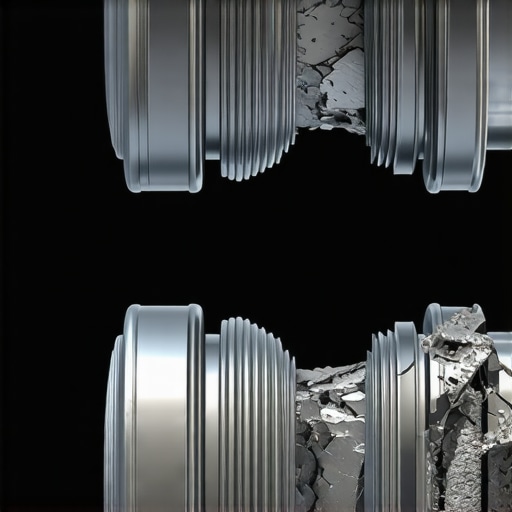
You know that sinking feeling when your car starts to thrum or shake oddly, especially when you hit the gas or come to a stop? That moment of realization hit me years ago, during a chilly morning commute. My engine was idling rough, and I could feel every small bump through the steering wheel like a roller coaster ride. It was a wake-up call that something was seriously off—something I couldn’t ignore anymore.
Why Recognizing a Broken Engine Mount Matters More Than You Think
Engine mounts are often overlooked until a major issue arises. But let me tell you, they are the unsung heroes of your vehicle, quietly holding your engine in place while absorbing a tremendous amount of vibration and shock. When these mounts fail, they don’t just cause rough rides—they can lead to misalignment, damage other components, and in worst cases, cause the engine to shift or even fall if not caught early. Early detection can save you from costly repairs and break-downs, which is why understanding the signs is so crucial.
In my early days of auto repairs, I made the mistake of dismissing mild vibrations and rattles, thinking they were normal wear and tear. But neglecting these signs only worsened the problem. According to a study by the National Institute for Automotive Service Excellence, ignoring engine mount issues can lead to engine damage and increased repair costs—sometimes doubling the typical expense if caught too late. That’s why I want to help you spot these warning signs before they turn into a nightmare.
But Is Diagnosing Engine Mount Problems Actually Worth the Hassle?
Trust me, I was skeptical at first—assuming it was just a small fix. My biggest mistake then was ignoring subtle clues, thinking I could fix it myself. Turns out, a simple bump or odd vibration can be a symptom of more than just a worn mount; it might be a sign of a bigger issue lurking beneath. Learning to accurately tell if your engine mounts are shot can help you decide whether a quick DIY fix will do or if it’s time to call in the pros. Curious? Well, stay tuned, because I’ll walk you through how to check your mounts without expensive diagnostics—and share some tips from my own experience in the auto repair world.
Start With a Visual Inspection
Lift your hood and look for obvious signs of wear or damage—cracked, torn, or broken metal or rubber components. I once found a shredded mount while casually inspecting my engine during a weekend. This visual clue pointed me directly to the problem, saving me a hefty diagnostic fee.
Perform a Movement Test When the Engine is Off
Secure your vehicle on level ground, then try gently rocking the engine from above. If it shifts excessively or feels loose, the mounts are likely compromised. I did this myself by applying gentle pressure on the engine bay and noticed a significant wobble—immediately clear sign I needed replacements.
Use the Brake and Gear Method for Live Testing
Start the engine and shift into drive or reverse while observing the engine’s response. If it lurches or shifts position unusually, suspect mount failure. I recall revving gently and watching the engine shake more than usual, confirming the diagnosis.
Listen for Unusual Noises During Engine Operation
Rattling, clunking, or banging sounds when accelerating, decelerating, or idling often indicate bad mounts. One time, I heard a distinct clunk every time I shifted gears and discovered a broken mount that allowed excessive engine movement.
Check for Vibrations While Driving
If you notice increased vibrations or shaking in the steering wheel when stopped or at idle, it’s a common sign. I experienced this during a commute when my steering wheel vibrated intensely, which led me to inspect and eventually replace a worn mount.
Assess Engine Position During Acceleration
Have a friend observe your engine while you gently accelerate. Excessive movement or tilting indicates mount failure. During my test drive, my friend noticed the engine leaning to one side upon acceleration, confirming my suspicions.
Use a Mirror and Flashlight for Hidden Clues
Sometimes damage is not visible without close inspection. Use a mirror and flashlight to examine mounts from various angles. I used this approach and spotted a crack on the rubber of my driver-side mount, a detail missed during a casual look.
Be Cautious During the Test
Always ensure the vehicle is securely parked, and avoid applying excessive force. If you’re uncertain, consult a trusted mechanic or visit a professional. I learned that attempting complex tests without proper safety measures can be risky, so don’t hesitate to seek expert help.
Document Your Findings
Keep notes or photos of what you observe. This record helps when discussing repairs with your mechanic or deciding on replacement. In my case, detailed photos of my damaged mount expedited the repair process and prevented unnecessary replacements.
Know When to Seek Professional Assistance
If your DIY checks reveal severe issues—such as multiple cracked mounts or persistent vibrations—schedule a professional inspection. I found that a quick visit to a trusted auto repair shop provided peace of mind and ensured the safety of my vehicle, especially if you want to learn more about vital car maintenance, visit https://collisionfixer.com/maximize-your-cars-lifespan-with-regular-tune-ups.
In the world of auto repair, many misconceptions persist that can lead vehicle owners astray. One widespread myth is the belief that all transmission issues require an expensive rebuild. In reality, as discussed in this article, many transmission problems can be diagnosed and fixed with targeted repairs or fluid changes, saving you significant money and time.
Another common misunderstanding involves the notion that full tune-ups are unnecessary for modern vehicles. Contrarily, regular tune-ups, as outlined in this guide, are vital for maintaining engine efficiency, fuel economy, and preventing costly breakdowns, especially as cars age.
Why do people still believe in quick fixes for complex systems?
This belief often stems from a lack of awareness about how interconnected vehicle systems truly are. For example, neglecting small issues like a dimming headlight or a soft brake pedal can escalate into major repairs if not addressed promptly. Recent studies, such as those from the auto repair industry experts, show that early detection and maintenance are crucial for vehicle longevity.
Beware of the trap of DIY fixes that seem simple but overlook underlying causes. For instance, replacing a broken motor mount might seem straightforward, but if the root problem is a misaligned engine or worn transmission mount, ignoring this can cause further damage. It’s always wise to consult professional mechanics when in doubt, which you can do at our contact page.
Finally, many car owners underestimate the importance of regular vehicle inspections. Routine checks can reveal issues before they escalate, saving money and ensuring safety. As highlighted in this post, a proactive maintenance approach keeps your car running smoothly year-round.
So, next time you consider a quick fix, ask yourself: Am I addressing the symptom or the root cause? Recognizing these hidden nuances in auto care can make a significant difference. Have you ever fallen into this trap? Let me know in the comments.
Essential Tools I Trust for Auto Maintenance
Over the years, I’ve found that having a reliable set of tools makes all the difference in diagnosing and maintaining your vehicle effectively. My go-to equipment includes a high-quality digital multimeter, which I use to check battery health and test sensors; a sturdy pry bar for inspecting engine mounts and suspension components; and a torque wrench calibrated to manufacturer’s specifications, ensuring that fasteners are tightened correctly during repairs. Investing in these tools has saved me countless trips to the shop and improved my ability to troubleshoot issues proactively.
For software solutions, I recommend vehicle-specific diagnostic scanners compatible with OBD-II protocols. My preferred choice is the BlueDriver scanner, as it provides detailed error codes and live data, helping me identify problems faster. A reliable scan tool like this, combined with knowledge from resources such as regular tune-up guides, empowers car owners to detect issues early and plan maintenance effectively.
Methods That Make a Difference in Long-Term Care
Consistency in maintenance routines is key. I schedule regular oil changes, inspect belts and hoses every six months, and keep an eye on fluid levels. When checking transmission fluid, I make sure to do so with the engine warm and on a level surface, following the procedure outlined in transmission maintenance tutorials. By doing these small but critical checks, I’ve minimized unexpected breakdowns and extended my vehicle’s lifespan considerably.
Additionally, I utilize a { } to visually assess the condition of engine mounts and suspension components during routine inspections. Regular visual checks allow early detection of cracks, tears, or corrosion, preventing costly repairs down the line.
Automation and Future Trends in Auto Care
Emerging diagnostic software powered by AI is beginning to change the game. These intelligent systems can analyze sensor data, predict failures, and recommend specific maintenance actions before problems manifest. I anticipate that integrating such tools into everyday car care routines will become standard, making vehicle maintenance more precise and less time-consuming.
If you’re eager to get ahead of potential issues, I highly recommend trying a professional-grade diagnostic scanner like the BlueDriver. It’s surprisingly intuitive and can save you money by catching problems early, ultimately avoiding extensive repairs. Curious to see how this works? Take a moment to run a diagnostic scan on your vehicle today and observe the detailed reports—it might reveal hidden issues you weren’t aware of!
How do I maintain my vehicle’s health over time?
The secret lies in a disciplined routine of visual inspections, consistent fluid checks, and leveraging modern diagnostic tools. Staying proactive not only keeps your car running smoothly but also preserves its value and safety. For deeper insights and advanced maintenance tips, you can explore resources like maximizing your car’s lifespan. Remember, a little investment in quality tools and knowledge today can prevent significant headaches tomorrow.
The Hardest Lesson I Learned About collisionfixer,transmission,auto repair,car service,tune up
One of my most humbling experiences was overlooking the subtle signs of engine mount failure early on. I dismissed minor vibrations and rattles, thinking they were normal. But neglecting these small clues often led me into more complicated—and costly—repairs later. The big takeaway? Never underestimate the power of attentive inspection; catching issues early can save you both time and money.
Gear Up: Tools and Resources That Make a Difference
Over the years, I’ve found that having the right tools profoundly improves your diagnostic confidence. A quality digital multimeter helps me monitor battery and sensor health, while a sturdy pry bar allows safe inspection of engine mounts. I swear by a reliable OBD-II scanner like BlueDriver; it uncovers hidden error codes in seconds and guides me on what needs immediate attention. These resources, combined with trusted guides on maximizing your car’s lifespan with regular tune-ups, have transformed how I care for my vehicle.
You Hold the Steering Wheel of Your Car’s Future
Regular maintenance isn’t just about fixing problems—it’s about building confidence in your vehicle’s reliability. Simple routines like visual checks, fluid tests, and timely diagnostic scans keep small issues from snowballing. I’ve experienced firsthand how consistent care extends my car’s life, ensuring I enjoy smooth rides and safe journeys. So, why wait for a breakdown? Start today, and take your auto care into your own hands.