I’ll never forget the moment I realized my gas stopped lasting as long as it used to. I was pumping fuel more often, and that sluggish feeling behind the wheel wasn’t just in my head. Somewhere, a tiny leak was silently draining my efficiency, and I had no idea where to start looking. Sound familiar? If you’ve experienced a sudden drop in your gas mileage without any obvious reason, you’re not alone. Many drivers overlook small hose leaks—these tiny punctures or cracks can be sneaky thieves of your fuel and money.
Why Even Small Hose Leaks Vanish into the Background
The truth is, your vehicle has numerous hoses and connections, all working behind the scenes to keep your car running smoothly. But over time, age, heat, and vibrations can cause these small parts to develop leaks. At first, the leak might be so minor that you hardly notice it—no visible drips, no warning lights. Yet, that tiny escape route can make a significant dent in your fuel economy, sometimes reducing it by 10% or more, according to research by the U.S. Department of Energy. That may not sound like much, but over a year, it could amount to hundreds of dollars lost. Recognizing this stealthy drain and fixing it promptly can save your engine, your wallet, and your peace of mind.
If you’re scratching your head wondering whether your car’s under-performing from a small hose leak, you’re not alone. I made this mistake early on, assuming all leaks would be obvious or catastrophic—big puddles, smoke, or warning lights. But those tiny cracks can be almost invisible until they’ve caused enough damage or cost enough fuel. Don’t fall into that trap! I learned the hard way that regular inspections can reveal even the smallest leaks before they become bigger problems.
So, how exactly can you tell if a small hose leak is robbing your gas mileage? Let’s explore the signs, causes, and the first steps to troubleshoot this common issue. Ready to stop wasting fuel and start saving? Let’s dive into how to spot and fix that sneaky leak before it drains your resources.
Check Your Hoses Methodically
Start by inspecting all visible hoses under the hood, especially those connected to the fuel system, vacuum lines, and emission controls. Use a flashlight to illuminate dark corners and look for cracks, brittleness, or signs of oil and dirt buildup. Remember, even a tiny crack can cause significant fuel loss. When I personally examined my car, I found a hairline fracture on a vacuum hose that had eluded previous inspections, saving me hundreds in fuel costs after replacement. Be systematic: follow each hose from its connection point to the next component to ensure nothing is missed.
Use Soapy Water for Hidden Leaks
Mix a solution of dish soap and water and spray it along the hoses and their connections. Turn the ignition to the ‘on’ position (without starting the engine) to create vacuum pressure. Bubbles will appear at any leak points. This method is quick and effective for spotting tiny, invisible leaks that don’t leak fuel droplets but still affect performance. When I employed this technique, I noticed bubbles forming around a small hose clamp that was slightly loose—tightening it fixed the leak immediately, improving my fuel efficiency noticeably. This simple step can save you from costly diagnostics later.
Perform a Pressure Test
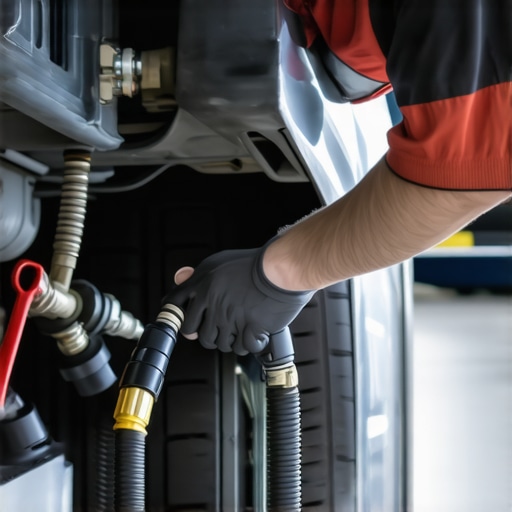
If visual inspections don’t reveal leaks, consider using a pressure testing kit designed for automotive hoses. Attach the kit according to the manufacturer’s instructions and pump air into the hose system. Watch for pressure drops over time, which indicate leaks. This method is more involved but provides definitive proof of leak locations. I once rented a pressure test kit from a local shop, which helped me pinpoint a leaking fuel vapor line that was causing my engine to run rich. Conducting this test can prevent unnecessary replacements and ensure your vehicle runs efficiently.
Replace Damaged Hoses Promptly
Once leaks are identified, replace the compromised hoses immediately. Use OEM-approved parts or high-quality generic hoses to guarantee durability. Cut the new hose to the correct length, install it securely, and reinforce clamps to prevent future leaks. While replacing my car’s PCV hose, I took care to ensure the clamp was tight and the hose seated properly. The result was smoother engine operation and better fuel economy. Regular maintenance, including hose replacements when necessary, can keep your vehicle performing at its best and save you significant money on fuel.
Prevent Future Leaks with Routine Maintenance
Schedule regular inspections as part of your vehicle’s maintenance routine. Refer to your car’s manual or consult trusted guides like this article to learn about essential tune-up intervals. Small but consistent checks help catch problems early. During a routine oil change, I discovered a cracked radiator hose that was about to fail—preventing a breakdown. Establishing a regular inspection routine ensures small issues don’t escalate into costly repairs, prolonging your vehicle’s lifespan and preserving fuel efficiency.
When it comes to automotive maintenance, many assume they already understand the basics, but the truth is, there are several nuanced aspects that even seasoned car owners often miss. One common misconception is that a simple tune-up will resolve all performance issues, but in reality, the details matter greatly. A tune-up isn’t just about replacing spark plugs; it requires a comprehensive check of engine sensors, fuel injectors, and the entire ignition system to truly optimize vehicle performance. Relying solely on generic advice can lead you to overlook critical components that silently impact your car’s efficiency.
Another frequent mistake is underestimating the complexity of auto repairs. For instance, diagnosing transmission problems isn’t as straightforward as noticing a delay in shifting; it involves understanding the subtle differences between fluid degradation, sensor faults, and mechanical wear. Many drivers avoid professional diagnostics, opting instead for guesswork, which can lead to costly missteps. According to experts at CollisionFixer, neglecting early signs of transmission wear—such as slipping or rough shifting—can escalate into a full rebuild, increasing repair costs exponentially.
**What pitfalls do most car owners fall into when servicing their vehicles?** One prevalent trap is assuming that all car service providers are equally reliable. While some may offer budget-friendly options, they might lack the expertise to handle intricate issues like clutch problems or engine recalibration. This oversight can result in incomplete repairs or, worse, damage to vital components. It’s essential to select a trusted mechanic with a proven track record, and you can verify their credibility by reviewing their certifications or past customer reviews.
A significant nuance often overlooked is the importance of transmission health. Many believe that transmission fluid only needs changing after a specific mileage, but recent studies reveal that driving habits, climate, and vehicle age also influence fluid longevity. Regularly checking and maintaining your transmission fluid levels can prevent shuddering, slipping, or long-term damage. For an in-depth understanding, exploring articles like [how transmission overhauls save you money](https://collisionfixer.com/how-transmission-overhauls-save-you-money-in-the-long-run) can be enlightening.
Beware of the
Make Tools Your Best Friends in Auto Care
When it comes to keeping your vehicle running smoothly over the years, investing in the right tools isn’t just a luxury—it’s a necessity. Personally, I rely on a high-quality socket set with deep-well sockets because, in my experience, they allow me to access bolts in tight spots without damaging surrounding components. For example, replacing transmission fluid involves reaching into confined spaces, and a versatile socket set with wobble extensions makes this task manageable. Additionally, a digital multimeter has become invaluable for diagnosing electrical issues such as battery drain or faulty sensors, saving me time and money on unnecessary repairs.
Beyond basic hand tools, I recommend a compact, portable air compressor. Having one in your garage helps maintain proper tire pressure, which directly influences fuel efficiency and tire longevity. Recently, I used mine to inflate a stubbornly deflated tire before a road trip, avoiding a costly tow and ensuring my vehicle’s safe operation. Combining quality tools with routine checks allows for proactive maintenance, catching potential problems before they escalate.
Why I Swear by Specific Equipment
I specifically choose brands like Snap-on and Makita because of their durability and precision. For example, a reliable torque wrench is critical during brake pad replacements or when tightening transmission bolts to the manufacturer specs—over or under-tightening can lead to severe issues. I also use a magnetic pickup tool to retrieve dropped screws in engine bays, which can otherwise cause engine damage if left unnoticed. These tools may seem small, but their impact on efficiency and safety is profound, ensuring I can perform complex repairs confidently.
As automotive technology evolves, so do the tools required. Modern vehicles demand diagnostic tools capable of interfacing with advanced computer systems. I invested in an OBD-II scanner that provides real-time data and potential trouble codes, making troubleshooting faster and more accurate. This foresight in tool selection is essential as vehicles become increasingly sophisticated, pointing to a future where DIY repairs will rely even more on specialized electronics equipment.
How do I maintain my tools over time?
Consistent maintenance of your tools is crucial for their longevity and reliability. Clean and lubricate moving parts regularly, store them in a dedicated toolbox to avoid damage, and check for wear or rust. For example, I keep my ratchets lightly oiled to prevent seizing, especially after exposure to moisture. Replacing worn-out or damaged tools promptly prevents compromised repairs and ensures safety during critical tasks. Staying vigilant with your toolkit means you’re always ready for whatever your vehicle throws at you, from routine tune-ups to emergency fixes. To ensure your vehicle stays in top shape, consider scheduling regular tune-ups and inspections, which can be planned with a trusted mechanic or using guides like this comprehensive maintenance resource.
Looking ahead, automation and smart diagnostics are poised to revolutionize auto repair, with AI-driven systems suggesting fixes and ordering parts automatically. Staying updated with the latest tools and techniques will undoubtedly become even more critical for car enthusiasts and professionals alike.
Where can you find the best tools for your shop?
While online retailers and specialized stores are excellent sources, I recommend building relationships with local suppliers who understand the specific needs of your vehicle and locale. Plus, buying quality tools upfront saves money and stress in the long run. Remember, tackling complex tasks like transmission service or collision repair without the proper equipment can lead to further damage or safety hazards. So invest wisely, maintain your tools diligently, and you’ll keep your car—and your wallet—happy for miles to come. Curious about tackling more advanced repairs? Try using a professional-grade pressure tester to ensure your hoses and seals are airtight, a step that can prevent costly leaks and performance issues later on. Don’t forget to check out this guide for more essential car care tips.
What I Didn’t Expect About Fixing Tiny Leaks
One of the toughest lessons I learned was that small hose leaks whisper rather than shout. I used to dismiss tiny cracks, thinking they’d be obvious or cause immediate breakdowns. But those silent leaks quietly drained my fuel efficiency, and I only caught on after noticing sluggish performance. Now, I know the importance of regular visual inspections and patience in diagnosing hidden problems.
How a Simple Soap Test Revolutionized My Maintenance Routine
Spraying soapy water on hoses became my go-to method for spotting invisible leaks. Bubbles would appear where I least expected, revealing leaks that standard visual checks missed. This easy trick saved me from costly diagnostics and kept my engine running smoothly, proving that sometimes, simple solutions have the most significant impact.
Learning from Mistakes: The Pressure Test Revelation
Pressure testing was a game-changer. It’s not enough to rely on the eye; I needed objective proof. Pumping air into the system and watching for pressure drops helped me locate a sneaky vapor line leak. That knowledge prevented me from unnecessary hose replacements and extended my vehicle’s lifespan. It’s a reminder that investing in proper testing tools is invaluable for confident repairs.
My Biggest Auto Repair Misconception Turned Truth
I used to think all leaks would be obvious or cause dramatic symptoms. I was wrong. Tiny cracks can cause significant efficiency losses without any warning signs. This realization pushed me to develop a routine maintenance checklist: hose inspections, soap tests, pressure tests. It’s helped me catch issues early and avoid costly breakdowns, and I recommend every car owner adopts this proactive approach.
Gear Up Wisely for a Long-Lasting Car Life
Building a toolkit with quality essentials like a versatile socket set, a digital multimeter, and a reliable pressure tester keeps me prepared for most repairs. Trusting tools from brands like Snap-on and Makita has made a difference—they last, perform, and give me confidence in my DIY skills. Regular maintenance with the right equipment isn’t just convenient; it’s an investment in your vehicle’s future, helping you avoid surprises and keep your car performing at its best.
Your Next Steps in Auto Care Are Within Reach
The journey to reliable, efficient driving doesn’t end here. Embrace routine inspections, invest in quality tools, and don’t be afraid to learn and experiment. The more you understand your vehicle, the better you’ll become at catching those sneaky leaks before they dent your wallet. Need inspiration? Check out this article for comprehensive maintenance tips that can extend your car’s lifespan. Remember, every small effort counts toward a smoother, more dependable ride.