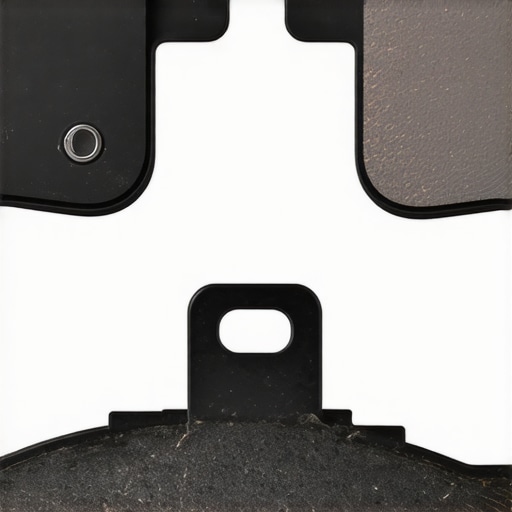
One morning, as I was pulling out of my driveway, I felt a strange squeal every time I pressed the brake pedal. Turns out, I had ignored the subtle signs that my brake system needed attention — a mistake many of us make until a full-blown brake job becomes unavoidable. That moment made me realize how confusing it can be to choose the right type of brake pads for your vehicle, especially with all the marketing hype and technical jargon flying around.
Why Picking the Correct Brake Pads Matters for Your Car’s Safety and Performance
Believe it or not, the kinds of brake pads you choose can significantly influence your car’s stopping power, comfort, and longevity. The wrong choice might save you a few bucks upfront but could lead to increased wear, noise, or even dangerous braking behavior later. It’s not just about price — it’s about understanding what works best for your driving style and vehicle needs. Over my years of auto repair experience, I’ve seen folks saddle themselves with pads that aren’t suited for their daily commute or driving conditions — and the results aren’t pretty.
Is All the Buzz About Ceramic and Semi-Metallic Brake Pads Just Marketing?
Early in my career, I made the mistake of assuming one type was universally better than the other. Turns out, I had picked semi-metallic pads for a customer who primarily drove in the city — leading to excessive brake dust and noise. A simple misjudgment based on generalizations I’d read online or heard from friends. That’s why I always recommend diving into the specifics rather than falling for the hype. Knowing the facts can save you money, wear and tear on your vehicle, and even your safety.
If you’re like me, you want to make informed decisions — and I’m here to help you do just that. Today, we’ll sift through the pros and cons of ceramic and semi-metallic brake pads, so you can pick what suits your driving habits best. Ready to stop second-guessing and get your brakes working just right? Let’s get started.
And by the way, if you’ve experienced any issues with your brakes or just want a professional opinion tailored to your vehicle, don’t hesitate to reach out here. Proper maintenance can extend your brake life and keep you safe on the road.
Getting the Right Brake Pads in Hand
Start by measuring your current brake pad thickness using a reliable digital caliper, which ensures precise comparison. A micro-story: I once visited a customer’s garage and noticed uneven pad thickness; measuring revealed uneven wear that I could correct before installing new pads, preventing uneven braking and extending rotor life.
Preparing Your Vehicle for Brake Pad Replacement
Safely Lift and Support the Vehicle
Use a hydraulic jack to lift the car, placing jack stands under the manufacturer-approved lift points. Secure the vehicle firmly. In my experience, skipping this step led to a wobbly car that almost fell during the job, a reminder to always prioritize safety to avoid accidents.
Remove the Wheel and Brake Components
Loosen lug nuts with a torque wrench before lifting, then remove the wheel. Next, detach the caliper using the appropriate socket, taking care not to strain the brake hose. This step is like peeling an orange carefully—avoid damaging delicate parts.
Replacing and Installing New Brake Pads
Compress the Caliper Piston
Use a C-clamp or brake piston tool to gently push the piston back into the caliper housing. This creates space for new, thicker pads. I once tried to install new pads without doing this, leading to caliper damage. Remember, a little patience here prevents bigger headaches later.
Insert New Brake Pads
Apply brake grease to the back of the new pads to minimize noise, then carefully position them into the caliper. Ensure the clips and pins are properly aligned. Think of this process as fitting a puzzle—every piece must sit perfectly for optimal function.
Reassembling and Testing
Reattach the caliper and tighten all bolts to manufacturer specifications. Mount the wheel back on and torque the lug nuts correctly. Before driving, pump the brake pedal a few times to seat the pads. I remember a test drive where I didn’t do this, and I experienced spongy brakes—lessons learned the hard way.
Post-Installation Checks and Maintenance
Inspect the brake fluid level and top off if necessary. Also, look for leaks or unusual wear. Regularly check your brake pads’ thickness and replace them before they become dangerously worn. For comprehensive guidance on keeping your brakes in top shape, explore tips on maintaining your car’s lifespan with routine tune-ups.
By following these steps meticulously, you’ll ensure your brake system operates safely and efficiently, giving you peace of mind on the road.
Many car owners assume that auto repairs and maintenance are straightforward, but beneath the surface lies a complex web of myths and misconceptions. One common mistake is thinking that sticking to generic advice guarantees a vehicle’s optimal performance. In reality, each car has its unique quirks, and what works for one might harm another. For example, some believe that using the cheapest parts saves money, but this often leads to more frequent breakdowns and higher long-term costs, as highlighted in auto repair cost analyses.
Are All Tune-Ups Created Equal? The Nuances That Matter
Many think a basic tune-up involves only changing spark plugs and fluids. However, advanced diagnostics can uncover underlying issues like sensor malfunctions or transmission slippage that standard checks might miss. Overlooking these nuances can result in costly breakdowns. For instance, a subtle transmission shudder might be dismissed as normal, but as discussed in this article, it could indicate imminent failure. A comprehensive tune-up tailored to your vehicle’s specific needs can prevent such surprises.
Another widespread myth is that all collision repairs are purely cosmetic. In reality, unseen structural damage might compromise safety, which is why professional inspections are crucial. Many owners overlook hidden rust or frame misalignments that only specialists can detect. For example, rust lurking behind paint or in wheel wells can weaken the chassis over time, increasing accident risk. To identify these hidden hazards, refer to this detailed guide.
What Is the Real Cost of Delaying Transmission Service?
On an advanced level, delaying transmission maintenance might seem harmless, but in fact, it accelerates wear and can lead to costly rebuilds. Transmission fluid degradation causes friction and heat buildup, which damages gears and clutches. Regularly scheduled overhauls can mitigate these risks, saving you money and preventing inconvenient breakdowns. This perspective is supported by experts like those at auto repair specialists who emphasize proactive maintenance.
Have you ever fallen into this trap of neglecting critical service? Let me know in the comments. Remember, understanding these nuances can significantly extend your vehicle’s lifespan and safety, helping you avoid expensive surprises down the road. For tailored advice or to schedule a checkup, don’t hesitate to reach out here. Your car deserves expert care beyond the basics.
,
Keeping Your Car Running Smoothly: Tools and Strategies You Can Trust
Maintaining your vehicle over time requires more than just basic knowledge — it demands the right tools that ensure safety, precision, and efficiency. As an auto repair enthusiast, I personally rely on a curated set of equipment that has proven invaluable in both professional shops and personal bays. Investing in quality tools not only speeds up repair jobs but also minimizes damage to components, ultimately extending your car’s lifespan.
One indispensable item I recommend is a digital torque wrench. Unlike traditional torque wrenches, digital versions provide precise readings with easy-to-read displays, reducing the risk of under- or over-tightening critical fasteners especially during suspension or transmission work. My favorite, the Wiha Digital Torque Wrench, combines accuracy with durability, making it perfect for long-term maintenance routines. For electrical diagnostics, a reliable auto multimeter like the Fluke 115 is essential. It helps me swiftly identify issues with sensors, wiring, and battery health. Precision matters in diagnostics; a good multimeter can save hours of guesswork.
Creating a clean and organized workspace is fundamental. I swear by magnetic parts trays and portable LED work lights. These might seem simple, but they prevent lost small parts and illuminate dark corners, respectively. Additionally, I advocate for a quality set of impact wrenches—cordless models from brands like Milwaukee or DeWalt offer portability and power that streamline wheel and suspension work, saving time and energy.
What about software and diagnostic tools?
Modern vehicles increasingly rely on electronic control systems, so a professional-grade OBD-II scanner, such as the Autel MaxiCOM, is a game-changer. It allows me to quickly read and clear error codes, access live data, and perform specialized tests. Tech advancements point toward more integrated diagnostic solutions—future-proof your setup by investing in tools capable of handling emerging vehicle technology, including electric and hybrid systems. As automotive electronics evolve, so must our repair methods. For an in-depth look at transmission diagnostics, I recommend reading this article.
Routine maintenance also benefits from regular sensor calibration. For example, exhaust gas sensors or wheel speed sensors may drift over time, affecting everything from fuel efficiency to braking performance. A specialized calibration tool aligned with your vehicle model can prevent costly repairs and improve driving experience.
Looking ahead, I predict that automation and artificial intelligence will further revolutionize auto repairs. Expect increasingly sophisticated diagnostics integrated directly into vehicles, reducing guesswork even further. Staying ahead means continuously updating your toolkit and knowledge base.
How do I maintain these tools over time?
Protect your investments by following manufacturer-recommended calibration schedules and storing tools properly. Keep impact wrenches and torque tools clean, lubricated, and calibrated annually with professional services. For delicate electronic testers, avoid exposing them to moisture, extreme temperatures, or static. Regularly updating software firmware for diagnostic devices ensures compatibility with new vehicle models and systems. Don’t forget to replace worn-out parts like impact wrench batteries to maintain peak performance. A well-maintained toolkit is your best ally in ensuring long-term reliability and safety. For expert auto care or to get your tools checked, you can reach out here.
By choosing the right equipment and maintaining it diligently, you’ll find that your repairs become more predictable, successful, and cost-effective. Stay proactive, and vehicle longevity will follow. Try implementing one of these advanced tips today—like calibrating your impact wrench or upgrading your diagnostic scanner—and watch your auto repair efficiency soar. The future of car maintenance is evolving fast; equip yourself accordingly to stay ahead of the curve.
,
Lessons Only Fine-Tuned Auto Enthusiasts Discover
- One of the most profound revelations in my years of auto repair is that even small attention to detail—like recognizing subtle brake squeals early—can prevent costly repairs later. These lightbulb moments showed me that patience and keen observation are your best allies. Knowing when to seek professional help, such as consulting an expert, often saves more than just money—it’s a matter of safety.
- Another lesson learned is that not all brake pads are created equal, and marketing hype can cloud judgment. Take the time to understand what your driving habits demand—be it durability, noise reduction, or performance. Doing so transforms your maintenance routine from routine to proactive, ensuring peace of mind on every trip.
- Finally, I realized that investing in quality tools, like a precise digital torque wrench or reliable diagnostic scanner, not only makes repairs quicker but also guarantees safety and long-term reliability. These tools become extensions of your skill, empowering you to tackle challenges with confidence and clarity.
Tools and Resources I Trust to Keep My Car Running Smoothly
- Future-proof your auto repair skills with a trusted set of diagnostic tools like the Autel MaxiCOM scanner. Its comprehensive data access helps me pinpoint issues swiftly, saving hours of guesswork.
- For precision and durability, the Wiha Digital Torque Wrench has been invaluable, ensuring every bolt is tightened to exact specifications, which is crucial during brake and suspension work.
- Keeping the workspace organized with magnetic trays and quality impact wrenches from brands like Milwaukee ensures I don’t waste time searching for lost parts or struggling with over-torquing.
- Finally, I recommend reading detailed guides like this article on transmission overhaul savings—it’s helped me grasp when a repair is worth pursuing and when a replacement might be wiser.
Shake Off Hesitations and Own Your Auto Maintenance
Remember, each repair and tweak you undertake deepens your understanding and confidence. The future of auto repair is rapidly evolving, but your proactive approach today sets the foundation for years of safe driving. Don’t wait for problems to become emergencies—start applying these insights now, and watch your vehicle’s longevity and performance bloom. Ready to take that first step? If you’ve ever hesitated to try a repair or upgrade, now’s the time to embrace the challenge and keep your car in peak condition.
What’s the one auto repair skill you’ve been putting off mastering? Let me know below—I’d love to hear your stories and help you get started!
,