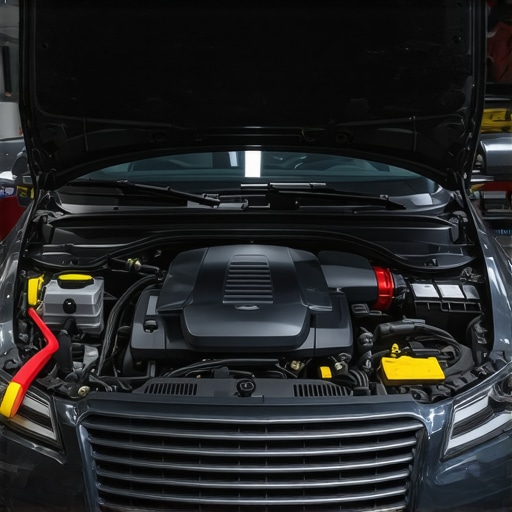
Ever yanked out a rag or doused your engine in the hopes of making it shine, only to end up with a bigger mess or, worse, a costly repair? I’ve been there. Once, I tried spraying off my engine bay without thinking, and my car refused to start the next morning. Talk about a rookie move! That lightbulb moment taught me a crucial lesson: cleaning your engine bay isn’t about brute force or shortcuts.
Today, I want to share how I finally cracked the code—how to give your engine bay a good clean without risking damage. Believe me, it’s doable. Proper maintenance is key to prolonging your vehicle’s life and dodging expensive repairs. Plus, a cleaner engine runs cooler and more efficiently, saving you money in the long run.
Why Cleaning Your Engine Bay Matters More Than You Think
Cleaning your engine bay isn’t just about aesthetics, although that’s a nice side benefit. It’s about catching potential problems early and ensuring everything runs smoothly. Dirt and grime can hide leaks, corrosion, and worn parts. They can also cause components to stick or fail prematurely.
A thorough clean can improve heat dissipation—an essential factor since engines generate heat that needs to escape efficiently. Interestingly, a study from the Car Care Council notes that regular engine cleaning can actually prevent breakdowns, saving car owners hundreds of dollars annually. Think about it: a clean engine isn’t just shiny; it’s healthier.
But here’s the kicker—many folks, myself included initially, think that cleaning means blasting everything with a pressure washer. That’s a surefire way to break something. Water can seep into connectors, loosen delicate parts, or damage electrical systems. Early on, I made the mistake of using too much pressure, and I ended up with an electrical gremlin I couldn’t trace for weeks.
If you’ve ever worried about damaging sensitive parts or making the problem worse, you’re not alone. The key is knowing what to do and what to avoid. I’ve learned that patience, the right tools, and gentle techniques make all the difference.
Ready to get your hands dirty (safely)? Next, I’ll walk you through the step-by-step process—what you need, what to skip, and how to avoid common pitfalls. If you’re eager to keep your engine running smoothly and looking sharp, stay tuned. And if you’ve faced mishaps or have questions, I’d love to hear your stories—drop a comment below or visit our [contact page](https://collisionfixer.com/contact-us) to chat.
Now, let’s dive into how you can clean your engine bay without breaking a thing.
Gather Your Tools and Prepare Your Workspace
Start by assembling the essential cleaning supplies: a gentle degreaser, soft-bristled brushes, microfiber cloths, a spray nozzle with adjustable pressure, and protective gear like gloves and safety glasses. Clear your garage or driveway of any obstacles and ensure good ventilation. I remember the first time I did this, I spread out old towels under the car to catch drips—preparing your space makes the process smoother and safer.
Protect Sensitive Components Before You Start
To avoid water damage, cover electrical parts, air intake systems, and exposed filters with plastic bags or aluminum foil. Use painter’s tape to secure the coverings if needed. Think of it like wrapping delicate jewelry before cleaning; a little preparation prevents costly mishaps later. I once neglected this step and accidentally sprayed water into a wiring connector, leading to an electrical issue that took hours to diagnose.
Apply Degreaser and Loosen Grime
Spray a liberal amount of degreaser onto engine surfaces, avoiding electrical components. Let it sit for 5-10 minutes to break down grease and grime. During my first attempt, I hurried and sprayed everything at once, which resulted in sopping wet engine bays and lingering dirt. Patience is key—wait for the degreaser to do its magic before proceeding.
Scrub Gently with Appropriate Tools
Use soft brushes or microfiber cloths to gently scrub the engine parts, focusing on stubborn areas like valve covers and pulley belts. Think of each brush stroke like polishing a gem—firm but gentle. In one notably messy session, I cleaned around the serpentine belt, avoiding unnecessary force that could cause damage or misalignment. This careful approach extends the life of your components.
Rinse with Care Using Low-Pressure Water
Set your spray nozzle to a low-pressure setting and rinse off the degreaser and loosened grime. Keep the spray at a safe distance—about a foot—especially around electrical parts. Unlike a high-pressure wash that I once used, which caused water ingress into sensitive connectors, a gentle rinse prevents damage and keeps electrical systems dry.
Dry and Remove Protective Covers
Pat dry with microfiber cloths and remove all plastic coverings from electrical components. Use compressed air to blow out water from tight spaces if available. This meticulous drying ensures no moisture is left behind that could cause corrosion. Remember how I’ve seen engine bays develop rust spots just because of residual water lingering after cleaning—drying thoroughly is crucial.
Inspect and Final Touches
Once dry, inspect your work. Check for missed spots or water trapped in crevices. For a professional finish, consider applying a plastic or rubber protectant to hoses and plastics. Regular maintenance, like this, can help catch issues early, avoiding costly repairs. If you want to keep your vehicle running smoothly, integrating routine cleaning with tune-ups is a smart move—learn more at Maximize Your Car’s Lifespan with Regular Tune-Ups.
Many car owners believe that routine auto repairs and maintenance are straightforward tasks, but in reality, there are nuanced details and widespread myths that can lead to costly mistakes. For instance, a prevalent misconception is that performing basic repairs or tune-ups yourself always saves money and time. While DIY efforts can be beneficial, they often overlook critical nuances that professionals understand—such as the importance of precise diagnostic techniques and specific service intervals for your vehicle model. Rushing into repairs without a proper inspection can exacerbate problems, leading to more expensive fixes later. Moreover, there’s a common myth that transmission repairs are universally expensive and should always be replaced rather than repaired; however, modern overhauls, like those explained in this guide, reveal that skilled repairs can extend your transmission’s lifespan at a fraction of the cost of a full replacement. An often-overlooked nuance in car maintenance relates to the use of proper fluids and parts—failing to follow manufacturer specifications can result in subpar performance or damage, which is why consulting your owner’s manual or a trusted mechanic is crucial. Additionally, a hidden trap many fall into is neglecting the symptom signs of deeper issues, such as erratic shifting or unusual noises, which can indicate serious problems. Recognizing these early, with guidance from expert sources, saves you money and prevents breakdowns. Also, beware of the misconception that all car service shops are equally trustworthy; choosing a shop with proven experience and transparent procedures is vital. If you’re unsure about how to spot a reliable mechanic, explore helpful tips at this article. Remember, understanding these nuances and correcting common misunderstandings empowers you to make informed decisions about your vehicle’s care. For a comprehensive approach to maintaining your car, don’t forget to check out our practical tune-up tips. Have you ever fallen into this trap? Let me know in the comments.
Investing in Quality Tools for Auto Maintenance
Having the right equipment can make all the difference in maintaining your vehicle effectively over time. I personally swear by a high-quality digital multimeter, like the Fluke 115, which allows me to quickly diagnose electrical issues such as faulty sensors or dead batteries without guesswork. For fluid checks, I rely on a calibrated UV leak detection kit, which helps identify hidden leaks before they escalate, saving money and preventing breakdowns. When it comes to cleaning, a pressure washer with adjustable nozzles and a foam cannon makes detailing much easier without risking water ingress into sensitive components. Choosing tools that combine precision and durability ensures you’re making repairs or inspections reliably, extending your vehicle’s lifespan.
Harnessing Software to Predict Maintenance Needs
Beyond physical tools, diagnostic software has become indispensable. My go-to is a scan tool like Autel MaxiCOM, which connects via OBD-II and offers comprehensive real-time data. It not only reads error codes but also helps monitor sensor performance, fuel efficiency, and even anticipates part replacements through predictive diagnostics. Modern vehicles equipped with telematics can send maintenance alerts directly to your smartphone, enabling proactive care. As cars move toward greater automation and connectivity, staying ahead with the latest diagnostic tech will be key to long-term upkeep.
Future Trends in Auto Maintenance
Looking ahead, I believe AI-driven diagnostics and remote repair assistance will revolutionize how we maintain our vehicles. Companies are already exploring cloud-based systems that analyze data from multiple cars to identify patterns and recommend fixes before problems arise. This proactive approach not only reduces downtime but also minimizes repair costs. Staying adaptable and investing in smart tools today will prepare you for this evolution, ensuring your car stays in top shape without excessive effort.
How do I maintain auto systems over time?
Consistent maintenance is essential—regular tune-ups, fluid replacements, and system checks prevent minor issues from becoming major headaches. I recommend scheduling comprehensive inspections at least once a year, with more frequent checks if your vehicle is older or driven in harsh conditions. Incorporating predictive diagnostics, such as those discussed in this article, helps catch faults early. Also, always use manufacturer-approved parts and fluids to maximize compatibility and longevity. Remember, investing a little time and money now saves you from costly repairs later and keeps your vehicle dependable for years to come.
If you’re eager to take your maintenance game up a notch, consider trying advanced diagnostic tools or software. For instance, integrating a Bluetooth-enabled OBD-II scanner with smartphone apps can provide instant insights into your vehicle’s health and streamline routine checks. Equipped with smarter tools and a proactive mindset, you’ll be well on your way to a smoother, safer driving experience.
Over the years, I’ve learned that a proper engine bay clean isn’t just about appearance—it’s about maintaining your vehicle’s health and performance. My early attempts were filled with shortcuts and mistakes, like using high-pressure water or neglecting electrical protections, which often led to costly repairs. One of the biggest lessons? Patience and the right techniques are your best allies—rushing can cause more harm than good. Understanding the nuanced needs of your engine components and protecting sensitive parts beforehand makes a significant difference. Now, I meticulously prepare my workspace, choose quality tools, and follow gentle cleaning practices, which keeps my engine running smoothly and looking great. Remember, investing effort into proper maintenance not only prolongs your car’s lifespan but also saves you money in the long run. So, take pride in your approach, stay informed, and treat your vehicle with care—it’s a worthwhile commitment that pays off every mile.