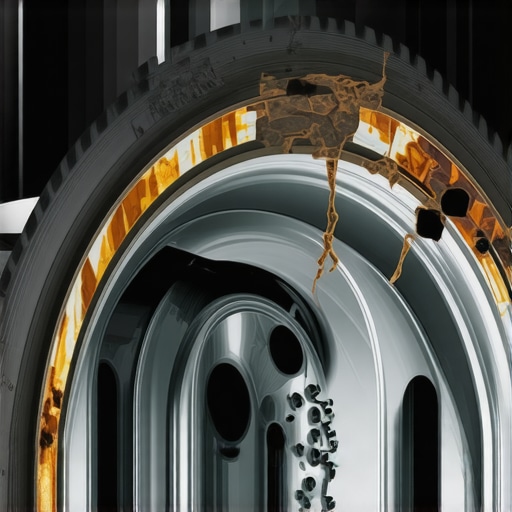
It was a typical Saturday morning when I finally cracked open my car’s engine bay for a routine check, only to discover a patch of rust lurking inconspicuously in my wheel well. At first, I brushed it off, thinking it was just surface corrosion that time would wear down. But as I scrubbed away, the reality hit me—rust is more than just a cosmetic issue; it can stealthily eat away at the structural integrity of your vehicle, especially in hidden spots like wheel wells. If you’ve ever faced a sudden squeal, wobble, or even a frightening brake failure, chances are rust played a role behind the scenes without you realizing it.
Why Ignoring Rust in Your Wheel Wells Can Cost You Big
Rust in your wheel wells isn’t just an eyesore—it can compromise safety and increase repair costs significantly. When rust develops unnoticed, it gradually weakens the metal, potentially leading to parts breaking or detaching unexpectedly. I learned this lesson the hard way when a seemingly minor rust patch caused a wheel to wobble under my hands during a tire change. Not only did I have to replace the wheel hub, but I also paid more than I thought I would, all because I ignored that small rust spot.
The surprising fact is that rust can develop rapidly under certain conditions. According to automotive corrosion studies, untreated rust in critical areas like wheel wells can accelerate within just a few years, especially in humid or salty environments. This vulnerability means that diligence in inspecting these hidden spots is essential for long-term vehicle health. For most car owners, however, the focus tends to be on engine troubles or visible body damage, leaving the wheel well rusts to go unnoticed.
It’s no wonder I was skeptical at first when I heard people talk about the importance of regular inspections for hidden rust. But after my own experience, and reading about how rust can lead to critical failures like brake line corrosion or suspension damage, I realized that preventive measures are a small price to pay for peace of mind. To truly protect your vehicle, understanding the risks and knowing how to spot early signs of rust—especially in those hard-to-see wheel wells—is crucial. And that’s exactly what I’ll be sharing in the next section: practical, easy steps to check, prevent, and treat rust before it turns into a costly problem.
Start with a Visual Inspection
Park your vehicle on a flat surface and grab a good flashlight. Carefully examine the wheel wells, looking for any bubbling paint, flakey metal, or dull spots indicating rust. Remember, rust often starts beneath the surface, so push back or tap around the area to detect softer spots. I once spotted a tiny discoloration while waiting at a traffic light, which turned out to be early rust, allowing me to treat it before it spread.
Remove Loose Rust and Debris
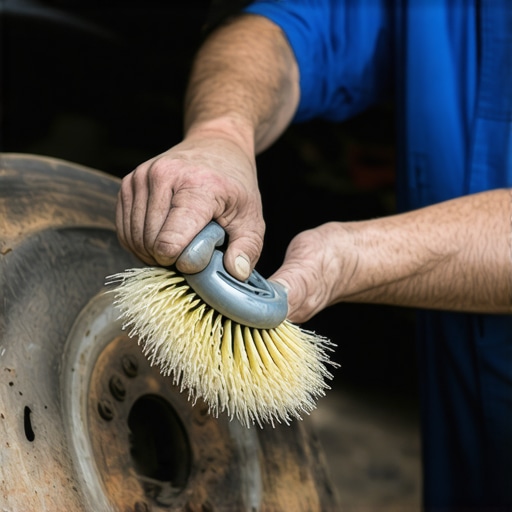
Use a wire brush or coarse sandpaper to scrub away loose rust and dirt. This prepares the surface for the next steps. Think of it as sanding down an old wooden table before repainting; the cleaner surface ensures better adhesion. During my last check, I carefully brushed away flaky rust, revealing smooth metal underneath—saving me from a costly repair.
Protect Yourself and Your Vehicle
Wear goggles and gloves to avoid injury from rust particles. Protect nearby painted surfaces with masking tape to prevent accidental damage. Safety first—rust particles can be harmful if inhaled or gotten in your eyes. I always double-check before starting these steps to avoid mishaps.
Apply Rust Converter or Primer
Use a rust converter product that chemically transforms rust into an inert surface or a dedicated primer designed for metal. Apply evenly over the affected area using a brush or spray, following the product instructions. This step halts rust progression. I applied rust converter to a small spot, which effectively stopped its spread—making it a crucial step in preventing further damage.
Seal and Paint for Long-Term Protection
Once the rust converter has set and the surface is dry, apply a high-quality automotive paint or undercoating. Use a brush or spray for even coverage. This acts as a barrier against moisture, stopping new rust from forming. I painted over my treated area, which blended well with the existing paint, providing a durable shield. For best results, consider doing this during dry days and at moderate temperatures.
Regularly Inspect and Maintain
Make it a habit to check your wheel wells every few months, especially after winter or salty conditions. Early detection is key—spotting rust in its infancy is much easier than dealing with extensive corrosion. Think of it as brushing your teeth daily; small preventive actions save big dental bills later. For comprehensive vehicle care, visit this guide or consult professionals if you’re unsure about the severity of rust.
 Many car owners operate under misconceptions about vehicle maintenance, particularly when it comes to complex systems like transmissions and the importance of regular tune-ups. One common myth is that neglecting minor issues won’t affect your car’s long-term health, but in reality, small problems can snowball into costly repairs, especially if ignored in systems like your transmission. Understanding these nuances is crucial to avoiding expensive mistakes and keeping your vehicle reliable. For instance, many believe that a simple transmission flush is always unnecessary; however, according to automotive experts, regular transmission overhauls can actually *save* you money by preventing major component failures, as detailed in [this comprehensive guide](https://collisionfixer.com/how-transmission-overhauls-save-you-money-in-the-long-run).
Why do so many overlook the significance of a proper tune-up?
Many think that tune-ups are redundant with today’s advanced vehicle technology, but experienced mechanics know that neglecting scheduled tune-ups can lead to uneven engine performance, decreased fuel efficiency, and premature wear, which aren’t immediately apparent. Regular servicing is essential—not just for peak performance but also to detect early warning signs of underlying issues. For example, minor irregularities in your engine’s rhythm might be a sign of developing problems that, if caught early, are easy to fix, as discussed in [this article](https://collisionfixer.com/maximize-your-cars-lifespan-with-regular-tune-ups).
One of the biggest pitfalls many fall into is underestimating the importance of expert collision repair. When replacing parts after an accident, opting for cheap, aftermarket components might seem cost-effective initially, but they often lead to poorly aligned panels, quicker wear, or even safety compromises. Always insist on genuine parts and skilled technicians—your safety depends on it. Moreover, understanding how to identify a well-executed repair can save you from future headaches; for example, improper frame alignment can cause uneven tire wear and steering issues. Learn more about assessing these repairs in [this detailed resource](https://collisionfixer.com/how-to-test-for-a-blown-head-gasket-with-a-chemical-kit).
Another aspect many overlook is the significance of a thorough inspection before and after servicing. Rushing into repairs without diagnosing the root cause of problems can result in repeated visits and escalating costs. Advanced diagnostic tools and knowledge, like checking for internal transmission damage without a teardown or testing for internal engine issues, are often overlooked skills among DIY enthusiasts but are invaluable for ensuring long-term vehicle health. For insights into these diagnostics, see [this expert guide](https://collisionfixer.com/how-to-check-for-internal-transmission-damage-without-a-teardown).
Have you ever fallen into this trap? Let me know in the comments!
Maintaining your vehicle over the years requires more than just basic inspections; it demands the right tools, a disciplined routine, and a mindset geared toward long-term performance. I personally rely on a few specific items that have proven invaluable in diagnosing and addressing issues early, saving me money and preventing breakdowns. For instance, an automotive code reader like the BlueDriver Bluetooth Professional Scan Tool allows me to quickly identify trouble codes without having to visit the mechanic for every minor alert, making routine checkups more efficient. I also swear by a high-quality digital multimeter—fluke models, in my experience—for testing electrical components and ensuring circuits are functioning correctly, especially when troubleshooting charging or starting system issues.
When it comes to physical tools, a reliable pair of jack stands and a durable creeper are indispensable for inspecting underneath the vehicle safely and comfortably. These tools facilitate regular inspections of critical areas such as transmission mounts or exhaust systems, allowing me to spot potential problems before they escalate. For more in-depth maintenance, I use a professional-grade torque wrench to ensure bolts and nuts are tightened correctly during repairs or replacements, which is crucial in maintaining proper alignment and safety standards.
But tools are just part of the equation. Sticking to a systematic maintenance schedule based on your vehicle’s manual helps keep everything running smoothly. This includes regular fluid changes, filter replacements, and inspections for corrosion or leaks. Notably, implementing software like Car Scanner or OBDLink enables me to track vehicle health over time, giving insights into performance trends that inform maintenance priorities.
Looking ahead, the future of car maintenance looks increasingly digital and connected. As vehicles become smarter with integrated diagnostics, I predict that DIY enthusiasts will have even more powerful software tools designed for remote diagnostics and predictive maintenance—think AI-driven sensors predicting failures before they happen. This evolution will empower owners to take proactive steps, minimizing downtime and repair costs.
So, how do I keep my car operating at peak performance year after year? The answer lies in combining the right tools with consistent, knowledgeable maintenance routines. For example, regularly using a code scanner to clear pending alerts and monitor engine performance can dramatically extend your vehicle’s lifespan. I recommend trying out a reliable OBD2 scanner—here’s a detailed guide on how to select the best one for your needs—and integrating it into your routine. It’s a simple step that can reveal hidden issues early and save you money in the long run.
For a comprehensive approach, visit this resource to learn more about long-term vehicle care, or explore contact us if you need professional advice. Regular, informed maintenance isn’t just about fixing problems—it’s about preventing them and ensuring your car serves you reliably for years to come.When I first started inspecting my car’s wheel wells regularly, I thought a little rust was just part of owning an older vehicle. But over time, I realized that small rust spots are often a warning sign—ignoring them can lead to costly repairs and safety issues down the line. Preventive maintenance, like applying rust converters and protective coatings, has saved me hundreds, and sharing that knowledge is key to helping others avoid my mistakes. Remember, taking proactive steps today ensures your vehicle remains reliable and safe for miles to come. For comprehensive tips on maintaining your car’s lifespan, visit this detailed guide.