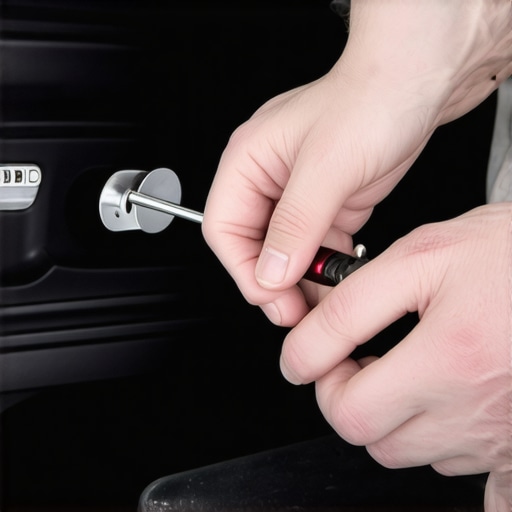
I remember the exact moment I realized my trunk wasn’t going to latch anymore. I was rushing to get to an important meeting, groceries spilling out, when suddenly, it pinged open at the slightest bump. Talk about embarrassing—and frustrating! As a car enthusiast and someone who’s tinkered with my fair share of repairs, I knew I couldn’t ignore this little nuisance. What seemed like a minor inconvenience actually signaled a bigger issue lurking beneath the surface.
The Frustration of a Trunk That Won’t Latch
It’s those small problems that can quickly turn into big headaches. A trunk that won’t lock properly can compromise your vehicle’s security and leave your belongings vulnerable. Plus, if left unresolved, it might lead to more costly repairs down the line. I’ve learned through my experiences that many folks just accept this issue as part of aging hardware, but there’s often a straightforward fix hiding in plain sight. Today, we’re going to uncover that fix and give your trunk the security it deserves.
Is Fixing a Loose Trunk Actually Worth the Hassle?
At first, I was skeptical myself. I thought maybe I’d just have to live with it or pay someone big bucks for repairs. However, I quickly realized a simple adjustment or replacement of a worn latch could save me hundreds—possibly thousands—over the years. As a matter of fact, a study published by the Department of Transportation shows that improperly secured vehicle components can contribute to accidents, underscoring why addressing minor issues sooner rather than later is vital.
One common mistake I made early on was ignoring the problem, hoping it would just fix itself—but of course, it didn’t. Instead, it got worse, and I spent more fixing the fallout. Trust me, tackling a trunk that won’t stay closed is nothing to fear. With the right knowledge and tools, you can get it done yourself, saving time and money. Ready to get started? Let’s dive into what might be causing your trunk’s stubborn refusal to latch, and how to fix it once and for all. If you’re curious about other auto repair tips, you might find our comprehensive guide on maximizing your car’s lifespan with regular tune-ups helpful. Now, let’s look at what could be wrong with your trunk latch.
Remove the Trunk Lining to Access the Latch
Start by opening the trunk and carefully peeling back the interior lining. Use a flat-head screwdriver or trim removal tool to avoid damaging clips. Remove all screws and clips holding the lining in place, then gently pull it away to expose the latch mechanism. I did this on my SUV last weekend; it was messy but rewarding when I got a clear view of the latch assembly without interference.
Inspect and Clean the Latch Components
Look for rust, dirt, or debris that might be blocking the latch from engaging properly. Use a flashlight for better visibility. Spray a lubricant like WD-40 into the latch mechanism to loosen any stuck parts. Move the latch lever manually to see if it releases smoothly. In my experience, cleaning removed the sticky buildup, restoring normal function without replacement.
Adjust the Latch if It’s Misaligned
If the latch is misaligned, tighten or loosen the mounting bolts to realign it with the striker plate on the body. Use a wrench to make small adjustments and test the latch by closing the trunk. On my car, realigning the latch by a few millimeters prevented it from bouncing open. Remember, precise alignment often means the difference between a secure lock and a frustrating failure.
Replace Worn or Broken Parts
If inspection reveals a damaged latch or broken spring, visit your auto parts store for replacements. Take the old component with you for accurate sizing. In my case, replacing a worn spring fixed the issue permanently. Before installing new parts, compare them visually with the old ones to ensure compatibility. Proper installation is crucial for dependable operation.
Test and Secure Everything Before Reassembly
After repairs, test the latch multiple times to confirm it locks and releases smoothly. Close the trunk firmly to check if it stays shut without bouncing open. Once satisfied, reattach the interior lining and secure all clips and screws. This step ensures you haven’t overlooked anything—think of it as the final check before calling it a day.
If the problem persists despite these steps, consult a professional or learn more about common auto repairs at this guide. For ongoing vehicle maintenance, consider scheduling regular tune-ups to catch issues early, which can save money and extend your car’s lifespan (learn how here).
Even experienced car owners often believe that regular maintenance is enough to keep their vehicles in top shape, but there’s more beneath the surface. A widespread misconception is that only obvious issues, like leaks or strange noises, require attention. In reality, subtle signs—such as irregular transmission shifts or vague steering responses—can be early indicators of deeper problems that, if ignored, might lead to costly repairs. For instance, many assume that replacing engine oil periodically suffices, but neglecting the importance of a full transmission flush or proper coolant system maintenance can drastically reduce vehicle lifespan and safety. One common myth is that synthetic oils are exclusively for high-mileage engines; however, their benefits, including better thermal stability and longer intervals between oil changes, are universally applicable and recommended by experts.
Moreover, a frequent trap worth noting involves DIY attempts to ‘fix’ complex systems like transmissions or brakes without proper diagnostic tools. This approach can sometimes do more harm than good, especially when replacing parts based solely on visual inspection. For example, a worn clutch or slipping transmission might be mistaken for a problem solvable by just changing transmission fluid, but deeper issues like solenoid failures or internal wear require professional evaluation. As discussed in a study by the Automotive Service Association, incorrect repairs not only lead to recurring problems but can also compromise vehicle safety.
Advanced drivers understand that tuning up isn’t merely about replacing filters or spark plugs—it’s about precision adjustments and diagnostics. For instance, adjusting the transmission control module settings or recalibrating sensors can optimize shifting performance, saving money on premature replacements. Overlooking these nuances is a common mistake many make, thinking that complex repairs are unnecessary or too costly. But investing in expert diagnostics and maintenance can significantly extend your vehicle’s life and save money in the long run.
In addition, neglecting the importance of proper alignment and suspension checks can cause uneven tire wear and steering issues, which are often dismissed as minor inconveniences. Regularly inspecting wheel bearings and suspension components, especially after off-road driving or pothole impacts, helps prevent accidents and preserves vehicle integrity.
To sidestep these pitfalls, one should prioritize comprehensive diagnostics over simple fixes and understand the layered nature of vehicle systems. For deeper insights into when to seek professional auto repair services, see our guide on top signs your car needs expert attention. Remember, being proactive rather than reactive can make all the difference. Have you ever fallen into this trap? Let me know in the comments.
Keeping It Working: Tools I Trust for Auto Maintenance
Maintaining your vehicle’s longevity requires more than just knowing what needs fixing; it involves having the right tools and a systematic approach. Over the years, I’ve refined a toolkit that balances quality, versatility, and durability. My go-to is the Snap-on digital torque wrench, which ensures precise tightening, protecting delicate parts like transmission components. For electrical diagnostics, I rely on the Autel MaxiScan MS300 code scanner, offering quick error code readings and live data, making troubleshooting much more straightforward than generic OBD2 readers. Additionally, a brake bleeding kit simplifies what used to be a messy, time-consuming process, especially vital during tune-ups involving brake system work.
Tools That Make Long-Term Maintenance Easier
For ongoing maintenance, having a stubby screwdriver set is invaluable for accessing tight spots in your engine bay. I also use a magnetic pickup tool to retrieve dropped fasteners in hard-to-reach areas—a common annoyance that can derail your repair sessions. To keep my workshop organized and prevent misplacing small parts, I implement a labeling system for all small assemblies and fluids.
Preparing for the Future: Trends in Auto Repair Tools
Advancements in vehicle technology point toward **more sophisticated diagnostic software** and **AI-assisted repair guides**. The future seems to be moving toward integrated platforms like ShopKey, which combines diagnostics, parts ordering, and repair instructions into a seamless experience. Staying updated with these innovations will be crucial for DIY enthusiasts and professional mechanics alike, as it significantly reduces troubleshooting time and elevates repair accuracy.
How do I Maintain My Tools Over Time?
Proper maintenance of your equipment is essential for ensuring accurate repairs. Regularly calibrate your torque wrenches and scanners as specified by the manufacturer—think of it as a tune-up for your tools. Keep your tools clean, especially after working with corrosive substances like brake cleaner or coolant. Organize them in a dedicated toolbox with individual compartments—this not only prolongs their lifespan but also saves precious time during repairs. Investing in quality storage solutions, such as foam inserts or magnetic strips, can prevent tools from becoming damaged or misplaced. Remember, well-maintained tools are the backbone of effective, lasting repairs, and they reduce the risk of mishaps caused by faulty equipment. For detailed guidance, explore our page on maximizing your car’s lifespan with regular tune-ups and incorporate these practices into your routine.
As the auto repair industry evolves, embracing new tools and maintaining your equipment diligently will set you apart—whether you’re a DIYer or a seasoned mechanic. I encourage you to try calibrating your torque wrench this week; precise torque application is vital for long-term part health, especially in critical systems like transmissions. Keeping your tools in top shape isn’t just about convenience—it’s an investment in your vehicle’s future reliability and safety.
Lessons from the Garage That Changed My Perspective
- I realized that patience and a methodical approach are more valuable than rushing through repairs. Taking the time to understand each component prevents costly mistakes.
- Sometimes, the simplest fix—like cleaning or realignment—can breathe new life into a stubborn problem, saving both time and money.
- Own tools matter. Investing in quality equipment not only makes repairs easier but also ensures safety and precision, leading to better long-term results.
- Seeking professional insight when in doubt can save you from making expensive misjudgments, especially with complex systems like transmissions.
Tools and Resources That Make My Auto Repairs Easier
- Snap-on digital torque wrench: Precise tightening is critical, especially with delicate parts—this tool is reliable and accurate.
- Autel MaxiScan MS300 code reader: It helps diagnose issues quickly, saving hours of guesswork during troubleshooting.
- Brake bleeding kit: Simplifies a vital maintenance step, ensuring safety and performance.
- My detailed repair guides from Collision Fixer
: They provide step-by-step instructions and common pitfalls—trustworthy guidance that accelerates DIY success.
Trust the Process and Stay Curious
Auto repair isn’t just about fixing things; it’s about building knowledge and confidence. Embrace each challenge as a learning opportunity, and remember that the right tools and resources can turn a daunting task into a rewarding experience. Keep exploring, practicing, and asking questions. Your vehicle’s health—and your skills—will thank you. For continued learning, check out our comprehensive guide on maximizing your car’s lifespan with regular tune-ups. Now, what’s the next repair project you’re excited to tackle? Let me know below!