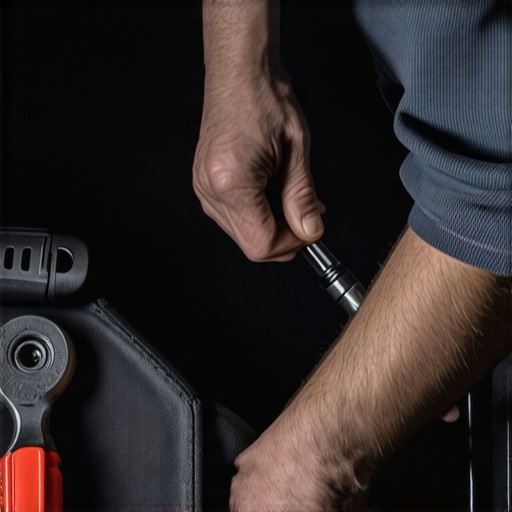
If you’ve ever reached for your gear shift, only to find it wobbly or unresponsive, you know that frustrating feeling all too well. I remember one morning, fumbling with my car’s shifter, feeling it wiggle excessively each time I tried to change gears. That moment of annoyance turned into a lightbulb realization: my transmission’s little secret was loose components that needed tightening. It was a small fix that made a big difference.
Why Fixing a Loose Shift Lever Should Be Your Top Priority
Dealing with a loose or floppy shift lever isn’t just about convenience; it’s about safety and longevity. When your gear shifter isn’t sturdy, it may be signaling underlying issues in your transmission linkage or shift assembly. Over time, ignoring this problem can lead to costly repairs or even dangerous situations on the road. Plus, a solid, responsive shifter gives you confidence every time you hit the gear, making driving smoother and safer. If you’re like me, you want your vehicle to perform reliably without breaking the bank.
Is a Loose Shifter Really Worth Worrying About
It’s natural to wonder whether this is a minor annoyance or something that could escalate into a bigger problem. I’ve been there—initially dismissing my wiggle as normal. But I quickly learned that even small looseness can be a sign of worn bushings or loose bolts, which might eventually affect your transmission’s performance. Early repairs save money and prevent breakdowns, just like how regular tune-ups can maximize your car’s lifespan—more on that here.
In fact, neglecting even minor issues can lead to more severe damage, which could cost you hundreds or even thousands. According to automotive experts, simple problems like these are often overlooked until they cause significant breakdowns—so don’t underestimate the power of a tight shifter.
Now, let’s roll up our sleeves. I’ll walk you through the steps I took to fix mine, along with tips to avoid common mistakes. Trust me, this isn’t just DIY bravado—it’s practical, real-world advice to keep your drive smooth, safe, and enjoyable!
Gather the Necessary Tools and Prepare Your Vehicle
Before diving into the repair, ensure your car is parked on a flat surface with the parking brake engaged. You’ll need basic tools like a socket set, screwdrivers, and possibly pliers. Wearing gloves can protect your hands and improve grip. I recall a time when I underestimated this step—searching for tools while my car’s engine was still warm—and it led to unnecessary delays. Proper preparation makes the process smoother and reduces stress.
Access the Gear Shift Assembly
Start by removing the gear shift console or boot. Usually, this involves unscrewing or unclipping panels. Use a flathead screwdriver to gently pry off plastic clips—be cautious to avoid cracking the trim. Once exposed, inspect for loose bolts or worn bushings. For example, during my repair, I found a bolt had vibrated loose, causing the wobble. Securing or replacing it immediately restored a firm feel to my shifter.
Identify and Tighten Loose Components
Locate the linkages, bushings, and mounting points connected to the shifter. Use your socket set to tighten any loose bolts—thread locker can prevent future loosening. Worn bushings can cause play; if found, replace them with shouldered or rubber bushings—these absorb vibrations and keep the shifter steady. Remember, bad bushings are like worn-out cushions—they can’t support properly, leading to wobbles. I replaced mine with aftermarket rubber bushings, which significantly improved responsiveness.
Replace Faulty Bushings or Mounts
If bushings are cracked or deformed, remove them by slipping them out of their housings. Apply a little lubricant—silicone spray works well—to facilitate installation of new parts. Fit the replacements snugly, ensuring they sit properly. After reassembly, test the shifter’s feel. My first attempt failed because I didn’t seat the bushings fully, resulting in continued looseness. Double-checking their placement prevented this issue.
Reassemble and Test the Fix
Put back the console or shift boot carefully, securing all clips and screws. Start your vehicle and test the shifter’s stability and responsiveness. Shift through all gears to ensure smooth operation. If wobbling persists, re-inspect bolt tightness and bushings. I remember once I missed tightening a clamp, which caused a minor wobble during my test drive. Fine-tuning these details ensures a professional and durable fix.
Prevent Future Looseness and Maintain Your Transmission
Regularly inspect your shifter components, especially if you drive on rough roads. Tighten bolts periodically and replace worn bushings proactively. This prevents issues from escalating into costly repairs, like transmission overhauls—learn how maintenance can save you money in the long run. Remember, keeping your transmission linkage tight is like maintaining the gears in a well-oiled machine—it ensures smooth operation and longevity.
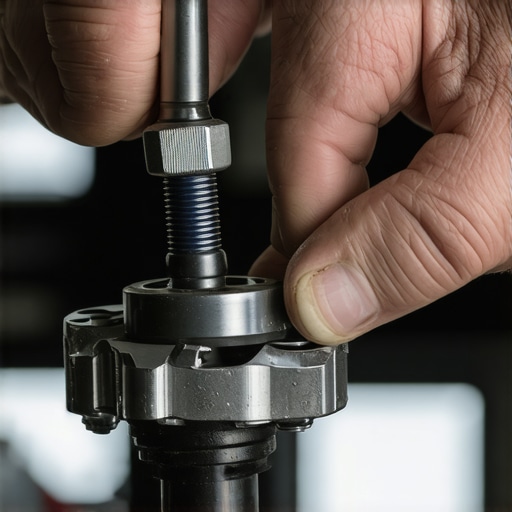
Many car owners fall prey to misconceptions about transmission systems, repair processes, and routine maintenance. These myths often lead to unnecessary repairs or overlooked issues, costing you time and money. Let’s dig deeper into some of these misconceptions and uncover the nuances that seasoned auto experts swear by.
Why Most People Overlook the Complexity of Transmission Maintenance
It’s common to think that transmission repairs are straightforward, but the reality is far more nuanced. For example, many believe that replacing the transmission fluid is a cure-all for shifting problems. While fluid change is essential, studies show that neglecting other components like the torque converter or solenoids can lead to recurrence of issues. Experts like those at collisionfixer emphasize a comprehensive approach for longevity. Assuming that a simple fluid top-up always suffices can be a costly mistake.
Another prevalent myth is that higher-mileage vehicles don’t require ongoing maintenance, which is false. Regular tune-ups, including inspecting transmission seals and filters, significantly extend transmission life. An advanced mistake many make is waiting until warning lights appear, but proactive inspection is part of expert care and can prevent catastrophic failures.
Common Mistakes in Auto Repair That Cost You More
One trap is rushing to a quick fix based on online advice instead of diagnosing the real problem. For example, pouring additive chemicals into your transmission might offer temporary relief but could worsen internal wear if the root cause isn’t addressed. Genuine repair requires professional diagnosis, often involving sensor testing or internal inspection—something a DIY fix can’t replicate.
Another pitfall is neglecting small issues that seem insignificant, like a minor wobble in the shifter or a slight delay in gear engagement. Over time, these small hints could signal deeper problems like worn bushings or failing solenoids. Ignoring them often leads to extensive repairs, including costly transmission overhauls. Check out how knowledge of overhaul benefits can influence decision-making.
Do Auto Service and Collision Repair Really Matter? Yes, More Than You Think
Many assume routine service is unnecessary until something breaks, but expert insights reveal that regular inspections can catch issues early—saving money and preventing breakdowns. For instance, regularly checking your radiator for signs of internal clogging or your brake system for uneven wear can preempt emergencies. CollisionFixer’s tips on proactive maintenance underline this point, advocating for scheduled check-ups rather than reactive repairs.
Be cautious of the misconception that all repair shops are equal; choosing a reputable auto technician ensures that diagnostics are accurate, parts are genuine, and repairs are durable. Visiting trustworthy specialists like CollisionFixer guarantees your vehicle receives care rooted in expertise, which, over the long term, saves you headaches and expenses.
Have you ever fallen into this trap? Let me know in the comments! Remember, understanding the subtle nuances of your vehicle’s system makes you a smarter car owner and can significantly prolong your car’s lifespan.

Prioritizing Proper Maintenance with the Right Equipment
Keeping your vehicle running smoothly over the years requires a commitment to regular care, and having the right tools makes all the difference. Personally, I rely on a high-quality digital torque wrench because it ensures bolts are tightened to manufacturer specs, preventing issues like loose transmission linkages that can lead to costly repairs. For example, during my last transmission service, I used a digital torque wrench calibrated for precise applications, which helped me avoid over-tightening sensitive components.
In addition, I use a USB diagnostic scanner compatible with my smartphone to monitor engine and transmission codes in real-time. This portable device allows me to catch potential problems early—like valve body issues or sensor failures—that could cause your transmission to overheat or shift erratically, as explained in this detailed guide. Investing in such diagnostics is invaluable for long-term maintenance.
Software Solutions for Effective Auto Care
Beyond physical tools, software plays a crucial role. I recommend OEM-specific scan tools for thorough diagnostics. These allow you to access manufacturer protocols and calibration data, thus avoiding diagnostic mistakes that could lead to unnecessary parts replacement. For example, when I noticed sluggish shifting, I used my OEM scan tool to read transmission codes directly, which pointed me to a failing solenoid rather than a major overhaul. As technology advances, integrating these digital diagnostics into your routine ensures you stay ahead of issues.
Strategies for Sustaining Transmission Health
Maintaining your transmission over time isn’t just about tools—it’s about effective techniques. Regularly check and replace transmission fluid based on your vehicle’s specific needs. Many owners overlook this vital step, resulting in overheating or internal wear. I’ve found that setting reminders for fluid changes—every 30,000 to 60,000 miles—helps me keep my transmission healthy. Additionally, inspecting shifter linkage bushings and ensuring tight connections prevent issues like wobbling or unintended gear engagement.
Looking Ahead: The Future of Auto Maintenance Tools
The trend is moving toward smarter, automated diagnostics with AI-powered systems capable of predicting failures before symptoms even appear. Imagine having a system that alerts you not just when your transmission is acting up but forecasts when parts are likely to fail, prompting proactive repairs. Staying updated with the latest tools can save you money and extend your vehicle’s lifespan significantly.
How do I maintain my transmission effectively over time?
The key is a combination of regular fluid changes, proactive inspections, and leveraging the latest diagnostic technology. For example, using a high-quality, digital scan tool combined with scheduled maintenance intervals can prevent issues like delayed shifts or overheating. Remember to refer to expert guides and manufacturer recommendations—like this tune-up guide—to keep your transmission in top shape.
For those eager to try an advanced tech tip, I suggest investing in a professional-grade diagnostic scanner. This will allow you to read and clear trouble codes, monitor live sensor data, and even perform actuation tests. Regular use of such tools can dramatically improve your ability to catch issues early and fix minor problems before they escalate into costly failures. Don’t wait until your transmission slips or overheats—act now to ensure longevity.

Modern tools revolutionize how we approach auto maintenance, making it more precise and accessible. Investing in these will pay off in smoother drives and fewer unexpected repairs. Have you tried advanced diagnostic software or specific tools? Share your experiences below!
The Hardest Lessons I Learned About keeping my transmission in top shape
One of my most eye-opening moments was realizing that ignoring small shifts in my car’s responsiveness could lead to major repairs down the line. Regular inspections and understanding the subtle signals your vehicle gives can save you thousands. Recognizing the importance of proactive maintenance over reactive fixes changed the way I approach car care.
Gear Up Your Knowledge with Tools and Trusted Sources
Investing in quality diagnostic tools, like an OEM-specific scan device, has been a game-changer. They offer insights deep enough to catch issues early, saving money and ensuring safety. I particularly trust resources like this guide on regular tune-ups and always consult expert tips before attempting repairs myself. Trusted sources illuminate the path between costly mistakes and confident auto care.
Ignite Your Drive with a Passion for Self-Repair
Taking charge of your vehicle’s maintenance can be empowering and economical. Whether it’s tightening bolts, replacing bushings, or simply understanding how your transmission works, these small actions build a foundation of confidence. Remember, successful auto repair isn’t about having all the tools but understanding when and how to use them—so get inspired to learn and take action today.
Ever struggled with identifying the exact cause of a shifting issue? Share your experience below, and let’s navigate the road to better car care together!