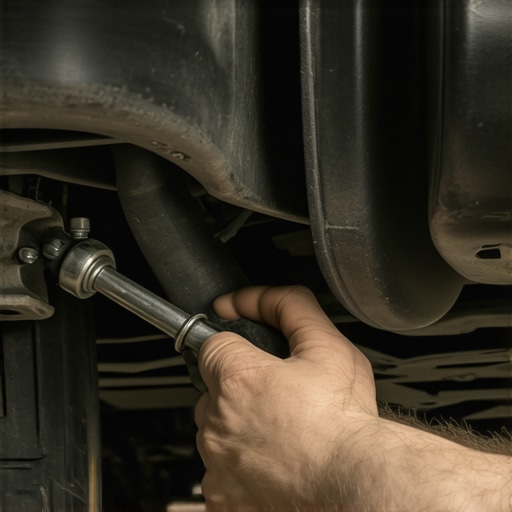
Imagine cruising down the road, feeling good about your ride, and suddenly a loud rattle breaks the tranquility—your exhaust making that annoying noise again. I remember the first time it happened to me; I thought it might be a major, expensive repair. Turns out, a simple fix costing less than ten dollars was all I needed. That lightbulb moment changed how I approach car repairs.
If your exhaust is rattling, you’re probably wondering if it’s worth fixing yourself or if it’s a sign of something serious. Spoiler: most of the time, a rattling exhaust isn’t a sign of catastrophe—just a small part coming loose. The good news? You can easily fix this with a few cheap parts and a little know-how. Today, I’ll share my personal experience and show you how to silence that annoying noise without emptying your wallet.
Why a Rattling Exhaust Messes with Your Day and Your Wallet
Let’s be honest—hearing that racket makes you dread starting the car. Besides the noise, a loose or damaged exhaust pipe can lead to more serious issues, like increased emissions or a drop in fuel efficiency. As I learned early on, ignoring a rattling exhaust can turn a minor annoyance into a costly repair.
The best part? Fixing it doesn’t have to be complicated or expensive. In fact, I fixed my own exhaust just last weekend, spending less than a five-dollar bill on a couple of simple parts. That’s the beauty of understanding basic auto repairs – it empowers you to save both time and money. Now, I watch for those small signs, instead of panicking at every noise.
This post is dedicated to folks who want to tackle this problem themselves. It’s a straightforward fix, and I’ll walk you through each step. If you’ve ever felt helpless seeing your car make strange noises, you’re in the right place.
But before we jump into the fix, I want to address a common fear:
Is Fixing a Rattling Exhaust Actually Worth the Hype?
Many folks worry that what seems like a minor issue might lead to major repairs. My early mistake was assuming that a rattle was just another noise, not a sign of something more serious. Turns out, most rattles are simple to fix and don’t require expensive parts—if you catch them early. In my experience, understanding what’s really happening under your car can save a ton of money and anxiety.
Now that we’ve covered why this matters, let’s get into the practical steps to quiet down that exhaust and breathe easier on the road.
Gather Your Tools and Parts
Before diving in, collect the essentials: a jack, jack stands, safety goggles, gloves, a set of wrenches, and replacement exhaust clamps or hangers if needed. I once tried fixing my exhaust without proper gloves, which made handling rusty parts tricky—always prioritize safety to avoid cuts and debris.
Locate the Rattle Source
Start your engine and listen closely to identify where the noise originates. Typically, loose hangers or a cracked pipe cause rattling. Once, I discovered the muffler’s rear hanger was completely detached, causing the entire exhaust to sway and rattle against the undercarriage—easy fix once pinpointed.
Lift the Vehicle Safely
Use the jack to lift your car and support it firmly on jack stands. Never rely solely on the jack; I learned this the hard way when a car shifted unexpectedly, risking injury. Make sure the vehicle is stable before crawling underneath.
Inspect and Secure Loose Parts
Check all exhaust mounts and hangers. If any are broken or corroded, replace them. For minor loose clamps, tighten them with a wrench. During my last repair, I replaced a rusted clamp with a new one, which instantly silenced the rattle—simple and effective.
Replace Damaged Hangers or Clamps
Remove the broken or rusted parts using a wrench or pliers. Install the new hangers or clamps, ensuring they’re tight and properly seated. I used a universal exhaust hanger kit and found it fit well on my model, saving a trip to the parts store.
Test Your Repair
Lower the vehicle carefully and start the engine. Listen for any remaining rattles. If noise persists, revisit the connection points or check for other loose components. The first time I fixed a rattling exhaust, I missed tightening a clamp, which caused the rattle to come back a week later—double-check everything before concluding.
Final Tips for Long-Term Peace
To prevent future issues, consider applying anti-rust spray on vulnerable parts and inspecting your exhaust regularly, especially after rough roads or winter driving. Regular maintenance can save you from costly repairs later, as I’ve experienced firsthand when neglecting these small checks.
For more tips on vehicle maintenance, visit maximize your car’s lifespan with tune-ups or consult professionals if you detect persistent issues.
Many car owners operate under misconceptions about auto repair, often leading to costly mistakes. One common myth is that all garages are the same, but in reality, the quality of service varies widely, and understanding the nuances can save you money and prevent unnecessary repairs. For instance, some believe that replacing parts preemptively extends vehicle lifespan, but overhauling components like the transmission prematurely can be an expensive mistake—it’s better to diagnose and address issues only when necessary, as explained in this detailed guide. Additionally, many think that a simple tune-up fixes all engine problems, but neglecting the specific symptoms can lead to overlooking critical issues such as worn-out sensors or internal leaks, which a professional inspection can reveal. Interestingly, some assume that regular maintenance isn’t essential for newer cars; however, routine check-ups early in the car’s life can prevent major breakdowns later. A hidden nuance often overlooked is the importance of diagnosing transmission problems accurately—many assume slipping gears are just wear and tear, but as experts warn, they could signal deeper issues like fluid leaks or overheating that demand immediate attention. Beware of the trap of trusting generic repair advice online; while tutorials can be helpful, consulting skilled technicians ensures that complex issues are correctly identified and fixed. Remember, rushing into repairs without understanding the specific condition can lead to unnecessary expenses or further damage. For example, a misdiagnosed engine misfire might be blamed solely on spark plugs, but could actually stem from a failing fuel injector or internal sensor malfunction. Keep in mind that the severity of repairs often depends on diagnostic accuracy, which is why professional inspection is invaluable. So, next time you face a car issue, dig deeper beyond the common myths. Know that investing in precise diagnosis rather than quick fixes pays off in the long run. Want to learn more about advanced auto repair considerations? Check out essential car service tips and stay informed.
Gear Up with Precision Tools for Auto Care
Maintaining your vehicle effectively hinges on using the right equipment. I personally swear by a high-quality digital torque wrench. It ensures critical components like lug nuts and transmission bolts are tightened to manufacturer specifications, preventing under-tightening that could lead to costly repairs. Unlike basic wrenches, a digital torque wrench provides exact measurements, saving you time and guesswork. For example, when replacing brake calipers, using this tool guarantees proper torque application, extending component life and safety.
Harnessing Software for Vehicle Diagnostics
Beyond physical tools, digital diagnostic scanners like the Autel MaxiCOM have revolutionized DIY auto maintenance. I use mine to read and clear OBD-II codes swiftly, pinpointing issues like transmission overheating or sensor failures early. Modern scanners often interface with your smartphone, offering real-time data analysis. This proactive approach allows me to schedule maintenance before small problems evolve into expensive repairs, aligning with the trend towards smart vehicle maintenance.
Adopting Effective Maintenance Methods
Routine checks are fundamental. I recommend implementing a monthly inspection routine of key components: belts, hoses, brakes, and fluid levels. For long-term reliability, keep a log of these inspections and any minor repairs performed. This habit makes it easier to recognize wear patterns and address issues promptly, as I did when noticing a slow drip from my transmission pan—preventing a potential leak that could have caused severe damage.
Recommended Tools for Long-Term Success
Investing in quality lubricant testers, like a refractometer for oil, ensures you always use the optimal oil quality. Additionally, having a magnetic pick-up tool helps retrieve dropped bolts or nuts from tight engine spaces without frustration. Over time, these small investments in precise tools save big bucks by extending your vehicle’s lifespan.
Looking Ahead: Future of Auto Maintenance
As vehicle technology advances, expect a surge in AI-powered diagnostic systems and remote software updates. Electric vehicles (EVs) are shifting maintenance focus from engine repairs to software tuning and battery health monitoring. Staying updated with these innovations will empower DIY enthusiasts and professionals alike to keep vehicles running smoothly long into the future.
How can I maintain my car’s performance over time?
Consistent use of quality tools like digital torque wrenches and diagnostic scanners is crucial. Regularly performing preventive maintenance, including fluid checks and part inspections, ensures your vehicle remains reliable. For expert guidance, visiting maximize your car’s lifespan with routine tune-ups can provide additional tailored strategies. For those eager to elevate their skills, I recommend trying out a dynamic diagnostics app and recording your findings—it’s a game-changer in preventive care. Keep your tools clean, calibrated, and organized to streamline each repair session and guarantee safety and efficiency.
3 Lessons I Didn’t Expect to Learn About Auto Repair
- Sometimes, the simplest fix is the most rewarding—replacing a rusty clamp saved me hundreds and taught me to trust my instincts instead of panicking at every noise.
- Listening carefully to your car isn’t just about identifying rattles—it’s about understanding your vehicle’s story and building confidence in your ability to maintain it long-term.
- Regular inspections and small repairs, like timely exhaust fixes, are investments that preserve your car’s health and your peace of mind, proving that prevention truly saves money.
My Favorite Tools for DIY Car Hacks
- A quality digital torque wrench keeps every bolt at the right tightness, preventing future headaches and ensuring safety.
- The Autel MaxiCOM scanner became my diagnostic buddy, helping me spot issues early before they turn into costly repairs.
- Keeping a magnetic pick-up tool in my toolbox saves me from crawling under the car for lost bolts, making repairs quicker and less frustrating.
Keep Your Engine Running Smoothly—It’s Easier Than You Think
Every time I tackle a small repair like fixing a rattling exhaust, I gain more confidence and a better understanding of my vehicle. Remember, you don’t need to be a mechanic—just have patience, the right tools, and a willingness to learn. Your car is a partner in your journey, so treat it with care, stay proactive with maintenance, and don’t shy away from fixing minor issues before they become big problems. Ready to take control of your auto care? Share your experiences below—what’s been your biggest DIY triumph or lesson learned on the road to keeping your car in top shape? Feel free to explore more expert tips at maximize your car’s lifespan with tune-ups.