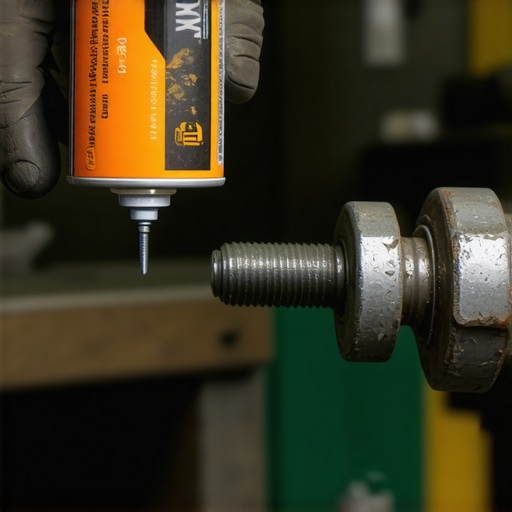
I vividly remember the moment I first tried to loosen a stubborn bolt under the car and heard that dreaded snap. instant dread washed over me—there went hours of work, and now I was facing a hefty repair bill. If you’ve ever felt that sinking feeling after hearing a bolt break, you know exactly what I mean. But here’s the good news: after years of tinkering and learning from my mistakes, I discovered trusted techniques that can save you from that frustration.
The Secret to Removing a Stuck Bolt Without Snapping the Head
Have you ever been stuck in that frustrating loop where a bolt refuses to budge, despite all your might, only to snap or strip? It’s a common scenario in auto repair, especially when dealing with rusted or over-torqued fasteners. I promise, there’s a way to get that stubborn bolt out safely, and today, I’ll show you the proven methods I rely on. We’ll walk through practical tips and tricks to make your job easier and safer, and I’ll share insights from my own lessons learned along the way. If you’ve ever faced this problem, keep reading—you’re not alone, and help is on the way.
Is Using Penetrating Oil Just a Waste of Time?
At first, I thought pouring WD-40 or penetrating lubricant was a no-brainer, but I soon learned that rushing that step often leads to more frustration. The real trick is patience—letting the oil seep into all the tiny crevices for at least 15-20 minutes, ideally longer. Trust me, this simple step can make a world of difference, and skipping it is a mistake I made early on. For a more effective approach, I recommend [applying a good penetrating oil](https://collisionfixer.com/essential-car-service-tips-for-safe-summer-drives) generously and giving it time to do its magic. This helps loosen rust and corrosion without the risk of snapping your bolt.
Remember, rushing to force the bolt out without proper preparation can lead to irreversible damage. So, whether you’re dealing with a hidden bolt behind a panel or a rusted exterior fastener, patience combined with the right tools will serve you best. Now, let’s dive into some tried-and-true techniques that can help you safely remove that stubborn bolt and save you a headache later on.
Applying Heat to Loosen Rusted Bolts
One of my first successful recoveries involved heating a stubborn exhaust bolt that refused to budge. Using a propane torch, I carefully heated the bolt for about 30 seconds, much like warming up a stubborn screw before trying to unscrew it. The metal expands slightly, breaking the rust’s grip. I recommend using a butane or propane torch to avoid damage to surrounding components. After heating, immediately apply penetrating oil and use locking pliers to turn the bolt slowly. This technique mimics how you’d warm up a tough engine part to make it more pliable, saving you from snapping the bolt. Remember, safety first—wear gloves and eye protection when applying heat. This step requires patience, but it’s often the game-changer in freeing seized fasteners.
Torque and Tapping Techniques for Gentle Extraction
Sometimes, heating isn’t enough. I faced a rear suspension bolt that was frozen solid from rust. I used a brass punch and a hammer to gently tap around the head, which helps to loosen the rust and create micro-movements. Think of it like loosening a stuck lid; gentle tapping helps break the bond without damaging the bolt. Then, attach a breaker bar with steady, controlled pressure, aiming to turn the bolt counter-clockwise. Using a long pipe extension on the breaker bar increases torque but keeps control, preventing sudden slips and breaks. This method is akin to how automotive professionals ‘shock’ a bolt loose—it’s a calculated, forceful persuasion that often works when simple hand tools fail. Patience and controlled force are key here—rushing leads to snapped bolts, turning your repair into a prolonged headache.
Use of Extractors and Specialized Tools
If the bolt’s head is already stripped or rounded, pliers won’t cut it. I once salvaged a wheel hub bolt that was completely rounded off by using an External Bolt Extractor. These tools grip the bolt tightly when turned, providing a solid hold. To use, select the right size extractor, insert it into the bolt head, and turn counter-clockwise slowly—much like unscrewing a stubborn screw with a screw extractor bit. When initial gripping is hard, apply penetrating oil again and give it a few minutes to soak. This method is comparable to a dentist removing a stubborn tooth—precision and proper tools make all the difference. Be cautious: applying too much force can strip the extractor or damage the surrounding threads. If you encounter this, don’t force it—consider consulting a professional to avoid costly repairs later. Using extractors saves time and prevents further damage, making them invaluable for stubborn bolts.Many car owners believe that routine maintenance is just a matter of ticking boxes—changing oil, replacing filters, and maybe checking tire pressure. However, this simplistic view often leads to misconceptions about what truly keeps a vehicle running smoothly for years. Let’s dig deeper into some common myths and advanced nuances that can make or break your auto repair experience.
One widespread myth is that a basic tune-up can fix everything and extend the life of your car indefinitely. In reality, a tune-up is just one part of a comprehensive maintenance plan. Proper diagnostics are crucial—using advanced scanner tools and understanding the signs of complex issues like transmission slipping or cooling system failures can prevent costly failures down the line. Not every problem is solved by replacing spark plugs or air filters; sometimes, deeper issues such as transmission wear or coolant system corrosion need expert attention. For insights on maximizing your vehicle’s lifespan, visit [here](https://collisionfixer.com/maximize-your-cars-lifespan-with-regular-tune-ups).
Why do many car owners overlook transmission care, and is it a mistake?
Transmission health is often neglected until a serious failure occurs, yet it’s one of the most critical aspects for vehicle longevity and safety. Unlike engine oil changes, automatic transmissions require specific fluid checks and, occasionally, flushes—failures in this area can lead to expensive repairs or replacements. A common trap is assuming that ‘if it shifts smoothly, it’s fine.’ However, subtle signs like delayed gear engagement or strange noises can indicate underlying issues. Remember, transmission issues can sometimes mimic simple problems but are far more costly if ignored. Regularly consulting a professional for transmission diagnostics can save money and frustration. For detailed advice, see [here](https://collisionfixer.com/how-transmission-overhauls-save-you-money-in-the-long-run).
Car service isn’t just about appearance or superficial checks—it’s about proactive health monitoring. For example, many overlook the importance of inspecting cooling systems for internally clogged radiators or checking for hidden leaks that can cause overheating. These nuanced issues are often invisible without specialized tools and experience. If you hear odd sounds or notice temperature anomalies, it’s time for an expert inspection. Ignoring these signs can lead to engine failure, which could have been avoided with early intervention.
Another critical area is collision repairs. Many mistakenly think that a quick repaint or superficial fix restores safety, but modern collision repair demands precise frame alignment, corrosion treatment, and sometimes component replacements. Using subpar parts or neglecting proper procedures can compromise safety and vehicle longevity. Always choose shops that prioritize quality and transparency—learn more about your rights and options on [our policies](https://collisionfixer.com/privacy-policy).
Finally, a common mistake is trusting quick fixes or generic advice over professional diagnostics. Modern vehicles are complex machines, with interconnected systems that require nuanced understanding. For instance, misdiagnosing an engine misfire as simple spark plug wear might mask deeper electrical or fuel system issues. Relying on basic troubleshooting can lead to increased costs and vehicle downtime. Embrace expert diagnostic procedures—it’s an investment in your vehicle’s health.
Have you ever fallen into this trap? Let me know in the comments, and share your experiences with overlooked nuances in auto repair.
Investing in Reliable Tools for Longevity
Personally, I rely on a high-quality digital torque wrench for critical fasteners like head bolts and transmission components. Unlike analog versions, digital torque wrenches provide precise readings, preventing over-tightening that can cause damage or under-tightening leading to unsafe conditions. My go-to model is the CDI 2503, renowned for its accuracy and durability. Additionally, I use a set of combination impact sockets that resist rounding off and withstand torque spikes during stubborn bolt removal. For diagnostics, I recommend a Bluetooth-enabled OBD-II scanner like the BlueDriver, which seamlessly connects with my smartphone. This integration allows real-time data monitoring and helps catch issues early, saving significant repair costs. In the future, I predict advanced diagnostic tools will incorporate AI to predict emerging issues, allowing preventive maintenance before symptoms appear.
How do I maintain my tools over time?
Regular calibration ensures your torque wrench maintains its accuracy; you should calibrate it every year or after about 5,000 uses. Keep your impact sockets clean and free of rust by wiping them down after each use, storing them in a dry place. For electronic diagnostics, update your scanner software periodically to stay compatible with vehicle firmware updates. Proper storage, such as hanging tools on a pegboard and using protective cases, prevents damage and prolongs their lifespan. Remember, well-maintained tools not only last longer but also ensure safety and precision during repairs. To explore more about extending your tool’s lifespan, visit this article.
Routine Checks That Save Big in the Long Run
Consistent inspection of transmission fluid levels using a dedicated dipstick or scanner reading can prevent catastrophic failures. A low or contaminated transmission fluid can lead to overheating and gear slippage. I recommend checking fluid levels monthly and replacing the fluid according to manufacturer guidelines, typically every 30,000 to 60,000 miles. For added peace of mind, using a transmission fluid test kit helps determine if the fluid needs changing before symptoms escalate. In addition, keeping an eye on coolant levels and coolant condition prevents overheating and engine damage. Regularly inspecting belts and hoses for signs of wear ensures the entire drive system remains healthy, minimizing unexpected breakdowns and costly repairs. Want to dive deeper? Read about how transmission overhauls can save you money in the long term.
Scaling Your Maintenance Efforts Effectively
As your vehicle ages or if you manage a fleet, automation becomes essential. Telemetry systems can monitor vehicle health remotely, alerting you to issues like fluid leaks or sensor malfunctions before they become serious. For individual car owners, smartphone apps linked to diagnostic tools provide continuous updates, enabling timely interventions. Investing in diagnostic software with predictive maintenance capabilities allows me to schedule repairs proactively, avoiding downtime. When scaling, consider partnering with professional auto repair software like RepairLink, which streamlines parts ordering and service tracking, reducing turnaround times. The trend toward integrated vehicle health management will only grow, making it easier to keep multiple vehicles in prime condition without constant manual checks. Explore how modern tools can transform your maintenance routine—try integrating a Bluetooth scan tool with your phone to get real-time data on your next service.
The Hard Lessons That Changed My Approach to Car Care
One of the most valuable insights I gained is recognizing when to call in a professional. Early in my hobby, I attempted complex repairs that ultimately resulted in more damage—and a bigger bill. Now, I understand that knowing your limits and seeking expert help when necessary can save time, money, and frustration. This lesson reinforced the importance of continuous learning and humility in auto repair, reminding me that sometimes, the best move is to trust the specialists.
Tools and Resources That Transformed My Repair Routine
Investing in reliable, quality tools has paid dividends. I swear by my digital torque wrench to prevent over-tightening, and a good OBD-II scanner helps me catch issues early before they escalate. Pairing these tools with trusted resources like expert maintenance tips and reputable repair guides has elevated my confidence. These essentials make the repair process smoother, safer, and more precise, turning a stressful task into a manageable project.
Embracing a Mindset of Preventive Action
The most profound shift in my approach has been adopting preventive maintenance as a daily habit. Regularly checking fluid levels, inspecting belts, and paying attention to subtle warning signs extends vehicle life and avoids costly breakdowns. This proactive stance fosters a sense of control and peace of mind. Remember, your vehicle is a machine that rewards careful attention—acting early on small issues keeps you confidently on the road and prevents minor problems from becoming major emergencies.
Unlocking Confidence in Your Car Care Journey
Every repair scare and success has built my confidence, proving that patience, knowledge, and the right tools are your best allies. Whether you’re tackling a stubborn bolt or planning routine maintenance, remember that each challenge is an opportunity to learn and improve. You don’t have to be an expert to care for your vehicle—just stay curious, resourceful, and willing to seek help when needed. With dedication and the right mindset, you can keep your car running smoothly for years to come.
What’s Your Next Step Towards Better Car Care?
Have you experienced a repair that taught you a valuable lesson? Or are you ready to try a new maintenance habit? Share your story below, and let’s learn from each other’s journeys to keep our vehicles running at their best!