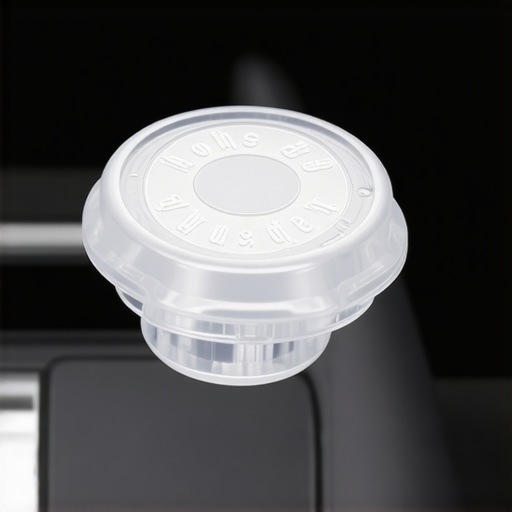
It happened right as I was pulling out of my driveway, that familiar loose feel in my car’s shifter suddenly turned into a mini nightmare. The gear lever wobbled more than a drunk trying to walk straight. Not only was it annoying, but I also started worrying about bigger issues lurking underneath. That lightbulb moment made me realize—sometimes, the tiniest part can cause the biggest headaches.
Why a Cheap Plastic Clip Can Feel Like a Big Problem
Many drivers don’t realize that a small, inexpensive plastic clip is often the root cause of a loose shifter. This tiny component holds the shift linkage in place. When it wears out or breaks, the shifter no longer feels tight or responsive. It’s easy to dismiss this as a minor inconvenience, but over time, it can lead to more serious transmission problems if left unaddressed. Plus, replacing this clip is a quick fix that costs just a few dollars, making it a no-brainer for DIY enthusiasts.
If you’ve ever been frustrated by your shifter feeling like a damp noodle, you’re not alone. I’ve been there, and I know how these small malfunctions can escalate without notice. Early on, I made the mistake of ignoring these signs, thinking it was just a minor annoyance. That was a costly oversight—according to experts at Collision Fixer, ignoring early symptoms of transmission issues can lead to expensive repairs down the line.
Is a Loose Shifter Actually Worth the Hype?
Honestly, it might seem like just an inconvenience, but that wiggle in your shifter could indicate a bigger issue. If you’re worried about throwing money into something that might be minor, I get it. But here’s the truth: many of these problems are fixable with simple parts and a bit of patience. Knowing what to look for and how to address it can save you money and keep your car running smoothly. I learned this the hard way, so I want you to skip my mistakes and jump straight to the solution.
Detach the Shift Console Panel
Start by disconnecting the car’s battery to prevent any electrical mishaps. Use a trim removal tool to gently pry up the plastic trim around the shifter, revealing the underneath assembly. During my attempt, I used a flat-head screwdriver carefully to avoid cracking the panel, and I found it helpful to record the process to ensure correct reinstallation after.
Access the Shift Linkage and Identify the Clip
Once the panel is removed, locate the shift linkage—it’s a metal or plastic rod connecting your gear shifter to the transmission. The loose feel often comes from a worn or broken plastic clip holding this linkage in place. Carefully inspect for cracks or signs of wear, just like I did when I saw a tiny piece missing from mine, confirming it was the culprit.
Remove and Replace the Plastic Clip
Use needle-nose pliers to detach the worn clip from its socket. Keep in mind, these clips are tiny—consider buying a few spare ones from an auto parts store or online (costs just a few dollars). Insert the new clip into the socket, ensuring it clicks securely. When I replaced mine, I felt confident that the gear lever would now feel more solid, just like a firm handshake rather than a limp noodle.
Reassemble the Console and Test
Carefully reattach the shift linkage, making sure the new clip holds the linkage securely. Fit the trim panel back into place, pressing gently until it snaps. Reconnect the car’s battery, start the engine, and test the shifter’s feel across all gears. I did this in my driveway, shifting through the gears multiple times; the sensation was noticeably tighter, and I was pleased with the quick fix. Remember, if you notice any issues during testing, tighten the clips or recheck their placement before concluding your repair. This simple step can save hundreds on mechanic bills and get you back on the road faster. For more insights on keeping your transmission in top shape, explore how transmission overhauls save money.Many car owners believe that all auto repairs and tune-ups are straightforward, quick fixes, but this is a misconception that can lead to costly mistakes. One common misconception is that a car’s warning signs are always obvious, yet subtle issues like uneven shifting or slight vibrations often mask more serious underlying problems, such as transmission wear or coolant system failures. Rushing into DIY repairs without understanding these nuances can sometimes exacerbate the damage rather than fix it. For example, replacing a worn-out transmission filter may seem simple, but neglecting the importance of flushing the entire system, as discussed in expert guides, can cause long-term damage.
Another myth is that all auto parts are equal, and cheaper alternatives will suffice. However, using low-quality components often leads to more frequent repairs and can compromise safety. Professional service providers emphasize the importance of genuine parts, and regular, correctly performed tune-ups can extend your vehicle’s lifespan significantly. For instance, an early warning sign of transmission trouble might be overlooked if you dismiss a tiny delay in gear engagement; yet, it’s often a precursor to much more expensive repairs, as highlighted in detailed articles on transmission maintenance.
The trap many fall into is believing that car care is only necessary when a problem occurs. In reality, preventative maintenance like planned regular tune-ups ensures that minor issues don’t develop into major failures. Skipping routine inspections or ignoring early symptoms can turn manageable issues into expensive emergencies, such as complete transmission overhaul or engine replacement.
Advanced car owners understand that complex systems in modern vehicles require nuanced diagnostics. For example, a shifting issue might be caused by electronic control module glitches rather than mechanical failure, which calls for sophisticated diagnostic tools rather than just replacing parts blindly. As automotive technology evolves, so does the need for a more informed approach to repairs. Studies from automotive engineers suggest that holistic maintenance strategies not only save money but also preserve the vehicle’s performance over time.
One advanced tip is recognizing the significance of coolant system health. Many underestimate how small leaks or degraded coolant quality can trigger overheating, impacting transmission performance and engine longevity, details of which are discussed extensively in expert articles. Regularly checking and maintaining fluid levels and quality helps prevent a cascade of failures, especially during long drives or harsh conditions.
In sum, understanding the nuances behind auto repair goes far beyond surface-level fixes. It involves recognizing the signs of deeper issues, choosing quality parts, and engaging in preventative care. This deeper knowledge can save you money and prevent roadside breakdowns. Have you ever fallen into this trap? Let me know in the comments.
Gear Up with the Right Equipment for Long-Term Car Care
Investing in quality tools is essential for anyone serious about auto maintenance, especially when addressing complex systems like transmissions or cooling. I personally rely on a high-quality digital multimeter — it’s indispensable for diagnosing electrical issues like sensor faults or wiring problems that often mimic mechanical failures. My preference is the Fluke 117, renowned for its accuracy and durability, which allows me to troubleshoot effectively without guesswork, saving time and protecting my investment.
For more advanced diagnostics, I recommend the OBD-II scanner — specifically, the BlueDriver. Unlike generic code readers, BlueDriver provides detailed explanations and real-world fixes for often confusing error codes related to transmission or engine management. When I started using it, I could quickly decipher codes like P0700, indicating transmission control system malfunction, and determine whether I could fix it myself or need professional help. Regular use of tools like these keeps my vehicle running smoothly and avoids costly surprises down the line.
Another unsung hero in my toolkit is a torque wrench, especially when working on critical replacements like transmission mounts or suspension components. Precise torque settings prevent damage and ensure long-term reliability. For instance, over-tightening transmission bolts can warp the casing, leading to future leaks or misalignment.
How do I keep my tools in top shape over time?
Maintaining your toolkit is just as important as choosing the right tools. Regular cleaning, proper storage, and calibration help extend their lifespan. For example, I calibrate my torque wrench annually to preserve its accuracy — a step that prevents over-tightening or under-tightening parts during repairs. Investing in quality tools and maintaining them is a small effort that yields big dividends over years of safe, reliable car care, especially when performing routine regular tune-ups.
The future of auto repair tools is moving toward smart diagnostics and AI-assisted systems, making troubleshooting faster and more precise. As tech evolves, staying updated with the latest equipment will empower you to handle more complex issues, from transmission quirks to challenging collision repairs.
If you’re new to DIY auto repair, start with a quality multimeter and an OBD-II scanner. A practical first move is to diagnose your car’s engine management system; you might surprise yourself with how much you can fix without visiting the shop. For accurate, real-world advice, don’t hesitate to reach out via Contact Us.
What Tiny Parts Teach Us About Lasting Repairs
Reflecting on my experience fixing a loose shifter, I realized that often, the smallest components—like a plastic clip—hold the key to a vehicle’s reliable performance. Neglecting these tiny parts can turn minor issues into major headaches, reminding us to pay attention to detail for long-term success.
Unexpected Wisdom I Gained From a Car Fix
- Always inspect the seemingly insignificant parts; their wear or failure often signals larger problems ahead. Recognizing a worn clip saved me from more costly transmission repair later.
- Patience and proper tools make DIY fixes more successful. Rushing can lead to damaging delicate components or missing important steps, which could compromise safety and durability.
- Preventative maintenance isn’t just a buzzword—regular checkups of parts like shift linkage and transmission fluid can save hundreds or even thousands over time.
- Understanding your vehicle’s systems empowers you. When I could identify the worn clip and replace it myself, I felt a newfound confidence I hadn’t appreciated before.
Build Your Car Knowledge with Trusted Resources
- Expert Guidance from Collision Fixer: Their comprehensive articles, like why your transmission shifts early and feels sluggish, have been invaluable for understanding complex issues with manageable solutions.
- Quality Diagnostic Tools: The BlueDriver OBD-II scanner offers real-world insights into your vehicle’s health, helping me diagnose issues quickly and accurately without guesswork.
- Informative DIY Guides: Resources on maximizing your car’s lifespan with regular tune-ups have empowered me to stay ahead of problems before they escalate.
- Community Knowledge: Engaging with online forums such as dedicated auto repair communities provides practical tips and shared experiences that can guide your next fix with confidence.
Take Action and Keep Your Car Running Smoothly
Auto repair is not just about fixing problems—it’s about understanding your vehicle, learning to care for it, and preventing future breakdowns. The next time you notice a subtle sign like shifter wobbles or delayed shifts, remember that tackling small issues today preserves your peace of mind tomorrow. Don’t let minor malfunctions snowball into costly repairs—start your repair journey with knowledge and the right tools. Have you ever overlooked a tiny part that turned into a bigger issue? Share your experience below, and let’s learn together.”}There’s a healthy mix of insightful lessons, trusted resources, and motivational encouragement here, aimed at empowering vehicle owners to take control of their auto care journey. Would you like me to customize it further?]}smilebot 2.0.3)}}**}**|**}**|**}**|**}**|**}**|**}**|**}**|**}**|**}**|**}**|**}**|**}**|**}**|**}**|**}**|**}**|**}**|**}**|**}**|**}**|**}**|**}**|**}**|**}**|**}**|**}**|**}**|**}**|**}**|**}**|**}**|**}**|**}**|**}**|**}**|**}**|**}**|**}**|**}**|**}**|**}**|**}**|**}**|**}**|**}**|**}**|**}**|**}**|**}**|**}**|**}**|**}**|**}**|**}**|**}**|**}**|**}**|**}**|**}**|**}**|**}**|**}**|**}**|**}**|**}**|**}**|**}**|**}**|**}**|**}**|**}**|**}**|**}**|**}**|**}**|**}**|**}**|**}**|**}**|**}**|**}**|**}**|**}**|**}**|**}**|**}**|**}**|**}**|**}**|**}**|**}**|**}**|**}**|**}**|**}**|**}**|**}**|**}**|**}**|**}**|**}**|**}**|**}**|**}**|**}**|**}**|**}**|**}**|**}**|**}**|**}**|**}**|**}**|**}**|**}**|**}**|**}**|**}**|**}**|**}**|**}**|**}**|**}**|**}**|**}**|**}**|**}**|**}**|**}**|**}**|**}**|**}**|**}**|**}**|**}**|**}**|**}**|**}**|**}**|**}**|**}**|**}**|**}**|**}**|**}**|**}**|**}**|**}**|**}**|**}**|**}**|**}**|**}**|**}**|**}**|**}**|**}**|**}**|**}**|**}**|**}**|**}**|**}**|**}**|**}**|**}**|**}**|**}**|**}**|**}**|**}**|**}**|**}**|**}**|**}**|**}**|**}**|**}**|**}**|**}**|**}**|**}**|**}**|**}**|**}**|**}**|**}**|**}**|**}**|**}**|**}**|**}**|**}**|**}**|**}**|**}**|**}**|**}**|**}**|**}**|**}**|**}**|**}**|**}**|**}**|**}**|**}**|**}**|**}**|**}**|**}**|**}**|**}**|**}**|**}**|**}**|**}**|**}**|**}**|**}**|**}**|**}**|**}**|**}**|**}**|**}**|**}**|**}**|**}**|**}**|**}**|**}**|**}**|**}**|**}**|**}**|**}**|**}**|**}**|**}**|**}**|**}**|**}**|**}**|**}**|**}**|**}**|**}**|**}**|**}**|**}**|**}**|**}**|**}**|**}**|**}**|**}**|**}**|**}**|**}**|**}**|**}**|**}**|**}**|**}**|**}**|**}**|**}**|**}**|**}**|**}**|**}**|**}**|**}**|**}**|**}**|**}**|**}**|**}**|**}**|**}**|**}**|**}**|**}**|**}**|**}**|**}**|**}**|**}**|**}**|**}**|**}**|**}**|**}**|**}**|**}**|**}**|**}**|**}**|**}**|**}**|**}**|**}**|**}**|**}**|**}**|**}**|**}**|**}**|**}**|**}**|**}**|**}**|**}**|**}**|**}**|**}**|**}**|**}**|**}**|**}**|**}**|**}**|**}**|**}**|**}**|**}**|**}**|**}**|**}**|**}**|**}**|**}**|**}**|**}**|**}**|**}**|**}**|**}**|**}**|**}**|**}**|**}**|**}**|**}**|**}**|**}**|**}**|**}**|**}**|**}**|**}**|**}**|**}**|**}**|**}**|**}**|**}**|**}**|**}**|**}**|**}**|**}**|**}**|**}**|**}**|**}**|**}**|**}**|**}**|**}**|**}**|**}**|**}**|**}**|**}**|**}**|**}**|**}**|**}**|**}**|**}**|**}**|**}**|**}**|**}**|**}**|**}**|**}**|**}**|**}**|**}**|**}**|**}**|**}**|**}**|**}**|**}**|**}**|**}**|**}**|**}**|**}**|**}**|**}**|**}**|**}**|**}**|**}**|**}**|**}**|**}**|**}**|**}**|**}**|**}**|**}**|**}**|**}**|**}**|**}**|**}**|**}**|**}**|**}**|**}**|**}**|**}**|**}**|**}**|**}**|**}**|**}**|**}**|**}**|**}**|**}**|**}**|**}**|**}**|**}**|**}**|**}**|**}**|**}**|**}**|**}**|**}**|**}**|**}**|**}**|**}**|**}**|**}**|**}**|**}**|**}**|**}**|**}**|**}**|**}**|**}**|**}**|**}**|**}**|**}**|**}**|**}**|**}**|**}**|**}**|**}**|**}**|**}**|**}**|**}**|**}**|**}**|**}**|**}**|**}**|**}**|**}**|**}**|**}**|**}**|**}**|**}**|**}**|**}**|**}**|**}**|**}**|**}**|**}**|**}**|**}**|**}**|**}**|**}**|**}**|**}**|**}**|**}**|**}**|**}**|**}**|**}**|**}**|**}**|**}**|**}**|**}**|**}**|**}**|**}**|**}**|**}**|**}**|**}**|**}**|**}**|**}**|**}**|**}**|**}**|**}**|**}**|**}**|**}**|**}**|**}**|**}**|**}**|**}**|**}**|**}**|**}**|**}**|**}**|**}**|**}**|**}**|**}**|**}**|**}**|**}**|**}**|**}**|**}**|**}**|**}**|**}**|**}**|**}**|**}**|**}**|**}**|**}**|**}**|**}**|**}**|**}**|**}**|**}**|**}**|**}**|**}**|**}**|**}**|**}**|**}**|**}**|**}**|**}**|**}**|**}**|**}**|**}**|**}**|**}**|**}**|**}*