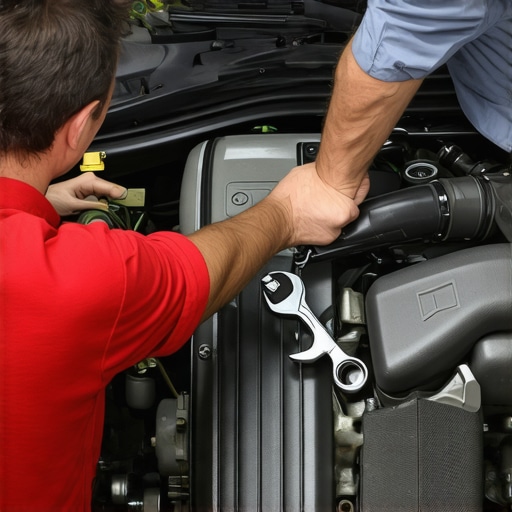
One morning, I fired up my car for a quick run to the store, only to be greeted by a high-pitched screech that seemed to pierce right through the engine bay. My first instinct was to panic—what now? It’s a noise that sneaks up on you, gradually worsening until it becomes impossible to ignore. That annoying squeal is more than just a nuisance; it’s often an early warning sign that something needs attention before it turns into a costly repair.
Why That Squealing Noise Matters More Than You Think
That shrill sound isn’t just an inconvenience—it could be a sign your vehicle’s vital components are under stress. Ignoring it can lead to more serious issues, like a broken belt or a slipping pulley, which might leave you stranded or facing a hefty bill. This is precisely why understanding the root cause and knowing how to fix it can save you both time and money.
Is The Fix Worth It—Or Should You Call a Pro?
Early on, I made the mistake of thinking I could ignore the squeal, hoping it’d go away. Spoiler alert: it didn’t. Instead, it worsened. Trust me, attempting DIY fixes without proper knowledge can sometimes turn a minor issue into a major repair. But with the right guidance, you can tackle many of these problems yourself, or at least know when it’s time to consult a professional. If you’re curious about other ways to keep your car in top shape, check out essential car service tips for safe summer drives. Our goal today is to help you identify and resolve that high-pitched squeal, so you can keep your vehicle running smoothly and quietly. Ready to get started? Let’s dive into the common culprits behind that irksome noise and how to fix them effectively.
Inspect the Belt System
Start by popping the hood and examining the serpentine belt. Look for signs of wear, cracks, or glazing—shiny spots that indicate slipping. I once tackled this on a rainy Saturday; I found a cracked belt and replaced it with a new one from the local auto parts store. This simple step often resolves squealing caused by a slipping belt. Remember, belts are like the veins of your engine—if they’re clogged or broken, the entire system suffers. For more tips on keeping your engine healthy, visit maximize your car’s lifespan with regular tune-ups.
Check and Adjust Belt Tension
If the belt looks fine, the next move is to test its tension. Use a belt tension gauge or press down with a finger—if it’s loose, it might be slipping and causing that squeal. In my experience, a belt that’s too loose can slip over pulleys and produce that annoying noise. Tighten or replace the tensioner pulley if needed. Think of the tensioner as the engine’s personal trainer—it keeps the belt snug. Be cautious: over-tightening can strain bearings, so follow your vehicle’s specifications. For detailed guidance, see diagnosing engine issues with essential tools.
Replace the Worn-Out Pulley or Tensioner
Sometimes, the culprit isn’t the belt but the pulley or tensioner itself. Listen for a squeal that persists even after adjusting the belt. If you notice wobbling or rough movement, the pulley needs replacement. I replaced a squeaking pulley in my driveway once—I used a simple socket set and a replacement part I ordered online. It was messy, but the noise disappeared instantly, proving the importance of inspecting components thoroughly. Pulleys are like the wheel bearings of the belt system—when they go bad, everything squeals. For guidance on common auto repairs, check how to fix a front-end issue.
Lubricate the Components
Although most pulleys and tensioners are sealed, some are greaseable. Apply a dab of high-temperature grease to any accessible pulleys or tensioners to reduce friction that causes squealing. Be sure not to over-lubricate, as excess can attract dirt. I did this on my old car, and it extended the life of the pulley significantly. Think of lubrication like exercise for your joints—keep them moving smoothly to prevent squeals. For more auto maintenance techniques, explore authentic tips for protecting your vehicle’s paint.
Test Drive and Recheck
After adjustments and replacements, start your vehicle and listen carefully. Take it for a short test drive, ideally around the neighborhood, to confirm the squeal is gone. If the noise persists, revisit the previous steps or consider consulting a professional. Remember, sometimes the squeal isn’t from the belt but other parts like the water pump or alternator pulleys. If you’d like to troubleshoot further, visit related auto repair advice.
Stay Ahead with Regular Maintenance
Prevent future squeals by scheduling routine inspections, especially before summer drives or long trips. Regularly check belts and pulleys as part of your vehicle maintenance plan. This proactive approach can save you from unexpected breakdowns and costly repairs. For comprehensive car care tips, see essential tips for safe summer drives.
Many car owners operate under misconceptions that can lead to costly mistakes. A common myth is that all auto repairs are straightforward, which isn’t true. Complex systems like transmissions demand a nuanced understanding that often goes beyond DIY fixes. Reviewing personal experiences and expert insights, such as those from transmission overhaul benefits, reveals that rushing into repairs without proper diagnostics can exacerbate issues.
Are Cheap Fixes Always Best? This Might Surprise You
One trap many fall into is opting for the cheapest repair options, assuming they are equivalent to professional service. The reality is that cutting corners can leave underlying problems unaddressed, leading to repeated failures. For example, replacing a bad sensor without inspecting related components might temporarily resolve a symptom but won’t fix the root cause. Investing in expert auto repair can save money long-term, as discussed in our comprehensive summer driving tips.
Another misconception is that routine tune-ups are redundant. In fact, they are critical for catching issues early. An expert approach involves understanding the subtle nuances, such as the importance of proper fuel mixture and electronic diagnostics, which often escape the untrained eye.
Specifically, many overlook the complexities involved in maintaining and repairing transmissions. For example, using the wrong transmission fluid can cause severe damage, emphasizing the need for expert guidance. As detailed in vacuum leak diagnostics, small oversights can lead to big problems.
Why Do My Car Repairs Keep Failing?
This is a question I hear often. Sometimes, frequent repair failures stem from neglecting the subtle signs of trouble, like irregular fluid levels or subtle noises. My advice? Regular monitoring and professional inspections. Good maintenance practices involve more than just topping off fluids; they include understanding system interdependencies, thus preventing future breakdowns. To explore this further, see signs your car needs immediate professional attention.
Ultimately, understanding the layered intricacies of auto systems helps avoid common pitfalls. Remember, attempting quick fixes without considering the broader context can turn minor issues into major expenses. The key lies in early diagnosis, using quality parts, and trusting expert knowledge. Want to learn more about optimizing your vehicle’s longevity? Check out tips to maximize your car’s lifespan. Have you ever fallen into this trap? Let me know in the comments.
Keep Your Car Running Smoothly: Tools I Trust
Maintaining a vehicle over time requires more than just knowing what needs fixing; it demands the right tools and a methodical approach. I personally rely on a combination of high-quality diagnostic software and specialized hand tools to diagnose and address issues efficiently. For instance, an OBD-II scanner is indispensable for quickly pinpointing engine trouble codes without the need for costly trips to a mechanic. I prefer the 20 essential tools for diagnosing engine problems because of its comprehensive range that covers everything from basic sensors to complex electronic modules.
Alongside diagnostic tools, a set of premium ratchets, sockets, and specialty screwdrivers allows me to perform most repairs with precision and minimal frustration. Investing in magnetic pick-up tools and extendable mirrors has also proven invaluable for inspecting hard-to-see components, especially when working in cramped engine bays. These tools not only make repairs more manageable but also help prevent mistakes that can lead to further damage or the need for more extensive repairs later.
Prioritize Software for Diagnostics and Maintenance
While physical tools are vital, software solutions play a critical role in modern auto maintenance. I use manufacturer-specific diagnostic software to access deeper system information and reset service indicators after completing repairs. This software helps ensure that components like transmission control modules or emission systems are correctly calibrated, preventing long-term issues. For example, proper calibration post-transmission overhaul can extend the service life and improve shifting smoothness. Check out how transmission overhauls can save you money by integrating correct software procedures into your maintenance routine.
Scaling Up for Consistent Results
As your skills and toolkit grow, it’s crucial to develop a structured maintenance schedule. Routine inspections, like checking belt tension or fluid levels, can be automated with digital reminders and data logging. For instance, I’ve set seasonal alerts to revisit critical components before summer or winter peaks, which can prevent breakdowns caused by neglect. Regular calibration of sensors and replacing worn components proactively will ensure your vehicle remains reliable over years, not months.
How do I maintain auto repair skills over time?
Staying sharp means embracing continual learning and investing in quality, specific tools. I recommend dedicating time to learn about emerging technologies like electric vehicle systems or advanced driver-assistance features, as the landscape is rapidly evolving. Joining online forums or subscribing to updates from trusted sources such as our privacy policy can keep you informed. Trying new techniques, like using a brake bleeding kit toDIY your brake system, not only improves your skills but also builds confidence for more complicated repairs. Remember, mastery comes from practicing with purpose and maintaining a keen eye on emerging tools that can make your maintenance routine more efficient and long-lasting.
The Hardest Lesson I Learned About auto repair,tune up,collisionfixer,car service,transmission
One of the most eye-opening experiences I faced was realizing that not every squeal or noise signals an easy fix. Sometimes, a seemingly simple belt replacement can uncover deeper issues like worn pulleys or misaligned tensioners. The key lesson? Patience and thorough inspection save time and money in the long run. Rushing repairs without understanding the system can lead to recurring problems that drain your resources.
3 Myths About auto repair,tune up,collisionfixer,car service,transmission That Held Me Back
- All repairs are DIY-friendly: I once believed I could handle every fix, but complex systems like transmissions demand professional expertise. Knowing my limits prevented costly mistakes.
- Cheap parts are just as good: Initially, I opted for budget parts, only to face frequent failures. Investing in quality components ensures durability and reliability.
- Routine maintenance isn’t necessary: Ignoring regular inspections led to avoidable breakdowns. Preventative care, like checking belts and fluid levels, extends your vehicle’s lifespan.
What Experts Won’t Tell You About auto repair,tune up,collisionfixer,car service,transmission
One insider tip is that embracing modern diagnostic tools can dramatically improve repair accuracy. Devices like OBD-II scanners and specialized software transform guesswork into precise troubleshooting. Trusting seasoned professionals who stay updated with technological advances ensures your car receives the best care. Remember, understanding the nuances of complex systems like transmissions not only saves you money but also keeps you safe on every drive.
Embrace the Journey: Keep Your Car Running Strong
Life is too short to be stranded by avoidable car troubles. The most valuable auto repair knowledge is not just about fixing problems but about recognizing early signs and acting proactively. By combining quality tools, continuous learning, and timely professional support, you’ll turn auto maintenance into a rewarding journey rather than a frustrating chore. Ready to take charge of your vehicle’s health? Let every repair be a step toward confidence and peace of mind.
What’s the biggest auto repair myth you’ve fallen for, and how did you overcome it? Share your experience below!