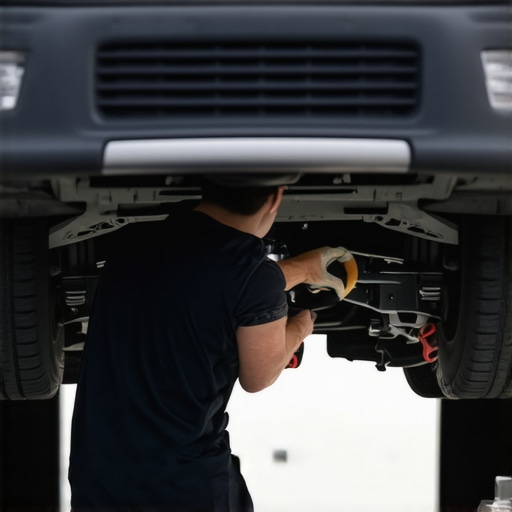
One rainy afternoon, I was cruising down the street when suddenly, a loud clunking noise erupted from the front of my car. My stomach sank. It sounded like my suspension was about to give out, and honestly, I felt a wave of panic. For a moment, I wondered if I was in for a costly repair or a tow to the mechanic. But then I remembered something—a lightbulb moment that changed everything.
Don’t Let a Noisy Front End Ruin Your Day
We all dread the unexpected auto issues, especially when they sneak up on us with a bang and a bang—literally. That front-end clunk is more than just a nuisance; it’s often a sign that something’s amiss beneath the hood or beneath the vehicle. I knew I wasn’t alone in facing this frustration, so I want to share how I tackled this issue without breaking the bank—and you can too.
Is DIY Fixing Really Worth the Hassle?
Early on, I made a crucial mistake—assuming that the repair would cost hundreds or require complex tools. Turns out, many common front-end noises are caused by minor, inexpensive parts. According to automotive experts, simple worn bushings or loose sway bar links are often the culprits, and replacing them can be done with just a few hand tools and a bit of patience (regular tune-ups). That realization gave me hope and set me on the path to a budget-friendly fix.
So, if you’ve ever found yourself cringing at the sound of every bump, don’t worry. I’ll guide you through my step-by-step process to silence that clunk and get your car back to smooth sailing—all for under $40. Ready to dive in? Let’s get to it.
Separate the Symptoms from the Causes
Once you’ve identified the noise as coming from the front of your vehicle, the next step is to pinpoint the exact source. During my own experience, I noticed that the clunk occurred when going over potholes or bumps. To diagnose, I slowly navigated over various road conditions, listening carefully, and noting when the sound intensified or disappeared. This method helped me narrow down whether the issue was with worn bushings, loose sway bar links, or other components.
Gather the Necessary Tools and Parts
For this task, you’ll need basic hand tools: a jack, jack stands, a socket set, a pry bar, and possibly a torque wrench. My first visit to the local auto parts store revealed that inexpensive replacement parts — like sway bar links and bushings — are often the culprits and can be bought for less than $20 each (regular tune-ups). Having these ready before starting ensures a smoother process and avoids multiple trips.
Lift and Secure the Vehicle
Park your car on a level surface, engage the parking brake, and place wheel chocks behind the tires. Use the jack to lift the vehicle at the manufacturer’s recommended lift points, then position jack stands securely underneath. During my repair, I used a hydraulic jack to elevate one side and placed a jack stand under the frame for safety. Always double-check stability before crawling under the car.
Inspect and Identify Worn Components
With the vehicle lifted, visually examine the suspension components. Look for cracked, torn, or visibly worn bushings, loose or broken sway bar links, or damaged ball joints. I found a cracked sway bar end link that was causing the knocking sound. Use a pry bar to test for excessive play—worn bushings or loose parts will often move more than they should, similar to how a loose bolt can make a rattling noise. This step is crucial; don’t just assume the problem, verify it carefully.
Remove and Replace Faulty Parts
Loosen and remove the affected components using socket wrenches. For sway bar links, I needed to hold the bushings with a wrench while loosing the nuts. When installing new parts, tighten the nuts to the manufacturer’s specifications — a step where a torque wrench can prevent under- or over-tightening. I found that tightening sway bar links too loose or too tight could cause further noise, so precision is key.
Test Drive and Verify Fix
After reassembling everything, lower the vehicle and remove the jack stands. Conduct a careful test drive over familiar bumps, listening for any remaining noise. During my trial run, the front-end noise was gone, and the smooth ride returned. If the clunk persists, re-examine your work or consider consulting a professional to ensure no underlying issues remain.
Keep Up with Regular Maintenance
Prevention is better than repair. Regularly inspecting and maintaining suspension components can prevent noisy issues from developing. I schedule routine check-ups and apply this DIY approach whenever I notice warning signs, saving money and extending my car’s lifespan. For comprehensive tips, explore car tune-up advice.
When to Call a Professional
While many front-end noises can be diagnosed and fixed at home, some issues—like damaged control arms or internal shocks—require specialized tools and knowledge. If at any point you’re unsure or uncomfortable, don’t hesitate to contact experts through professional auto repair services. Safety always comes first.
Even seasoned car owners often fall prey to misconceptions about vehicle service and repairs. One prevalent myth is that all auto repairs are expensive and complex, leading many to avoid regular tune-ups or professional diagnostics, which can actually cause more harm than good. In reality, many advanced issues—like subtle transmission problems or hidden ignition system faults—require a keen eye and specialized knowledge to diagnose accurately. Experts emphasize the importance of routine inspections and understanding the nuances of your vehicle’s symptoms, rather than relying solely on generic advice or assumptions (regular tune-ups).
Keep It Rolling: Essential Tools for DIY Auto Care
Maintaining your car over the long haul demands the right equipment. I swear by my digital torque wrench; it ensures precise tightening, which is crucial for components like transmission bolts where over-tightening can cause damage. Unlike traditional torque wrenches, digital models provide accurate readouts, reducing guesswork. Another must-have is a diagnostic scan tool—specifically, the OBD-II scanner. I use the BlueDriver because it seamlessly connects to my smartphone, giving detailed engine and transmission error reports. This immediacy allows me to catch issues early, like a misfiring ignition coil, before it turns into costly repairs, aligning with expert advice found at 20 essential diagnostic tools.
Beyond tools, I recommend investing in a good-quality pry bar. For adjusting stubborn suspension components during a regular tune-up, a reliable pry bar minimizes the risk of damage while providing leverage. Pair that with a magnetic LED worklight—especially useful in shaded engine bays—to improve visibility during inspections and repairs. These tools are not only cost-effective but also empower you to perform updates like replacing worn bushings or faulty sway bar links, extending your vehicle’s lifespan and ensuring safety.
What’s the Future of Car Maintenance technologies?
Looking ahead, I predict a rise in AI-driven diagnostic systems that will integrate with our onboard computers. Imagine a car that alerts you of impending issues via your smartphone, backed by machine learning algorithms that analyze patterns over time. This evolution will make maintenance more proactive, preventing breakdowns and costly repairs. As technology advances, embracing smart tools and software will become paramount, helping you stay ahead of issues like transmission overheating or engine misfires—just as I advise regularly for saving money and enhancing vehicle life.
How do I maintain my auto tools over time?
Proper tool maintenance is often overlooked but critical. I recommend cleaning and lubricating your tools after each use to prevent rust and ensure longevity. For electronic devices like diagnostic scanners, keep software updated through official apps or manufacturer portals, which can often improve diagnostics and fix bugs. Store your tools in a dedicated toolbox, away from moisture and extreme temperatures, much like you would protect delicate engine components. This practice guarantees that when you need to inspect or repair your vehicle, your equipment is reliable and accurate. Consistent upkeep of your tools minimizes errors during repairs and saves you money in the long run, especially when addressing complex issues like transmission overhauls. Try conducting a monthly check-up of your diagnostic software’s database—it’s a simple step that can reveal underlying problems before they escalate.
Lessons I Wish I Could Unlearn About Auto Repairs
- Thinking that every noise signifies expensive trouble was a misconception I held onto tightly. Learning to diagnose and fix basic suspension issues myself revealed that most problems are simpler—and cheaper—than I imagined.
- I underestimated the power of routine maintenance, believing it was a time-consuming hassle. Regular tune-ups, like those emphasized at regular tune-ups, saved my vehicle from major issues down the line.
- Trusting professional help blindly made me overlook small, DIY fixes that could have kept my car running smoothly. Empowering myself with proper tools and knowledge proved to be both rewarding and economical.
Tools and Resources That Elevated My Auto Care Game
- A reliable diagnostic scan tool changed the way I identify engine and transmission issues early, preventing costly repairs.
- Investing in a quality torque wrench ensured I tightened bolts to the right specs, protecting my suspension and drivetrain components.
- My magnetic LED worklight and pry bars made inspections safer and more precise, enabling me to perform repairs confidently at home.
Fuel Your Passion, Keep Your Car Smiling
Let’s face it—auto repair can feel intimidating, but with the right mindset and tools, it’s incredibly empowering. Don’t wait for that annoying clunk to become a costly crisis; start small today, learn as you go, and keep your vehicle in top shape. The future of auto maintenance is moving toward smarter, more proactive solutions—imagine predictive diagnostics that notify you before something breaks. Are you ready to embrace that future? Share your DIY stories or questions below and keep the wheels turning confidently.