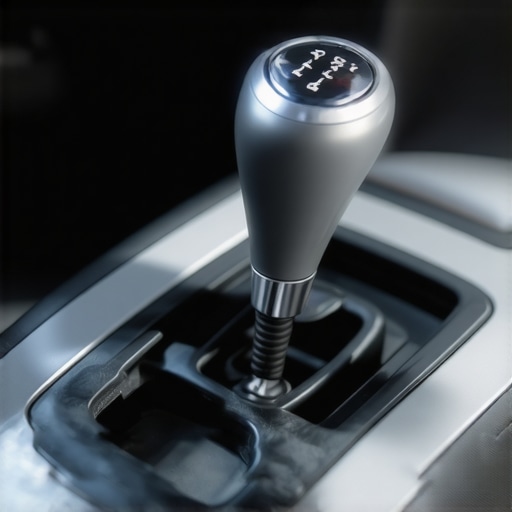
It was a typical weekday morning, and I was pulling out of my driveway when suddenly, my car jolted. Not a gentle shift, but a noticeable, almost jarring kick as I shifted into drive. I remember thinking, “Great, here we go—another costly repair on the horizon.” That moment hit me hard, especially because I knew that feeling all too well. It was my lightbulb moment, realizing how something seemingly small could hint at bigger issues lurking beneath the surface.
Getting to the Heart of Your Transmission Troubles
If your car kicks or jerks when shifting into drive, you’re not alone. I’ve been there, and I know how frustrating it can be—especially when you’re unsure whether it’s a minor glitch or a sign of something serious. The good news? You don’t have to be a mechanic to understand what’s going on or to start troubleshooting. Today, I’m going to walk you through how to identify the root causes of this problem and, more importantly, how to address it before it turns into an expensive repair. Regular maintenance, like tune-ups, can make a significant difference in extending your transmission’s lifespan, and I recommend checking out this guide on tune-ups for more details.
Is Transmission Kicking Actually Worth the Worry?
Early on, I made the mistake of ignoring minor symptoms, thinking they’d go away. Spoiler: they didn’t. Ignoring early signs like hesitation or rough shifts can lead to costly repairs down the line. According to the Department of Energy, untreated transmission issues can significantly reduce your vehicle’s efficiency and safety. So, if you’ve experienced that unsettling jerk, it’s worth paying attention to—and taking action sooner rather than later.
Are you tired of that unwanted kick when you shift into drive? Stick around, because next, we’ll explore the common causes and simple steps to get your transmission back to smooth operation. And if you want to stay ahead of trouble, my advice is to check out this list of warning signs so you can spot issues early.
,
Check Your Transmission Fluid First
Start by inspecting your transmission fluid level and condition, as low or dirty fluid often causes shifting issues. Park on a level surface, locate the dipstick, and pull it out to examine the color and smell. If it’s dark, burnt smelling, or low, you’ll need to top it off or perform a fluid change. During my own experience, I once topped off old fluid, and that immediate fix improved my car’s shifting smoothness dramatically. For detailed guidance, visit this overview on transmission overhauls.”} ,{
Myth Busting: It’s Not Just About the Parts
Many believe that automobile maintenance is solely about replacing worn components, but in my experience, the real expert approach focuses on understanding underlying system interactions. For instance, a common misconception is that changing transmission fluid alone fixes shifting problems, yet neglecting related issues like sensor calibration or transmission cooler condition can lead to recurring troubles. This nuance is often overlooked, resulting in repeated repairs and increased costs. Recognizing these interconnected factors can save you significant money, as detailed in this insightful guide on transmission overhauls.
Watch Out for the Oops: Common Pitfalls in Car Care
One trap I see frequently is using aftermarket parts without considering compatibility. For example, installing a generic spark plug might seem cost-effective initially, but it could lead to misfires or poor fuel economy if it doesn’t meet the manufacturer’s specifications. Always verify that parts align with your vehicle’s requirements; otherwise, you’re just masking problems instead of resolving them. Additionally, neglecting regular tune-ups, which extend your vehicle’s lifespan, can accelerate wear and tear. To avoid this, I recommend following this comprehensive maintenance checklist.
Advanced Question: How Do Sensor Diagnostics Enhance Auto Repair Precision?
For seasoned enthusiasts, understanding the role of onboard diagnostics (OBD) sensors is crucial. These sensors provide real-time data that pinpoint specific issues, making repairs faster and more accurate. For example, a faulty transmission speed sensor might cause erratic shifts, but without proper diagnostics, a technician might replace the entire unit unnecessarily. High-resolution sensor data, backed by expert analysis, can determine whether a sensor merely needs cleaning or if it requires complete replacement. Research from automotive diagnostic experts highlights that leveraging sensor diagnostics reduces misdiagnoses, saving both time and money. Curious about optimizing your vehicle’s diagnostics? Check out this article on sensor troubleshooting for deeper insights.
Have you ever fallen into this trap? Let me know in the comments!
Gear Up for Long-Term Reliability with the Right Equipment
Maintaining your vehicle’s performance over time requires more than just intuition; it demands the right tools. Personally, I swear by a high-quality OBD-II scanner like the BlueDriver. This device connects seamlessly to my smartphone and provides real-time diagnostics, pinpointing issues before they escalate. Unlike generic scanners, BlueDriver offers manufacturer-specific code definitions, saving me time and guesswork. When paired with software like Autel MaxiCOM, I can perform comprehensive system tests and calibration, especially useful during complex transmission repairs or tuning.
For fluid maintenance, I rely on a digital transmission fluid tester. This tool helps me assess fluid quality and level precisely, avoiding the common mistake of blindly topping off or replacing fluid unnecessarily. Investing in these tools has paid off by extending my vehicle’s lifespan and preventing costly breakdowns, aligning with expert advice on regular tune-ups here.
How do I maintain my auto repair tools over time?
Proper care ensures your diagnostic gear stays accurate. Keep your OBD-II scanner protected in a padded case, avoid exposing it to extreme temperatures, and regularly update its firmware. Calibration of specialized tools, such as transmission analyzers, should be performed annually—most manufacturers provide software updates for this purpose. Consistent maintenance of your tools ensures reliable diagnostics, reducing the risk of misdiagnosis and unnecessary repairs.
Looking ahead, the industry is moving towards wireless diagnostic tools with cloud connectivity, enabling real-time data sharing with repair specialists worldwide. Embracing these advances will empower DIY enthusiasts and pros alike to catch issues early, saving both time and money. For instance, the shift to more sophisticated sensor diagnostics is outlined in expert reports like this analysis of modern automotive sensors.
If you’re serious about keeping your vehicle in top shape, I recommend trying out a diagnostic tool like the BlueDriver for your next tune-up or transmission check. It’s a game-changer in proactive car care!
What I Wish I Knew About Fixing My Car Back Then
- Patience Pays Off: I used to rush repairs, thinking speed meant savings. But taking the time to diagnose properly, especially with complex issues like transmission jerks, saved me from costly repeat repairs and stress.
- The Power of Regular Maintenance: Skipping tune-ups seemed harmless until I faced sudden shifting problems. Consistent checkups, like detailed tune-ups, are the true money-savers.
- Sensor Diagnostics Are a Game-Changer: Relying solely on visual inspections led me astray. Utilizing onboard diagnostics, as explained in sensor troubleshooting guides, helps pinpoint issues swiftly and accurately.
My Favorite Tools for Staying Ahead of Auto Problems
- OBD-II Scanners: Devices like BlueDriver have revolutionized how I approach car care. They provide real-time data, making troubleshooting precise and efficient—especially for transmission troubles.
- Digital Fluid Testers: Knowing the exact condition of my transmission fluid prevents guesswork. These tools are invaluable for extending your transmission’s life, aligning with advice found here.
- Calibration Equipment: For complex repairs, proper calibration tools ensure everything aligns perfectly, preventing future issues. Investing in quality gear keeps DIY efforts professional-grade.
Don’t Wait to Take Action on Your Car’s Health
Your vehicle’s transmission and overall performance depend on proactive care. Embracing diagnostic tools, sticking with consistent maintenance, and learning the nuanced signs of trouble can keep your car running smoothly for years to come. Remember, every minor jerk or hesitation is a warning—responding promptly avoids expensive repairs and keeps you safe on the road. Ready to make a change? Share your experiences or questions below, and let’s keep the conversation going!
,