
Ever been cruising down the highway, melody on the radio, when suddenly a high-pitched whistle starts piercing through your car? That annoying sound can turn a peaceful drive into an ear-splitting ordeal, and if left unchecked, it can even lead to distracting you from the road. I’ve been there myself—thinking I needed a costly windshield replacement or a professional fix, only to discover a simple, inexpensive trick that anyone can try.
Why That Whistling Noise Is More Than Just a Nuisance
It’s more than just an irritating sound. A whistling windshield often signals that the seal around your glass isn’t doing its job properly. This gap allows air to pass through at highway speeds, creating that signature whistle. Left unresolved, it can lead to greater issues like increased wind noise, water leaks, and even compromised safety. The good news? Fixing it doesn’t have to drain your wallet or require complicated tools. I promise, with just about ten bucks and a little know-how, you can silence that whistle and enjoy your drives again.
Is a Small Fix Really Better Than Replacing the Whole Windshield?
I used to think that if my windshield was whistling, the only solution was a costly replacement. Early on, I made the mistake of ignoring the problem—hoping it would go away on its own. Trust me, that was a mistake. Small issues like a loose seal or a minor misalignment can be fixed quickly and cheaply, saving you hundreds. According to experts, most windshield whistles are caused by small gaps or degraded seals that can be resealed easily—no need for a new glass.
So, have you noticed that annoying whistle during your last road trip? If so, stick around. I’m about to share the surprisingly simple trick that turned my noisy drive into a whisper-quiet cruise, saving me time and money. Ready to learn how to fix your windshield without breaking the bank? Let’s get started.
The $10 Trick to Silence That Windshield Whistle
Locate the Leak and Seal It
Start by inspecting the edges of your windshield for gaps or cracks. Park your car on a level surface and close all doors. Use a flashlight to examine the seal around the glass, looking for bubbles, gaps, or deterioration. I once noticed a tiny gap at the top corner of mine after a cold snap, which was causing that high-pitched whistle. Applying a specialized windshield sealant in this area effectively stopped the air from passing through and silenced the noise.
Clean the Seal Area Thoroughly
Before sealing, clean the edges meticulously with a glass cleaner and a soft cloth. Remove any dirt, grease, or old sealant residues, as these can prevent proper adhesion. Once cleaned, dry the area thoroughly. I used a plastic scraper and some rubbing alcohol to prep the surface, which ensured the new sealant would bond securely.
Apply a Suitable Windshield Sealant
Select a high-quality windshield sealant, available at auto parts stores for around $10. Carefully apply the sealant along the entire perimeter of the window where gaps are present, following the product instructions. Use a small caulking gun or squeeze tube for precision. When I did this, I used painter’s tape to create clean lines and avoid excess sealant spreading onto the glass or paint. This step is crucial because a well-sealed windshield prevents air leaks that cause the whistle.
Let the Sealant Cure Properly
This is the most important part—allow the sealant to cure for the recommended time, typically 24 hours, without opening or closing the doors. During this period, avoid driving or touching the area. I learned this the hard way when I hurried my first attempt, and the sealant hadn’t set properly, leading to a persistent whistle. Patience pays off—once cured, the sealant creates an airtight barrier, silencing that annoying sound.
Check and Reapply if Necessary
After the curing time, test your windshield by driving at highway speeds. Listen carefully for any whistles. If the sound persists, re-examine the edges for missed spots or insufficient coverage. Sometimes, a second application is needed for a perfect seal. I found that applying a second, thin layer improved durability and noise reduction, ensuring my drives are peaceful again.
By following these straightforward steps—locating the gap, cleaning thoroughly, applying sealant, and curing—you can solve the high-pitched windshield whistle yourself. No need to replace the entire glass or shell out hundreds. For further tips on auto fixes, you might explore additional advice on saving money on transmission repairs or maintaining your vehicle’s lifespan with regular tune-ups. Practical DIY fixes like this make a significant difference and help keep your car in top shape.Many car owners operate under misconceptions that can lead to costly mistakes and missed opportunities for proper vehicle care. Let’s dig deeper into some of the most common fallacies and advanced nuances that often trip people up in auto maintenance. For example, a widespread myth is that all transmission problems require a full replacement. In reality, many transmission issues stem from sensor failures or fluid problems, which can often be fixed with targeted repairs, saving you thousands and extending your vehicle’s lifespan. This highlights the importance of comprehensive diagnostic testing rather than jumping straight to a costly overhaul.
Why do so many believe that regular tune-ups are obsolete in modern cars?
Advancements in engine technology, like direct injection and sealed ECU systems, have shifted the nature of maintenance. While traditional spark plug changes still matter, most vehicles now benefit from software updates and sensor calibrations that many owners overlook. Ignoring these advanced needs can lead to performance drops and even engine damage. For instance, neglecting to replace a faulty sensor affecting fuel mixture can cause poor mileage and rough idling, issues often mistaken for other problems. Furthermore, a common trap is misdiagnosing transmission shift issues as simple fluid problems. Although low or old transmission fluid can contribute to slamming or delayed shifts, many times the culprit is a worn solenoid or sensor that requires expert replacement, not just a fluid change. According to industry standards, over-simplifying complex systems often results in inadequate repairs and repeated visits to the shop. To truly understand your vehicle’s health, you’ll need a detailed diagnostic approach, not just superficial fixes. Additionally, many people overlook the significance of proper maintenance intervals, especially for components like the cooling system or brakes. For example, forgetting about your transmission cooler’s condition can lead to overheating and premature transmission failure. Regular inspections and targeted repairs—like checking the hidden transmission cooler leaks—can prevent extensive damage. Be wary of the trap of postponing repairs, thinking minor issues will resolve themselves. Small leaks or sensor misalignments often worsen over time, turning into expensive repairs. An expert’s advice is to stay vigilant and proactive, utilizing resources like [maximize your car’s lifespan with regular tune-ups](https://collisionfixer.com/maximize-your-cars-lifespan-with-regular-tune-ups). To avoid these pitfalls, consult reputable guides and trusted technicians who understand the nuances of your model’s systems. Have you ever fallen into this trap? Let me know in the comments or visit us at [collisionfixer](https://collisionfixer.com/contact-us) for personalized advice.
Gear Up with Precision Tools for Lasting Auto Care
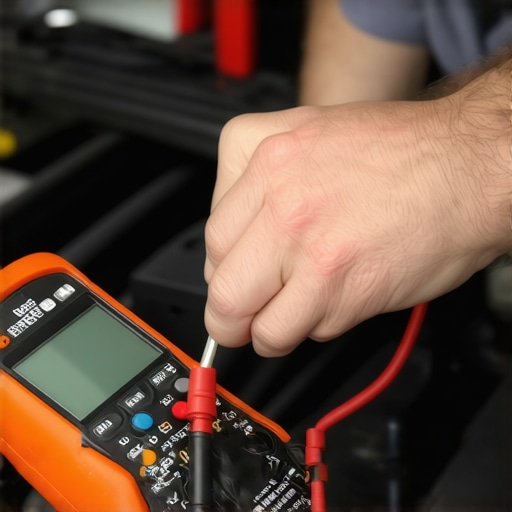
One of the most vital aspects of maintaining your vehicle over time is investing in the right tools that ensure quality repairs and diagnostics. I personally swear by a digital multimeter, like the Fluke 115, because it provides accurate readings of electrical circuits, helping me identify faulty sensors or weak connections that could compromise your car’s performance. Additionally, a robust OBD-II scanner such as the BlueDriver Bluetooth Pro is indispensable; it not only reads error codes but also offers real-time data, giving you a window into your engine’s inner workings without the need for a mechanic. Using these tools regularly can prevent small issues from escalating into costly repairs, aligning with expert advice on proactive vehicle maintenance.
The Role of Software in Modern Maintenance
As vehicles become increasingly digital, software diagnostics play a crucial role in long-term upkeep. I recommend investing in professional-grade diagnostic software like AutoEnginuity, which allows you to access manufacturer-specific data and perform calibration tasks. For example, recalibrating your transmission control module after parts replacement can extend your transmission’s lifespan and improve shifting smoothness, as detailed in how transmission overhauls impact long-term savings. Regular software updates ensure your vehicle remains responsive and safe, especially as automakers release patches for emerging issues.
Adopt Routine Maintenance Habits to Extend Vehicle Life
Beyond tools, establishing a disciplined maintenance schedule is key. Consistent oil changes, tire rotations, and fluid checks prevent component wear and tear. Personally, I set reminders on my digital calendar and use a maintenance app to track service dates, which helps me stay on top of necessary tasks. For instance, replacing the transmission fluid at the recommended intervals can thwart overheating and slippage, significantly prolonging transmission health. According to industry standards, neglecting such routine checks can lead to expensive repairs like transmission overhaul costs. Additionally, inspecting and cleaning vital seals and filters—such as the cabin air filter or oil filter—keeps your vehicle performing efficiently and improves air quality inside the cabin.
How do I maintain my vehicle over time without breaking the bank?
Prioritize targeted repairs over complete replacements whenever possible. For example, fixing a leaking transmission cooler or replacing worn sensors often costs a fraction of a full component overhaul and can restore optimal function. Regular diagnostics help identify these issues early, which can be particularly effective when combined with trusted resources like maximizing vehicle lifespan through tune-ups. Besides, keeping your tires properly inflated and your battery in top condition prevents breakdowns and ensures safety on the road. Remember, proactive maintenance with the right tools and practices extends your car’s lifespan and saves you money in the long run.
If you’re ready to take your auto care to the next level, try calibrating your steering angle sensor after an alignment—it’s a precise task that significantly improves handling and safety. For detailed guidance, visit this comprehensive calibration tutorial. Prioritizing such advanced maintenance tips keeps your vehicle in peak condition for years to come.
Lessons That Changed My Auto Repair Approach
- Seeing small issues early, like a tiny seal gap, saved me hundreds in future repairs because I tackled problems before they worsened.
- Investing in basic tools like a quality sealant and a scanner empowered me to diagnose and fix common problems without professional help.
- Patience during curing times for sealants is crucial; rushing can lead to unresolved noises and repeated work.
- Understanding that minor leaks cause major noise helps me prioritize quick fixes over costly replacements, especially with auto DIY.
- Always double-check the sealant application—it’s the difference between a quiet ride and ongoing annoyance.
Tools and Resources That Keep My Car Sound
- A high-quality windshield sealant — Affordable, effective, and easy to apply, making DIY repairs straightforward.
- A reliable OBD-II scanner like BlueDriver — Helps me catch early warning signs before they become bigger issues.
- Glass cleaner and soft cloths — Ensure the surfaces are prepped perfectly for a long-lasting seal.
- Educational guides and tutorials — Keep me informed about advanced maintenance techniques, like calibration and sensor checks.
Keep Your Journey Crisp and Quiet
Taking control of seemingly minor issues like a windshield whistle can have a profound impact on your driving experience. With patience, the right tools, and a little know-how, you can prevent small problems from turning into costly troubles while enjoying a peaceful, quiet ride—something all drivers deserve. Start small, stay consistent, and remember that the best auto repairs often come from practical, straightforward solutions that you can do yourself.
What minor car issue have you successfully fixed yourself? Share your story below, or reach out to us for more DIY tips on helping you keep your car in top shape. Happy driving!
,