
If you’ve ever been sitting at a red light, your car suddenly jolting or surging unexpectedly, you know how unsettling it can be. I remember the first time it happened to me—my engine wrenching as if it was trying to break free, and I felt my heart skip a beat. That light seemed to stretch into eternity while I desperately searched online for a fix. Turns out, this common annoyance is often a sign that your engine’s intake system needs some love, specifically a thorough cleaning.
Why Ignoring Surging Can Lead to Bigger Problems
Those rough stalls or surges at stoplights are more than just minor inconveniences—they’re signals of underlying issues that, if left unaddressed, could lead to decreased fuel efficiency, rough idling, or even damage to your engine components. In my case, I initially dismissed it as a fluke, only to realize later that neglecting these symptoms could cost me a hefty repair bill. Regularly maintaining your intake system, including cleaning the throttle body and intake manifold, can significantly prolong engine life and ensure smooth operation.
Ever wonder if such a tiny fix is worth your time?
I once thought a simple intake clean was just a quick cosmetic fix—until I experienced improved throttle response and saved hundreds on repairs. Early on, I made the mistake of ignoring this minor task, and it caught up with me. Now, I advocate for proactive maintenance, understanding that a clean intake is the secret to preventing issues like surging and hesitation. You’ll find that a little effort here goes a long way, and I’ll walk you through the steps to get your car running like new again.
Ready to turn your engine into a smooth, surging-free machine? Let’s dive into why this problem occurs and how a simple intake cleaning can be your best remedy. Keep reading, and you’ll uncover the straightforward tricks that can make a noticeable difference in your driving experience—and save you money in the process.
Prepare Your Workspace and Gather Supplies
First, ensure your vehicle is parked on a flat surface with the engine cool down. Open the hood and disconnect the negative battery terminal to prevent any electrical mishaps. Gather essential tools: screwdrivers, wrenches, a new air filter, and a can of throttle body cleaner. Having everything within reach will make the process smoother.
Remove and Inspect the Air Intake Components
Locate the air filter housing and unbolt it using a screwdriver. Carefully remove the cover and take out the air filter. Visually inspect the filter; if it’s dirty or clogged, replace it. Next, check the intake ducts for any debris or obstructions. Taking this step reminds me of clearing a clogged drain—sometimes, simple removal and cleaning restore proper flow.
Clean the Throttle Body and Intake Manifold
Apply Throttle Body Cleaner
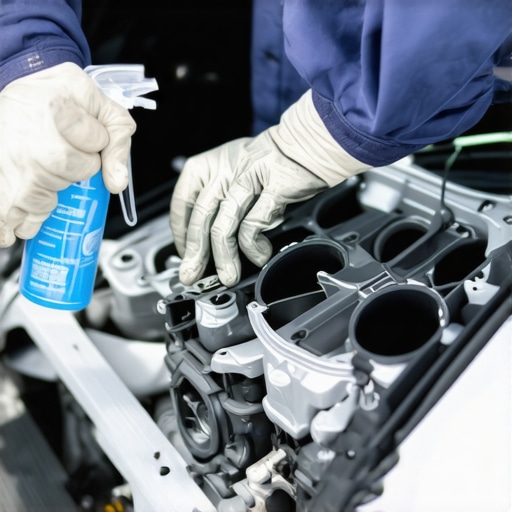
Spray the throttle body cleaner onto a clean cloth or brush. Gently scrub the butterfly valve and surrounding areas to remove carbon buildup. Be cautious not to damage sensitive components—think of it as cleaning a delicate camera lens. For stubborn deposits, re-spray and repeat until surfaces appear shiny and free of grime.
Use a Wrench to Detach Intake Manifold (If Necessary)
In some cases, it might be necessary to remove parts of the intake manifold for a thorough clean. Loosen the bolts with a wrench, noting their positions for reassembly. Carefully detach the manifold, keeping track of all gaskets and seals. You can compare this to disassembling a complex Lego set—orderly and gentle handling prevents future issues.
Reassemble and Final Checks
After cleaning, reattach the intake manifold, ensuring all gaskets are properly seated to prevent leaks. Place a new air filter into the housing and tighten the cover securely. Reconnect the negative battery terminal, and start the engine. Observe for any irregular noises or error codes; a smooth idle indicates successful cleaning. Remember, routine maintenance like this can prevent surges and improve fuel efficiency, saving you money in the long run.
Tips for Maintaining Clean Intake Systems
Regularly check and replace filters, and consider using fuel additives designed to keep injectors clean. For more detailed advice on car care, visit this comprehensive tune-up guide. Practicing these steps consistently will keep your engine breathing easy and running smoothly for miles ahead.
Many car enthusiasts and regular drivers alike often cling to misconceptions when it comes to transmission, tune-ups, and general auto repair. These myths can lead to costly mistakes, overlooked issues, and even premature vehicle failures. Let’s dig deeper into these nuanced topics to clarify what really matters and what tricks you should avoid.
Are We Ignoring the Subtle Signs of Transmission Trouble?
One common misconception is that transmission problems are always dramatic and obvious. The truth is, small issues like delayed shifting or minor slipping are early warning signs that can be easily overlooked. Many assume that only a complete overhaul is necessary, but in many cases, regular maintenance and fluid changes can extend transmission lifespan significantly. Neglecting these subtle cues and waiting until the transmission fails entirely often results in expensive repairs, which could have been avoided with proactive care.
Moreover, there’s a dangerous trap around routine tune-ups. Many think these are just for performance boosts, but a well-maintained tune-up ensures your engine runs smoothly, fuel efficiency stays optimal, and hidden problems are caught early. Skipping this step due to misconceptions about its necessity can lead to deteriorating engine health and unexpected breakdowns.
Common Auto Repair Myths That Can Cost You
One pervasive myth is that all auto repairs are expensive and best left to specialists without understanding the specifics. While it’s true that complex issues require expert intervention, basic maintenance, like replacing filters or checking fluid levels, can often be done by confident DIYers. Underestimating the importance of these simple tasks, and assuming they aren’t worth your time, can result in larger problems developing over time.
Additionally, many believe that a car’s repair history isn’t crucial when buying a used vehicle. My advice? Always inspect the repair history meticulously, as poorly executed repairs can compromise vehicle safety and longevity.
How Quality Car Service Can Save You Money in the Long Run
Skimping on professional auto service might seem like a shortcut, but it often backfires. Proper service includes detailed inspections that reveal hidden issues—corrosion, worn-out seals, or early brake wear—that, if ignored, escalate into costly repairs. Think of regular maintenance as preventative medicine for your vehicle: it keeps everything running smoothly and minimizes unexpected expenses.
Beware, however, of the trap of unqualified mechanics or cheap repair shops offering dubious fixes. Always verify credentials and seek recommendations; quality service is an investment that pays off over time.
In conclusion, the real advantage lies in understanding the nuances of your vehicle’s needs and debunking myths that are often accepted as gospel. Engage with experienced professionals, stay informed, and perform regular maintenance to keep your car reliable and safe. Have you ever fallen into this trap? Let me know in the comments.
Keeping Your Car Running Smoothly with the Right Tools and Techniques
Maintaining your vehicle over time requires more than just basic knowledge; it demands the right equipment, software, and methods to ensure longevity and reliability. Personally, I rely on a few specific tools that have proven invaluable in diagnosing and fixing issues before they become costly repairs. Investing in quality tools not only saves money in the long run but also empowers you to take control of your car’s health.
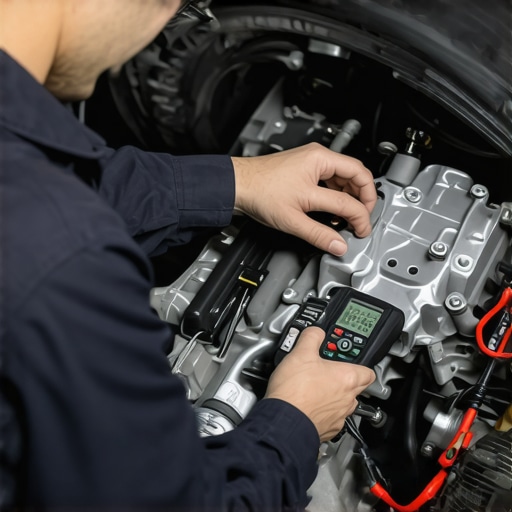
One tool I highly recommend is a reliable OBD-II scanner. I personally use the BlueDriver Bluetooth Pro OBD2 Scanner because it pairs seamlessly with my smartphone, providing real-time diagnostics and detailed codes. This allows me to quickly identify issues like misfires, sensor failures, or transmission glitches without costly trips to the mechanic. The software updates regularly, ensuring it’s compatible with the latest vehicle models, which is crucial given how rapidly automotive technology evolves.
Another essential is a torque wrench. Precision matters when tightening bolts during repairs or maintenance, especially on sensitive components like the cylinder head or wheel lug nuts. I prefer a digital torque wrench from a reputable brand because it provides accurate readings and easy-to-read digital displays, reducing the risk of over-tightening or under-tightening.
How do I maintain these tools over time?
Regular calibration and proper storage are vital. For example, I calibrate my torque wrench annually and keep it in a protective case to prevent damage. The OBD-II scanner’s software receives updates, so I connect it to my device regularly for the latest features. These practices ensure optimal performance and longevity of your tools, making DIY maintenance both effective and satisfying.
Looking ahead, the trend in automotive maintenance points toward integrated diagnostics with cloud-based data storage and AI-driven analytics. This could mean that future tools might automatically detect issues and suggest repairs remotely, boosting precision and reducing downtime. Staying current with these advancements—and investing in high-quality equipment—will keep you ahead in vehicle care.
What about tools for specific tasks like fluid checks or brake repairs?
For routine tasks such as checking fluid levels or bleeding brakes, I use specialized kits like the Powerbuilt Brake Bleeder Kit. This tool simplifies the process and reduces the risk of introducing air into brake lines. I also rely on a good set of precision screwdrivers and wrenches for small repairs around the engine bay.
By combining these specialized tools with trustworthy methods—such as inspecting transmission fluid or adjusting your drive belts—you can prolong your car’s life significantly. Remember, regular maintenance isn’t just about fixing what’s broken; it’s about preventing problems before they start. For detailed tips on extending your vehicle’s lifespan, check out this guide.
Start by evaluating which tools you lack and gradually build a collection tailored to your vehicle’s needs. Armed with the right equipment, you’ll find diagnosing and maintaining your car a more manageable and rewarding task—saving you money and stress down the road. Don’t hesitate to try out the BlueDriver OBD-II scanner for your next troubleshooting session; you’ll be surprised how much insight it provides into your vehicle’s health.

The Costly Lessons I Had to Learn About Auto Repairs
One of the most valuable lessons I discovered was that small maintenance tasks, like a simple intake system clean, can prevent major headaches down the road. Waiting until a warning sign turns into a breakdown often results in costly repairs and unnecessary stress. Embracing proactive maintenance has transformed my approach to car care, saving money and extending my vehicle’s lifespan.
My Top Picks for Staying Ahead in Vehicle Care
Investing in quality diagnostic tools, such as the BlueDriver Bluetooth Pro OBD2 Scanner, has empowered me to understand my car’s health better than ever before. Complementing this with a reliable torque wrench and essential cleaning supplies ensures I catch issues early and perform routine checks confidently. These tools have been game-changers in maintaining optimal vehicle performance.
Take Charge of Your Vehicle’s Future Today
Remember, staying informed and investing in the right equipment can make the difference between a smooth ride and unexpected breakdowns. Don’t wait for problems to escalate—your car’s health is in your hands. Start implementing small maintenance routines now, and you’ll enjoy safer, more reliable driving for miles to come. Are you ready to take the first step toward better car care? Share your experience below and let’s learn together!