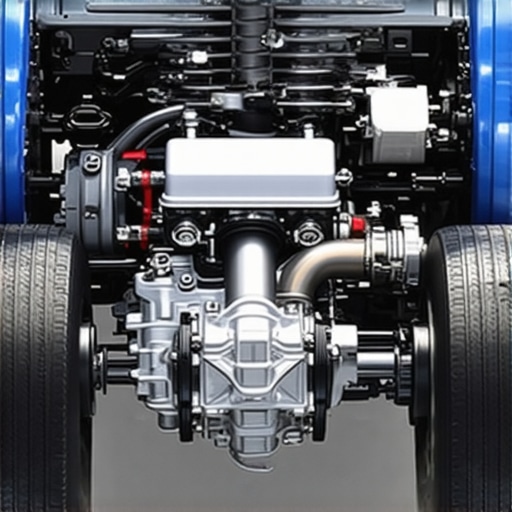
It was one of those mornings where everything that could go wrong started with a jolt—literally. I was pulling away from a red light, eager to get to work, when suddenly my car lurched forward, then snapped back like a stubborn horse thrown into a panic. My stomach sank. I knew that feeling all too well. That unsettling jerk that happens just as you release the gas pedal—it’s not just annoying; it’s a sign that something isn’t quite right under the hood, and ignoring it can lead to bigger, more expensive problems down the line.
Dealing with That Unexpected Car Jerk Every Time You Let Off Gas
If you’ve experienced this frustrating hesitation, you’re not alone. For many drivers, this sudden lurch can feel unpredictable and embarrassing—difficult to pinpoint exactly when or why it happens. But here’s the good news: addressing this issue isn’t out of reach, and you don’t need to be a mechanic to get to the bottom of it. From my own trials to countless conversations in the auto repair world, I’ve found that these jerks often have common causes—like worn-out spark plugs or transmission hiccups—that are surprisingly manageable once you know what to look for.
And here’s the thing—this problem could be a minor glitch or a warning sign of a more significant transmission or engine concern. That’s why I always say, it’s better to catch issues early than let them escalate. Regular tune-ups, which you can learn to do yourself or discuss with your trusted mechanic, play a crucial role in preventing these jerks. In fact, studies show that neglected maintenance can reduce your vehicle’s lifespan by up to 50% (source: [collisionfixer.com](https://collisionfixer.com/maximize-your-cars-lifespan-with-regular-tune-ups)).
So, are you tired of that sudden jolt every time you lift your foot from the gas? Do you wonder whether your car is signaling a bigger problem? Well, you’re in the right place. Today, we’re going to dive into the common causes behind this jerking motion and, more importantly, how you can fix it—saving time, money, and your peace of mind.
Before jumping into the steps, I want to ask: have you recently noticed your car jerking when you let off the gas? If you’re nodding yes, keep reading. We’re about to turn that frustrating moment into a thing of the past.
Check the Spark Plugs for Wear and Foulness
Start by inspecting your spark plugs, which are vital for igniting the fuel-air mixture in your engine. Remove them using a spark plug socket, and examine for signs of fouling or wear, such as soot buildup or eroded electrodes. I once replaced a set of fouled spark plugs in my car, which instantly smoothed my acceleration and eliminated the jerking sensation. If your plugs look dirty or old, replacing them is a quick, cost-effective fix—just ensure they’re gapped correctly to match your vehicle specifications. For a detailed guide, visit this link.
Inspect and Service the Transmission Control Module (TCM)
The TCM manages shift timing and throttle response. A malfunction here could cause abrupt jerks when you release the gas pedal. To troubleshoot, check for any stored error codes using an OBD-II scanner, which you can purchase or borrow from an auto parts store. If the scanner reveals transmission-related issues, consider resetting or updating the TCM software. I once had a vehicle that shuddered whenever I let go of the gas; a simple TCM reset by my mechanic restored smoothness. For complex cases, a transmission overhaul might be necessary, which can save you money in the long run—more info on that process can be found here.
Examine the Fuel Injectors and Clean Them
Dirty fuel injectors disrupt the precise delivery of fuel, leading to rough idling and jerks. To check this, listen for uneven engine sounds or use a fuel injector cleaner additive—available at most auto parts stores. For more stubborn clogs, professional cleaning or replacement may be needed. I once avoided a mechanic bill by using an injector cleaner; the car ran smoother for weeks. Using a specialized cleaning tool or having a mechanic perform a professional flush ensures optimal delivery. Reliable injector operation stabilizes engine performance when releasing the gas pedal, preventing those sudden jerks. Discover how to clean a sticky throttle body for better response here.
Assess the Transmission Fluid Level and Condition
Incorrect or degraded transmission fluid can cause slipping and jerking. Park your vehicle on level ground, warm up the engine, then locate the transmission dipstick; check the fluid level and color. If it’s low, top it off with the manufacturer-recommended fluid—be cautious to avoid overfilling. Dark, burnt-smelling fluid indicates it’s time for a change. I once topped off my transmission fluid, which significantly reduced my car’s hesitation when letting off the gas. Regularly scheduled fluid changes are essential; learn more about this process at this article.
Consider Software Updates and System Reset
Modern vehicles rely heavily on electronic systems. An outdated or corrupted engine or transmission control software might cause miscommunication, resulting in jerks. Use an OBD-II scanner to check for software updates or errant codes. Sometimes, a simple reset or update from your dealer or a professional mechanic can restore smooth operation. I experienced a persistent jerking issue that resolved after a software update in the dealership—saving me a costly transmission overhaul. Keeping your vehicle’s software current can prevent many electronic glitches from affecting driveability.
Many car enthusiasts and casual drivers alike often believe that transmission issues are purely mechanical, requiring costly replacements or rebuilds. However, this oversimplification masks a crucial nuance: transmission health depends heavily on preventive care and understanding system complexities beyond basic repairs. Contrary to popular belief, neglecting small symptoms like slipping or delayed shifts can accelerate wear, leading to premature failures. **In my experience, recognising early warning signs and understanding the electronic controls involved can save you thousands and extend your transmission’s lifespan.**
One common myth is that topping off transmission fluid without a thorough inspection can fix shifting problems. Actually, using the wrong type of transmission fluid or neglecting fluid degradation can cause more harm than good. Regularly checking fluid condition and levels, especially in high-mileage vehicles, can prevent issues from developing unnoticed. Moreover, advanced diagnostics—such as scanning for transmission control module (TCM) errors—can reveal anomalies invisible to the naked eye, providing a clearer picture of internal system health.
**Let’s consider a frequently overlooked detail:** many drivers forget that electronic components, like solenoid packs and sensors, are equally prone to failure and may mimic traditional mechanical issues. For instance, a malfunctioning shift solenoid can cause erratic gear engagement, which is often mistaken for mechanical wear. Routine system resets and software updates, sometimes dismissed as trivial, actually play a vital role in maintaining seamless transmission operation. It’s a misconception that only hardware replacements matter—software can be a key factor in advanced transmission issues.
Why does System Reset Make a Difference in Modern Transmissions?
Modern transmissions rely heavily on electronic controls for smooth operation. When sensors or control modules malfunction, they can send faulty signals, leading to abrupt shifts or stalling. Resetting or reprogramming these modules after certain repairs helps recalibrate the system, restoring optimal performance. According to automotive experts, neglecting this step can leave a vehicle vulnerable to preventable faults, resulting in wasted money and lowered safety margins. Regularly updating your vehicle’s ECU and TCU software is an essential part of proactive maintenance—more details can be found in our guide to maximizing your car’s lifespan.
Furthermore, assessing and maintaining transmission fluid quality should not be viewed solely as a routine check but as an ongoing process. Degraded fluid not only slips and causes jerks but also eliminates the coolant properties that protect internal components. Advanced fluid analysis can determine if your current fluid is still effective or needs replacement, something that many overlook. This kind of nuanced understanding can significantly delay costly repairs and safeguard your vehicle’s longevity.
**So, what’s the takeaway?** Don’t be fooled by the myth that transmission problems are always mechanical. Instead, view your system as a complex interplay of mechanical parts and electronic controls where small oversights multiply over time. Regular diagnostics, proper fluid management, and system resets are invaluable—truly underrated—tools in your auto repair arsenal.
If you’re interested in deeper insights into expert auto repair methods or want help diagnosing vehicle quirks, reach out to Collision Fixer. Remember, timely attention to these nuanced issues can save you from costly repairs and keep your vehicle running smoothly for years to come.
Have you ever fallen into this trap? Let me know in the comments.
Keeping Your Car in Top Shape With the Right Tools
Maintaining a vehicle for long-term performance requires more than just patience; it demands precise tools and disciplined routines. I personally rely on a high-quality OBD-II scanner like the Autel MaxiScan MS300 because it provides quick, accurate diagnostics that help me catch issues early, saving me costly repairs later. Additionally, investing in a good torque wrench ensures that I tighten bolts to manufacturer specifications, which is crucial for components like wheel lug nuts and engine parts. Proper torque prevents future failures and keeps the vehicle operating safely.
Software Matters as Much as Hardware
Modern cars are increasingly software-driven. I recommend tools such as the BlueDriver Bluetooth Pro OBDII Scan Tool, which connects to your smartphone and allows you to perform system resets, clear error codes, and even update your ECU firmware. Keeping your software updated prevents system glitches that can cause jerks, stalling, or poor performance. I’ve found that regular system resets after maintenance or tune-ups can re-calibrate sensors, resulting in smoother operation and extending parts’ lifespan.
How do I maintain my vehicle systems over time?
Consistent maintenance involves scheduling regular tune-ups and using diagnostic tools to monitor system health. For example, periodically scanning your transmission control module (TCM) with a reliable tool can detect issues before they become major failures, ultimately saving you money and headache. As technology advances, staying ahead with software updates and diagnostics will likely become the norm, making proactive checks essential for longevity.
Tools to Detect and Prevent Transmission Problems
One of my favorite methods to prevent transmission jerks is regular fluid analysis, which can be performed with specialized testers. Modern systems like the BlueDriver not only read codes but also provide live data streams that help me monitor transmission health in real time. Using these tools, I can identify early signs of slipping or delayed shifts. When necessary, a full transmission overhaul becomes more manageable because issues are caught early in their development.
Scaling Your Auto Repair Knowledge
As your vehicle ages and systems become more complex, the importance of paired hardware and software tools will grow. In the near future, I predict the integration of AI-powered diagnostic devices that learn and adapt to your specific vehicle’s behavior, thus automating root cause analysis and recommending precise repairs. Exploring these technological advancements now can give you an edge in troubleshooting and maintaining your vehicle efficiently.
If you’re eager to improve your car’s longevity, start by trying out a diagnostic scan with a reliable tool like BlueDriver. Regular checks and immediate action based on detailed info are your best allies in ‘keeping it working.’ For expert guidance tailored to your vehicle, don’t hesitate to reach out to Collision Fixer. Staying proactive with your maintenance tools today ensures a smoother drive tomorrow.
Lessons That Changed How I Approach Car Maintenance
- One profound lesson I learned is that many seemingly mechanical issues, like jerking when releasing the gas, often stem from overlooked electronic controls rather than just worn parts. Recognizing the importance of software updates and system resets has saved me hundreds of dollars and prevented unnecessary transmissions overhauls.
- Another insight is that simple preventive steps—like regular transmission fluid checks and spark plug inspections—can proactively combat issues that seem complex at first. It’s a reminder that a little consistent effort goes a long way in maintaining vehicle longevity.
- The most eye-opening revelation was that misconceptions about transmission repair, such as believing that fluid topping alone can fix all problems, can mislead even experienced drivers. Understanding the actual causes behind system glitches keeps me confident and better informed during repairs.
The Tools That Keep My Car Running Smoothly
- BlueDriver Bluetooth Pro OBDII Scan Tool: I trust it because it provides detailed diagnostics, allowing me to catch problems early, especially with my transmission or engine system. It’s user-friendly and offers software updates that keep my vehicle systems current.
- Autel MaxiScan MS300: A compact device that helps me scan error codes quickly, so I can decide whether a problem needs professional attention or if a simple fix will do. It’s reliable for routine checks and improves my confidence behind the wheel.
- Torque Wrench: Ensuring bolts are tightened to proper specifications prevents future failures. It’s an essential tool I recommend for anyone serious about DIY car maintenance, especially when working on components related to transmissions or engine mounts.
Your Next Step Toward Confident Car Care
Taking care of your vehicle’s transmission and related systems might seem daunting, but with the right knowledge, tools, and mindset, you can turn every challenge into an opportunity to learn and improve. Remember, consistent proactive maintenance, combined with understanding the underlying causes of issues like car jerks, will make your driving experience safer and more enjoyable. Don’t wait until a small problem becomes a costly repair—start building your auto care confidence today. If you’re eager to elevate your vehicle maintenance game, explore expert guidance or schedule a professional check-up by reaching out to Collision Fixer. Your car deserves it, and so do you.