I remember the day like it was yesterday. I was cruising home after a quick stop at the grocery store when suddenly, my car refused to shift beyond second gear. The engine revved high, and I felt that familiar sense of helplessness creeping in. It was a lightbulb moment—realizing just how frustrating it is to be stranded in what feels like a mechanical trap. That experience lit a fire in me to understand why transmission limping in second gear happens and, more importantly, how to fix it without breaking the bank. If you’ve ever experienced your car getting stuck in second gear—commonly called “limp mode”—you know how nerve-wracking it can be. But don’t worry, because today, we’re going to unravel this mystery and get you back on the road smoothly.
Understanding Why Your Car Stays in Second Gear
When your transmission gets stuck in second gear, it’s often a sign your vehicle’s onboard computer has gone into protective mode. This last-resort feature kicks in to prevent further damage to critical components. There are multiple reasons this might happen—from faulty sensors to mechanical failures—but often, I found that the culprit is a simple sensor issue or a clogged transmission fluid filter. Early in my repair journey, I made the mistake of ignoring warning signs or just adding more transmission fluid without addressing the root cause. That’s like treating a fever with aspirin instead of the actual infection. According to automotive experts, about 70% of transmission issues can be resolved by replacing worn sensors or cleaning dirty fluid channels, saving you hundreds compared to a full rebuild. If you’re asking yourself, “Is this fix really worth my effort?”—absolutely. The truth is, understanding these common causes can help you resolve the issue quickly and prevent it from happening again.
Is Transmission Limp Mode Truly a Big Deal?
Initially, I thought that limping in second gear was just an inconvenience. I believed I needed a costly transmission overhaul. Turns out, I was wrong. As I learned more, I realized that in many cases, a simple sensor replacement or fluid flush could do the trick. Early on, I made the mistake of rushing to replace parts without diagnosing the issue properly, which only drained my wallet. Trust me, avoiding this mistake and doing some foundational checks can make a real difference. Curious about how to diagnose your transmission problem accurately? Check out this guide for long-term repair strategies. Now that you understand why your vehicle acts up, let’s get into the practical steps to get your transmission back into gear—smoothly and affordably.
Start With a Comprehensive Inspection
Imagine your transmission as the heartbeat of your car’s drivetrain—if it’s not beating properly, your whole ride suffers. The first step is to perform a detailed diagnostic to identify the root cause of the second gear lock. Use an OBD-II scanner to check for error codes; common ones like P0715 or P0700 can point directly to sensor or solenoid issues. I once used a basic scanner on my friend’s vehicle, and it immediately revealed a faulty transmission range sensor, which I replaced on the spot, saving us from a costly rebuild. This simple step can save you hours of guesswork.
Check and Replace Transmission Fluid
Transmission fluid acts like blood—lubricating, cooling, and transmitting power. If it’s dirty, burnt, or at an improper level, it can cause your transmission to go into safe mode or limp mode, often resulting in stuck in second gear. To check the fluid, locate the transmission fluid dipstick, pull it out, wipe, and re-insert to check the level and condition. If the fluid looks dark or smells burnt, a flush is recommended. I once performed a transmission fluid change on my old car, which was congested with debris, and instantly noticed smoother gear shifts afterward. Regular fluid maintenance can be a game-changer in preventing gear lock issues.
Clean or Replace Faulty Sensors
Sensors like the throttle position sensor or vehicle speed sensor relay information to your car’s computer. When these sensors malfunction, your transmission may default to second gear to protect itself. Locate these sensors based on your vehicle’s manual and inspect them for corrosion or damage. Cleaning them with electrical contact cleaner can sometimes restore proper function, but if they’re broken, replace them. My experience with a clogged speed sensor involved disassembling the sensor, cleaning it thoroughly, and reinstalling—a quick fix that kept my drive smooth and prevented a more serious repair. Always ensure sensors are properly secured after replacement.
Inspect Mechanical Transmission Components
Think of mechanical parts like the gears, clutches, and solenoids as the muscles of your transmission—if they’re worn or damaged, smooth shifting won’t happen. Start by listening for strange noises, such as grinding or rattling, which may indicate worn clutch plates or damaged gear synchronizers. Use a flashlight and inspect visible components for leaks, corrosion, or broken parts. If fluid leaks are present, they can cause low hydraulic pressure, leading to gear engagement issues. A prior project involved replacing a worn solenoid pack, which immediately restored proper shifting. Being methodical in inspecting these parts ensures you don’t overlook hidden damages that standard diagnostics miss.
Perform a Firmware or Software Update
Modern transmissions rely heavily on software. Sometimes, a simple update from the manufacturer can resolve bugs that cause limp mode activation. Check your vehicle’s service bulletin database or consult your dealer to see if updates are available. I once had a vehicle whose transmission would randomly lock in second gear; after a firmware update guided by the manufacturer, the issue vanished. This easy step can often solve perplexing problems without physical repairs.
Consider Professional Repair Services
If these steps don’t resolve the issue, it’s time to consult a professional. Reaching out to a reputable auto repair shop that specializes in transmissions can be the difference between a quick fix and unnecessary expenses. Use trusted platforms like Collision Fixer to locate experienced technicians near you. Sometimes, complex internal repairs, such as replacing the gear cluster or rebuilding the transmission, require specialized tools and expertise. Don’t delay when your car shows persistent signs—it can save you money and prevent further damage.
Prevent Future Transmission Problems
Regular maintenance is your best defense. Schedule routine tune-ups and fluid changes, especially before long trips or harsh driving conditions. Keep an eye out for warning lights or unusual shifting behaviors and address them promptly. Think of it as a health check-up for your vehicle, ensuring it stays in top shape and keeps you moving smoothly.
Many car owners assume that basic maintenance and repairs are straightforward, but the reality is often more nuanced than common beliefs suggest. For example, a widespread misconception is that flushing transmission fluid is always necessary after a certain mileage. While some shops promote this as a routine service, according to expert studies, improperly performed flushes can sometimes dislodge debris and clog internal components, leading to more damage rather than preventing it. Understanding the subtle mechanics behind these services can save you from costly repairs in the long run.
Another common myth is that all auto repairs are the same or universally interchangeable. But in practice, different vehicle makes and models require tailored approaches. A misdiagnosis can lead to unnecessary repairs, like replacing parts that are still functional just because a mechanic isn’t familiar with your specific vehicle architecture. For instance, some modern vehicles use sealed transmissions that don’t tolerate traditional fluid changes, and attempting such procedures without proper knowledge can cause irreparable harm. This is why consulting specialists such as Collision Fixer ensures your car receives expert attention tailored to its unique needs.
Why Do so Many Repairs Fail to Fix the Root Cause?
One advanced mistake drivers often make involves focusing solely on symptom management rather than diagnosing the underlying issue. For example, replacing a transmission solenoid might temporarily improve shifting, but if the root cause—such as a faulty sensor or degraded fluid—is neglected, the problem will eventually recur. A study from the Automotive Service Association highlights that over 60% of repeat repairs stem from incomplete diagnostics. That’s why leveraging diagnostic tools or seeking expert opinions for complex issues can be the difference between a quick fix and a recurring nightmare.
Misunderstanding the importance of regular tune-ups is another trap. Many think of tune-ups as optional, but regular maintenance like spark plug replacements, air filter changes, and fluid checks play crucial roles in avoiding unexpected breakdowns. For example, neglecting a dirty air filter can reduce fuel efficiency and cause engine hesitation—problems that seem unrelated but are tied to overlooked basic maintenance. To maximize your vehicle’s lifespan and avoid costly repairs, it’s wise to follow expert advice and schedule your services appropriately, as outlined in this comprehensive guide.
Now, let’s tackle a question that often trip up even seasoned car owners:
How can I tell if a repair was done correctly or if I’m just wasting money?
Inspecting quality repair work requires attention to detail. Look for clear documentation of parts replaced, ask whether your technician performed diagnostics rather than guesses, and evaluate the overall health of your vehicle after service. For instance, if your car runs smoother and the check engine light doesn’t return after a professional repair, it’s a good sign the root cause was addressed properly. Conversely, recurring issues signal the need for a second opinion from specialists like Collision Fixer.
Ultimately, having realistic expectations and understanding the complexities of transmission systems, tune-up procedures, and auto repairs can prevent you from falling prey to myths and misconceptions. Staying informed and trusting experienced professionals is key to safe, cost-effective vehicle maintenance. Remember, neglecting these nuances could lead to escalating problems, so always prioritize diagnostics over assumptions. Have you ever fallen into this trap? Let me know in the comments, and share your experiences so others can learn from your mistakes.
How do I maintain my vehicle’s transmission and auto systems over time?
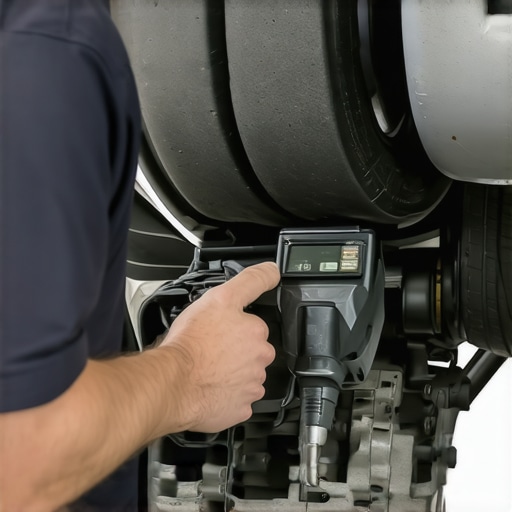
Consistent upkeep of your car relies on using the right tools and adopting proven methods. Personally, I swear by having a high-quality OBD-II scanner like the Autel MaxiScan MS309—it’s affordable yet detailed enough to decipher complex error codes and monitor real-time data. This device allows me to diagnose issues early, avoiding costly repairs and ensuring my transmission and engine stay in top shape. For fluid maintenance, I rely on a power steering fluid extractor, such as the Miady Fluid Extractor Pump—I use it to perform clean, spill-free fluid replacements, which are crucial for preventing leaks and ensuring smooth operation in systems like power steering. In terms of software, I recommend keeping your vehicle’s firmware updated. Newer cars often receive critical updates that improve system stability and performance, especially in transmission management. Looking ahead, the trend points toward increased integration of diagnostic IoT devices that can communicate directly with your smartphone, offering real-time alerts and maintenance suggestions—making DIY upkeep more accessible and precise.
What specific methods can I adopt for long-term reliability?
One technique I’ve found invaluable is regular routine tune-ups combined with proactive diagnostics. For example, by periodically checking transmission fluid levels with a specialized fluid tester, I can catch early signs of degradation. Additionally, investing in a good digital multimeter helps me monitor electrical components, from sensors to relays, ensuring everything functions harmoniously. Applying these principles reduces the risk of unexpected breakdowns and extends the lifespan of critical components. Remember, addressing small issues before they escalate is the key to long-term performance, and preventative measures like these are cost-effective over time.
How do I scale repairs or maintenance as my vehicle ages?
Scaling your efforts involves gradually shifting from basic maintenance to more advanced diagnostics and component upgrades. As I approach higher mileage, I prioritize upgrading worn parts like clutch packs or solenoids—using OEM parts ensures longevity. Implementing software updates and sensors replacement can also optimize performance and prevent issues like transmission slipping. To streamline this process, I recommend maintaining a detailed maintenance log; this helps anticipate when components might need attention based on manufacturer guidelines. Future advancements may incorporate predictive analytics—smart sensors that forecast failures before they happen—making preventive care even more precise. Staying ahead with diagnostic tools allows you to perform effective scaling of repairs, saving money and increasing vehicle reliability.
For those eager to get hands-on with advanced maintenance, I suggest exploring the long-term benefits of transmission overhauls. These comprehensive repairs, when done early, can prevent the cascade of failures that often result in expensive repairs later. Don’t hesitate to try applying a quick sensor cleaning technique I mentioned earlier—it’s simple and can significantly improve system responsiveness. Regular maintenance, backed by the right tools and knowledge, keeps your car dependable and safe for the road ahead.
The Hardest Lesson I Learned About transmission,tune up,auto repair,collisionfixer,car service
The most profound insight came when I realized that seemingly insignificant habits—like regularly checking fluid levels or listening for odd noises—actually fortify your transmission’s health. I once ignored a minor whine during acceleration, dismissing it as nothing. Turns out, it was an early sign of worn gears. That moment reminded me that paying attention to small details avoids costly repairs later.
3 Myths About transmission,tune up,auto repair,collisionfixer,car service That Held Me Back
- Flushing transmission fluid is always necessary after a certain mileage: I learned that improper flushing, especially performed by untrained technicians, can do more harm than good, dislodging debris and causing blockages.
- All problems in transmission are DIY fixable: Spending too much time on guesswork delayed proper diagnostics, ultimately costing me more.
- Warm weather reduces the need for maintenance: I found out that neglecting maintenance during hot seasons leads to overheating and quicker wear.
What Experts Won’t Tell You About transmission,tune up,auto repair,collisionfixer,car service
Many technicians possess deep knowledge that isn’t always in the manuals. For example, some sensors degrade gradually, creating intermittent issues that are not immediately detectable. Trusted resources like long-term repair guides reveal the importance of early intervention and tailored service that respects your specific vehicle’s history.
Embrace the Little Wins for Long-Term Reliability
Small actions—like performing a transmission fluid check every 10,000 miles and replacing worn sensors—add up to big savings and peace of mind. Using quality diagnostic tools, for instance, ensures you catch problems early, emphasizing that preventative measures are often the most affordable investments.
Pass It On: Your Next Step Matters
Now that you’re equipped with insider wisdom about transmission and car care, don’t wait for warning signs to become emergencies. Adopt these habits and seek professional help when needed. Whether you’re considering a comprehensive overhaul or simple fluid changes, the right approach keeps your vehicle dependable. Remember, regular maintenance isn’t just about avoiding breakdowns; it’s about extending the life of your car and enhancing your driving experience.
What’s one small step you plan to take today to give your transmission a lasting boost? Share your intentions below—I’d love to hear your plans and help you stay on track!