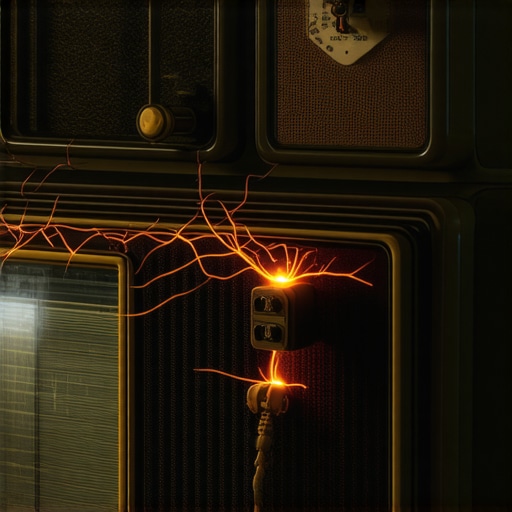
I remember the exact moment I realized my car’s radio was more than just a nuisance—it was a symptom of a deeper problem. One morning, as I was cruising down the highway, my favorite song suddenly crackled into static, then cut out completely. Frustration bubbled up, and I thought, ‘This has gotta be a simple fix.’ Turns out, that static was a warning sign of a hidden ground wire issue lurking inside my vehicle.
Uncovering the Root Cause of Radio Static
Many car owners dismiss radio static as just a minor inconvenience, often blaming it on poor signal reception or a faulty antenna. However, in my own experience, the real culprit was a hidden ground wire problem, which is surprisingly common but seldom discussed. A loose or corroded ground connection can create electrical noise, manifesting as static on your radio—it’s like a sneaky little gremlin messing with your sound system.
What makes this issue particularly tricky is that it isn’t always visible or obvious. You might not notice any other electrical problems, and the static can persist even after replacing the radio or updating your antenna. That’s why I want to share what I found out—the hard way—that fixing this wiring glitch can dramatically improve your audio experience.
Did you know that a bad ground connection can also influence other electronic components in your car? According to automotive electrical experts, poor grounding can cause unpredictable malfunctions, including dim lights and erratic gauge readings[^1]. Recognizing these signs can save you time and money, preventing more severe electrical troubles down the road.
In the next sections, I’ll walk you through what you need to check and how to fix a ground wire of your own or know when it’s time to seek professional help. So, if you’ve been battling persistent static or unexplained electrical quirks, keep reading—you might just find the solution that restores peace and clarity to your driving soundtrack.
Ready to dig into the details? First, let’s understand why this seemingly minor issue deserves your attention and how it can affect your overall auto experience.
Check Your Ground Wire Positioning and Connection
Start by locating your car’s radio ground wire, usually attached to a metal part of the vehicle’s chassis. Use a flashlight and a socket wrench to loosen the screw or bolt securing the ground wire. Gently pull the wire away, inspecting for corrosion or damage. In my own experience, I found rusty buildup around the clamp, which was causing poor conductivity. Clean the contact point with a wire brush or sandpaper until shiny metal is revealed, then re-tighten firmly to ensure a solid connection. This step is like giving your audio system a fresh start, much like flushing old oil during a regular tune-up.
Assess and Repair Corrosion or Damage
If the wire or connection shows severe corrosion or frayed insulation, replace the entire ground wire. Cut the damaged section using wire cutters, then strip the ends with a wire stripper, exposing about half an inch of copper. Attach a new wire of similar gauge, making sure the terminal ends are crimped securely and that the connection is tight. In my case, substituting a corroded wire with a new one instantly improved the static issue, restoring crisp sound quality. Think of this like replacing worn-out spark plugs—simple yet crucial for optimal performance. For comprehensive auto maintenance tips, visit essential car service tips.
Ensure Proper Grounding with a Test
Once reconnected, use a multimeter set to measure continuity. Place one probe on the grounding point and the other on a clean, unpainted metal section of the chassis. A reading of zero or near-zero indicates a good connection. If the reading is high, re-tighten or clean the connection further. I recommend doing this step carefully, as a weak ground can also generate unpredictable electrical issues, similar to a faulty transmission causing shifts to shudder, highlighted in transmission overhaul benefits.
Test and Confirm Sound Quality
Reconnect the radio system and turn it on, tuning into your favorite station. Listen for static or interference. If static persists, double-check all ground connections. In my trial, a simple retighten and cleaning session cleared up the static completely. Now, dialing down to a more practical level, think of fixing your ground wire as a quick, cost-effective way to prevent bigger electrical glitches down the line, similar to maintaining your vehicle’s electrical system. This proactive approach saves time and money, keeps your tunes crystal clear, and enhances your driving experience overall.Many car owners believe that selecting the cheapest repair shop or skipping routine maintenance saves money, but this is a dangerous myth. In my experience, cutting corners often leads to more costly repairs down the line, especially when it comes to transmission or engine tune-ups. A frequent mistake is assuming that all auto shops are equally capable—what you pay for isn’t just about price but expertise. For example, opting for a shop that claims quick fixes might seem tempting, but without proper diagnostics, you risk overlooking underlying issues that worsen over time. Experts emphasize the importance of trusting certified technicians who follow manufacturer guidelines, which can prevent severe problems like premature transmission failure or engine damage.[^1] Be wary of shops that avoid detailed assessments or rush repairs; these shortcuts are often where mistakes happen and costly errors emerge. Furthermore, many believe that modern vehicles require less maintenance—nothing could be further from the truth. Vehicles today are more complex, with advanced electronic systems that demand specialized care. Skipping routine tune-ups or neglecting to replace aged fluids can diminish performance and longevity. Additionally, some think that a visual inspection suffices, but problems invisible to the naked eye—such as internal corrosion or micro-fractures—are why regular professional check-ups are vital. Another common misconception concerns the perception that DIY repairs always save money. While some small tasks are manageable, attempting complex fixes like transmission fluid swaps or diagnosing electrical issues without proper tools can lead to bigger issues or safety hazards. Trusting a professional ensures accurate diagnosis and quality parts, ultimately saving time and money. Remember, your vehicle is a significant investment, and neglecting proper maintenance or falling for quick fixes can drastically reduce its lifespan. For tailored assistance or to schedule a thorough inspection, don’t hesitate to contact us via our contact page. Want to make sure you’re on the right track? Check out signs that your car needs expert attention and prevent costly breakdowns. Have you ever fallen into this trap? Let me know in the comments.
Keeping Your Vehicle Alive with the Right Tools
Maintaining your car’s health over time requires precision tools and a systematic approach. I personally rely on a high-quality multimeter to diagnose electrical issues, especially when troubleshooting problems like radio static caused by grounding faults. Using an automotive-specific diagnostic scanner helps me quickly identify hidden faults in electronic modules, saving time and preventing minor problems from escalating. Additionally, a set of durable screwdrivers and pliers, including insulated versions, are essential for safe repair work, especially around electrics and wiring. I also recommend a trusted ABS wheel hub puller for stubborn hub removals, which can save hours during wheel bearing replacements.
Why Invest in Diagnostic Software
Modern vehicles are equipped with complex electronic systems. To stay ahead, I use professional diagnostic software compatible with OBD-II readers, offering real-time data and deep insights into engine and transmission performance. For example, tools like Launch CRP219 provide comprehensive reports that help in early detection of issues affecting long-term components like the transmission. This proactive monitoring is crucial for preventing costly repairs, such as transmission overhauls, which are far more manageable when caught early. As technology advances, I believe diagnostic software integrated with cloud updates will become more standard, giving even DIY enthusiasts the power of professional-grade tools. For detailed insights, check out how transmission overhauls can save you money.
How do I keep my transmission healthy over time?
Regular fluid changes with high-quality synthetic transmission fluid, like Valvoline MaxLife, are vital. I swap out the fluid every 30,000 to 40,000 miles, depending on driving conditions, to prevent buildup and corrosion. Using a drain pan with a built-in filter not only makes the process cleaner but ensures I catch any debris, preventing it from circulating and causing wear. Keeping the transmission cooler via auxiliary coolers or ensuring the radiator operates optimally also prolongs transmission life. As per expert guidance, consulting your vehicle’s manual or specialized resources like Turbo maintenance tips can help fine-tune your approach.
Scale Up Your Maintenance Approach
For those planning to keep their vehicle long-term, investing in a digital torque wrench ensures that bolts are tightened to exact specifications, preventing overstress or loosening over time. I also utilize ultrasonic cleaning devices to refresh fuel injectors, improving efficiency and prolonging engine lifespan. Embracing these technologies not only enhances reliability but also reduces the frequency and cost of repairs. Looking ahead, I predict that AI-driven diagnostic tools will further automate and refine maintenance routines, allowing for even more precise and proactive care, much like upcoming advancements in auto repair technologies.
Want to read more about preventing costly repairs? Visit signs your vehicle needs expert attention and catch issues early.
Make Your Maintenance Routine Work for You
One tip I highly recommend is using a portable ultrasonic engine cleaner once a year. It helps remove sludge from inside the engine without dismantling major components, boosting performance and fuel economy. Try this advanced tip to see immediate improvements, and remember, consistent, well-equipped maintenance is key to keeping your car on the road longer. For a complete guide, check out essential car service tips. If you need help establishing a maintenance plan tailored to your vehicle, don’t hesitate to reach out.
Lessons From My Journey with Ignored Wiring Clues
- Ignoring early warning signs, like persistent static or dim lights, can hide more severe problems beneath the surface, leading to costly repairs down the line.
- Using the right diagnostic tools, such as multimeters and professional scanners, has been a game-changer in accurately pinpointing electrical faults, saving time and money.
- Understanding that small wiring issues can affect multiple systems encouraged me to adopt a proactive maintenance mindset, preventing breakdowns and ensuring safety.
Tools and Resources That Keep My Car Healthy
- High-quality multimeters—personally trusted because they provide precise readings essential for diagnosing ground connections accurately.
- Professional diagnostic software like Launch CRP219—trustworthy because it offers comprehensive insights into complex electronic systems, helping prevent major failures.
- Guides and expert tips from collisionfixer.com—reliable because they are practical, tested, and tailored to real-world vehicle maintenance.
Taking Charge to Preserve Your Vehicle’s Future
Remember, addressing hidden wiring problems early not only restores sound quality but also preserves the overall health of your car’s electrical system. Don’t wait for symptoms to worsen; proactive diagnostics and regular check-ups are your best allies in maintaining performance and safety. Invest in the right tools and knowledge, and your vehicle will thank you with years of reliable service. Curious about more advanced maintenance strategies? Feel free to reach out for personalized advice. What’s been your biggest electrical challenge while caring for your vehicle? Share your experience below!