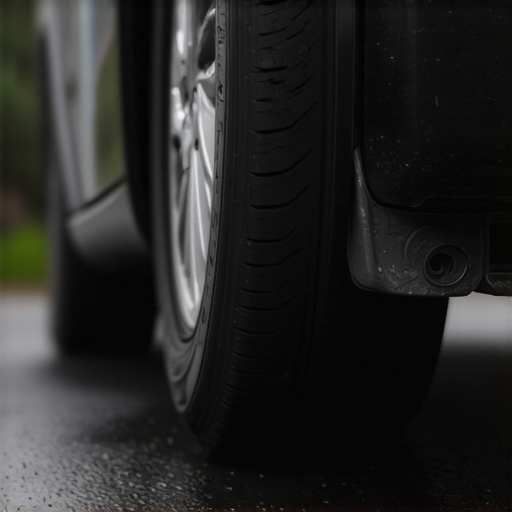
It happened again on a rainy Tuesday afternoon. I was cruising home when suddenly, my car veered stubbornly to the left every time I pressed the brake pedal. That weird pull isn’t just annoying—it’s a warning sign from your vehicle that something’s off. I remember feeling that panic, wondering if I was about to blow a tire or cause more damage. After all, brakes are the most critical safety feature, and ignoring issues with them can turn a minor inconvenience into a serious accident.
Understanding Why Your Car Pulls When You Brake Is the First Step to Safety
Many drivers brush off this troubling behavior as just a quirk or an alignment issue. But here’s the truth: when your car pulls to one side under braking, it can point to a variety of underlying problems, like worn brake pads, uneven brake fluid distribution, or even suspension issues. Noticing and addressing this early can prevent costly repairs and, more importantly, keep you safe on the road.
Have you ever experienced this problem? If so, you’re not alone. It’s more common than most think, and the good news is, it’s fixable. Over the years, I’ve learned that many drivers overlook small signs because they don’t realize how critical they are. Early mistakes like ignoring uneven braking or delaying routine brake inspections can escalate into more severe damage, sometimes leading to the need for full brake system replacements. That’s why it’s essential to recognize the symptoms early — and I’ve found that understanding the root cause is the best way to prevent future headaches.
Before jumping into quick fixes, it’s worth considering what might be causing this pull. According to automotive experts, one of the leading causes is uneven brake pad wear, which causes the calipers to apply force unevenly. Another common culprit is a stuck or leaking brake caliper, which can cause uneven pressure distribution. Sometimes, suspension issues or even a warped brake rotor can contribute to this unsettling pull.
It’s easy to dismiss this as a minor issue, but neglecting it can compromise your ability to stop effectively, especially in emergency situations. If you’re curious about how to diagnose and fix such problems, keep reading. I’ll guide you through some practical, straightforward steps to get your braking system back in shape. And if you haven’t faced this yet, it might be worth inspecting your brakes before it becomes a bigger, more expensive problem. For more signs that your vehicle needs expert care, check out [Top Signs Your Car Needs Auto Repair](https://collisionfixer.com/top-signs-your-car-needs-expert-auto-repair-now). Now, let’s look at what’s really happening when your car pulls and how to address it.
Start by Inspecting Brake Pads and Rotors
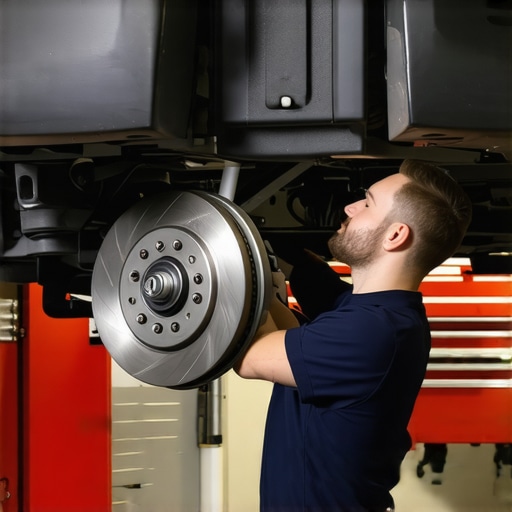
Pulling to one side often points to uneven brake pad wear or warped rotors. To diagnose, safely lift your vehicle using a jack, remove the wheels, and visually inspect the brake pads for uneven thickness. Check the rotors for ridges or pits; feel for warping by running a finger across the surface. During a personal project, I once found a warped rotor causing severe pulling; replacing it instantly improved braking performance. Regular inspection can prevent such issues from worsening.
Check Brake Calipers for Sticking or Leaks
Calipers apply pressure to brake pads; if stuck, they cause uneven braking. To test, press the brake pedal repeatedly with the wheels off—calipers should move freely. Look for signs of leaks or corrosion around the caliper body. I once fixed a stuck caliper by cleaning the sliding pins with a wire brush, restoring proper movement. Lubricating caliper pins is crucial for consistent braking. If you notice persistent sticking, consider rebuilding or replacing the caliper.
Assess Brake Fluid and Hydraulic System
Uneven brake force can stem from low or contaminated brake fluid. Locate the master cylinder, check the fluid level, and inspect its condition—dark or gritty fluid indicates it’s time for a flush. Bleeding the system removes air bubbles that impair performance. I once performed a full brake fluid flush and noticed immediate improvements in brake feel. Regularly replacing brake fluid helps maintain hydraulic efficiency, preventing uneven braking.
Evaluate Suspension Components and Wheel Alignment
Worn suspension parts or bad alignment can contribute to pulling during braking. Visually inspect coil springs, control arms, and tie rods for damage or excessive wear. Take your vehicle for a professional alignment if the steering feels off-center. In a personal story, an alignment corrected a persistent pull, making braking safer and smoother. Staying on top of suspension maintenance is vital for predictable handling.
Test Drive and Fine-Tune Adjustments
After completing inspections and repairs, take your car for a controlled test drive. Accelerate to a safe speed, then brake firmly and observe the vehicle’s response. If it still pulls, revisit the previous steps—sometimes, multiple issues compound. Keeping a log of symptoms and fixes helps track progress. Remember, if problems persist despite these efforts, consulting a professional mechanic at CollisionFixer ensures safe resolution.
 Many car owners believe that scheduling regular oil changes and checking tire pressure are enough to keep their vehicles in top condition. However, this misconception overlooks the intricate details of vehicle maintenance, leading to costly mistakes over time. One common myth is that all auto repairs are equal, which isn’t true—advanced issues like transmission problems or hidden frame damage require specialized knowledge and careful diagnostics. Rushing to a quick fix based on superficial symptoms can trap you into more expensive repairs later. For example, some drivers assume that a simple fluid top-off will solve transmission slipping issues, but in reality, neglecting proper overhaul procedures can cause long-term damage, as highlighted in experts’ insights on [how transmission overhauls save you money in the long run](https://collisionfixer.com/how-transmission-overhauls-save-you-money-in-the-long-run).Maintaining your vehicle’s performance over the long term requires more than just regular oil changes. Investing in the right tools ensures you can diagnose and address issues promptly, saving money and enhancing safety. A quality scan tool, like the Autel MaxiScan MS509, is indispensable for reading and clearing diagnostic trouble codes, providing immediate insights into complex problems such as transmission faults or sensor malfunctions. I’ve personally used this device to identify hidden issues, like a misfiring sensor, before it escalated into costly repairs. Using a digital multimeter, like the Fluke 115, allows precise voltage and resistance testing—crucial for diagnosing electrical problems in your alternator or starter without guesswork.
For brake maintenance, having a brake caliper piston compressor tool ensures you can replace brake pads efficiently without damaging seals—a process I’ve done multiple times during DIY projects. Additionally, a reliable jack and jack stands are essential for safe, at-home inspections. I recommend the Arcan ALJ3T for its stability and ease of use, which has made routine inspections and minor repairs safer and more straightforward.
Preventative maintenance doesn’t stop with tools; software is equally vital. Regularly updating your vehicle’s ECU with manufacturer-specific software, like OEM reprogramming tools, keeps your car running optimally. Manufacturers often release updates that improve transmission shifting or fuel economy, which can be applied during scheduled tune-ups. For instance, using the TopTec OBD2 scanner ensures your vehicle’s systems are running the latest calibrated software, potentially preventing problems like those discussed in [how transmission overhauls save you money in the long run](https://collisionfixer.com/how-transmission-overhauls-save-you-money-in-the-long-run).
Looking ahead, the trend in auto repair is moving toward wireless diagnostic tools and AI-driven maintenance software that predict failures before symptoms even appear. Embracing these advances now will keep your vehicle running smoothly and help you avoid unexpected breakdowns.
**How do I maintain my car’s transmission over time?** Regularly scheduled fluid changes, using the correct OEM-grade transmission fluid, are essential. I recommend performing a transmission fluid flush every 30,000 to 60,000 miles, depending on your driving habits. This proactive step prevents issues like slipping or hard shifts and extends your transmission’s lifespan. For detailed guidance, check out [maximize your car’s lifespan with regular tune-ups](https://collisionfixer.com/maximize-your-cars-lifespan-with-regular-tune-ups). Always remember, investing in the right tools and routine diagnostics today can save you substantial money and stress down the road—so don’t hesitate to try out new equipment like a professional-grade scan tool or a precision multimeter during your next maintenance session.
Throughout my years working auto repairs, few issues have been as consistently misunderstood as car pulling during braking. It’s tempting to dismiss this as an alignment problem, but uncovering the deeper causes can be a game-changer. Embracing the lessons from real-world experiences, I believe understanding the nuances of brake system behavior can save you not just money, but also enhance your safety on the road.
The Hidden Lessons Driving Brake Troubles
- Not every pull is equal: I once encountered a vehicle where uneven rotor surfaces caused a subtle pull that was hard to detect until I thoroughly checked the brake calipers and rotors. It taught me that surface irregularities matter more than just pad wear.
- Calipers can deceive you: A stuck caliper might seem like a minor sticking point, but over time, it leads to uneven pad wear and steering issues. Regular caliper inspections prevent surprises.
- Brake fluid is your silent hero: Contaminated or low brake fluid can cause inconsistent braking response. Flushing the system regularly maintains hydraulic integrity, which is crucial for safe braking performance.
- Suspension and alignment impact brakes: Worn suspension components and misalignment can exacerbate pulling issues, especially during braking. Comprehensive vehicle checks keep everything in harmony.
- The value of proper tools: A quality brake caliper piston compressor and diagnostic scanner can illuminate hidden problems early. Investing in these tools, similar to my trusted essential car maintenance kits, empowers you to take control of vehicle health.
Push Beyond the Basics with Expert Knowledge
Understanding the interconnectedness of brake components and vehicle systems can greatly improve your ability to diagnose and fix issues. Real-world stories, like fixing warped rotors or recalibrating ABS sensors, demonstrate that proactive maintenance saves money and improves safety. With up-to-date diagnostic tools and a mindset geared towards prevention, you can tackle brake issues long before they become emergencies.
Stretch Your Auto Repair Know-How
- Invest in quality diagnostic tools: A tool like the top-rated scanner expedites troubleshooting, saving you time and costly repairs.
- Regular system flushes and inspections: Follow the recommendations in long-term maintenance guides to avoid surprises.
- Stay informed about common pitfalls: Connecting with resources like trusted expert advice keeps you ahead.
- Embrace continuous learning: DIY tips and professional insights foster confidence—remember, every expert was once a beginner.
Your Next Step in Car Care Starts Now
Armed with the right knowledge and tools, you can make informed decisions that uphold your safety and prolong your vehicle’s life. Whether you’re planning a routine brake inspection or tackling a pulling issue head-on, know that expert guidance is always available. Visit CollisionFixer for support whenever you need it, and don’t hesitate to share your experiences or questions below. Your proactive approach today guarantees a smoother ride tomorrow.