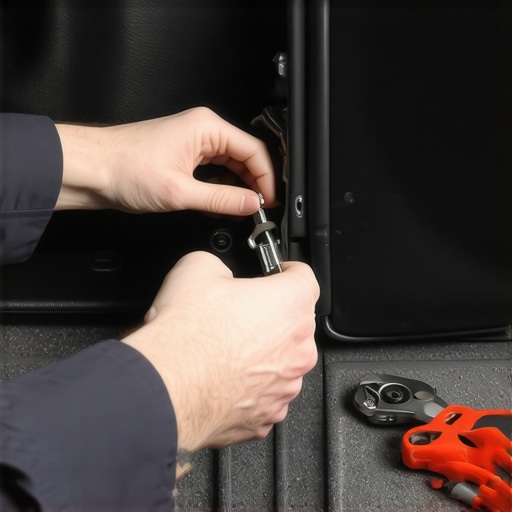
Ever reached into your glove box only to have it stubbornly refuse to open? It’s one of those small annoyances that feels like a minor inconvenience until it happens when you’re in a rush or under the hood of a car that just won’t cooperate. I remember the lightbulb moment when I realized that a broken glove box latch isn’t just an annoyance; it can be a safety hazard if your registration or insurance documents are tucked away and hard to access during a roadside stop.
Why You Shouldn’t Ignore a Broken Glove Box Latch
When the latch gives out, you’re often faced with a simple dilemma: keep struggling or find a quick fix. Trust me, I’ve been there, wrestling with the stubborn, jammed thing for way too long—wasted time and frustration that could’ve been avoided. If left unchecked, a faulty latch can lead to more damage, making repairs pricier down the line. Plus, it’s vital for your car’s security; a loose or broken latch may tempt thieves or cause your documents to get lost on bumpy roads. That’s why I always say, addressing small issues before they turn into bigger headaches is key.
Is Repairing a Glove Box Latch Really Worth It?
Early on, I made the mistake of thinking that a trip to the mechanic was the only solution, which cost me more time and money. It’s simple: most glove box latch repairs are inexpensive and doable with basic tools. If you’re like me, you might worry about messing up or causing more damage. But with a bit of patience and the right instructions, you’ll find that fixing or replacing that latch can be surprisingly straightforward. For ideas on keeping your vehicle in top shape overall, I recommend checking out essential car service tips.
Now that you’re aware of why it’s worth fixing, let’s dive into exactly how to get that latch back in working order without breaking the bank. Ready? Let’s go!
Remove the Glove Box Panel Carefully
Begin by opening the glove box as wide as possible and look for the screws holding the panel in place. Use a screwdriver to unscrew all visible fasteners, keeping them in a small container to prevent loss. As I discovered during my repair, forcing the panel off without unscrewing can break clips or damage the surrounding dash—so patience is key. Once loose, gently pull the panel free, noting any clips or tabs that might need reseating during reassembly.
Assess the Latch for Damage or Wear
With the panel removed, examine the latch mechanism closely. Check if the latch pin is bent, rusted, or broken. During my own fix, I found that dirt and corrosion jammed the latch, kind of like a rusty lock that refuses to budge. Cleaning the latch with a wire brush and applying a lubricant, such as WD-40, improved its movement significantly. If the latch is broken, you’ll need to replace it entirely.
Replace or Repair the Latch
If replacement is necessary, identify your vehicle’s make and model to purchase the correct part. Installing a new latch involves aligning it with the mounting points and securing it with screws. During my attempt, I used a small socket wrench, like tightening a bolt on a bike, to fasten the new latch firmly. Ensure the latch engages properly with the catch inside the glove box—test it multiple times to confirm smooth operation.
Test the New Latch Thoroughly
Before reassembling the panel, close and open the glove box several times to ensure the latch operates reliably. Press the latch with a screwdriver or your finger to simulate the catch; it should hold securely yet open smoothly. I suggest doing this step meticulously, as I once rushed this and had to redo the entire process when the latch failed to secure properly during a drive.
Reattach the Panel and Finalize the Repair
Align the panel’s clips and screw holes with the dash frame, then gently press until clips snap into place. Use your screwdriver to tighten all screws, ensuring the panel is flush and stable. During my fix, I noticed that over-tightening screws can crack plastic components, so tighten just enough to hold everything firmly. Once in place, open and close the glove box a few times to verify everything is aligned correctly and functioning well.
Prevent Future Issues with Routine Maintenance
To keep your glove box latch working smoothly, consider cleaning and lubricating it every few years, especially if you notice stiffness. This simple step can save you from more extensive repairs down the line and keeps your car interior in tip-top shape. Remember, addressing such minor issues early prevents small dents from becoming big repairs, just like with other parts of your vehicle such as your transmission or brake system. For comprehensive guidance on maintaining your car’s overall health, visit essential car service tips.
Most car owners operate under a set of beliefs about vehicle maintenance that, surprisingly, aren’t backed by the latest automotive science or expert recommendations. One widespread misconception is that all auto repairs are costly and complex, leading many to delay essential maintenance or ignore minor issues. However, understanding the nuanced realities of auto repair can save you money and extend your car’s lifespan. For instance, many think that a transmission overhaul is always necessary when shifting feels rough, but in fact, simple fixes like fluid changes or replacing a solenoid can often resolve these symptoms effectively. When dealing with collision repairs, some assume that body shops always use cheap fillers or overlook proper techniques; being informed helps you demand the quality your vehicle deserves. Additionally, there’s a myth that tuning up a car is only for high-mileage vehicles, yet regular tune-ups—including inspecting spark plugs, filters, and fluids—are vital even for newer models to prevent unexpected breakdowns.
What Advanced Repair Mistakes Do Most People Overlook?
One mistake I’ve seen frequently is neglecting to verify whether a repair—like brake pad replacement or oil change—has been performed correctly, especially after a collision or repair at a less reputable shop. This oversight can lead to safety risks or further damage, such as uneven tire wear or engine problems. An expert tip is to always follow up with a detailed inspection, or consult trusted resources for guidance. For example, improper transmission fluid levels or contaminated oil can cause severe long-term damage, but these issues are often overlooked if owners aren’t familiar with proper maintenance procedures. According to automotive professionals, **failing to use the correct type or quantity of fluids can dramatically shorten a vehicle’s lifespan** and lead to costly repairs down the line—so online guides or a trusted mechanic can be your best allies in avoiding these pitfalls. It’s wise to remember that routine maintenance, when done properly, is a form of preventive care, much like visiting a doctor regularly—both support longevity and health. For comprehensive tips on maintaining your car’s health, check out these expert car service tips. Hands-on knowledge and vigilance are your best tools to avoid the most common and costly repair mistakes. Have you ever fallen into this trap? Let me know in the comments.
Proper maintenance and repairs rely heavily on having the right tools at your disposal. Over time, investing in quality equipment can save you money and ensure your work is precise and safe. One tool I personally swear by is a digital multimeter, which helps me diagnose electrical issues quickly and accurately. For example, when troubleshooting a misfire or checking your battery’s health, a multimeter allows you to measure voltage and resistance without guesswork. I recommend models like the Fluke 117, renowned for its durability and accuracy, especially if you’re serious about DIY repairs. Additionally, a good set of socket wrenches with metric and standard sizes is essential, but what sets mine apart is the inclusion of precision ratchets that help me work in tight spaces without stripping fasteners. When working on transmission components or delicate sensors, these tools prevent damaging screws or bolts, saving time and money.
How do I maintain my tools over time?
Regular cleaning, proper storage, and calibration are key. Keep your wrenches and screwdrivers clean and dry; a simple wipe-down after each use extends their lifespan. For electrical tools, periodically checking and recalibrating (if applicable) ensures continued accuracy. Investing in a quality tool organizer prevents clutter and makes it easier to find that elusive socket set when you need it. Looking ahead, technological advancements like wireless diagnostic scanners are making vehicle troubleshooting more efficient. Using software like OBD-II scan tools, which connect directly to your smartphone or laptop, allows you to quickly read error codes and get detailed insights. I personally use the BlueDriver Bluetooth Scanner because it offers professional-grade diagnostics for personal use. When fixing complex systems such as your transmission, these tools cut down diagnostic time and help you make informed repairs. I urge you to try out a diagnostic scan with your smartphone using an OBD-II device—it’s a game-changer in auto maintenance. To ensure your tools remain effective, also periodically verify their condition against official technical standards, such as those outlined in professional automotive diagnostics guidelines. Proper maintenance of your toolkit directly correlates to successful long-term vehicle care, minimizing trips to the mechanic and preventing costly breakdowns. Want to boost your car’s lifespan? Focusing on tool upkeep and investing in the right diagnostic equipment can make all the difference, so get started today!
Through my journey fixing minor car issues like a stubborn glove box latch, I’ve realized that some of the most valuable lessons come from embracing challenges head-on. Tackling these small repairs unlocks a deeper understanding of your vehicle’s inner workings, empowering you to save money and avoid unnecessary trips to the mechanic. Every successful fix boosts confidence, proving that with patience and the right guidance, DIY auto repairs are within reach for many enthusiasts.
Beyond the Manual: What I Wish I Knew About Car Maintenance
- I underestimated the importance of routine lubrication—lubricating your glove box latch and other moving parts can prevent corrosion and costly repairs, as I discovered firsthand.
- Not all repairs require expensive tools; sometimes, simple household items and careful patience make all the difference, reducing the intimidation factor.
- Paying close attention during reassembly and testing can save hours of troubleshooting later. I learned this when I rushed my initial repair and had to redo it.
- Understanding your vehicle’s specific components, like the latch mechanism in your glove box, helps in diagnosing and addressing issues promptly—knowledge that can be bolstered by trusted resources.
- Consistent maintenance, such as cleaning and lubricating moving parts, can dramatically extend their lifespan and prevent unexpected breakdowns, making DIY care a proactive defense.
Tools I Trust for the Job
- Digital Multimeter: Essential for electrical diagnostics; I rely on my Fluke 117 to verify circuits and avoid guesswork, ensuring precise repairs.
- Socket Wrench Set: A quality set with ratchets helps in tight spaces without damaging fasteners, making everything from latch replacements smoother.
- Cleaning Supplies and Lubricants: A simple wire brush and WD-40 are surprisingly effective for clearing rust and ensuring smooth operation of parts like latches.
- Online Resources and Guides: Websites offering step-by-step tutorials, like the detailed repair methods at collisionfixer, have been invaluable in guiding my DIY projects.
Besides these, I find that keeping my tools well-maintained and calibrated ensures consistent results, reducing frustration and preventing damage during repairs.
Embrace the Journey: Your Car Repair Adventure Awaits
Embarking on DIY repairs like fixing a glove box latch not only saves money but also cultivates a deeper connection to your vehicle. Each successful fix builds confidence and pride, transforming minor inconveniences into opportunities for learning. Remember, every seasoned mechanic started somewhere, and your effort today paves the way for greater automotive mastery tomorrow. Ready to roll up your sleeves and tackle your next car project? The satisfaction of a job well done is just a tool and a bit of patience away.
What small repair have you been hesitant to try but are now thinking of giving a shot? Share your stories below—your experience might inspire someone else to start their own DIY journey!