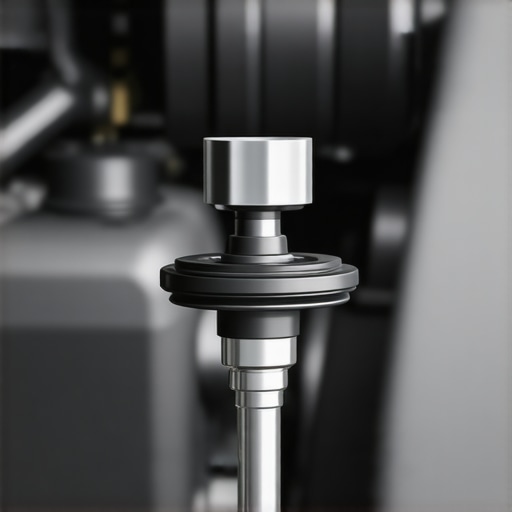
It was late afternoon when I first noticed it—a rough, chugging idle that made my stomach sink every time I started my car. I remember leaning into the steering wheel, hoping it was just a fluke, but deep down I knew something wasn’t right. After years of tinkering with my own vehicles, I had learned to listen to those subtle warning signs. But this time, I was stumped. The engine was sputtering, and I couldn’t ignore the nagging thought that my car was telling me something was seriously off.
That night, I did a bit of research and stumbled upon a surprisingly simple fix—a $15 part called the PCV valve. My initial reaction? Skepticism. Could such a small, inexpensive component actually make that much difference? But desperate for a solution, I took the leap.
What I found changed my approach to car maintenance forever. Turns out, many rough idling problems stem from a neglected or faulty PCV valve, which is responsible for ventilating the engine and reclaiming harmful gases. When it gets clogged or stuck, it causes a nasty rough idle, poor fuel economy, and even increased emissions.
Now, I want to share what I learned so you don’t have to go through the same frustration. Today, we’re going to explore how a tiny valve can wreak havoc on your engine’s performance—and more importantly, how a quick, inexpensive fix can restore that smooth idle you might be missing. Whether you’re a seasoned DIYer or just starting out, fixing your PCV valve is one of the easiest ways to breathe new life into your car.
But here’s the thing—many folks overlook this small but crucial part, often spending hundreds at the shop when the solution is just a few bucks and a bit of know-how. Before diving into the how-to, I want to address a common fear: Is replacing the PCV valve really worth the effort? Believe me, I’ve made my share of mistakes—like replacing parts that didn’t need it—so I get it. Trust me, with just a few minutes and a couple of tools, your rough idle can become a thing of the past.
Why does this matter now? Well, a smooth-running engine isn’t just about comfort. According to the Department of Energy, proper vehicle maintenance can improve fuel efficiency by up to 4%, saving you money and reducing your carbon footprint. Plus, fixing simple issues early can prevent more costly repairs down the road.
Now that you’re primed with the why, let’s get into how you can tackle this problem. If you’ve ever faced a rough idle or wondered if your car is trying to tell you something more serious, keep reading. Fixing a faulty PCV valve might just be the upgrade your engine needs—without breaking the bank or spending hours under the hood.
Gather Your Tools and Parts
Start by assembling the essentials: a new PCV valve compatible with your vehicle, screwdrivers, pliers, and gloves. I remember the first time I attempted this, I nicked my knuckles a bit, but having the right tools made all the difference. It’s like trying to fix a leaky faucet—you need the proper wrench, not just a butter knife.
Locate the PCV Valve in Your Engine
Open the hood and find the valve; it usually sits on or near the intake manifold, connected by hoses. In my case, it was tucked behind the engine, slightly hidden. Use a flashlight if needed. Think of it like finding the thermostat—small but crucial to weight your engine’s health.
Remove the Old PCV Valve
Detach hoses connected to the valve, carefully pulling or unscrewing it. Sometimes, the valve gets stuck—this is where pliers are handy. During my first try, I had to wiggle it gently to avoid damaging hoses. Remember, patience is key—rushing can snap plastic tabs or cause leaks later.
Dealing with a Stubborn Valve
If it refuses to budge, spray a little WD-40 around the base and let it soak for a few minutes. When I did this, the old valve loosened easily, and I avoided the risk of breaking connectors. It’s a technique similar to loosening rusted bolts on a bumper—multiple gentle attempts work better than brute force.
Install the New PCV Valve
Insert the new valve into the socket, ensuring it clicks or screws in securely. Reconnect all hoses, making sure they are snug. I like to double-check connections by giving hoses a slight tug—if they move, tighten further. This step is like fitting a new filter—precision ensures it functions correctly.
Test the Installation
Start your engine and observe for irregular sounds or leaks. Smooth operation indicates success. In my case, the engine responded with a steady idle, and the roughness I’d felt vanished. Just like tuning a guitar string, small adjustments can make a big difference in performance.
Final Tips for Success
Always consult your vehicle’s manual for specific parts and procedures. If unsure, reaching out to professionals via contact us can save time. Remember, this quick maintenance can boost fuel efficiency and prolong your engine’s lifespan—similar benefits you find with regular tune-ups. Keep your car running smoothly by staying proactive with these simple steps.Many vehicle owners operate under misconceptions that can lead to costly mistakes. While everyone advocates for routine oil changes and regular tune-ups, fewer realize the importance of understanding the nuances that distinguish amateur maintenance from expert-level auto repair. For instance, a common myth is that transmission overhauls are always necessary after a certain mileage—however, recent studies suggest that proper maintenance can significantly extend transmission life if caught early, as detailed in this article.
What most people overlook is the subtle signs that point to deeper issues. For example, a shuddering transmission might seem like a simple fluid issue, but often it indicates internal component wear that prematurely ages the entire system. Waiting too long to address these signs, or misdiagnosing them as minor, can lead to catastrophic failures. An advanced mistake many DIY enthusiasts make is neglecting to verify the health of the entire drivetrain during service, which can leave other problems undetected, compounding costs over time.
Another nuance is the significance of proper cooling system maintenance. Regularly flushing your coolant is essential, not just for preventing overheating but for avoiding corrosion and internal blockages that can damage the engine, as discussed in this guide. Skipping this step often traps owners into expensive repairs by overlooking the impact of degraded coolant quality.
Stylish yet dangerous, high-performance engine tuning might seem appealing for better power, but doing so improperly can cause unanticipated engine stress, particularly on pistons and valves. Experts emphasize that a balanced tune-up involves precise adjustments to preserve engine longevity—something less experienced garages might overlook in pursuit of quick fixes. The pitfalls of underestimating these nuances are documented in the importance of regular tune-ups.
In addition, many assume that any car with a check engine light needs immediate expensive repairs. However, car diagnostics have advanced to the point where simple sensor errors can trigger false alarms. For example, a dirty sensor can cause the emissions system to act up, but cleaning it might suffice rather than replacing costly components. Knowing the difference is key to avoiding unnecessary expenses.
In conclusion, understanding these hidden nuances can save you hundreds or even thousands of dollars, and preserve your vehicle’s health longer. Remember, not all repairs are created equal, and a small oversight today can translate into big headaches tomorrow. Always question conventional wisdom, stay informed, and consider consulting an expert if you’re unsure. To get started, take a look at this article on engine issues and avoid falling into common traps. Have you ever fallen into this trap? Let me know in the comments.
Keeping Your Vehicle Functional: Tools and Techniques
Maintaining your car’s performance over time hinges on having the right tools and adopting disciplined practices. From diagnostic devices to quality lubricants, every component plays a vital role. Personally, I rely on a high-quality code scanner, like the BlueDriver Bluetooth Professional, because it provides comprehensive diagnostics directly to my smartphone, allowing quick identification of issues before they escalate. For routine maintenance, I swear by a set of precision torque wrenches, such as the Click Type Torque Wrench from Tekton, ensuring I tighten bolts to manufacturer specifications—crucial for components like the transmission or suspension that demand exact torque levels. These tools help me avoid over-tightening or damaging sensitive parts, which could lead to costly repairs down the line.
Moreover, investing in a multi-meter is indispensable for electrical troubleshooting—whether checking battery health or sensor outputs. I personally prefer a digital multimeter with hold functions, like the Fluke 117 Electrician’s Multimeter, because its accuracy and ease of use reduce time spent diagnosing issues. When it comes to fluids, I always keep a quality funnel and refractometer on hand to verify coolant and oil quality, helping prevent overheating and engine wear.
Tools That Drive Long-Term Success
Beyond hand tools, software tools are game-changers. For instance, regular tune-ups rely heavily on diagnostic data to schedule preventative maintenance. I use OEM-specific scan software, like Autel Maxisys, which offers detailed parameter readings for different vehicle makes, and guides me through precise calibration procedures. This proactive approach not only extends the life of parts like filters and spark plugs but also ensures the engine runs at peak efficiency.
In terms of future trends, the integration of AI-driven diagnostics promises even smarter maintenance routines, minimizing guesswork. As vehicles become more connected, tools that analyze real-time data to predict failures will become standard, reducing downtime and repair costs.
How do I keep my car running smoothly without constant trips to the mechanic?
The answer lies in consistent, informed maintenance—staying ahead of issues with the right tools and knowledge. Regularly inspecting critical components, such as your transmission, can save you from major overhauls. For example, following these tips for transmission care ensures longevity and optimal shifting performance.
If you’re serious about long-term vehicle health, consider investing in a diagnostic tablet with OEM capabilities. Not only will this allow you to read error codes, but it will also enable you to reset adaptive parameters after repairs—a step many overlook. To get started, try advanced troubleshooting with a sensor wipe method I detailed in this guide. It’s a simple yet effective way to address idle surges that can plague older vehicles. With the right approach and tools, you can keep your car running smoothly and save money in the long run.
The Hardest Lessons I Learned About Auto Repair, CollisionFixer, Transmission, Tune Up, Car Service
One key realization was that sometimes, the smallest components, like the PCV valve, have an outsized impact on engine performance. Forgetting to check simple parts can lead to costly repairs, a mistake I’ve made more than once. Another lesson was the importance of patience and proper tools—rushing or improvising often results in damage or incomplete fixes. Lastly, I discovered that understanding your vehicle’s unique needs and staying proactive with regular maintenance can save a lot of headaches and money in the long run.
My Go-To Tools and Resources for Smart Car Care
I rely heavily on a good code scanner like the BlueDriver Bluetooth Professional for quick diagnostics since it’s reliable and user-friendly. A digital multimeter, such as the Fluke 117, helps me verify electrical issues efficiently. For routine tasks, a quality torque wrench like the Tekton Click Type ensures I tighten bolts correctly. For deeper knowledge, I turn to these comprehensive tune-up guides and trusted articles on specific problems. Staying informed and equipped is the secret to maintaining my vehicle’s health over time.
Your Next Move: Embrace Confident Car Maintenance
Taking charge of your car’s health doesn’t have to be intimidating. With the right knowledge and tools, you can tackle common issues like rough idling and extend your vehicle’s lifespan. Remember, addressing small problems early often prevents major breakdowns later. So, get inspired, stay curious, and don’t be afraid to start fixing things yourself. Your car—and wallet—will thank you for it. What part of your car maintenance routine would you like to improve next? Share your thoughts below.