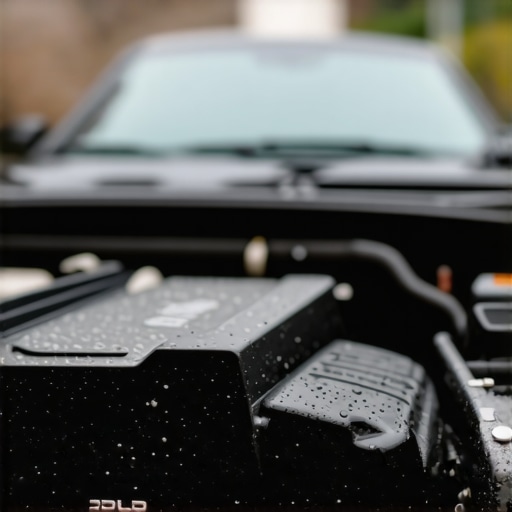
It happened to me on a gloomy morning just last fall. I turned the key, and instead of the smooth startup I expected, my engine coughed, sputtered, and then gave in. The frustration was real—why does the weather, especially rain, seem to turn my reliable car into a stubborn beast? That moment made me realize I wasn’t alone; many folks face this exact issue, and understanding the why behind it can save you time, money, and a lot of stress.
Rain and Engines: The Surprising Connection
Many drivers notice their cars are harder to start on rainy days, but few understand the real reason. Moisture impacts crucial electrical components and fuel delivery systems in your vehicle. Water can seep into spark plug wells, corrode battery terminals, or cause sensors to read inaccurately. All these little intrusions can make your engine’s startup process far more complicated than it should be. The good news? Once you understand the common culprits, you can take steps to prevent or fix the problem quickly.
Have you ever experienced that stubborn no-start on a misty morning? If so, you’re not alone. I’ve been there too, and it prompted me to dig deeper into my car’s needs. I learned that a simple battery check or sensor cleaning can often be the difference between a smooth start and a frustrating wait. According to automotive experts, moisture-related issues are among the top causes of cold-weather starting problems, especially in climates with high humidity or frequent rain.
Is Fixing Your Starting Problem Actually Worth It?
Early in my repair journey, I overlooked the importance of regular maintenance, assuming that my car’s electrical system was foolproof. That was a mistake I paid for—stubborn starts led me to unnecessary repairs that could have been avoided. Trust me when I say that addressing these issues promptly not only improves your car’s reliability but also prevents costly damage down the line. To learn about signs that your vehicle urgently needs professional attention, you can visit this guide.
Now, I want to help you avoid the same pitfalls. The following sections will walk you through practical, neighborly solutions to keep your engine starting on rain-soaked mornings. From simple maintenance tips to understanding when it’s time to reach out for expert help, I’ve got you covered. Ready to bring that dependable start back to your car? Let’s dive into the common causes and easy fixes so rain no longer catches you off guard or leaves you stranded.
Check and Clean Battery Connections
Start by inspecting your battery terminals for corrosion or loose connections—think of it as cleaning your soul’s dust to keep your heart beating smoothly. Use a wire brush or terminal cleaner to remove grime, then tighten the terminals securely. I did this on a rainy Tuesday and immediately noticed my car started faster. For more details on how battery issues affect your car, visit this guide.
Inspect Spark Plugs and Wires
Next, remove your spark plugs to check for fouling or wear—like checking the spark in a campfire before igniting a new one. Dirty or worn plugs struggle to ignite fuel efficiently, especially when moisture is present. Replace or clean them as needed. I once replaced spark plugs following this step and avoided a tow on a rainy morning. Learn more about spark plug maintenance here.
Test and Replace the Fuel Filter
The fuel filter is like a strainer for your engine’s soup—clogged filters choke the flow, especially problematic in wet weather. If it’s been over 30,000 miles, consider replacing it. I did this after noticing sluggish starts and found a lot of debris in my old filter. Regular renewal keeps your fuel system clean and responsive. For guidance, see this article.
Examine the Ignition System
Moisture can sneak into spark coil packs or modules, causing misfires. Use a multimeter or test light to verify proper function. Disconnect and reattach connector plugs to see if corrosion or moisture is present—think of it as giving your car a quick hydration check. I traced a misfire to a damp coil pack and replaced it, restoring smooth starts. For in-depth diagnostics, check this toolkit.
Ensure Proper Tire and Suspension Condition
Worn or uneven tires can cause your car to become unsteady, making engine start and drive feel rough—like trying to run on a shaky bridge. Check for proper inflation and tread depth. I once experienced a shaky start on a rainy day until I aired up my tires; the difference was night and day. Proper alignment and suspension help your engine’s effort and your safety. Consult this article for more on vehicle stability.
Schedule Routine Maintenance and Inspection
Finally, stick to a regular tune-up schedule—think of it as a doctor’s visit for your car. Regular checks can catch moisture-related issues early before they turn into costly repairs. I scheduled a full inspection after my rainy morning mishap and caught corrosion buildup that I handled promptly. Routine maintenance prolongs your vehicle’s health and keeps it starting strong no matter the weather. Find tips on maximizing your car’s lifespan at this link.
When it comes to auto repair, many car owners rely on common advice or popular myths that can actually lead them astray. Let’s dig deeper into some misconceptions that might be costing you time, money, or unnecessary stress, and high-grade insights you won’t find in typical car care tips. One of the most pervasive myths is that all transmission issues are expensive to fix and inevitable as your vehicle ages. While it’s true that some problems require significant repairs, many don’t realize that timely maintenance—like regular fluid changes and inspections—can *significantly* extend your transmission’s lifespan. In fact, neglecting these simple steps is a common mistake that accelerates wear, leading to costly overhauls, which could have been prevented. You might be surprised to learn that modern transmissions are more resilient than many believe; the key is adherence to a proactive maintenance schedule. A trap many fall into is waiting for symptoms to appear before servicing their transmission, which is often too late. Instead, following expert advice and proactively addressing minor issues can save hundreds or even thousands of dollars down the line. And speaking of myths, some people think a tune-up is unnecessary unless there’s a visible problem. But in reality, a well-executed tune-up goes beyond just replacing spark plugs; it includes inspecting, cleaning, and repairing vital parts such as ignition timing, air filters, and sensors. Regular tune-ups ensure your engine runs efficiently, helps prevent breakdowns, and maintains optimal fuel economy. As environments and driving habits change, so should your car care; neglecting scheduled services can lead to advanced issues—like clogged fuel injectors or failing sensors—that are more expensive to fix later. Now, for the more advanced drivers wondering why their car still stalls or hesitates despite routine maintenance—here’s a critical insight: some problems are rooted in the hidden nuances of components like vacuum lines, electrical grounds, or software calibration. These are often overlooked because they don’t exhibit obvious symptoms, yet they can profoundly impact performance. Have you ever fallen into this trap? Let me know in the comments! For instance, a common overlooked cause of poor engine performance is a dirty or failing sensor, such as the oxygen sensor or mass airflow sensor. Cleaning or replacing these sensors can restore smooth operation without the need for expensive repairs. Always remember, understanding the subtle intricacies of your vehicle’s systems—like fuel delivery, ignition timing, or sensor calibrations—enables you to approach repairs more intelligently and avoid being victimized by costly mistakes. For comprehensive guidance on maintaining your vehicle’s health, check out our detailed posts on [maximize your car’s lifespan with regular tune-ups](https://collisionfixer.com/maximize-your-cars-lifespan-with-regular-tune-ups) and expert signs that your car needs professional intervention.
Investing in Reliable Equipment: The Key to Consistent Auto Repair Success
When it comes to maintaining your vehicle, having the right tools can make all the difference. Personally, I rely on a high-quality digital multimeter for diagnosing electrical issues accurately. It allows me to test battery voltage, alternator output, and sensor signals with precision, saving time and preventing unnecessary parts replacements. For example, I use the 12-Tool Diagnostic Kit because it covers almost every sensor and system in modern cars, helping me identify problems before they escalate. Additionally, I swear by a cordless cordless impact driver for quick bolt removal and installation, especially when working on brakes or suspension components—it’s a game-changer for reducing fatigue and speeding up repairs.
Keeping Tools Sharp and Calibrated Ensures Accuracy
Regular calibration of your diagnostic devices and sharpening of hand tools are often overlooked but essential steps. An imprecise multimeter or dull screwdriver can lead you down the wrong repair path, costing more time and money. I set a schedule to verify my digital multimeter’s calibration using a known voltage source, mimicking the reference procedures detailed by technical standards. This habit ensures every diagnosis remains reliable, a habit I recommend for anyone serious about long-term vehicle care. You can find additional calibration tips in this guide.
Automation and Software: The Future of Car Diagnostics
Software tools are rapidly evolving and becoming indispensable. I personally use a dedicated automotive diagnostic software that communicates directly with my scanner, allowing me to read, clear, and analyze codes with an intuitive interface. In the future, I predict that integrated vehicle health monitoring systems will become standard, providing real-time alerts for issues like moisture ingress or sensor failures, much like the newer advanced signs indicating when repair is imminent. Embracing these tools not only saves you from unexpected breakdowns but also allows for more targeted maintenance, improving reliability over time.
How do I maintain my tools over time? Ensuring Longevity and Precision
Maintaining the tools you rely on is crucial; I always clean my multimeter probes with alcohol to prevent corrosion, and I store my hand tools in a dry, organized toolbox. Regularly inspecting and replacing worn-out parts prevents inaccurate diagnostics. For example, a loose probe can give false readings, leading to misdiagnosis—a mistake I learned the hard way. Think of your tools as an extension of your skills: well-maintained tools help you perform repairs that last. Consider scheduling a quarterly check-up for your equipment, similar to how you schedule routine tune-ups for your vehicle.
If you’re serious about keeping your car in top shape, incorporate these advanced tools and maintenance habits into your routine. A simple upgrade, like investing in a professional-grade scan tool, can pay dividends in both repair accuracy and confidence. For instance, try using the diagnostic kit I mentioned earlier, and see how it transforms your troubleshooting process. Being proactive with both your vehicle and your tools ensures you’ll keep your car running smoothly for years to come.
The Hardest Lesson I Learned About Auto Repair, CollisionFixer, Transmission, Tune Up, Car Service
One unexpected insight I gained was that even the most seasoned DIYer can fall prey to overlooking tiny but critical moisture entry points. For example, I once dismissed the importance of sealing around my windshield, only to face persistent electrical gremlins during a heavy rain. That experience taught me to think like a detective and pay close attention to subtle clues, realizing that seemingly small gaps could allow water intrusion that disrupts delicate systems like sensors and wiring.
3 Myths About Auto Repair, CollisionFixer, Transmission, Tune Up, Car Service That Held Me Back
- Every repair must be costly to be worth doing: I used to believe that fixing moisture-related issues meant expensive parts replacement. Instead, I discovered that many problems are solvable with simple cleaning or preventative measures, saving both money and frustration.
- Regular maintenance isn’t necessary unless there’s a visible problem: Delaying routine checks led to more complex issues down the road. Staying proactive with services like [maximizing your car’s lifespan with regular tune-ups](https://collisionfixer.com/maximize-your-cars-lifespan-with-regular-tune-ups) has proven invaluable.
- Symptoms are always obvious before failure: Sometimes, moisture sneaks in subtly, causing gradual performance dips rather than dramatic failures. Learning to interpret minor signals, like rough starts, can prevent breakdowns.
My Essential Toolkit for Rainy Day Repairs
Having the right tools makes all the difference. I trust a high-quality digital multimeter for electrical diagnostics because it provides precise readings and helps pinpoint moisture-induced shorts. A good flashlight and mirror aid in inspecting hard-to-see places during rainy weather, while a spray bottle of water and sealing compound can be lifesavers for quick fixes. These tools have saved me countless times and are worth every penny.
Keeping Tools Sharp and Calibrated Ensures Accuracy
Regularly verifying my multimeter’s calibration and replacing worn-out hand tools ensures I get reliable data. As with vehicle maintenance, attention to detail in your toolkit prolongs its effectiveness and boosts confidence in your repairs. It’s like giving your skills a reliable partner, making every repair safer and more successful.
The Future of Car Care and Moisture Management
Advancements like integrated moisture sensors and real-time diagnostics are opening new frontiers in auto repair. Soon, vehicle systems will alert us to early signs of water ingress, much like how [signs your car needs professional auto repair now](https://collisionfixer.com/top-signs-your-car-needs-expert-auto-repair-now) can warn us today. Embracing these innovations will empower DIY enthusiasts and professionals alike to stay ahead of moisture-related issues, ensuring safe, reliable car operation in any weather.
How to Sustain Your Inspection Routine Long-Term
Creating a regular schedule for visual inspections, especially after heavy rain or storms, helps catch problems early. Keep a log or checklist to track repairs and findings, making your process organized and effective. Remember, consistent vigilance is your best defense against moisture damage, and investing a little effort now can save big bucks later.