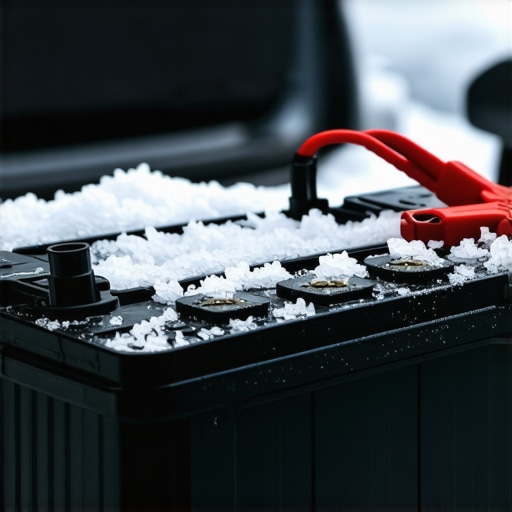
I remember the first time my car refused to start on a freezing January morning. That sinking feeling, the frantic turning of the key, only to be met with a sluggish crank or complete silence. It was a lightbulb moment—something was happening every winter that I hadn’t fully understood. Turns out, my battery was the culprit, but not for the reasons I initially guessed. It was a harsh awakening, realizing that cold weather doesn’t just mean snow and frost; it can also be a silent killer for your car’s power source.
The Winter Battery Mystery: More Than Just Cold
Every year, countless drivers face the same frustrating issue: their car batteries drain or die altogether during the colder months. Why does this happen? Most assume it’s simply the cold weather sapping their battery’s strength. While temperature does play a role, the real problem is often a combination of factors that make winter the perfect storm for battery failure. From increased energy demands for heating systems to older batteries struggling to perform, there’s more at play than meets the eye.
Research from the Department of Energy highlights that cold temperatures can reduce a typical lead-acid battery’s capacity by up to 50%, making it harder for your car to start. That explains why your car might start perfectly fine in summer but leave you stranded in winter.
But here’s the kicker—many of us, including myself at first, ignore early warning signs and fall into common traps. My mistake early on was dismissing minor sluggish starts, thinking they’d improve with a new battery or warmer weather. Instead, neglecting these signs can lead to a complete breakdown when we need our cars the most. For instance, I learned the hard way that ignoring corroded terminals or a weak alternator can accelerate battery failure dramatically.
If you’ve been grappling with unexplained dead batteries every winter, it’s time to understand what’s really happening and how to prevent it. We’ll explore practical, straightforward steps to give your battery a fighting chance during those cold months—so you won’t be left stranded again.
Will these tips really make a difference?
You might be skeptical—I’ve been there. Maybe you’ve tried jump-starting or swapping out batteries only to find the problem returns. I get it. Early in my auto repair journey, I made the mistake of assuming a new battery was the ultimate fix, ignoring underlying issues like poor alternator performance or parasitic drains. But with a bit of knowledge and some simple maintenance, I discovered you can dramatically extend your battery’s life through easy checks and proactive care.
So, are you tired of dealing with dead batteries every winter? Let’s dive into how you can outsmart the cold and keep your car running smoothly all season long.
Test Your Battery’s Health Regularly
I recall a winter when I ignored my old battery’s warning signs, leading to a dead car on a frosty morning. To avoid such surprises, use a multimeter or visit your mechanic for a comprehensive test—especially before winter sets in. This helps identify if your battery’s capacity has dropped below safe levels, allowing you to replace it proactively.
Check and Clean Terminals and Cables
Corrosion on terminals can impair electrical flow, making it harder for your battery to deliver power. In one instance, I noticed sluggish starts and traced it to white grime on the terminals. Disconnect the cables, scrub the posts with a mixture of baking soda and water, and reconnect them tightly. This simple step ensures optimal conductivity and can prevent unexpected failures.
Inspect the Charging System
An underperforming alternator can leave your battery drained even if it’s new. I once experienced a flickering dashboard and dim headlights, signs of a faulty alternator. Use a multimeter or visit [Collision Fixer](https://collisionfixer.com/how-to-diagnose-a-bad-alternator-with-a-simple-multimeter) for a quick check. Ensuring your charging system works properly keeps your battery charged during all seasons.
Limit Power Drain during Idle
Leaving headlights, interior lights, or electronic devices on when the engine is off drains the battery. I learned this the hard way when my car wouldn’t start after a long coffee break. Make it a habit to turn off these accessories when parked, and consider installing a switch to cut power completely. This practice conserves battery life for crucial moments.
Use a Battery Tender or Trickle Charger
When parking your car for several days in cold weather, connect it to a battery tender or trickle charger. I used one during a snowy week, preventing deep discharges that compromise battery health. These devices slowly recharge your battery, ensuring it remains at optimal capacity and ready to start when you need it.
Ensure Adequate Mounting and Insulation
A loose or poorly insulated battery can succumb to temperature extremes faster. I found my battery shifted slightly during a service, which led to intermittent starts. Secure it firmly and consider insulating it with a battery blanket or foam if you’re in an area with extreme cold. Proper mounting and insulation reduce stress on the battery and prolong its lifespan.
Schedule Professional Tune-Ups
Regular tune-ups keep your entire vehicle’s electrical system in check. Visiting a mechanic for routine inspections can catch underlying issues like parasitic drains or alternator problems before they drain your battery. For tips on maintaining your car, see [maximize your car’s lifespan with regular tune-ups](https://collisionfixer.com/maximize-your-cars-lifespan-with-regular-tune-ups).
Monitor Warning Signs and Take Prompt Action
Don’t ignore dimming headlights, slow engine cranks, or dashboard warning lights. During one winter, noticing my dashboard flickering prompted an immediate visit, and the mechanic identified a weak alternator. Addressing small issues early can save you from being stranded in freezing weather. For more signs to watch out for, visit [top signs your car needs expert auto repair now](https://collisionfixer.com/top-signs-your-car-needs-expert-auto-repair-now).
Many drivers operate under common myths about transmission, car service, and tune-ups that can lead to costly mistakes. For example, a widespread misconception is that replacing a transmission fluid is always a simple oil change—what many overlook is the importance of using the correct fluid type and performing a proper flush, which can significantly extend transmission lifespan. Overlooking this nuance often results in premature wear or shuddering, as detailed in expert analyses. Another error involves scheduling unpredictable full system overhauls; in reality, targeted diagnostics can reveal specific issues like a failing sensor or a clogged filter, avoiding unnecessary expenses and downtime.
Why do some seemingly minor auto repairs turn into recurring problems?
It’s often because car owners or even some mechanics fail to consider the interconnectedness of vehicle systems. For instance, neglecting a small sensor cleaning can trick the engine control module into misfiring or running inefficiently. Studies indicate that ignoring these details accelerates component deterioration, leading to bigger failures down the line. Visiting https://collisionfixer.com/how-transmission-overhauls-save-you-money-in-the-long-run can provide clear insights on how strategic repairs save money and prevent frustration. Many believe that car maintenance can be a set-and-forget task, but in reality, advanced issues often hide beneath seemingly insignificant symptoms. Recognizing the difference between routine upkeep and diagnosing hidden problems requires experience and knowledge, which is why consulting an expert is vital. Avoid falling into the trap of overlooking early warning signs—dimming dashboard lights, unusual noises, or irregular shifting patterns. Regular inspections, like those discussed at https://collisionfixer.com/top-signs-your-car-needs-expert-auto-repair-now, can uncover these issues before they escalate. Remember, proper auto service isn’t just about changing parts; it involves understanding complex, nuanced systems and addressing the root causes rather than just the symptoms. This proactive approach not only extends your vehicle’s life but also saves you money and stress in the long run. Have you ever fallen into this trap? Let me know in the comments.When it comes to keeping your vehicle reliable and performing at its best over time, having the right tools and understanding effective methods can make all the difference. A key aspect I emphasize in my auto repair approach is utilizing diagnostic equipment that provides precise insights into your car’s health. For example, a high-quality OBD-II scanner like the Autel MaxiCOM series allows me to quickly identify engine codes, sensor issues, or transmission faults without guesswork, streamlining repairs and maintenance. I personally rely on this tool during routine tune-ups to catch minor problems before they escalate, saving both time and money.
In addition to diagnostic gear, I advocate for investing in specialized service products. Using the correct transmission fluid, for instance, is critical. I always refer to manufacturer guidelines and prefer reputable brands such as Valvoline Multi-Vehicle ATF, which I’ve found to prolong transmission longevity. Proper fluid type and proper filling techniques, like checking transmission fluid without a dipstick as described here, ensure smooth gear shifts and prevent costly overhaul risks.
For preventative care, I recommend keeping a detailed maintenance log—digital if possible. Apps like CarMD can track service intervals, alert you to upcoming fluid changes, and even remind you of potential issues flagged during inspections. Over the years, this proactive approach has helped me extend vehicle lifespan and avoid emergency repairs. The trend in auto care is heading toward smarter, connected tools that sync with your car’s systems, providing real-time health reports and predictive maintenance alerts.
How do I maintain a vehicle over time? The answer lies in integrating meticulous diagnostic checks, using the right consumables, updating your knowledge with trusted resources, and following scheduled tune-ups. Regularly testing your battery’s health with a multimeter, or better yet, a dedicated battery tester, can prevent winter failures—especially important in colder regions.
One specific maintenance tip I emphasize is performing a full coolant system flush every 2-3 years, which can greatly improve heater performance and prevent engine overheating. This process is complex but crucial; I recommend scheduling professional service to ensure it’s done correctly, as improper flushing can cause air pockets or leaks. For a comprehensive guide, check out this detailed procedure.
Investing in quality tools and proactive maintenance practices is essential. Don’t hesitate to try advanced techniques like using a digital multimeter for alternator testing or learning how to check transaxle fluid levels yourself. These skills not only save money but also empower you to diagnose problems early, ensuring your vehicle stays dependable for years to come. If you’re serious about long-term car care, exploring techniques like these will make a noticeable difference in your vehicle’s performance and lifespan. To get started, consider practicing the method of testing your battery voltage with a multimeter as outlined here—an easy, effective step to stay ahead of potential issues.
Lessons That Changed My Auto Repair Perspective
- One of the most profound lessons I learned about transmission maintenance is that quick fixes often mask deeper issues. Relying solely on fluid flushes without diagnosing underlying problems can lead to recurring troubles, as highlighted in this insightful guide. Now, I focus on targeted diagnostics before any major repair.
- The myth that a brand-new battery guarantees winter readiness is just that—a myth. I realized that even new batteries can fail if connections are corroded or the charging system is faulty. Regular terminal cleaning and electrical system checks, like those discussed here, can save you headaches.
- Overlooking simple preventive measures, such as insulating your battery or using trickle chargers during cold snaps, was a costly mistake early in my experience. Simple actions can significantly extend your battery’s lifespan and reliability in winter conditions, as I learned from practical testing and reviews.
- I once dismissed warning signs like slow engine cranks, which led to a stressful morning in freezing weather. Now, I know that early detection using tools like a multimeter or professional inspections, found here, can make all the difference.
Tools and Resources that Transformed My Approach to Car Maintenance
- OBD-II Scanner (Autel MaxiCOM Series): This diagnostic tool provides precise insights into engine and transmission health, allowing me to catch issues early. It’s my go-to for routine tune-ups and troubleshooting.
- Reputable Transmission Fluid Brands (Valvoline Multi-Vehicle ATF): Using the correct fluid is vital. I trust established brands because they meet manufacturer specs and prove more reliable over time.
- Maintenance Log Apps (CarMD): Keeping track of service intervals and alerts helps me stay proactive, preventing winter breakdowns and costly repairs.
- Professional Guidance: Regular visits to trusted mechanics, especially for coolant system flushes and electrical checks, ensure my vehicle remains winter-ready. For comprehensive maintenance strategies, I recommend exploring this resource.
Your Next Step in Vehicle Confidence
Taking charge of your car’s health, especially through seasons like winter, isn’t just about fixing problems—it’s about empowering yourself with knowledge and proactive habits. The journey to reliable, trouble-free driving begins with small, consistent actions that build over time. Remember, every upgrade in your understanding translates into fewer surprises and more enjoyable drives during those cold months.
What’s one auto maintenance tip you wish you had known earlier? Share your experience below and let’s learn from each other!