
Have you ever been cruising down the highway when suddenly your steering wheel starts tugging to one side, even though your hands are steady on the wheel? It’s a frustrating moment that can leave you wondering, “Did I miss an appointment? Do I need costly repairs?” I’ve been there myself—thinking I’d have to shell out for an alignment just to keep my car straight. But here’s the lightbulb moment: sometimes, steering wheel pull isn’t about needing an alignment or hurrying to the shop. It’s about understanding what’s really going on and knowing how to fix it yourself. And trust me, you don’t always have to get out the big guns or the wallet.
Why Your Steering Might Be Pulling Without a Shop Visit
Is DIY Fixing as Good as Professional Alignment?
When I first noticed my car pulling to the left, I jumped straight to the conclusion that I needed an alignment. Turns out, I made a common mistake—assuming that wheel alignment was always the culprit. Early on, I overlooked smaller issues like uneven tire pressure, worn suspension parts, or even a brake caliper that was sticking. The truth is, several factors can cause steering pull, and some are surprisingly simple to address. This realization saved me a bundle and gave me confidence to handle minor problems myself. And it might do the same for you. For more on how transmission overhauls can be a real money-saver in the long run, check out this article on transmission overhauls.
Check Your Tire Pressure First
Before diving into complex repairs, I recommend starting with the simplest fix—confirm your tire pressures are even on all four tires. Last summer, my car pulled left, and I initially thought it was the alignment. After filling all tires to the recommended PSI, the pull was gone, saving me a costly shop visit. Use a reliable tire pressure gauge to verify each tire’s PSI, which you can find in your vehicle’s manual or door jamb sticker.
Inspect Suspension Components
If tire pressure isn’t the culprit, move on to inspecting suspension parts like control arms, bushings, and tie rods. Worn or damaged components can cause uneven steering. Grab a flashlight, and with the vehicle safely lifted, check for cracked or loosened parts. I once noticed a worn tie rod end that felt loose when I wiggled it by hand—replacing it restored my steering precision immediately.
Replace or Lubricate Sticking Brake Calipers
Sometimes, sticking brake calipers can pull your steering slightly to one side. To test this, gently apply brakes while driving at low speed; if you notice resistance or a grinding sound, the caliper might be sticking. Applying a brake caliper lubricant or replacing the caliper can resolve this. I fixed a sticking caliper by cleaning and lubricating the slide pins, which improved my steering control significantly.
Assess Wheel Alignment Needs
Only after checking the above should you consider alignment. Misalignment occurs over time from hitting potholes or curbs. If the tire pressure and suspension look good but the pull persists, a professional alignment might be necessary. However, sometimes, a quick camber check with a level or angle finder can help determine if alignment is truly needed—saving you from an unnecessary service.
Examine Your Power Steering System
Low power steering fluid or a pump issue can cause steering issues. Check the fluid level in your reservoir; if it’s low, top it off with manufacturer-approved fluid. Also, listen for whining noises while turning, indicating a failing pump. During one DIY repair, I simply topped off the fluid and tightened connections, which instantly smoothed my steering experience.
Look for Unusual Tire Wear Patterns
Uneven tire wear can reveal alignment or suspension issues. For example, cupping or feathering might indicate worn shocks or struts. Restoring proper tire rotation and replacing worn parts can correct these issues and prevent future steering pulls. I learned this firsthand after noticing scalloped edges on my tires, leading me to replace worn shocks and improve my car’s handling.
Remember, many of these issues are manageable with basic tools and a little patience. Regular inspections and maintenance not only improve safety but also extend the lifespan of your vehicle. For more detailed steps on maintaining your car’s transmission or brakes, visit this guide or check out essential summer car tips.
When to Seek Professional Help
If after these checks your steering still pulls or feels off, it’s time to consult a professional. Sometimes, internal issues like failing power steering pumps or damaged inner tie rods require specialized tools and expertise. Don’t wait until a minor problem becomes a costly repair—early detection is key to saving money and ensuring safety.
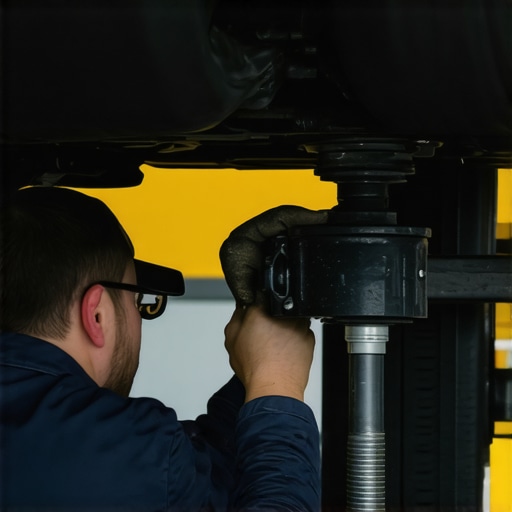
When it comes to vehicle maintenance, there’s a sea of misinformation that often leads car owners astray. Many believe that all transmissions require a complete overhaul after a certain mileage, or that routine tune-ups are unnecessary if the car seems to run fine. These misconceptions can trap unwary drivers into costly repairs or unnecessary service visits. Let’s dig deeper into some of these common myths and expose the hidden nuances that seasoned auto repair professionals understand.
Why Not All Transmission Issues Warrant a Full Overhaul
A prevalent belief is that any transmission problem automatically means you need a costly and extensive repair. However, modern automatic transmissions are designed with durability in mind, and many issues stem from simple causes like low fluid levels, worn solenoids, or dirty filters. Regular inspections and fluid changes can often extend the life of your transmission significantly. For instance, transmission overhauls are sometimes recommended prematurely, yet many minor problems can be fixed with targeted repairs. Recognizing the difference can save you thousands of dollars over the life of your vehicle.
Common Mistake: Ignoring Fluid Maintenance
One of the most overlooked aspects of transmission health is fluid condition. Unlike engine oil, transmission fluid degrades over time by collecting dirt, metal shavings, and moisture. Riding on old or contaminated fluid can cause slipping, hard shifting, or even complete failure. A simple check and fluid change, following manufacturer guidelines, often restores smooth operation—yet many drivers neglect this crucial step. If you want to maximize your car’s lifespan, regular tune-ups that include transmission fluid checks are essential.
How Advanced Diagnostics Uncover Hidden Problems
Thinking beyond the basics, modern approach involves diagnostics with scanners that read transmission control module codes. A common misstep is to dismiss warning lights or strange shifting behaviors as minor issues. However, advanced diagnostics can reveal underlying problems like failing sensors or internal solenoid failures before they escalate. For example, checking transmission fluid without a dipstick using special tools is a skill every seasoned technician masters to diagnose accurately and avoid unnecessary replacements.
Is Car Service Just a Money Grab?
This is a question many skeptical drivers ask. The truth is, proper car service isn’t about upselling or unnecessary repairs; it’s about maintaining your vehicle’s reliability and safety. Routine maintenance—including oil changes, filter replacements, and system inspections—preserves the value of your car and prevents expensive breakdowns. Informed drivers who understand the nuances of auto repair know that investing in preventive measures pays off in the long run.
Remember, not every recommended service is a scam. Sometimes, a small investment now avoids a major headache later. If you’re unsure whether your vehicle needs urgent attention, check out signs your car needs expert repair and stay ahead of problems.
Stay Ahead, Don’t Get Trapped
Understanding the hidden nuances of auto repair helps you make smarter decisions and even get DIY tips for minor issues. Recognize that some misconceptions are just myths propagated by misinformation or outdated practices. Regular inspections, proper fluid maintenance, and diagnostic checks are your best tools for keeping your car running smoothly.
Have you ever fallen into this trap? Let me know in the comments!
Keep It Running Efficiently with the Right Tools
Maintaining your vehicle over the long term demands precision and the right equipment. As someone who’s spent countless hours working on cars, I can attest that investing in high-quality, specific tools saves not only time but also money. For example, I always rely on a digital torque wrench when tightening critical components like cylinder head bolts or control arms. Unlike standard torque wrenches, digital ones provide precise readings down to the exact Nm, preventing over-tightening that could damage parts or under-tightening that risks safety issues. My personal favorite is the Wiha 26197 Digital Torque Wrench because of its durability and accuracy.
How do I maintain my repair tools over time?
To keep tools performing at their best, proper maintenance is crucial. Regularly clean and lubricate moving parts, especially on tools like impact wrenches or ratchets. For electronic tools, ensure batteries are charged correctly and stored in a climate-controlled space to avoid corrosion. I also recommend periodically calibrating your torque wrench, either at home with a calibration kit or by professional services, to maintain its accuracy. This consistency ensures precise repairs, especially critical for transmission or suspension work, where minute torque differences matter. As technology advances, I see the trend moving toward smart tools—connectable devices that log your torque settings and maintenance history, contributing to better long-term vehicle care.
Choose Software That Boosts Your Maintenance Workflow
Beyond physical tools, diagnostic software plays a pivotal role in troubleshooting. I personally use the OBD-II scanner systems from Autel, which provide detailed fault codes and live data. The key is selecting software compatible with your vehicle’s make and model. Upgrading firmware regularly helps in catching emerging issues early—saving you from costly repairs down the line. Future advancements will likely incorporate AI-driven diagnostics, enabling even faster and more accurate problem detection. Staying informed about these tools allows you to make smarter decisions and take preventive measures before problems escalate.
Why Routine Inspection and Maintenance Are Your Best Friends
Consistent checks—like inspecting your transmission fluid, replacing filters, or tightening belts—are essential. Remember, even minor issues can snowball if ignored. For instance, I check my transmission fluid every 30,000 miles, using a dipstick or a specialized tester like this guide. A clean, properly filled transmission helps avoid shuddering or slipping during shifts, prolonging the life of your drivetrain. Incorporate these small habits into your routine, and you’ll notice a smoother, more reliable ride. Plus, staying ahead with maintenance reduces downtime and unexpected breakdowns—so you’re always ready for the road ahead.
Tips for Scaling Your Auto Repair Capabilities
As your confidence grows, consider expanding your toolkit with parts repositories or advanced diagnostic devices. For example, replacing worn tie rods or calipers becomes more manageable with a comprehensive brake job kit, which includes specialized wrenches, pullers, and bleed valves. Remember, understanding the mechanics and having the right tools makes scaling a DIY auto shop feasible and cost-effective. Though I recommend consulting those with professional certifications for complex issues like internal transmission repairs, many routine tasks are within reach, provided you invest in quality equipment and learn proper procedures. Incorporating software diagnostics, like the ones mentioned earlier, can reveal issues before they become critical, guiding your repair approach efficiently.
If you haven’t already, try calibrating your torque wrench this week—that simple step can prevent countless issues down the line and make your repairs safer and more precise. Keep exploring innovative tools and techniques—they’re the secret sauce to dependable car maintenance.
Lessons I Wish I Learned Sooner About Transmission and Auto Repairs
- One of the biggest revelations was realizing that not every strange noise or issue means a costly overhaul. Sometimes, simple fixes like fluid changes or replacing a worn sensor can save hundreds or even thousands.
- Trusting my intuition and doing thorough inspections—checking tire pressure, suspension components, and fluid levels—empowered me to catch problems early before escalating into major repairs.
- Investing in quality tools and diagnostic software transformed my approach from reactive to proactive, making DIY repairs more accurate and less stressful.
My Go-To Resources for Staying Ahead in Car Maintenance
- This guide on brake squeals has saved me from unnecessary pad replacements by showing how simple adjustments can resolve noise issues.
- Understanding transmission overhauls helped me see when a rebuild is necessary versus when targeted repairs will do, saving time and money.
- The diagnostic tools and tips I use regularly ensure I catch problems early, keeping my vehicle running smoothly.
Keep Your Drive Alive — Act Now
The journey to becoming confident in maintaining your car’s transmission and systems is ongoing, but every step you take makes a difference. Remember, regular checks, quality tools, and reliable resources are your best allies in keeping your vehicle dependable. Take the initiative today—your car will thank you for it! Want to share your own auto repair wins or ask questions? Drop a comment below and join the conversation on maintaining your vehicle’s health.