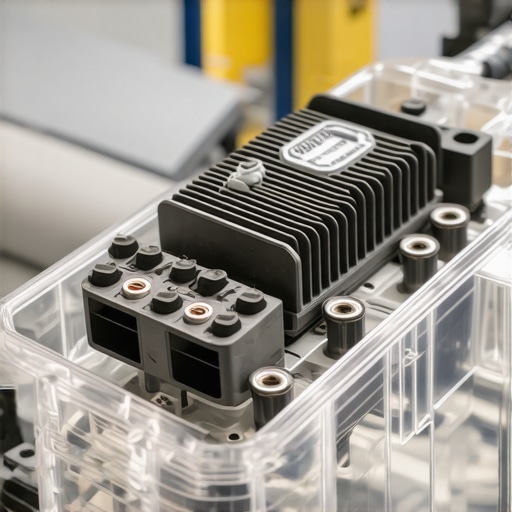
Ever been in the middle of a busy intersection when your car suddenly jerks or refuses to shift gears smoothly? That gut-wrenching moment when your transmission starts acting up can feel like a personal attack. I remember the first time it happened to me—smooth ride, then bam! jerks that made my stomach drop. It’s a lightbulb moment—your vehicle isn’t just being stubborn; something’s seriously off.
Knowing the signs of a failing transmission solenoid can be a gamechanger. These tiny electrical components play a big role—they control the flow of transmission fluid, which in turn manages your shifting. When they malfunction, your entire driving experience can turn into a frustrating puzzle. And trust me, catching issues early can save you a ton of money and stress.
Today, we’ll uncover how to identify if your transmission solenoid is on its last legs. I’ll share personal tips and common mistakes so you can avoid costly repairs and keep your car running smoothly. If you’ve been wondering whether that erratic shifting is just a glitch or something serious, stick around. This knowledge might just save your weekend trip or your wallet.
Signs Your Transmission Might Be Sending You a SOS
Check Transmission Fluid Levels and Quality
Start by ensuring your transmission fluid is at the correct level and free of debris. Pull out the dipstick, wipe it clean, reinsert it, and then check the level and color. Low or dirty fluid can mimic solenoid issues. When I first attempted this, I realized my fluid was grimy and low, which was causing erratic shifts. Changing the fluid improved my car’s behavior significantly.
Scan for Diagnostic Trouble Codes
Use an OBD-II scanner to check for fault codes related to the transmission. Codes like P0750 or P0755 often point to solenoid malfunctions. I borrowed a scanner from a local auto parts store, and the reading guided me right to the faulty solenoid. This step saves guesswork and directs your repair efforts efficiently.
Locate and Inspect the Transmission Solenoids
Consult your vehicle’s service manual to find the exact location of the solenoids. Typically, they’re mounted on the transmission valve body. Physical inspection involves looking for signs of corrosion, broken connectors, or burnt wiring. When I opened my transmission pan, I found corroded wiring connectors, which I cleaned and secured to prevent further issues.
Test the Solenoid Functionality
With the car’s battery connected, test the solenoid’s electrical resistance using a multimeter. Compare your readings with manufacturer specifications. A reading that’s too high or low indicates failure. Initially, I replaced a solenoid based on resistance readings, but the problem persisted, revealing the importance of proper testing before replacement.
Replace Faulty Solenoids Carefully
Disconnect power, remove the faulty solenoid, and install the new one securely. Use gloves and proper tools to avoid damaging delicate components. I learned quickly that rushing this step can damage the new part, turning a simple fix into a costly repair. Take your time, and ensure connections are tight and correct.
Perform a Transmission Reset
After replacement, a reset can help your vehicle adapt to the new component. This often involves disconnecting the battery for about 15 minutes or using a scan tool to reset codes. I noticed smoother shifting once I reset the transmission’s adaptive learning—an essential step to prolong your repair’s benefits.
Test Drive and Verify the Solution
Finally, take short test drives to observe shifts. Pay attention to any slipping or irregularities. I drove around my neighborhood, gradually increasing speed, and observed a significant improvement. If issues persist, revisit the connection points or consider consulting a professional.
Remember, diagnosing transmission issues can sometimes be complex. For more detailed signs to watch for, visit this guide. Regular maintenance and early detection are your best tools to keep your vehicle running smoothly.
Many car owners operate under misconceptions about routine maintenance, especially when it comes to tune-ups, transmissions, and general auto repairs. A common myth is that a simple tune-up can fully prolong your vehicle’s lifespan without addressing underlying issues. However, experts emphasize that a tune-up is merely a part of a broader maintenance strategy, which includes proactive diagnostics and understanding the nuanced behaviors of modern vehicles. Relying solely on routine tune-ups without recognizing evolving engine technologies can lead to overlooked problems, such as issues with variable valve timing or advanced ignition systems. One trap to avoid is assuming that all auto repairs are straightforward; in reality, modern vehicles often require sophisticated diagnosis, such as interpreting scan codes for transmission faults or micro-cracks in aluminum wheels, areas where novice mechanics might miss critical signs.
A sneaky misconception involves the scope of transmission repairs. Many believe that replacing a transmission or its components guarantees long-term reliability. Yet, some overlook the importance of intermediate steps like flushing coolers or inspecting for micro-cracks, which can be more cost-effective and durable. For example, a transmission overhaul that includes a full diagnostic approach can prevent future failures, as detailed in [this comprehensive guide](https://collisionfixer.com/how-transmission-overhauls-save-you-money-in-the-long-run).
A frequently misunderstood aspect is the importance of precise diagnostics before initiating repairs. For advanced car issues, like shuddering when turning on AC or ghost dash lights, understanding complex causes—such as micro-cracks or hidden wiring faults—is crucial. Failure to recognize these hidden factors often results in recurring problems or unnecessary replacements. As specialists note, misdiagnosis can cost you hundreds, as detailed in [expert advice](https://collisionfixer.com/why-your-transmission-shudders-only-when-the-ac-is-on).
So, why do so many fall for these misconceptions? Partly because auto service marketing plays into the desire for quick fixes and hassle-free solutions. But, the truth is that authentic longevity depends on detailed knowledge, patience, and addressing nuanced issues that are not visible to the untrained eye. For example, many overlook the importance of proper fluid analysis or neglect clever diagnostic tricks that reveal issues like micro-cracks that could cause catastrophic failures later.
Remember, being an informed vehicle owner isn’t just about routine maintenance—it’s about understanding the subtleties that influence your car’s health. If you want to learn more about maximizing your vehicle’s lifespan and avoiding common pitfalls, visit [this resource](https://collisionfixer.com/maximize-your-cars-lifespan-with-regular-tune-ups). And, of course, don’t forget: have you ever fallen into this trap? Let me know in the comments. Doing so helps us all stay sharp and avoid costly mistakes in auto repair.
How do I maintain my vehicle over time to ensure longevity?
Maintaining your vehicle isn’t just about periodic oil changes; it requires selecting the right equipment and adopting effective methods that can prevent costly repairs down the road. Personally, I rely on a combination of professional-grade diagnostic tools and routine inspection techniques to catch issues early. For instance, investing in a high-quality OBD-II scanner allows me to quickly identify trouble codes related to transmission problems or engine sensors before they escalate. I prefer models like the BlueDriver, which provides comprehensive reports and can connect directly to my smartphone, making diagnostics both accessible and accurate.
Beyond electronic diagnostics, I also emphasize regular visual inspections. A good flashlight, a set of micro screwdrivers, and a mirror help me spot leaks, corrosion, or worn-out components, especially in hard-to-reach areas. Changing transmission fluid at manufacturer-recommended intervals, often around every 30,000 to 60,000 miles, can significantly extend the lifespan of your transmission. For example, during a recent coolant flush, I discovered micro-cracks in my radiator via a specialized detection kit, highlighting the importance of thorough inspections.
As vehicles become more sophisticated, software updates and calibration tools are increasingly essential. Many modern cars have adaptive systems that require recalibration after repairs—tools like the Autel MaxiSys series facilitate this process efficiently, ensuring your vehicle’s systems remain optimized. Looking ahead, I predict that diagnostic technology will become even more embedded with artificial intelligence, enabling proactive maintenance alerts based on vehicle behavior patterns.
What are the best methods to proactively keep your car in top shape?
Adopting a proactive approach involves scheduled checks and using the right tools. Regularly inspecting battery terminals for corrosion, checking tire pressures with a digital gauge, and monitoring fluid levels are simple yet effective steps. I highly recommend setting up digital reminders aligned with your vehicle’s maintenance schedule, which can incorporate apps linked to your mechanic’s service data. Doing so ensures that your vehicle receives timely attention before minor issues turn into major repairs.
Furthermore, maintaining clean filters—air, cabin, and fuel—can improve performance and fuel efficiency. For instance, I use compressed air and specialized cleaning solutions to keep these components in pristine condition, which I learned from expert auto technicians. Additionally, periodically performing a multimeter test on sensors such as the mass airflow sensor helps verify their operation, preventing performance dips. For more advanced insights on engine sensors and system calibration, consult this guide.
Why likely most auto repair companies overlook micro-cracks in aluminum wheels
Detecting micro-cracks in aluminum wheels, especially after collisions, requires specialized inspection tools like dye penetrant kits or ultrasound testing. According to industry experts, failing to identify these tiny fractures can lead to wheel failure and accidents. I recommend scheduling regular inspections if your vehicle has experienced impacts, and using services that employ non-destructive testing methods. This proactive step is critical for safety and can save you from expensive replacements or potentially dangerous failure scenarios.
To truly master vehicle longevity, integrating advanced diagnostic tools, routine visual inspections, and scheduled maintenance is key. Try adopting a system where you test critical sensors every six months and schedule fluid exchanges based on your vehicle’s driving conditions. This comprehensive approach ensures your car remains reliable and safe for years to come. For instance, most cars can benefit from a transmission fluid flush before the 60,000-mile mark, which helps prevent the common slipping or overheating issues associated with neglected maintenance. To explore more about comprehensive auto care strategies, visit this resource.
Hidden Pitfalls That Cost Me Money and Time
One of the most eye-opening lessons I learned was the significance of micro-cracks in aluminum wheels after a collision. Relying solely on visual inspections isn’t enough; deploying ultrasound testing or dye penetrant kits can uncover tiny fractures that threaten safety. This realization changed my approach to post-accident inspections—trusting advanced methods over assumptions can prevent catastrophic failures.
Why Ignoring the Small Stuff Can Ruin Your Car
During my early days, I underestimated the importance of micro-level issues like micro-cracks or micro-fissures. One overlooked crack in a crucial component led to a much bigger problem down the line. Now, I understand that meticulous attention to detail in auto repair, including inspecting micro-cracks, is vital for long-term reliability. Skipping these checks can turn a simple fix into a costly nightmare.
Secrets That Experts Use to Prolong Vehicle Lifespans
Professionals like myself often leverage specialized diagnostic tools like dye penetrant testers or ultrasound inspections to detect hidden damages. Combining these with a proactive maintenance strategy—such as timely fluid exchanges and sensor calibrations—makes all the difference. Implementing these practices in your routine can save money and boost vehicle performance over the years.
Curated Tools and Resources That Elevate Auto Care
- BlueDriver OBD-II scanner: Reliable and user-friendly, this device helps me quickly interpret diagnostic trouble codes, ensuring fast and accurate repairs. Its smartphone integration makes data accessible on the go.
- Ultrasound testing kits: Critical for detecting micro-cracks, these non-destructive tools enable precise inspections after collisions, enhancing safety and durability.
- Manufacturer Service Manuals: Comprehensive guides provide detailed procedures, ensuring I follow the correct steps without guesswork. They are my go-to for complex diagnostics and repairs.
- Online communities and expert forums: Sharing experiences and troubleshooting tips with other professionals amplifies my knowledge and exposes me to innovative repair techniques, keeping me ahead in the game.
Your Road to Smarter Car Maintenance Starts Today
Remember, mastering vehicle longevity isn’t just about fixing problems as they come; it’s about staying ahead by discovering unseen issues like micro-cracks that can have serious consequences. Don’t wait until a minor fault becomes an expensive disaster—taking proactive steps now will keep your car running smoothly for years to come. If you’ve ever hesitated before inspecting a tiny crack or overlooked a subtle warning sign, now’s the perfect time to change that. How do you plan to elevate your auto care routine? Share your thoughts in the comments below, and let’s learn from each other’s experiences.