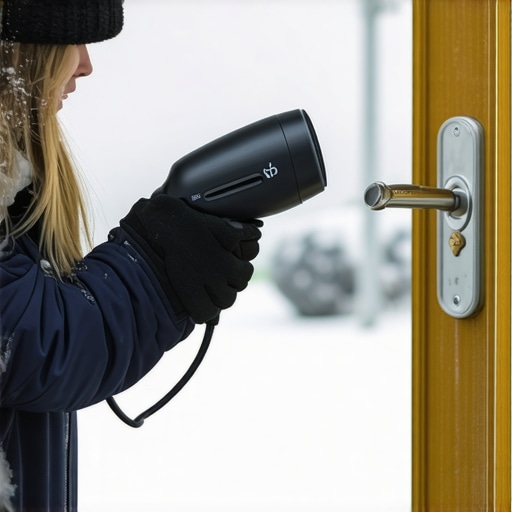
Ever been in a rush, only to find your car door lock completely frozen when you need it most? I remember one particularly chilly winter morning when I tried to unlock my car, and the lock wouldn’t budge. It was cold, frustrating, and made me question if I was about to spend the day dealing with a stuck lock or worse, a costly repair. That moment was a lightbulb for me — I realized that a simple, quick trick could save me from the hassle and keep my mornings running smoothly.
How I Discovered the Magic Trick to Free a Frozen Lock in Seconds
One frosty evening, as I struggled with my frozen door lock, I stumbled upon a tip that seemed too simple to be true but turned out to be a real game-changer. The trick? Using a quick application of a lubricant or de-icer that melts away the ice instantly. Sounds straightforward, right? But what caught my attention was how effective this method was compared to trying to force the lock open or using brute force. After trying it myself, I was sold — a tiny spray can of de-icer from my garage turned into my new best friend during winter.
Is the Frosty Lock Fix Really That Simple?
At first, I was skeptical. I worried it might damage my lock or be ineffective in severe cold. But after doing a bit of research, I found that using a lubricant designed for locks, like one containing silicone or alcohol-based solutions, can actually prevent ice buildup and loosen any existing ice. Regularly applying this can extend the life of your lock and save you from the discomfort of a frozen vehicle.
My early mistake was using plain WD-40, thinking any spray would work. Turns out, not all lubricants are created equal. For the best results and to avoid damage, I recommend a quality lock-safe de-icer, which you can find at your local auto store or order online. This little investment has saved me time, money, and endless frustration, especially when temperatures nosedive overnight.
Now, I want to share with you the simple steps that have helped me conquer frozen locks quickly and reliably. Trust me, once you’ve tried this, you’ll wonder how you ever struggled with those stubborn winter mornings. Ready to learn the trick? Let’s dive into it, so you can get back on the road without delay and keep your car door locks happy—even in the chilliest weather.
Prepare Your Supplies for Fast Results
Before heading outside in cold weather, gather a high-quality lock de-icer, a clean cloth, and a spray bottle filled with warm water. My first success came when I kept a small de-icer can in my glove box, ready for those icy mornings. Having the right tools prevents resorting to risky methods like forcing the lock or using household chemicals that might damage the mechanism. Keep these supplies accessible, and you’ll save precious time and avoid further lock damage.
Apply De-icer Correctly to Break the Ice Barrier
Step 1: Clear Loose Snow and Ice
Start by gently removing any snow or ice around the lock with your cloth or a plastic scraper. This prevents debris from entering the lock when you apply the de-icer. I learned this the hard way on a particularly brutal winter morning when I rushed out and didn’t clear the snow first — resulting in a clogged lock that refused to turn. Taking a moment to prep the area ensures the de-icer works effectively, melting the ice at its core.
Step 2: Spray the De-icer Precisely
Spray the de-icer directly into the keyhole, covering the entire inside surface. Use short bursts to prevent over-application. Think of this like tuning a transmission; precision is key to avoiding damage. I once over-sprayed and watched the lubricant leak onto my paint, causing unwanted stains. Carefully controlled application targets the ice, allowing the solution to penetrate deep, melting away the frost. Wait for about 30 seconds to let it work.
Use Warm Water to Accelerate Thawing
If the lock remains stubborn after de-icing, cautiously pour warm water over the keyhole. Avoid hot water, which can crack your lock’s metal. I remember a morning when the de-icer alone wasn’t enough—adding warm water immediately freed the lock. The warmth enhances the melting process, especially during severely cold nights. As soon as the ice loosens, gently turn the key back and forth, avoiding force. If resistance persists, repeat the de-icer application and warming step. Remember, patience yields better results than brute force that could damage the lock or your key.
Lubricate the Lock After Melting Ice
Once the lock is thawed and functional, spray a small amount of silicone-based or graphite lubricant inside. Think of this as a regular tune-up—preventative maintenance that prolongs your lock’s life. I started doing this after realizing my locks became stiff during winter due to moisture buildup. Regular lubrication prevents future freezing, keeping your car accessible no matter how cold it gets. Avoid using WD-40 regularly, as it can attract dirt and cause gunk buildup over time.
Test and Finalize Your Fix
Insert your key gently and turn it multiple times to distribute the lubricant evenly. If the lock turns smoothly, congratulations! If not, repeat the de-icing and warming steps. On one occasion, I had to repeat this process twice before the lock fully freed, but persistence paid off. Never force the key, as this risks breaking it or damaging the lock. If you’ve tried these steps without success, consider seeking professional assistance at our contact page.
Prevent Future Freezing
Apply a light coating of lubricant as part of your winter prep routine. Also, considering a maintenance check can help identify underlying issues, like worn tumbler pins or moisture ingress, that contribute to freezing. Regular tune-ups can keep all components in top shape. Remember, proactive care saves you from emergency fixes in the middle of winter.
Many car owners believe that routine maintenance and repairs are straightforward tasks, but beneath the surface lie nuanced details often overlooked. For instance, a widespread myth is that replacing transmission fluid annually is unnecessary if the car seems fine. In reality, regular transmission flushes, as explained in expert analyses, can prevent costly overhauls and extend transmission lifespan. Skipping such service can lead to silent issues, which only become apparent through noticeable slipping or shuddering, usually when it’s too late to avoid major repairs.
Another misconception revolves around the idea that all auto repair shops produce equally reliable work. This couldn’t be further from the truth. The hidden nuance here is understanding the importance of certified technicians and reputable shops. Collisionfixer emphasizes that proper diagnostic procedures and genuine parts are crucial for long-term vehicle health; a cheap fix today may cause bigger problems tomorrow. Don’t fall into the trap of prioritizing cost over quality; investing in experienced professionals saves money in the long run.
How can I tell if my mechanic is giving me honest advice, especially when complex diagnostics are involved?
This is a tricky question because sophisticated car systems frequently require advanced tools for accurate diagnosis. Experts suggest understanding common signs of misinformation, such as unnecessary repairs or recommendations for replacing parts without proper testing. Remember, transparency is key—ask for detailed explanations or second opinions. Collisionfixer recommends reading up on the latest auto repair standards and staying informed through trusted sources. For ongoing vehicle health, regular tune-ups are vital; check out how tune-ups prolong your car’s lifespan to get started.
One critical nuance is recognizing that neglecting early warning signs during routine service can lead to expensive fixes. For example, ignoring subtle engine noises or dashboard warning lights often results in more serious issues down the line. A simple inspection for early warning signs can save you time and money. Do not wait until breakdowns occur; proactive maintenance is your best defense.
Remember, understanding the intricacies of your vehicle and maintaining open communication with trusted professionals ensures you don’t fall victim to common pitfalls. Keep learning and stay vigilant—your car’s health depends on it. Have you ever fallen into this trap? Let me know in the comments and share your experiences.
Keeping Your Vehicle Well-Serviced and Scaled for Longevity
When it comes to auto repair and maintenance, having the right tools is as crucial as understanding the mechanics. Personally, I’ve found that investing in quality diagnostic equipment and specialized cleaning products has transformed how I maintain my vehicle’s transmission and tune-up routines. For example, using a OBD-II diagnostic scanner like the BlueDriver Bluetooth scanner allows me to quickly identify transmission fault codes without expensive trips to the shop, giving me the power to act proactively. I also rely on a precision torque wrench for all bolt tightening tasks; this ensures components are secured accurately, preventing long-term damage or failure.
As modern vehicles become more technologically advanced, software tools continue to evolve. I personally recommend regular tune-up software to schedule and track maintenance intervals. This helps avoid the common mistake of neglecting critical systems like transmission fluid or ignition timing, which can lead to costly overhauls (see how transmission overhauls save money for more insights). My go-to practice is to combine digital diagnostics with physical inspections, ensuring comprehensive coverage of a vehicle’s health.
How do I maintain transmission health over time?
Transmission maintenance is not a set-and-forget task. Regular fluid changes, as advised in your tune-up schedule, are foundational. I also recommend installing a transmission temperature sensor to monitor real-time performance and spot issues before major failures occur. Additionally, adopting a habit of carefully inspecting transmission cooler lines for leaks or blockages ensures optimal operating temperature. In the future, trends suggest integrating AI-based diagnostic tools that can predict transmission degradation with greater precision, minimizing downtime and repair costs.
Practicing diligent upkeep with these dedicated tools and methods guarantees your vehicle remains reliable long-term. Don’t wait for a breakdown—try employing a transmission fluid refractometer for precise quality checks or invest in a coolant temperature gauge to optimize engine and transmission performance during extreme weather. Regular, proactive maintenance preserves not just car value but your peace of mind.
Remember, the right approach to tools and long-term planning can make all the difference. In advancing towards smarter, more efficient auto service, keeping these tips in mind will empower you to better maintain your vehicle and catch issues early. For personalized assistance, don’t hesitate to reach out to our experts—we’re here to help ensure your car stays in prime condition. Embrace these tools and see how much easier reliable auto maintenance can become.
The Hidden Lessons I Learned About Transmission and Car Maintenance
- Sometimes, overcomplicating simple fixes delays progress; just like with frozen locks, a straightforward approach to transmission care—regular fluid changes—can save you from costly repairs later. I wish I’d realized sooner that consistency beats quick fixes.
- Misjudging the importance of quality tools and genuine parts can backfire. Investing in a good transmission refractometer or an OBD-II scanner may seem like an expense now, but they empower you to troubleshoot before problems become severe.
- Trusting expert advice over hearsay saved me. Not all auto repair guidance is equal—learning to identify reputable shops and honest mechanics means fewer surprises down the road and a healthier vehicle.
Tools and Resources That Changed My Perspective
- BlueDriver OBD-II Scanner: This little device gives me real-time insights into my transmission health, helping me catch issues early. Reliable diagnostics prevent unnecessary repairs and give peace of mind.
- Transmission Refractometer: Knowing the exact quality of my transmission fluid helps me decide when a fluid change is truly needed. It’s a game-changer for proactive maintenance.
- Expert Blogs and Tutorials from Collisionfixer: Their in-depth guides on auto repair keep me informed and confident when doing DIY tasks or discussing repairs with professionals.
Now, It’s Your Turn to Take Action
Remember, proper auto care goes beyond quick fixes—embrace proactive maintenance and trusted tools to extend your vehicle’s lifespan. Don’t wait for a breakdown; start applying these insights today. If you’re ever unsure, reaching out to experienced professionals like those at Collision Fixer can make all the difference. What’s one maintenance habit you’re planning to adopt after reading this? Share below—I’d love to hear your plans to keep your transmission and car in top shape!
,