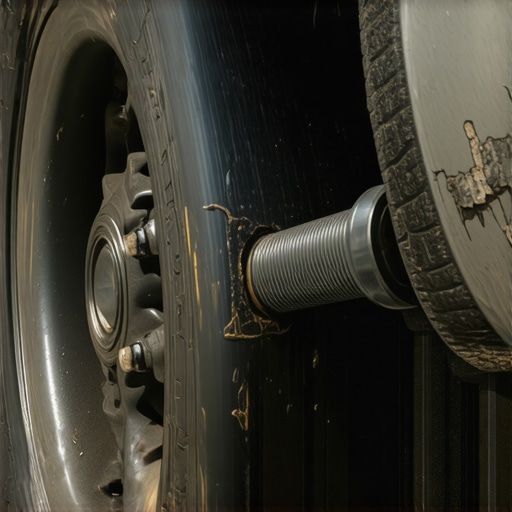
I’ll never forget the morning I thought I was just running late for work, only to be stranded halfway down the street because my car refused to move. It was a cold, bitter reminder that even the most reliable parts can surprise you with a sudden failure. That day, I learned the hard way how crucial it is to recognize the warning signs of a bad CV axle before it leaves you stuck on the side of the road, feeling helpless and frustrated.
The Hidden Danger of a Failing CV Axle
If you’ve ever experienced a clunking sound when turning, or a strange vibration under your feet while driving, you might be dealing with an issue that’s more urgent than it appears. Your CV axle is responsible for transmitting power from the transmission to the wheels, especially during turns. When it starts to fail, it can lead to unpredictable breakdowns, leaving you stranded and facing costly repairs. Early detection is key, and in this post, I’ll walk you through how to spot the signs before your journey comes to an abrupt halt.
Is My Car’s Shake Just a Smooth Ride or a Warning?
One of the biggest mistakes I made early on was ignoring small vibrations or noises, thinking they were trivial. But little did I know, ignoring these signs could turn into a major roadside emergency. According to automotive experts, catch early warning signs like torn CV boots or uneven tire wear to prevent a complete axle failure. Trust me, it’s worth learning what to look out for—small issues today can save you hundreds of dollars and a lot of headaches tomorrow.
Now, let’s get into how you can identify the real culprits lurking underneath your vehicle. If you’re curious about preventative measures to keep your entire car in top shape, consider checking out essential car service tips to ensure your ride is summer-ready and safe.
Inspect Your CV Axle Regularly
Start by visually examining the CV boots, which are rubber covers protecting the joints. Look for torn or cracked boots, as these are common entry points for dirt and moisture that accelerate wear. During one instance, I discovered a ripped boot while performing a routine oil change, saving myself from an expensive axle replacement later. Use a flashlight to get a clear view, and don’t forget to check for grease leaks around the joints, which are telltale signs of damage.
Listen for Warning Noises During Turns
Pay attention to any clicking or popping sounds when turning the steering wheel. I once ignored a faint clicking in my front wheels, assuming it was normal. When the noise grew louder, I faced a costly roadside breakdown. To avoid this, replicate the situation in a safe area or during a slow turn—noticeable noises often indicate the joint is failing and needs urgent attention. Consulting with a trusted auto repair specialist can help confirm the diagnosis, especially if you’re unsure about the sounds.
Feel for Vibrations While Driving
Vibrations transmitted through the steering wheel or the vehicle’s body at certain speeds are signs of a bad CV axle. Think of it like a car’s equivalent of a shaky hand—you can often sense it without much effort. I experienced this firsthand during a long highway trip; the vibration worsened over time and was particularly pronounced during acceleration. If you notice these issues, it’s advisable to seek professional diagnostics to determine if your axle or other suspension components are the culprit. Regular maintenance and inspections help prevent unexpected failures.
Test the Axle Flexibility
Safely raise your vehicle using a jack and support it with jack stands. Gently grab the axle near the wheel hub and try to wiggle it back and forth. Excessive play indicates internal wear or damage. I once performed this test after noticing loose steering, and it revealed a worn joint needing replacement. Remember to wear gloves and safety glasses for protection during inspection. Replacing a damaged CV axle promptly prevents further damage to your transmission and other drivetrain elements.
Consult a Professional When in Doubt
If you’re unsure about your findings, it’s best to have a qualified mechanic examine your vehicle. They can perform more detailed tests, like measuring axial play or listening with diagnostic tools, ensuring accurate diagnosis. For comprehensive care, consider following expert maintenance advice found at essential car service tips. Recognizing early warning signs and acting swiftly will keep your drive smooth and safe, avoiding costly repairs down the road.
Many car enthusiasts and even seasoned DIYers believe they understand automotive repair inside out, but some common misconceptions can lead to costly mistakes. For instance, a widespread myth is that all transmission problems stem from low transmission fluid levels. While fluid indeed plays a crucial role, recent studies by experts at CollisionFixer reveal that many transmissions are damaged by overlooked internal wear and tear, which cannot be fixed by a simple fluid top-up. Recognizing these nuances is vital for effective repairs and cost management.
Why Do So Many Misjudge the Impact of Regular Tune-Ups?
Contrary to popular belief, the value of regular car tune-ups extends beyond just maintaining performance; it also prevents silent deterioration in crucial components like spark plugs and filters. Skipping routine maintenance might seem like a money-saver initially, but in reality, it often results in more significant expenses down the road. Advanced diagnostics show that neglecting minor issues during tune-ups can lead to premature failure of parts, including critical sensors and ignition systems, which are not easily detectable without expert tools. Making this mistake can leave you vulnerable to breakdowns that are more complicated and expensive than scheduled servicing.
Another common trap is relying solely on visual inspections when diagnosing auto repair issues. While checking for obvious damage like cracked belts or leaking fluids is essential, many underlying problems remain hidden beneath the surface. For example, internal transmission damage often stays concealed until it causes noticeable symptoms, such as shuddering or slipping. To avoid this, professional diagnostic tools are indispensable for pinpointing the root cause before expensive repairs are undertaken.
Moreover, many drivers overlook the importance of timely car service tips that go beyond the basics. Proper alignment, suspension checks, and fluid exchanges are critical for longevity but often dismissed until a problem arises. Yet, understanding the nuanced effects of neglected maintenance can be the difference between a smooth-driving car and an experienced roadside emergency.
Now, to address an advanced question for the discerning reader: How can understanding the intricacies of transmission fluid chemistry influence repair strategies?
Recent studies highlight that different manufacturers use varying compositions of transmission fluid tailored to specific vehicle models. Recognizing these differences is crucial because using the wrong type may lead to increased wear and accelerated failure. For example, synthetic fluids often outperform conventional ones in high-temperature conditions, as evidenced by research from automotive experts. Ensuring compatibility not only preserves transmission health but also optimizes performance and prolongs service intervals.
In summary, debunking misconceptions about car repairs and understanding the nuanced factors involved can save you money and extend your vehicle’s lifespan. Regularly consulting trustworthy resources like CollisionFixer and staying informed about advanced repair techniques is a wise move. Have you ever fallen into this trap? Let me know in the comments and share your experience with unexpected auto repair surprises.
Master Your Maintenance Routine with Precision Tools
Staying proactive about auto care means equipping yourself with the right tools tailored for the specific tasks at hand. For example, I personally swear by a high-quality torque wrench when working on transmission components, because applying the correct torque level ensures components like the transmission flange are properly secured without risking damage. Proper tools save time, prevent mistakes, and extend the life of critical parts.
Another indispensable device I rely on is a digital OBD-II scanner. It allows me to quickly interpret error codes and assess underlying issues without guesswork. I use models like the BlueDriver because of their comprehensive data, which helps me diagnose problems related to the engine or transmission swiftly, often before they escalate into costly repairs. Regularly scanning the vehicle’s systems keeps potential issues in check and maintains long-term reliability.
Streamlining Repairs and Long-Term Results
Adopting specific procedures enhances ongoing maintenance. For example, I recommend performing a fluid analysis periodically—especially for transmission fluid—using specialized test strips or sending samples to labs. This process uncovers early signs of wear or contamination, allowing for timely repairs or fluid changes with premium products like Synthetic Transmission Fluid, which recent research indicates provides better thermal stability and reduces internal wear over time. This strategic approach minimizes downtime and preserves the transmission’s health.
Furthermore, investing in diagnostic software such as the OEM-specific tech support systems can help identify subtle issues before they become major failures. As vehicles evolve, so too does the complexity of auto repair, making software diagnostics an essential part of maintaining modern transmissions and drive systems. Regularly updating these tools ensures you’re prepared to tackle emergent problems effectively.
Strategies for Scaling Auto Repair Efforts
For those managing a fleet or a personal garage, scaling maintenance involves modular approaches. I find that creating a maintenance calendar with detailed checklists for components like CV joints, filters, and fluids helps manage time and resources efficiently. An essential tip is to document all repairs and inspections using management apps like RepairPal or Fleetio, which facilitate tracking service history and scheduling upcoming maintenance.
Embracing advanced tools like heat guns for curing sealants or specialized brake pad spreaders streamlines more complex tasks. These tools reduce the need for repeated disassembly, saving on labor costs, and ensuring consistent work quality—crucial factors when scaling repair operations.
Anticipating Future Trends in Auto Maintenance
Looking ahead, automation and AI-driven diagnostics promise to revolutionize auto repair. Predictive maintenance systems integrated into vehicles will alert drivers and technicians about potential issues long before noticeable symptoms appear. This proactive approach will make preventive care more effective and cost-efficient. As these technologies become more mainstream, staying updated with the latest diagnostic software will become even more critical for auto repair professionals.
How do I keep my transmission in top shape over time?
Regularly monitoring transmission fluid condition is crucial. This involves checking for discoloration, burned smell, or metal particles, which indicate internal wear. Using high-quality synthetic fluids as recommended by manufacturers, and replacing filters at proper intervals, supports optimal performance. For precise procedures, consult resources such as how overhauls can save money. Implementing these practices consistently will extend your transmission’s lifespan and keep your driving experience smooth. To get started, try replacing your transmission fluid with a recommended synthetic blend, ensuring you follow manufacturer guidelines for correctness and safety.
What Car Repairs Taught Me the Hard Way
One of the most valuable lessons I gained was understanding that even small signs like a faint clicking noise or a slight vibration can indicate much more serious underlying issues. Ignoring these warnings only leads to more expensive repairs down the line. Learning to listen critically to my vehicle and perform routine inspections, such as checking CV boots and listening during turns, has saved me from countless roadside emergencies. My experience underscores that proactive maintenance, coupled with proper diagnostics, is essential for preserving vehicle health and safety.
Equip Yourself with the Right Tools for Auto Success
Over time, I realized that having a reliable digital OBD-II scanner and a quality torque wrench made a significant difference in performing effective at-home repairs and diagnostics. These tools empower you to identify issues early and apply the correct procedures, like ensuring proper torque on transmission components or quickly interpreting error codes before they escalate. Trusting in these dependable tools has transformed my maintenance routine from guesswork into precise, confident action.
The Power of Staying Informed and Thoughtful
Another insight I wish I embraced earlier was the importance of continuous education about my vehicle’s systems, like transmission fluid chemistry or the nuances of tune-up schedules. Regularly consulting reputable resources, reading about common misconceptions, and understanding what truly affects car longevity helps me make smarter decisions. For instance, knowing that synthetic transmission fluids offer better thermal stability guides my choices to extend component lifespan. Staying informed is a vital step toward becoming an empowered vehicle owner.
Fuel Your Motivation to Maintain Your Car
Remember, the effort you put into regular inspections and timely repairs increases your vehicle’s reliability and safety. Implementing strategic maintenance routines, like checking for grease leaks or monitoring vibrations, isn’t just about avoiding breakdowns—it’s about caring for your investment and ensuring peace of mind behind the wheel. Embrace the journey of vehicle mastery, and you’ll enjoy smoother rides, fewer surprises, and long-term savings. Are you ready to take your auto care to the next level? Let’s talk about your biggest maintenance challenge in the comments below.