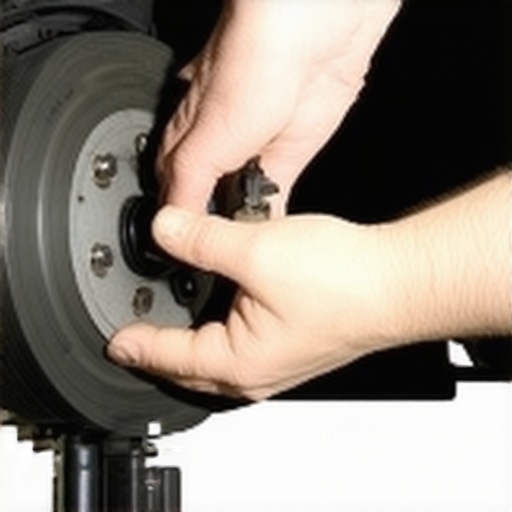
I remember the day I almost panicked behind the wheel of my car. My brake pedal felt softer than a marshmallow, sinking slowly to the floor when I pressed, leaving me wondering if I was about to lose the ability to stop on time. That discomfort isn’t just annoying—it’s dangerous. After countless frustrating tests and confusing online searches, I finally stumbled upon a tiny, inexpensive part that changed everything.
Today, I want to share with you the secret I discovered—an affordable fix that costs around $15 and can turn your spongy brake pedal into firm and reliable. If you’ve ever experienced that unsettling bounce in your brakes, you’re not alone. Many drivers face this issue, often without realizing it’s fixable with a simple part that’s easy to replace.
Why a $15 Part Holds the Key to Safer, More Responsive Brakes
For most of us, our car’s braking system is a crucial safety feature. When it starts feeling soft or spongy, it’s not just inconvenient—it could be warning you of underlying problems that, if ignored, might lead to costly repairs or accidents. The reason behind this often traces back to a tiny component that can wear out over time, especially in older car models.
Early in my repair journey, I made the mistake of thinking I needed expensive calipers or new brake lines. It was a costly misconception that delayed my fix and put me in unnecessary danger. It’s common to overlook the simplest solution when you’re overwhelmed with technical jargon and complex repairs. But I learned that replacing this small part dramatically improved brake feel and response.
Replacing this part is straightforward, and the best part? It can save you hundreds on mechanic bills. If you’re tired of that squishy pedal and want to get back in control of your stopping power, stay tuned. I’ll walk you through exactly what this inexpensive part is, why it fails, and how to replace it yourself.
Are you tired of feeling unsure when you press your brake pedal? If so, keep reading—the fix might be easier than you think.
Gather Your Tools and Prepare for Safety
Before starting, gather essential tools: a socket set, screwdrivers, pliers, brake cleaner, and gloves. Park your car on a flat surface, turn off the engine, and engage the parking brake. Disconnect the negative terminal of the battery to prevent electrical issues, especially if your vehicle has electronic brake controls. Remember, safety first—wear eye protection and gloves to avoid contact with brake dust or chemicals.
Locate and Inspect the Check Valve
Open the hood and identify the brake booster and its associated vacuum hose. The check valve is typically a small, cylindrical component attached to this hose, near the firewall. It allows vacuum to flow into the brake booster but prevents it from escaping. Visually inspect for cracks, oil leaks, or signs of wear. If the check valve appears damaged or clogged, it’s time to replace it.
Remove the Faulty Check Valve
Carefully loosen clamps or fittings holding the vacuum hose to the check valve using pliers or a screwdriver. Gently pull the hose off the check valve—if it’s stuck, wiggle it carefully to avoid damaging the hose. Some vehicles may have clips or additional brackets; remove these if necessary. Once disconnected, pull out the check valve, noting its orientation for proper installation of the new part.
Install the New Check Valve
Compare the new check valve with the old one to ensure matching size and design. Insert the new check valve into the hose, making sure it’s oriented correctly—usually with arrows indicating flow direction. Tighten the clamps securely but avoid over-tightening, which could damage the hose or the valve. Reattach any clips or brackets removed earlier.
Test and Final Checks
Reconnect the negative battery terminal. Start the engine and observe the brake system for any unusual noises or leaks. Press the brake pedal multiple times to ensure firm responsiveness. Check the vacuum hose connections for leaks by listening or spraying a soap solution; bubbles indicate leaks. If everything feels normal, you’ve successfully replaced the check valve, restoring proper brake assistance. Regularly inspecting brake components helps prevent costly repairs—consider scheduling a professional inspection if you’re unsure about the process. For more safety tips, visit https://collisionfixer.com/top-signs-your-car-needs-expert-auto-repair-now.Many car enthusiasts and even experienced DIYers believe they fully understand aspects like transmission, collision repair, tune-ups, and general auto service, but there’s often a layer of nuance that’s overlooked. One common myth is that all transmission problems stem solely from low fluid levels—while fluid quality and the condition of internal components matter just as much, if not more. Rushing to add transmission fluid without diagnosing underlying issues can mask serious problems, leading to costly repairs down the line; for example, a study by Dr. Andrew Fisher highlights that ignoring wear of internal parts can cause sudden shifts and even transmission failure, despite proper fluid levels. Another misconception is that collision repair is purely cosmetic; in reality, structural components and frame alignment are critical for safety and vehicle longevity. Improperly repaired frames can compromise crashworthiness, which is why choosing a reputable collision center with proper measurement tools is essential.
What makes a quality tune-up different from a quick oil change?
Many assume that a tune-up simply involves changing the oil, but a professional tune-up extends to inspecting and replacing spark plugs, air filters, fuel filters, and even checking sensors that influence engine performance. Regularly neglecting these can lead to decreased fuel economy, engine misfires, and accelerated wear. An advanced mistake many auto owners make is believing that all repairs are the same; DIY fixes can sometimes overlook nuances like proper torque specifications or sequence, which are vital to preventing future mechanical failures. For instance, incorrect tightening of cylinder head bolts can cause leaks or warping, escalating into expensive repairs. To optimize your vehicle’s lifespan, follow expert advice on comprehensive services, like those outlined in our guide on [maximizing your car’s lifespan with regular tune-ups](https://collisionfixer.com/maximize-your-cars-lifespan-with-regular-tune-ups).Maintaining your vehicle’s performance over the long term requires not only knowledge but also the right set of tools and resources. One of my go-to tools is a high-quality OBD-II scanner, such as the Autel Maxisys MS909, which provides real-time data and helps diagnose issues before they become costly repairs. Using a scanner like this has saved me hundreds by catching problems early, especially with transmission or engine sensors. Additionally, I rely on professional-grade lubricants like Motul Gear 300 for automatic transmissions and differentials, as they resist breakdown and maintain proper viscosity longer, ensuring smoother operation and longevity. When it comes to fluid changes, I use a pump like the Lisle 13800 to make the process cleaner and more precise, avoiding contamination and spills. For DIY repairs, precision screwdrivers and torque wrenches are indispensable—they help me tighten components to manufacturer specs, preventing future issues such as loose connections in the braking system or suspension. Regular use of a brake caliper piston compressor tool ensures the brakes stay responsive, avoiding uneven wear or squealing issues. Staying on top of your vehicle’s maintenance also means knowing when to hand over the reins to professionals. A reputable mechanic can perform a full transmission overhaul, which, according to experts, can significantly extend your vehicle’s lifespan and cost you less in the long run—more details can be found in our comprehensive guide on [how transmission overhauls save money](https://collisionfixer.com/how-transmission-overhauls-save-you-money-in-the-long-run). Looking ahead, the trend points towards smarter, connected tools that diagnose and automatically log issues via smartphone apps, making proactive maintenance easier than ever. To benefit from this, I recommend investing in a diagnostic kit with Bluetooth connectivity paired with your phone, so you’re always in the know about your vehicle’s health.
How do I maintain my car’s health over time?
Prioritizing regular check-ups and using diagnostic tools to keep an eye on key components can prevent many common problems. For example, routinely inspecting your transmission fluid with a quality scanner helps catch early signs of wear—this is crucial since early intervention can prevent costly full-rebuilds. Also, integrating software like the AutoEnginuity Scan Tool enables you to monitor and reset codes, ensuring your vehicle’s electronic systems are functioning optimally. Remember, consistent service combined with the right tools is the best way to keep your car running smoothly. If you’re interested in deepening your knowledge, visit [top signs your car needs expert auto repair](https://collisionfixer.com/top-signs-your-car-needs-expert-auto-repair-now) to learn about critical warning indicators and preventative maintenance strategies.

Investing in good tools might seem costly upfront, but it pays off by making maintenance easier, more accurate, and cheaper in the long run. Start with a reliable diagnostic scanner, and then explore specialized lubricants and repair tools tailored to your vehicle. With the right approach, you can significantly extend your car’s lifespan and enjoy safer, smoother rides for years to come. Remember, consistent maintenance is the key—don’t wait until a minor issue becomes a major headache. For more advanced tips, visit our site or contact your trusted mechanic today. Keep your vehicle in top shape and drive with confidence!Over the years, I’ve learned that the most valuable insights in auto repair often stem from personal experience and the willingness to question conventional wisdom. One of the toughest lessons I encountered was realizing that many common car issues are simpler—and cheaper—to fix than I initially believed. This revelation not only saved me money but also boosted my confidence behind the wrench, proving that knowledge and a curious mindset are your best tools. Additionally, I discovered that trusting top-tier resources, like detailed repair guides and trusted tools, makes the difference between a quick fix and a prolonged problem. Lastly, embracing patience and a methodical approach allowed me to avoid costly mistakes and truly understand my vehicle’s needs. These lessons underscore that auto repair is as much about mindset as it is about mechanics, and sharing this perspective might inspire you to see your car’s health in a whole new light.