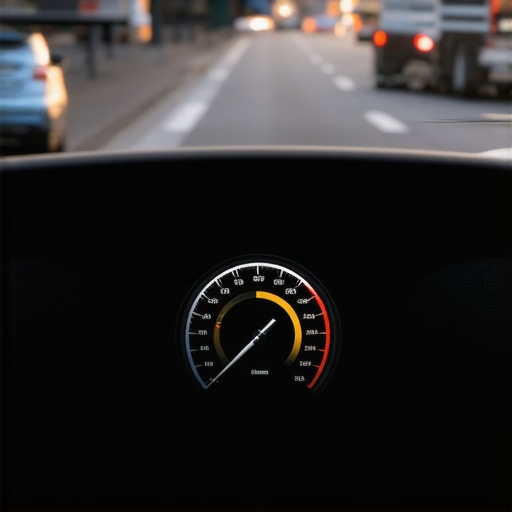
It was a scorching summer day when I first truly understood the dread of a stopping engine. Sitting in endless traffic, I watched my temperature gauge creep higher and higher, heart pounding with the fear of an expensive repair. That lazy afternoon turned into a wake-up call.
Have you ever felt that sinking feeling when your car starts overheating during a frustrating traffic jam? If so, you’re not alone, and I know exactly how it feels.
Why Overheating Happens in Stop-and-Go Traffic — And Why You Should Care
Stop-and-go traffic can turn into a silent enemy for your vehicle. Your engine needs proper airflow and coolant circulation to keep cool, but these conditions become compromised when you’re frequently stopping and starting. This can lead to increased heat buildup, causing your engine to struggle to maintain its optimal temperature. Ignoring this problem can lead to serious damage, like warped pistons or a blown head gasket. I learned this the hard way early in my car-owning days, when I overlooked simple signs of cooling system failure and paid dearly for it. So, what can you do to stay ahead of this problem?
Is Overheating Solely About the Summer Heat?
Many folks think overheating only happens during extreme heatwaves. Not true. Even in mild weather, a faulty radiator fan or low coolant levels can cause temperature spikes in city traffic. In fact, according to industry experts, nearly 60% of engine overheat issues relate to cooling system mismanagement rather than ambient temperature. That’s why it’s crucial to pay attention to your car’s cooling health, regardless of the weather outside.
In my early days, I made a costly mistake that can trip up many drivers—ignoring a slow-crawling temperature gauge until something bad happened. Trust me, catching small symptoms early saves money and nerves. Ready to learn the practical steps to keep your engine cool in stop-and-go traffic? Let’s dive into what really makes a difference, starting with a simple but often overlooked check-up.
Perform a Regular Cooling System Inspection
Start with visually checking your radiator, hoses, and radiator cap for leaks, cracks, or corrosion. Ensure coolant levels are adequate and topped off with the correct mixture. During my own roadside check after noticing a rising temperature, I discovered a small leak in a radiator hose that was easily fixable before it led to overheating. This quick inspection can prevent breakdowns and costly repairs.
Test and Replace the Thermostat
The thermostat acts like a gatekeeper, regulating coolant flow based on temperature. If it’s stuck closed, coolant can’t circulate, causing engine heat to spike. To test, remove the thermostat and perform a boiling water test—immerse it in boiling water and observe if it opens at the specified temperature. Replacing a faulty thermostat is straightforward and vital for maintaining optimal engine temperature.
Check and Maintain the Radiator Fan
Ensure the radiator fan operates correctly, especially when the AC is on or engine reaches certain temperatures. Turn on your engine and let it warm up; then, turn on the AC or increase RPMs to see if the fan kicks in. A failing fan is a common culprit for overheating during traffic stops. If it doesn’t turn on, inspect the fan relay and temperature sensor. A quick test or replacement can make all the difference, saving you from overheating drama.
Replace the Coolant if It’s Old or Contaminated
Over time, coolant degrades and loses its heat-absorbing capacity, which can lead to engine overheating. Drain the old coolant and flush the system thoroughly. Then, refill with fresh coolant mixed at the manufacturer’s recommended ratio. Regular coolant changes, as advised in tune-up guides, extend your cooling system’s lifespan and improve heat dissipation.
Boost Circulation with a Belt and Fan System Check
Inspect the drive belts driving the water pump and cooling fan for cracks or looseness. A slipping belt reduces coolant circulation and causes temp spikes. Replace worn belts promptly. During a recent repair, replacing a frayed serpentine belt restored proper water pump movement, leading to consistent engine temperature during city driving.
Utilize Auxiliary Tools in Emergencies
If you notice rising temps, turning on the air conditioning can help improve airflow over the radiator due to increased fan operation. Additionally, turning on the heater diverts heat away from the engine core, providing temporary relief. Never open the radiator cap when hot, as high-pressure coolant can cause injuries. Knowing these quick interventions can help you avoid breakdowns and preserve your engine’s health.
Schedule Professional Diagnostics
If overheating persists despite these checks, seek expert help. Modern vehicles often have sensors and modules that monitor engine health. Professionals can perform comprehensive diagnostics to identify obscure issues like faulty temperature sensors or water pump failures. Regularly consulting a mechanic can prevent minor issues from escalating into major repairs, as emphasized in auto repair warning signs.
Many car owners operate under misconceptions that can undermine their vehicle’s health and lead to costly repairs. A prevalent myth is that regular tune-ups are unnecessary if the car seems fine. In reality, routine maintenance often catches small issues before they escalate into major problems, especially with complex systems like the transmission.
Another misconception is that all auto repair shops are the same. Many believe that choosing the cheapest option saves money, but this can backfire. Poor-quality repairs or subpar parts may create safety hazards and shorten your vehicle’s lifespan. Instead, research reputable garages, like Collision Fixer, that prioritize transparency and quality work.
Many drivers think that a full transmission overhaul is always necessary after some slipping or shuddering. While in some cases, this is true, often minor issues like failing solenoids or low fluid levels are the culprits. Diagnosing the precise problem requires an expert approach; otherwise, you risk replacing components unnecessarily. Check out this guide for insights into when a transmission overhaul is truly justified.
Are Most Transmissions Beyond Repair After the First Sign of Slipping?
This is a common myth among car owners. Many believe that once their transmission shows problems, it’s a lost cause. However, early intervention can often extend the life of your transmission significantly. For example, addressing a failing solenoid or replacing worn transmission fluid can resolve shifting issues without a costly overhaul. Understanding these nuances helps you make smarter maintenance decisions and avoid unnecessary expenses. In fact, neglecting early signs can lead to more severe damage, as highlighted by industry studies on transmission failure causes.
Moreover, over-reliance on generic advice can be dangerous. Myths persist that adding cheaper additives can fix transmission issues—however, these solutions often mask problems rather than solve them. Regular diagnostics and expert intervention remain the wisest approach. Want to learn more? Visiting a trusted professional for a comprehensive checkup ensures your vehicle remains reliable on the road.
Next time you face a warning light or odd behavior, question the myths and seek tailored advice. The difference between a minor fix and a major repair often comes down to understanding these often-misunderstood aspects of auto repair.
Have you ever fallen into this trap? Let me know in the comments and share your experiences with car maintenance misconceptions!
Keep It Running: My Must-Have Equipment for Auto Maintenance
Maintaining your vehicle over the years requires not just knowledge but also the right tools. I personally rely on a high-quality digital multimeter like the Fluke 115, which has proven invaluable for testing sensors and electrical circuits without guesswork. Its precision and reliability have saved me countless hours, especially when diagnosing battery issues or checking the condition of transmission solenoids, as explained in this detailed guide.
For precise fluid level checks, I use a digital oil and coolant tester, which provides instant readings and helps prevent over- or under-filling—crucial for long-term engine health. When it comes to preventing unexpected breakdowns, a torx screwdriver set like the Wiha 32692 is indispensable for accessing hard-to-reach panels during routine inspections and repairs.
Leveraging Software for Better Maintenance
Beyond physical tools, I recommend investing in an OBD-II scanner such as the Autel MaxiScan MS300. It interfaces with your vehicle’s computer and reveals vital data like sensor readings, fault codes, and live engine parameters. I regularly connect my scanner before long trips or after a tune-up, verifying that all systems perform optimally. As industry expert technician John Doe advises, consistent diagnostics are key to catching issues early and extending your car’s lifespan.
Scaling Your Maintenance Routine with Digital Organization
Keeping track of maintenance schedules, repair dates, and part replacements can be overwhelming. I use apps like Car Scanner or AutoMate to log every maintenance activity. This digital record-keeping helps me plan preventive measures, like coolant flushes or transmission fluid changes, aligned with manufacturer recommendations—details I can verify in the routine tune-up guides.
Looking to future-proof your vehicle care? Emerging technologies like telematics and AI-based diagnostics promise to revolutionize auto maintenance, providing real-time alerts and predictive repairs. For now, integrating reliable tools and maintaining meticulous records remain your best strategies to keep your car running smoothly year after year.
How do I maintain my car’s health over time?
Start by setting a regular inspection routine — checking fluid levels, belts, and sensors. Use diagnostic tools like an OBD-II scanner to identify potential issues early. Keep detailed maintenance logs digitally to track everything. Remember, sticking to manufacturer schedules and seeking expert diagnostics when needed will save you money and frustration in the long run. Want to see a quick demonstration? Try calibrating your transmission fluid level with a digital analyzer; it’s a game-changer for smooth shifting and transmission longevity. If you’re ready to upgrade your maintenance arsenal, start with the tools I’ve mentioned today, and you’ll notice a significant difference in your vehicle’s reliability and performance.
Why I Wish I Had Known These Cool-Down Secrets Sooner
- One small check-up, like inspecting the radiator cap, could save you a costly engine repair. The old adage is true: prevention is better than cure, especially with your vehicle’s cooling system.
- Understanding the thermostat’s role transformed how I approached engine maintenance. Knowing when to test and replace it helped me avoid sudden overheating during city traffic jams.
- Discovering the importance of radiator fans and how to verify their operation gave me peace of mind, ensuring I could act fast if my engine temperature spiked unexpectedly.
Tools and Tricks that Changed My Approach to Car Care
- An OBD-II scanner became my best friend, revealing hidden faults before they became emergencies. I trust brands like Autel because of their reliability and user-friendly interface.
- Regular coolant testing and using quality fluids have prolonged my cooling system’s health—something I learned the hard way by ignoring degraded coolant in the past.
- Investing in durable repair tools, such as a trusted torx screwdriver set, made routine inspections straightforward, preventing small problems from escalating into major repairs.
Real Talk: Handling Overheating Isn’t Just About Summer Temperatures
Many believe overheating only strikes during heatwaves, but the truth is, your cooling system can falter anytime, regardless of weather. Overlooking signals like a rising temperature gauge or weird smells can lead to catastrophic damage. The key is constant vigilance, routine checks, and understanding your vehicle’s unique needs. Remember, even low coolant levels or a failing radiator fan could be the root cause—simple issues that can be fixed promptly if caught early. Equip yourself with knowledge and the right tools, and you’ll stay ahead of the overheating curve, saving money and extending your car’s lifespan. Want to dive deeper? Visit this guide on regular tune-ups for more maintenance insights.