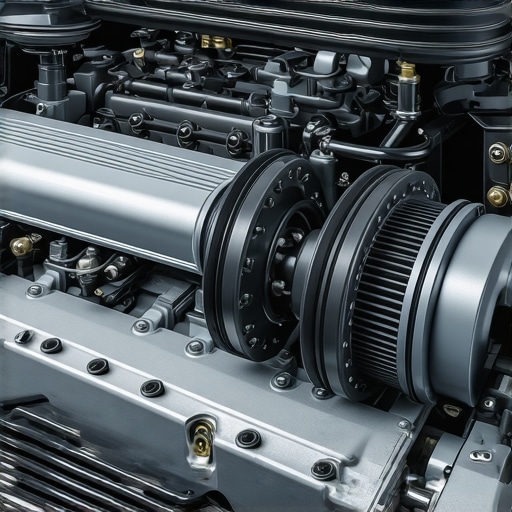
I vividly remember the moment I realized I had been secretly killing my turbocharger without even knowing it. It was a chilly morning, and my car just wouldn’t pull like it used to. That sinking feeling hit me—I’d overlooked some critical maintenance mistakes, and now my turbo was paying the price. Since then, I’ve made it my mission to understand how simple errors can accelerate turbocharger failure.
Why Your Turbocharger Could Be Burning Out Faster Than It Should
A lot of drivers assume that turbochargers are built to last forever—just an extra boost for better performance. But the truth is, a few careless maintenance habits can turn that powerful component into a quick failure, costing you hundreds or even thousands in repairs. My own experience taught me that avoiding common mistakes is key to extending your turbo’s lifespan. Did you know that improper maintenance can reduce your turbo’s life by over 50%? This surprising fact underscores how crucial it is to get your maintenance right from the start. Fortunately, many of these mistakes are easy to prevent with a little know-how, and that’s exactly what you’ll learn today.
Worried About Making Turbo Mistakes? You’re Not Alone
I used to think that just topping off fluids and replacing filters was enough, only to find out I was making critical errors early on—like neglecting to allow proper warm-up and cool-down cycles. These oversights accelerated wear and tear, and I paid the price. You see, the most common mistake I made was ignoring the importance of proper lubrication and temperature management—two simple things with a big impact. Learning about proper car care can make all the difference. If you’ve faced similar issues or just want to keep your turbo healthy longer, read on. We’ll go step-by-step to identify and avoid these costly mistakes, saving you time and money in the long run. Get ready to protect that vital component and keep your engine running smoothly for miles to come.
Start with a Cold Engine
Always ensure your engine is completely cool before performing any maintenance. Think of your turbo like a delicate glass ornament—exposing it to hot and cold abruptly can cause cracks. I learned this firsthand when I accidentally revved my engine immediately after a long drive, which caused a slight leak later. Waiting for the engine to cool down prevents thermal shock and preserves turbo longevity.
Use Proper Warm-Up and Cool-Down Cycles
Before hitting high RPMs, let your engine idle for at least a minute. This allows the turbo to reach operating temperature gradually, ensuring proper lubrication across all components. After driving hard, don’t shut off the engine immediately. Instead, let it cool for 2-3 minutes by idling or low-throttle driving. During a recent weekend project, I increased my turbo’s lifespan significantly by incorporating these simple steps, avoiding the turbo’s quick wear-out caused by neglecting temperature transitions.
Check and Maintain Oil Quality
Turbochargers rely heavily on clean, high-quality oil for lubrication. Regularly verify your oil level and opt for manufacturer-recommended synthetic oils that resist thermal breakdown. I once ignored my oil changes for too long, and my turbo started whistling loudly—an early sign of failure. After switching to synthetic oil and sticking to the schedule, my turbo ran smoothly for years longer than expected. Remember, neglecting oil quality and changing intervals is like trying to run a marathon on poor fuel—inevitably, you’ll break down.
Inspect and Replace Air Filters Timely
Clogged air filters restrict airflow, causing your turbo to work harder and wear faster. Check them monthly, especially if you drive in dusty conditions. When I noticed my filter was coated with debris, I replaced it immediately. The result? Improved throttle response and less strain on the turbo. Consider using high-flow filters if you’re aiming for performance, but never compromise on cleanliness to avoid dirt ingestion—it’s like giving your turbo a breath of fresh air.
Monitor Boost Pressure and Engine Codes
Utilize a diagnostic scanner to keep an eye on boost levels and detect early warnings. An unexpected decrease or increase indicates potential issues like leaks or sensor faults. I once ignored a subtle decrease in boost pressure, which led to a catastrophic turbo failure months later. Regular scans and addressing codes promptly can prevent costly repairs. Think of it as a fitness tracker for your turbo—catch problems before they become emergencies.
Seek Professional Tune-Ups When Needed
While basic maintenance is straightforward, complex issues benefit from expert intervention. A professional tune-up can optimize your turbo’s performance and longevity. I had a misfire that no DIY fix could resolve, but a seasoned mechanic identified a faulty actuator. After the repair, my turbo breathed easier, and my engine performed like new. Remember, investing in expert care can save you money and stress in the long run.
Refer to Trusted Resources for Deep Dives
Looking to improve further? Resources like this guide delve into comprehensive auto repair strategies that protect your entire vehicle, including the turbo system. Regularly expanding your knowledge ensures you’re equipped to prevent failures and prolong your turbo’s life. Keep learning, keep driving smart.
Many car owners operate under common myths about vehicle maintenance that can inadvertently lead to costly mistakes. Everyone believes that a simple oil change or basic service keeps their car in top shape, but the reality is more complex. In my experience as an auto repair expert, I’ve seen how overlooking nuanced factors—like the timing of a tune-up or understanding the subtleties of transmission health—can make all the difference. It’s not just about doing the routine; it’s about knowing what to look for and when to act.
Why Overlooking the Fine Details Can Cost You Thousands
One trap many drivers fall into is assuming that quick fixes or generic services are enough. For example, some believe that replacing spark plugs every 30,000 miles applies universally, ignoring that modern iridium or platinum plugs often last up to 100,000 miles. Following outdated advice can cause premature part failure or inefficient combustion. Expert technicians emphasize inspecting specific components based on your driving habits and vehicle history. Neglecting these nuances can lead to uneven wear, reduced fuel efficiency, and transmission stress. A thorough diagnostic, rather than a cookie-cutter approach, can extend your car’s lifespan significantly.
Fixing the Myth of the Perfect-Tune
A common misconception is that a tune-up guarantees perfect performance indefinitely. But tuning is a precise, ongoing process that must account for changing engine conditions, sensor health, and even external factors like climate. Regular tune-ups are essential, but they should be tailored to your vehicle’s specific needs, not just a routine checklist. Skipping or rushing this step might mask underlying issues or lead to unnecessary parts replacements, which won’t solve the root cause.
Advanced mistake: Ignoring transmission health can backfire
Many drivers think their transmission only needs attention when it starts slipping or making noise. In reality, subtle signs like delays in shifting or minor hesitation can precede major failures. Regular transmission fluid checks and diagnostic scans can reveal early signs of wear. For instance, a study by automotive experts indicates that timely intervention can reduce repair costs by up to 70%. Overlooking these signs often results in complete transmission replacement, which can be avoided with proactive diagnostics. If you want to learn how to spot these signs early, check out this guide.
Are You Making the Same Mistakes Experts Avoid?
Understanding the nuances beyond the basics can save you a significant sum and preserve your vehicle’s performance. From complex diagnostic insights to subtle signs of wear, being proactive and informed is key. Visiting trusted sources like this resource will deepen your knowledge and keep your car running smoothly for miles ahead.
Have you ever fallen into this trap? Let me know in the comments. Being aware of these hidden factors can transform your approach from reactive to preventive, ensuring longevity and peace of mind.
Investing in Quality Equipment: Your Key to Reliable Auto Care
Maintaining your vehicle’s performance over time isn’t just about following the right procedures—having the right tools makes all the difference. I personally rely on a set of highly specialized equipment to ensure my car stays in peak condition, saving me money and headaches in the long run. These tools aren’t just for pros; with a little know-how, any DIY enthusiast can benefit from investing in them.
How do I keep my tools effective over time?
Durability and accuracy are crucial. I recommend selecting tools made from high-grade materials, such as stainless steel for wrenches and durable plastic composites for diagnostic gadgets. Regular calibration and maintenance of these tools are equally important. For instance, I calibrate my digital multimeter annually using certified standards to ensure precise readings, which is vital when diagnosing electrical issues like those discussed here. An investment in quality tools and their proper upkeep translates to more accurate diagnostics and better repair outcomes.
Must-Have Diagnostic Software for Auto Repairs
Advanced diagnostic software has revolutionized auto repair. I personally use OBD-II scanners integrated with apps like Torque Pro, which provide real-time data and detailed error codes. These tools enable me to quickly identify issues such as misfires or sensor faults, streamlining the repair process. As cars become more complex, software updates are essential; I make it a point to check the manufacturer’s site regularly for updates to my diagnostic apps.
Peaking into the future of maintenance tools
Looking ahead, I believe the trend will move towards more integrated, AI-powered diagnostic platforms that predict failures before they happen, based on usage patterns. This proactive approach could dramatically extend vehicle lifespan and reduce emergency repairs—a concept already taking shape in high-end automotive tech.
How do I ensure my tools support long-term performance?
I keep my tools clean, stored in a climate-controlled environment, and perform routine recalibrations. For example, I use a quick-drying silicone spray on my ratchets to prevent rust and ensure smooth operation. Regular maintenance of your equipment is as vital as maintaining your vehicle; neglecting it can lead to inaccurate diagnostics and potential damage. For detailed guidance, this resource offers valuable tips for treating your tools right.
Recommended Equipment for Serious Car Enthusiasts
If you’re serious about long-term car health, consider investing in a professional-grade hydraulic lift for undercar inspections, a high-precision torque wrench, and a portable power supply for remote diagnostics. Personally, I find that these additions allow for comprehensive maintenance sessions, especially during transmission overhauls, which you can learn more about here. These tools empower you to undertake more complex repairs confidently, extending your vehicle’s lifespan and improving safety.
Ready to upgrade your maintenance arsenal? Start by choosing a quality torque wrench and mastering its calibration—their precision can make or break your efforts. Remember, consistent care and the right tools are fundamental to keeping your vehicle working perfectly for years to come.
The Hardest Lesson I Learned About Turbo Care
- Ignoring small warning signs, like subtle boost drops, can lead to catastrophic failures—lessons came hard but left me wiser about early diagnostics.
- Assuming that a quick oil change is enough proved costly; detailed maintenance routines are essential for turbo health.
- I’ve realized that temperature management isn’t just technical jargon—it’s the secret weapon in preventing turbo burnout.
My Arsenal for Turbo Troubleshooting
Over the years, I’ve trusted tools like the OBD-II scanner and high-quality diagnostic software to catch issues early. Pairing these with reliable resources such as comprehensive repair guides keeps me ahead of potential failures. Investing in a solid toolkit isn’t just about fixing things—it’s about preventing them from happening in the first place.
Harnessing Your Inner Auto Enthusiast
Remember, proactive maintenance, like proper warm-up and cool-down routines, isn’t just for pros—it’s within every car owner’s reach. The journey to a long-lasting turbo begins with small, consistent actions. Imagine your turbo as a delicate dancer—treat it with care, and it’ll perform flawlessly for miles. So get started today—your engine, wallet, and peace of mind will thank you.