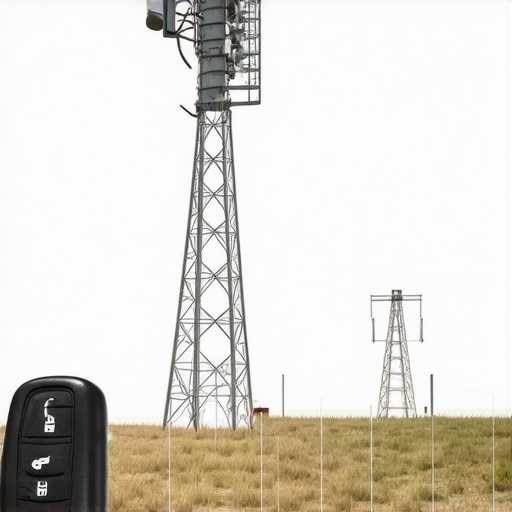
There was a morning not long ago when I reached for my car keys, only to find the remote key fob unresponsive. Frustration bubbled up as I tried again and again, convinced it was a dead battery or some glitch. But then I noticed something odd—every time I drove near certain towers or bustling cell areas, my key fob acted up. It was like my car had a mind of its own, playing a game of hide-and-seek with the remote.
The Struggle Is Real: Unlocking the Mystery of Your Fob’s Flakiness
If you’ve ever experienced this, you’re not alone. Modern cars and their keyless entry systems are marvels of convenience—until they aren’t. Suddenly, things that once worked flawlessly start misfiring, especially when you’re near cell towers or heavily populated urban zones. It’s as if the very signals meant to keep us connected throw a wrench into your vehicle’s unlocking system. But why does this happen? And, more importantly, how can you fix it? Today, I’ll share my insights grounded in real-world experience and scientific understanding, so you can avoid the same frustrations and get back to your day—without fighting with your keys.
Will This Be a Case of Faulty Equipment or External Interference?
Early on, I made the mistake of assuming my key fob was just old or batteries were dying. Turns out, external electronic interference plays a significant role. Radio signals from high-power towers, cell phones, and even Wi-Fi networks can disrupt the signals between your key fob and your vehicle’s receiver. In fact, a study published by the
National Highway Traffic Safety Administration shows that certain environmental factors can cause compatibility issues or temporary signal blocking—leading to those frustrating moments when your car won’t respond as expected.
Now that we understand the root of the problem, let’s explore practical ways to troubleshoot and resolve this interference, ensuring your keyless system works smoothly no matter where you are.
Identify and Isolate the Interference Sources
Start by paying close attention to when your key fob acts up. Was it near a specific tower or device? I recall a time I was parked close to a cell tower and couldn’t unlock my car. Use a systematic approach: walk away from known signal sources like Wi-Fi routers, cell towers, and other electronics. Keep a journal of areas where the problem occurs frequently. This helps you pinpoint environmental interference hotspots, much like diagnosing a transmission slipping only during specific driving conditions. Once you recognize patterns, you can avoid those zones or plan to mitigate interference effects.
Reposition or Shield Your Key Fob
Use a Faraday Cage or Signal Blocker
One effective trick I tried involved wrapping my key fob in aluminum foil. It’s like creating a mini Faraday cage—blocking external signals and preventing interference. For a more durable solution, purchase a commercially available Faraday pouch designed for key fobs. Keep your fob in this pouch when not in use, especially in high-interference areas like shopping malls or near cell towers. This simple step prevents unwanted signals from reaching your fob, ensuring it only responds when you intend it to. Remember, this is similar to protecting sensitive transmission components from electromagnetic interference during a tune-up for longevity and reliability.
Report Interference to Your Vehicle Manufacturer
If repeated attempts fail, consult your vehicle’s manual or contact the manufacturer. Some models have hardware or software updates that can minimize susceptibility to external signals. Visit the manufacturer’s support page or contact a trusted auto repair expert—like those at Collision Fixer—to inquire about firmware updates or aftermarket solutions that improve keyless entry stability. Updates can be akin to a transmission overhaul, ensuring smooth operation over time and preventing future issues related to external electronic interference.
Upgrade Your Key Fob System
If your fob is outdated or inherently susceptible to interference, consider upgrading to a newer model with enhanced shielding and signal filtering. Modern keyless systems are designed to handle urban noise better, which is equivalent to upgrading a fuel injection system for better performance. When upgrading, choose reputable brands and ensure compatibility with your vehicle. This is especially crucial if interference problems persist despite environmental controls—a proactive step to improve reliability, similar to regular tune-ups that extend your car’s lifespan. For professional guidance, you can always reach out to our experts for assistance in selecting the optimal system.
Perform Routine Maintenance and Checks
Regularly testing your key fob’s responsiveness in different environments helps you anticipate problems before they occur. Keep the battery fresh—often, interference exacerbates with low battery power—so consider replacing the battery periodically. Use high-quality batteries to reduce the risk of weak signals, much like ensuring your transmission fluid is clean for optimal shifting. Additionally, inspect for physical damages or corrosion on the fob’s contacts, which can impair signal transmission. Routine checks and maintenance are the backbone of reliable vehicle operation, similar to consistently scheduling essential car services for safety and longevity.
Many car owners believe that routine auto service is just about changing oil and checking tire pressure, but this oversimplification can lead to costly mistakes. One of the most pervasive myths is that a simple oil change or filter replacement suffices to keep a vehicle running smoothly—yet, in reality, neglecting comprehensive diagnostics and proactive maintenance can cause more harm than good. For instance, ignoring early signs of transmission wear or coolant system issues often results in expensive repairs or complete overhauls, which could have been avoided with proper early intervention. Experts like those at Collision Fixer emphasize that understanding the nuances of your vehicle’s mechanical systems is crucial for long-term reliability.
Beware of the trap where many believe that a quick fix is all that’s needed when symptoms first appear. For example, replacing a worn-out belt without inspecting related components might temporarily solve the problem, but it neglects underlying causes that may cause future failures. Regular, professional tune-ups and vehicle assessments are essential to catch these issues early.
Advanced car maintenance also involves understanding the subtle signs that precede major failures. A shudder during acceleration might seem minor, but it could indicate transmission linkages or internal fluid problems—which, if ignored, may lead to costly overhauls. Engaging with expert technicians for diagnostics helps prevent such expensive mistakes.
What most people overlook is that modern vehicles are complex systems where a problem in one part affects others. For example, coolant system neglect can lead to engine overheating, causing damage to sensors and catalytic converters—small issues that escalate rapidly. Proper maintenance requires a holistic approach, ensuring each component functions optimally, saving you money and extending your vehicle’s lifespan. For comprehensive guidance on maintaining your car’s health, check out this helpful resource.
Finally, avoid the common mistake of rushing into repairs or trusting of cheap, generic parts. Authentic, quality components fitted by experienced mechanics prevent recurring problems and safeguard your investment. Regular, expert check-ups—like those offered at Collision Fixer—are your best defense against unforeseen breakdowns and costly repairs. Don’t wait until symptoms become emergencies; proactive maintenance is the smartest way to keep your car dependable and safe.
Have you ever fallen into this trap? Let me know in the comments!
Investing in Quality Tools for Longevity
Having the right equipment can make a significant difference in maintaining your vehicle’s performance, especially when dealing with critical systems like transmissions or cooling components. I personally swear by a digital multimeter with auto-ranging capabilities; it allows me to diagnose electrical issues accurately without the hassle of manual range adjustments. For example, testing battery voltage or checking sensors becomes straightforward and reliable with a precision multimeter, reducing the need for trips to the mechanic for minor problems.
When it comes to fluid maintenance, I recommend a professional-grade coolant flush kit, such as the one detailed at Collision Fixer. Regular coolant changes prevent engine overheating and potential damage, extending your engine’s life. As vehicles age, sediment buildup from coolant can cause passages to clog, undermining cooling efficiency. Using the proper tool for flushing—like a pump and flushing nozzle—ensures a thorough clean, which is vital if you want to avoid costly cooling system repairs down the line.
Maintaining Your Transmission Effectively
The transmission system is arguably the most complex part of your vehicle, requiring vigilant maintenance for long-term performance. I personally follow a strict schedule for transmission fluid changes, typically every 30,000 to 50,000 miles, depending on vehicle specifications. Modern automatic transmissions benefit from using high-quality synthetic fluid, which can withstand higher temperatures and reduce wear. I also utilize a diagnostic scanner capable of reading transmission-related error codes, making early detection of issues like slipping or shuddering much easier—saving me money and preventing breakdowns.
For those interested in proactive transmission care, I recommend tools like the OBD-II scanner, which provides real-time data and error codes. Regular checks with this device, combined with fluid replacements, help prevent expensive overhauls, similar to those discussed at Collision Fixer. Remember, early intervention can turn a minor issue into a simple fix, rather than costly repairs.
Planning Ahead: Future of Car Maintenance Tools
The trajectory of automotive technology points toward increased integration of telematics and AI-powered diagnostics. Future tools will likely provide predictive analytics, alerting you to potential failures before symptoms appear—saving even more time and money. Already, systems like adaptive maintenance reminders and remote diagnostics are becoming standard, making proactive care more accessible for everyday drivers. Embracing these advancements now can prepare you for a smoother ride ahead and help preserve your vehicle’s value long-term.
How do I maintain my car’s systems over time to avoid costly repairs?
Adopting a routine of regular tune-ups and system checks is essential. Additionally, investing in diagnostic tools like a reliable OBD-II scanner allows you to monitor vital parameters and catch issues early. Try integrating scheduled fluid replacements and software updates, much like upgrading your vehicle’s firmware, to keep everything functioning optimally. Remember, consistency is key; maintenance is an investment that pays off in the form of reliable, long-lasting performance.
Over the years, I learned that the key to avoiding frustrating issues with my car’s keyless entry wasn’t just about replacing batteries or hardware; it involved understanding and managing external electronic interference. One lightbulb moment came when I realized that many of my key fob failures coincided with times I was near busy cell towers or Wi-Fi hotspots. Recognizing this pattern made me appreciate the importance of environmental awareness and proactive measures in vehicle maintenance. This knowledge has empowered me to take control, whether by shielding my key fob or choosing better locations for parking, ultimately saving time and enhancing my driving experience.