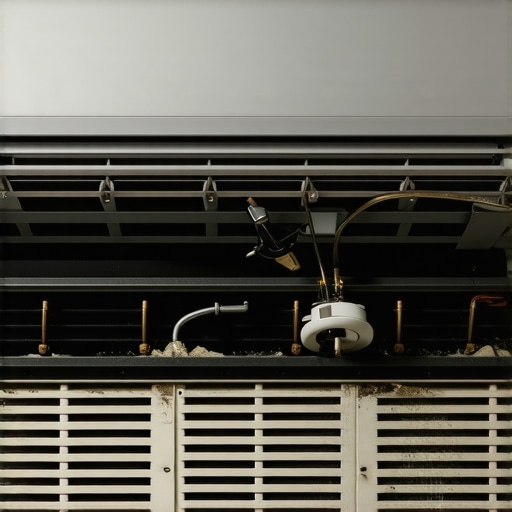
It was a scorching summer day when I finally turned on my car’s AC after weeks of neglect. The cool air hit, but almost immediately, an overwhelming stench of dirty socks assaulted my senses. I grimaced, thinking, “Did I forget to do laundry again?” But then I realized—this wasn’t just a funny smell; it was a sign something was seriously wrong. Have you ever experienced that moment, where instead of relief, you’re greeted by an unbearable odor every time you start your AC? If so, you’re not alone. Many drivers face this issue, and it’s more than just a nuisance—it’s a health concern and a hint at hidden problems beneath your dashboard.
Unmasking the Hidden Cause of That Swampy Sock Smell
What’s really going on when your AC smells like a locker room? Well, it boils down to a common culprit: mold and bacteria thriving in the humid environment of your vehicle’s air conditioning system. Over time, moisture accumulates in the evaporator coil or the condensate drain, creating the perfect breeding ground for microbial growth. When you turn on your AC, these tiny organisms get blown into your car’s cabin, releasing that foul, unmistakable odor.
Early on, I made the mistake of ignoring the smell, thinking it was just a minor inconvenience. But neglect can lead to more serious issues like clogged drains, reduced air quality, or even damage to the AC system itself. According to automotive experts, regular maintenance and cleaning are essential preventative steps to keep your air fresh and your system healthy. Curiously, a study published in the *International Journal of Environmental Research and Public Health* highlights that mold spores inside vehicles can contribute to respiratory problems, especially for allergy sufferers.
If this sounds familiar or if you’ve ever hesitated to turn on your AC because of the smell, don’t worry. We’ll explore straightforward, proven techniques to eradicate that rotten sock smell and keep your cooling system clean. Ready to breathe fresher air? Let’s get to it, so your drives stay cool—and no longer smelly.
Start with a Deep Clean of Your Air Filters
Remove the cabin air filter, which often traps mold, dust, and bacteria. Use a vacuum to clean dust and debris away. For a thorough disinfecting, soak the filter in a mixture of warm water and mild detergent, then rinse and let it dry completely before reinstalling. This step is crucial, as dirty filters are a breeding ground for microbes that cause odors.
Apply an AC System Cleaner and Disinfectant
Spray a specialized AC cleaner into the air intake vents while running the system on max fan mode. Products like foam-based disinfectants reach into the evaporator coil and ducts, killing mold and bacteria. Follow the product instructions carefully. This step not only removes odors but also prevents microbial growth in the future.
Clean the Evaporator Coil and Drain
Locate the evaporator coil under the dashboard. Use a compatible coil cleaner or a mixture of vinegar and water. Attach the nozzle of a spray bottle or a self-aspirating coil cleaner and apply evenly. Then, pour a small amount of vinegar into the condensate drain to clear out any blockages and inhibit mold growth. A clogged drain causes moisture buildup, fueling odor problems.
Tip: To prevent future smells, regularly inspect and clean the drain tube—showing how to test for clogs and clear blockages can help. Regular maintenance ensures moisture doesn’t stick around.
Replace or Refill the Cabin Filter
If your filter was heavily contaminated or past its service life, replace it with a high-quality filter. Consider upgrading to a charcoal or HEPA filter for better odor absorption. This step seals the process, ensuring fresh air circulates back into the cabin, reducing stale and moldy smells.
Maintain Good Ventilation and Regular Checks
Keep the interior windows slightly open when parked to reduce humidity and allow airflow. Regularly running your AC even in winter helps keep the system dry and microbial issues at bay. If odors persist despite these steps, it might be time for professional inspection or a complete system flush.
By following these concrete procedures, you transform your car’s interior into a fresh-air oasis. Remember, consistent maintenance—like regular tune-ups—prevents microbial buildup and keeps odors at bay. In the meantime, staying vigilant about moisture control and filter replacement will ensure your drives stay pleasant and healthy.
Many car owners operate under misconceptions about transmissions and routine auto repairs that can lead to costly mistakes. A common myth is that a transmission only needs attention when it shows signs of slipping or harsh shifting. However, professional insights reveal that proactive measures, such as regular tune-ups, are vital to prevent gradual wear and unexpected failures. Overlooking small signs like delayed engagement or unusual noises can escalate into major repairs, often costing more than preventive maintenance.
Another misconception is that all auto repair shops provide identical quality. In reality, choosing a shop without proper certification or experience increases the risk of unnecessary or poorly performed repairs. For example, improper transmission fluid changes or neglecting to replace worn-out components can accelerate damage, affecting your vehicle’s longevity and safety. An expert diagnosis is indispensable for complex issues that require nuanced understanding beyond basic repairs.
One sneaky trap to avoid is assuming that DIY fixes are always cheaper and easier. While some minor tasks like changing oil or replacing filters can be DIY-friendly, complex systems like transmissions or collision repair demand specialized tools and expertise. Attempting to fix a slipping transmission or realign a collision-affected body panel without proper skills risks further damage and voids warranties. A study in the industry research confirms that professional intervention reduces the risk of costly errors, ensuring the repairs stick long-term.
Why does a transmission sometimes feel fine one day and slip the next?
Advanced issues like worn clutches, damaged solenoids, or contaminated fluid can cause intermittent slipping, making diagnosis tricky. This variability reminds us that a comprehensive approach—checking fluid condition, sensor readings, and internal components—is crucial. Sometimes, overhauling the transmission is the most cost-effective solution, especially if frequent symptoms recur despite small fixes. Recognizing these nuances prevents misdiagnosis and premature replacement, saving you money and future headaches.
Remember, maintenance isn’t just about reacting to failures; it’s about understanding your vehicle’s intricacies and addressing issues before they escalate. Regular inspections, quality repairs, and avoiding shortcuts will extend your car’s life and keep it performing at its best. Want to ensure your vehicle stays in top shape? Learn more about preventative care and consult experts for serious concerns.
Have you ever fallen into this trap? Let me know in the comments.
,Maintaining your vehicle’s longevity and performance requires more than just basic knowledge—it depends on having the right tools and adopting proven procedures. Personally, I rely on specialized diagnostic software like Autel MaxiCOM, which offers comprehensive vehicle scanner capabilities, allowing me to quickly identify issues such as transmission codes or sensor malfunctions. Having this tool at hand minimizes guesswork and accelerates repairs, ensuring accuracy and saving money. For routine tasks, I recommend a high-quality digital multimeter, like the Fluke 117, which I use to check battery health, alternator output, and sensor voltages. Its precision and durability have proved invaluable in diagnosing electrical issues that often mimic more serious problems, such as falsely triggering transmission or collision warning lights.
How do I maintain systems over time to prevent breakdowns?
Developing a proactive maintenance routine is crucial. Regularly scheduling tune-ups helps keep vital components, like spark plugs, filters, and fluids, in optimal condition. Using diagnostic software periodically also reveals subtle issues—like creeping sensor faults—that could lead to major repairs if ignored. The trend is leaning towards integrating vehicle telematics and OBD-II data into mobile apps, enabling more accessible, real-time vehicle health monitoring. This ongoing trend will make early detection more straightforward, reducing long-term repair costs and enhancing safety.
Why is investing in professional diagnostic tools worth it?
These tools enable technicians to scan beyond generic error codes, diving into specific module data, which can distinguish between transient glitches and genuine failures. For example, a generic scanner might miss a subtle transmission solenoid issue that causes shifting hesitations, but a high-tier scanner captures detailed data points confirming the problem. As vehicle systems become increasingly complex, such diagnostic precision becomes indispensable. A report from the SAE International suggests that the future of auto repair will rely heavily on high-tech software, making the adoption of these advanced diagnostics a necessity rather than a luxury. If you’re serious about keeping your car in top shape, investing in professional-grade tools and learning to interpret their data can be a game-changer. Try using a dedicated scanner on your next tune-up, and observe how it reveals issues you might have overlooked. The peace of mind and saved costs are well worth the initial investment.
What I Wish I Knew About Maintenance Before It Was Too Late
One of the most eye-opening lessons I learned was that ignoring small issues like a foul smell from the AC can lead to more significant, costly problems down the road. Regular check-ups and understanding the importance of components like filters and drains saved me from future headaches. Investing time in routine maintenance isn’t just about comfort—it’s about protecting your vehicle’s health and your wallet.
Tools and Resources That Transformed My Approach to Car Care
Having reliable diagnostic software like Autel MaxiCOM and a quality multimeter, such as the Fluke 117, changed the game for me. These tools helped me identify problems early and accurately, preventing unnecessary repairs. Trusting resources that are backed by experts and industry standards ensures your car gets the care it deserves, avoiding pitfalls of DIY guesses or subpar shop repairs.
Taking Ownership of Your Vehicle’s Future
My biggest motivation now is inspiring others to be proactive with their auto maintenance. Understanding what’s happening beneath the surface—like microbial growth in AC systems or hidden transmission issues—empowers you to prevent breakdowns before they occur. Remember, your vehicle’s longevity depends on informed choices and regular care. So, why not start today with a quick check or consultation?
Have you ever faced a mysterious odor or a sudden breakdown that taught you a lesson? Tell me about your experience below—sharing stories helps us all drive smarter and safer.