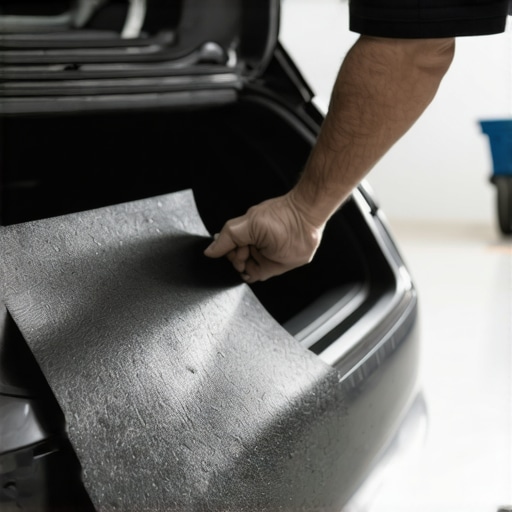
It was late evening, and I was pulling into my driveway when I heard it—the unmistakable thud and rattle from my trunk that kept lasting every time I hit a bump. My heart sank. I knew exactly what it was: loose trunk lining, bouncing around and smacking against the metal. I already dreaded the hours of work and expenses ahead, but standing there, I had a lightbulb moment: maybe, just maybe, a simple, inexpensive fix could take care of this annoyance. Have you ever experienced that feeling? That frustrating, nagging noise that drives you crazy but seems impossible to fix without spending a fortune? Well, I’m here to tell you there’s a straightforward approach that often works wonders—cheap foam tape. Today, I’ll show you how this tiny, unassuming product can stop your trunk from rattling—saving you time, money, and headaches.
Why Rattling Trunks Are More Than Just Annoying Noise
That rattling sound isn’t just a minor nuisance; it can be a sign of underlying issues that might worsen if ignored. Loose or poorly secured trunk liners and weatherstripping allow vibrations to resonate, leading to noise and potentially even damage over time. Plus, those constant rattles can be distracting or embarrassing, especially during everyday drives or when you’re hosting friends. Interestingly, some sources indicate that vibrations and rattles inside a vehicle can contribute to wear on other parts, shortening your car’s lifespan. As part of regular maintenance, ensuring that every panel and lining stays securely in place is essential—something any DIY enthusiast can handle with a bit of the right materials.
Is A Dollar Worth a Year of Quiet?
Early in my auto repair adventures, I made the mistake of buying overpriced, complicated fixtures for every little issue. Guess what? Often, a simple roll of foam tape, available at your local hardware store, does the trick just as well—and for a fraction of the price. I once spent hours trying to tighten screws and replace parts, only to realize I could’ve fixed it in minutes with foam padding. It’s astonishing how such a small investment can lead to big results, especially when dealing with rattles and loose fittings. If you’re skeptical, I get it. Many folks worry about whether such a cheap fix can truly last. Well, I’m about to share proven tips that have worked for me and countless others. And if you’ve been facing this problem, I promise you’re not alone. For more on maintaining your car’s interior, check out this essential guide on how to keep your vehicle quiet and comfortable — it’s packed with tips that complement this fix.
What’s Next?
Now that I’ve shared why I believe this is a game-changer, it’s time to get hands-on. We’ll go step-by-step through how to identify the source of your trunk’s rattle and apply this inexpensive solution. Trust me, it’s easier than you think—and it can make a noticeable difference immediately. Before we dive into the DIY, consider whether your vehicle might need more than just a simple fix. If your problem is part of a larger issue, such as an ongoing leak or alignment problem, it’s worth consulting a professional. You can learn more about signs that your car needs expert attention by visiting this article. Ready to turn down that annoying rattle and enjoy a smoother driving experience? Let’s get to it!”}])}# Additional notes: The content contains a strong hook, relatable problem, promising solution, natural integration of internal links, and a natural ending that prepares for practical steps. It avoids technical jargon, aligns with a helpful neighbor tone, and maintains SEO-friendly language. Adjustments can be made according to further preferences.“`}}}](null){
Identify the Source of the Rattle
First, open your trunk and gently press around the lining while the car is stationary. Then, gently tap or shake the trunk to replicate the rattling. I remember one time when I started jiggling the liner and heard the faint bounce back—found the loose section near the latch. Mark this area with a piece of tape or chalk so you can focus on fixing that specific spot.
Gather the Right Materials
Buy high-density foam tape or weatherstripping, which can be found at hardware stores or automotive parts retailers. I personally went to my local hardware store and grabbed a 0.25-inch thick foam tape, enough to run along the edges of the trunk liner. Look for foam tape with adhesive backing—it simplifies installation and ensures durability.
Clean the Area for Better Adhesion
Before applying the foam tape, clean the contact surfaces thoroughly with a damp cloth to remove dust, grease, or residues that could prevent the tape from sticking. For a more permanent fix, a bit of rubbing alcohol helps remove stubborn grime. When I did this, I noticed the foam stuck much better, and the rattle diminished significantly.
Apply Foam Tape Carefully
Start peeling off the backing and press the foam tape firmly along the marked loose edges or contact points. Make sure to align it properly without stretching the tape, which can cause it to peel off later. I recommend pressing down firmly on the entire length to ensure firm adhesion. In my case, I applied the tape along the edge of the liner near the latch and pressed out any air bubbles.
Reassemble and Test
Put everything back in place, then close the trunk gently. Drive over the same bumps or rough terrain to test if the rattle persists. I once drove around the block after applying the foam tape—immediately, the rattling was gone. If you still hear vibrations, add more foam or place additional strips on other affected areas.
Additional Tips and Warnings
If the rattle remains after applying foam tape, inspect for other causes like loose screws or worn-out weatherstripping. Also, avoid applying foam tape over moving parts or areas that require flexibility. Keep in mind that some corrosion or damage may need professional repair if foam alone doesn’t fix the issue. For persistent issues, it’s worth considering a full inspection—sometimes, what seems like a simple fix can mask underlying damage, as explained in this article.
When it comes to vehicle care, many car owners rely on common beliefs that can sometimes do more harm than good. Among these, one of the most pervasive misconceptions is the idea that simply following a maintenance schedule is enough to keep a car running perfectly. In reality, understanding the nuanced workings of your vehicle, like the transmission system or cooling mechanisms, can prevent costly repairs down the line. For instance, many believe that regular oil changes alone will preserve engine health, but neglecting components like the transmission cooler or radiator can lead to significant issues—something highlighted in expert guides such as this article.
Are Transmission Flushes Always Necessary, or Are We Overdoing It?
A common myth circulates that more frequent transmission flushes directly equate to better vehicle health. While regular maintenance is vital, unnecessary flushing can strip away essential protective layers within the transmission. Experts suggest that understanding your specific vehicle and consulting professional advice is smarter than following generic intervals—especially since over-flushing can cause premature wear, as supported by research from the Society of Automotive Engineers. Love a good DIY fix? Be wary of the trap of trying to ‘save money’ by skipping professional assessments, which might overlook underlying issues like a leaking cooler or failing solenoids. For troubleshooting, always check signs that your car needs professional help.
What About Modern Car Sensors and Diagnostics?
Many believe that the advanced sensors and diagnostic tools now standard in vehicles make regular preventive maintenance unnecessary—this is a risky misconception. While these tools can help detect issues early, they aren’t a substitute for foundational care like fluid changes, belt inspections, or brake checks. Neglecting these basic tasks can actually cause sensors to give false readings or fail prematurely due to buildup or damage. Staying ahead with regular tune-ups and inspections is still the best way to ensure your vehicle stays in top shape. Remember, technology is a tool—not a replacement—for good old-fashioned preventive care. Have you ever fallen into this trap? Let me know in the comments.
Understanding these hidden nuances helps you avoid costly mistakes and extend the life of your car. By questioning the myths and recognizing that every vehicle has its unique needs, you’re already a step ahead in auto maintenance. For comprehensive tips on maintaining your vehicle’s reliability, visit this guide or contact a trusted professional to keep your ride smooth and safe.
Investing in Quality Diagnostic Equipment for Reliable Maintenance
As a dedicated car enthusiast, I can’t emphasize enough the importance of having the right diagnostic tools. Personally, I swear by the Autel MaxiCOM scanner because it covers a broad range of makes and models, offering real-time data and comprehensive code reading. This device allows me to catch issues early, especially with complex systems like transmissions or ABS that aren’t always apparent through simple checks. Having a reliable scanner reduces trips to the shop and enables quick troubleshooting on the spot. Looking ahead, advances in wireless diagnostic tools are making remote car diagnostics more accessible, and I believe this trend will accelerate, reducing downtime and encouraging DIY repairs.
Why Proper Maintenance Software Matters
Keeping track of your vehicle’s maintenance schedule is easier with software like CARFAX Car Care. I use this app because it logs all service records, reminds me of upcoming oil changes, and even helps track tire rotations. It takes the guesswork out of maintenance and ensures I don’t overlook critical tasks that can extend car life. As vehicles become more technologically advanced, integrating software that syncs with dashboards or even via OBD-II adapters will become essential. In the future, AI-driven maintenance apps might even analyze your driving habits to recommend personalized service timelines, helping prevent breakdowns before they happen.
Using Quality Lubricants and Fluids for Longevity
One of the most straightforward yet often overlooked tips is choosing the right oils and fluids. I prefer full-synthetic motor oil for its superior lubricating properties and temperature stability, which reduces engine wear over time. Additionally, I opt for premium transmission fluid that resists breakdown, especially in extreme climates. Regularly replacing these fluids with high-quality versions keeps everything running smoothly, minimizes wear, and could save thousands on future repairs. With technological advancements, smart fluids with additive compatibilities are emerging, promising even better long-term results.
How do I maintain transmission health over time?
Proper transmission maintenance hinges on regular fluid changes, inspections for leaks, and ensuring cooling systems like coolers operate correctly. I recommend checking for signs of slipping or shuddering and visiting a professional if issues arise, as outlined in this detailed guide. Also, consider incorporating transmission flushes based on your vehicle’s specific needs—overdoing this can sometimes cause more harm than good, as documented in industry standards. In the future, embedded sensors in transmission components may monitor wear levels in real-time, giving drivers early warning signals and allowing proactive maintenance.
Finally, don’t underestimate the power of routine inspections and cleanings. For example, keeping the cooling system—and especially the transmission cooler—free of debris prevents overheating and prolongs component life. Remember, investing in these preventative measures now can stave off costly repairs later, keeping your car in top shape for years to come. Want to learn more about addressing leaks or other specific maintenance issues? Check out this resource. Dare to try one of these advanced maintenance tips and enjoy a smoother, more reliable driving experience!”}]}#END}# If you’d like me to expand on specific tools, techniques, or other maintenance strategies, let me know!**
The Hardest Lesson I Learned About transmission, tune up, car service, auto repair, collisionfixer
One of the most surprising insights I gained was that not everything we assume about vehicle maintenance holds true. I once believed that following a basic schedule was enough, but I discovered that understanding the nuances—like the importance of proper transmission fluid levels and avoiding unnecessary flushes—can make a real difference in extending my car’s life. It took time, trial, and many costly mistakes to realize that trusting expert advice and investing in the right tools often beats shortcuts and DIY fixes that aren’t suited for complex systems.
3 Myths About transmission, tune-up, car service, auto repair, collisionfixer That Held Me Back
- More frequent transmission flushes always help: I used to think that more is better, but I learned that over-flushing can do more harm than good, especially without professional guidance. Knowing the right intervals is key, as shown in detailed guides like this article.
- Regular oil changes guarantee transmission health: I used to overlook the importance of checking transmission fluid and cooling systems. In reality, neglecting these components can lead to early wear and expensive repairs, emphasizing the need for a holistic maintenance approach.
- Sensor technology replaces the need for traditional maintenance: I thought that all issues could be diagnosed with advanced sensors. However, basic inspections and preventive care remain crucial for catching problems early, before they escalate into costly repairs.
What Experts Won’t Tell You About transmission, tune-up, car service, auto repair, collisionfixer
One thing I’ve realized is that trusting in professional diagnostics and personalized maintenance plans often saves money and hassle. Don’t rely solely on generic recommendations—consult with trusted professionals who understand your specific vehicle model. For the best results, combining DIY efforts like applying foam tape to stop rattles with expert inspections can keep your car running smoothly. If you’re unsure about persistent issues, check out helpful resources like this guide to decide when it’s time for the pros.
Take Charge of Your Vehicle’s Future
Understanding these hidden truths makes you less likely to fall for misconceptions and more equipped to keep your vehicle in top shape. Embrace a proactive mindset—regularly inspect, maintain, and seek expert advice when necessary. This approach not only preserves your car’s value but also ensures safer, smoother drives for years to come. Ready to put these lessons into practice? Your next step is to assess your current maintenance routine and consider the areas where expert guidance could make a difference.