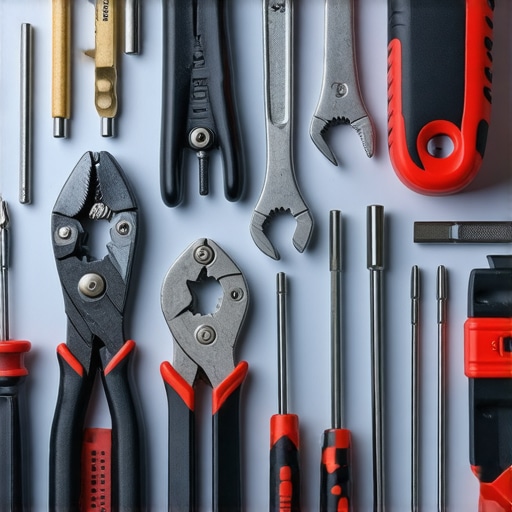
Ever had that sinking feeling when you pop your hood open and realize you’re missing a crucial tool just when you need it the most? I remember my first brake job like it was yesterday. Everything was going smoothly until I couldn’t loosen that stubborn caliper bolt because I didn’t have the right wrench. I spent more time improvising than actually working on my car. That moment was a lightbulb—if I had just one tool worth less than a coffee run, I could have saved hours of frustration.
The Game-Changer Your Toolbox Needs for Brake Repairs
While it might seem trivial, having the right tools for the job can make all the difference. Especially for DIY enthusiasts, a small, inexpensive tool can turn a daunting project into a manageable one. Today, I want to share with you the tool that I now carry in my kit that has saved me more times than I can count—a tool so effective, it’s worth every penny. Keep reading, and I’ll show you how this simple addition can elevate your brake repair game.
Is It Really Worth the Hype to Buy This Small Tool?
I’ll admit, I was skeptical at first. I’ve made the mistake early on of thinking I could get by with generic tools, only to find out they lacked the precision or strength needed. That rookie mistake cost me extra time and, sometimes, money. After upgrading my toolkit with this one essential item, I realized it’s not just hype—it’s a proven game-changer. If you’re like me, you appreciate quality over quantity, especially when it comes to car repair. Plus, mastering brake jobs with the right tool can even keep your car safer and extend its lifespan. For more tips on regular maintenance, you might want to check out our post on maximizing your car’s lifespan.
Now, I’ll walk you through what this tool is, why it’s worth the investment, and how it can make your next brake job way less stressful. Whether you’re an experienced DIYer or just starting out, having this in your toolkit is a small step toward big savings and better repairs.
Gather Your Essential Tools Before You Start
Imagine trying to fix a leaky faucet without a wrench—that’s how a DIY brake repair can feel if you’re missing the right tools. I learned this lesson the hard way when I attempted my first brake job, only to realize I didn’t have the correct socket to remove the caliper bolts. To avoid this mess, lay out all your tools beforehand: a set of socket wrenches, brake cleaner, safety gloves, and the specialty tool I swear by—a brake piston retractor tool. Having everything ready not only streamlines the process but also reduces frustration.
Prepare Your Vehicle for Safety and Access
Secure the Car Properly
Start by parking your car on a flat surface, engaging the parking brake, and placing wheel chocks around the tires that will stay on the ground. Loosen the lug nuts slightly while the car is still on the ground—this makes future removal easier. Then, jack up the vehicle using a reliable jack stand and remove the wheel to access the brake assembly. Think of it like opening a door; ensuring the car is stable is your first step to safe repairs.
Inspect and Clean Before Disassembly
Before removing components, visually inspect the brake rotor, caliper, and pads for excessive wear or damage. Use brake cleaner to spray the assembly, removing dust, grease, and rust. This cleanliness will make parts easier to work with and give you a clearer view of what needs replacement or repair. My own experience with neglecting this step led to a dusty mess and missed issues that caused squealing later.
Disassemble with Precision and Purpose
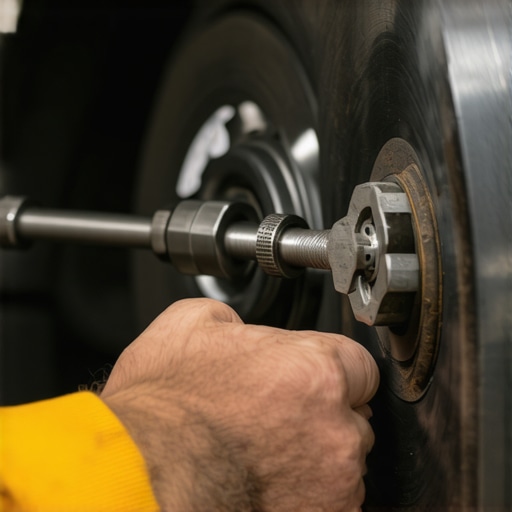
Carefully remove the brake caliper bolts with the correct socket, then suspend the caliper with a bungee cord—never let it dangle by the hose. Remove the brake pads and inspect them; replace if they are below the wear indicators. When dealing with the piston, use your brake piston retractor tool to push the piston back into the caliper housing smoothly. This process is akin to resetting a stubborn door hinge—you need the right tool and technique to do it without damaging other parts.
Remember, if you’re unsure about any step or if your brake system shows signs of deep damage, consulting a professional or referring to trusted guides can save you time and further repair costs. For instance, if your brakes are grinding or pulsating, it might be time for a full system check—learn more about signs that require expert repair.
Reassemble with Care and Confidence
Once all components are cleaned and inspected, reassemble in the reverse order. Use a torque wrench to tighten bolts to manufacturer specifications; over-tightening can warp rotors or damage components, while under-tightening may lead to failure. Apply brake lubricant to contact points to ensure quiet, smooth operation. Finally, reinstall the wheel, tighten lug nuts by hand, and lower the car carefully. Finish by tightening lug nuts to spec and testing the brake pedal for firm resistance before driving.
When it comes to maintaining your vehicle, there’s a lot of misinformation and misconceptions circling around that can lead even seasoned car owners astray. Many believe that sticking to routine oil changes and basic fluid tops suffice, but in my experience, neglecting specific nuances can accelerate wear or cause costly damage. For instance, some think that flushing the transmission fluid is unnecessary if the car shifts smoothly; however, according to automotive experts, timely transmission overhauls can save you a fortune long-term, especially if subtle signs like slipping or shuddering are ignored. Moreover, a common myth is that a quick tune-up fixes all engine issues—while essential, it often isn’t enough if underlying problems like dirty sensors or worn spark plugs are overlooked. Regular preventive measures, such as detailed inspections and sensor cleaning, are vital for optimal performance and longevity. Did you know that many car failures stem from misunderstood symptoms? For example, a vibrating steering wheel at specific speeds might indicate worn-out shock absorbers, not just tire balance issues, which can be confirmed by dedicated diagnostics.
Many drivers fall into the trap of postponing professional repairs thinking that loose or inconsistent shifting is just a minor glitch, but detailed inspections reveal deeper concerns like failing transaxles or corroded solenoids, which can cause dangerous drivability issues if left unaddressed. To avoid these pitfalls, it’s crucial to learn the subtle signs and understand what your vehicle needs beyond the basics. For more insights, check out our guide on essential car service tips for safe driving.
What sophisticated diagnostics can reveal hidden transmission problems before they escalate?
Utilizing advanced diagnostic tools, combined with your vehicle’s data, can identify micro-cracks, fluid leaks, or worn components long before they manifest into major failures. An ongoing debate among technicians revolves around whether frequent mini-maintenance tasks, like inspecting ground wires or replacing crumbling clips, truly impacts long-term reliability. Studies support that meticulous attention to overlooked parts can mitigate unexpected breakdowns, saving money and ensuring safety. Remember, understanding these nuances allows you to take proactive steps rather than reactive fixes. Want to explore more about preventing costly repairs? Visit our privacy policy page for tips or reach out through our contact form. So, have you ever fallen into this trap? Let me know in the comments.Maintaining your vehicle’s performance requires the right equipment and a methodical approach. One of my go-to tools for long-term reliability is the OBD-II scanner. I personally rely on the 12-Tool Diagnostic for quick, accurate trouble code retrieval. It helps me identify persistent issues early before they escalate, saving significant repair costs. Another essential is a digital torque wrench. Unlike manual wrenches, it ensures bolts are tightened to manufacturer specs, especially critical when dealing with your transmission or brake components. I prefer the 30-Tool for Brake Bleeding because of its precision and ease of use. For fluid changes, a vacuum pump is a game-changer. It ensures complete removal of old fluids from the transmission or coolant systems, which is vital for long-term transmission health. Regular use of these tools, combined with consistent inspections, prolongs your car’s lifespan and keeps it performing optimally. In the future, I predict smarter diagnostic tools with AI integration will become the norm, making maintenance even more intuitive. If you’re ready to enhance your DIY toolkit, I suggest trying the diagnostic scanner today. It’s an investment that pays for itself by catching issues early, preventing costly repairs later. Want a step-by-step guide on how to perform a comprehensive vehicle inspection? Check out maximizing your car’s lifespan with regular tune-ups.
Over years of tinkering and fixing cars, I’ve learned that some of the most valuable lessons come from mistakes—especially the ones that seem minor at first. For example, realizing the importance of using the right torque during reassembly can prevent costly issues down the line. I once skimped on torque specs and ended up with uneven brake pads, which led to uneven wear and squealing months later. That taught me to always follow manufacturer specifications and double-check my tools and settings before tightening bolts.
What I Didn’t Expect to Discover About Auto Repairs
- Tools Are Worth Every Cent: Investing in quality tools, like a digital torque wrench, might seem optional at first, but they save so much time and frustration, especially for critical components like brakes and transmission parts.
- Preparation Is Key: Laying out all necessary tools and fluids before starting prevents premature setbacks. Missing one small item can turn a quick job into an all-day ordeal.
- Listening to Your Vehicle Tells a Story: Pay attention to subtle signs—like a brake pedal that feels spongy or a steering wheel vibration. These clues often point to underlying issues that might escalate if ignored. For more insights, explore our guide on maximizing your car’s lifespan with regular tune-ups.
Because Knowledge Changes Everything
Discovering these lessons changed how I approach auto repairs. I no longer see them as chores but as opportunities to learn and improve my vehicle’s longevity. If you’re serious about maintaining your car, remember that every project, no matter how small, is a chance to get better and save money.
Embrace the Journey and Keep Improving
Your willingness to learn and invest in proper tools will undoubtedly pay off. Small upgrades in your toolbox and habits can be game-changers, making each repair less stressful and more rewarding. Don’t let fear or hesitation hold you back—each step you take builds confidence and skill. Ready to tackle your next brake job with newfound wisdom? Share your experiences or questions below—I’d love to hear how you’re improving your auto repair game!