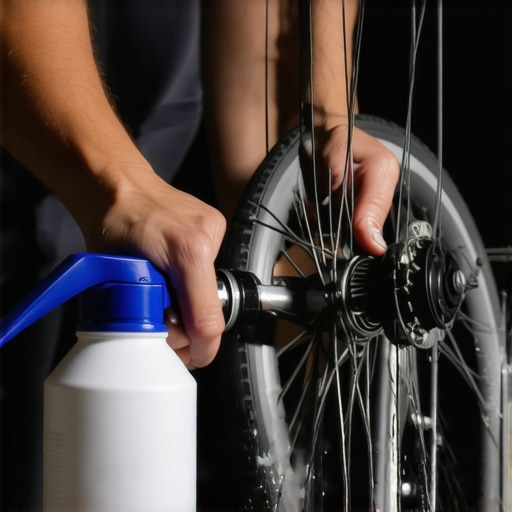
Have you ever been stopped at a red light, only to be jolted by a sharp, high-pitched squeal from your brakes? It’s that annoying noise that seems to turn heads—and not in a good way. I remember the frustration of thinking, “Is my brake system failing?” as that squeal echoed louder with each stop. One day, after a particularly embarrassing squeaking fit in a busy parking lot, I had a lightbulb moment. What if that relentless squeal was just dirt and grime building up somewhere simple to fix?
Why Brake Squeal Drives Us Crazy—and What You Can Do About It
Brake squeal isn’t just an annoyance; it can be a symptom of underlying issues or, sometimes, just an accumulation of dirt. Over time, brake rotors and pads gather dust, oil, and road grime, which causes that high-pitched noise during braking. What’s worse? Many car owners ignore it, thinking it’s normal wear and tear. But here’s a surprising fact: debris on your hub assembly can amplify this squealing, sometimes even damaging your brake components if left unchecked. According to expert auto repair advice, regularly cleaning your hubs can extend the life of your braking system and prevent costly repairs down the line.
Is a quick hub clean really worth all the hype?
Early in my repair journey, I made the mistake of assuming that brake squeal was always due to worn pads or warped rotors. That led me down a costly path of replacements I didn’t need. The truth is, many squeals originate from a simple buildup of dirt or grease on the hub, which can be easily cleaned in about 10 minutes—without needing to replace any parts. This realization saved me hundreds of dollars and countless headaches. Now, I want to share this simple DIY technique with you so you won’t have to go through the same unnecessary repairs. Curious if a quick hub clean can eliminate your squeal? Keep reading—it’s easier than you think, and I promise, it’s worth trying before heading to the shop.
Getting Ready for the Hub Cleaning
Before diving in, gather the necessary tools: a jack, jack stands, a lug wrench, a wire brush, brake cleaner spray, clean rags, and safety gloves. I recall one Saturday morning where I decided to tackle my squeaking brakes. It was muddy and messy, but having all tools ready made the process smoother rather than turning into a frustrating ordeal.
Loosen and Lift the Vehicle
Securely park your car on a flat surface, engage the parking brake, and loosen the lug nuts slightly without removing them completely. Use the jack to lift the wheel off the ground, then place the jack stands for stability. I learned this the hard way when I didn’t use proper support, and the wheel suddenly shifted. Always prioritize safety and double-check stability before proceeding.
Remove the Wheel and Inspect
Take off the lug nuts and carefully remove the wheel. Examine the brake rotor and hub for dirt, grime, or rust buildup. At this point, I noticed a layer of grime that had accumulated, which I hoped was the culprit for my squeal. Recognizing the problem visually helps confirm if cleaning can resolve the issue.
Clean the Hub Thoroughly
Spray brake cleaner generously onto the hub and surrounding areas, allowing it to dissolve grease and dirt. Use a wire brush to scrub away stubborn grime, making sure to reach between the rotor and hub. During my first attempt, I found that a stiff-bristled brush was most effective in removing stubborn deposits. Avoid using too much force, which could damage sensitive components.
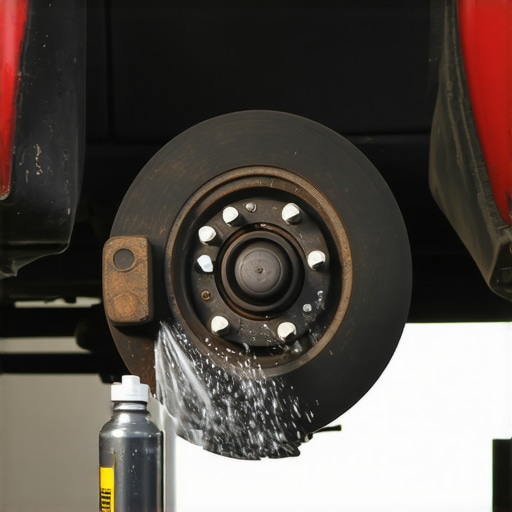
Visualize the cleaning process with an image of a mechanic spraying brake cleaner onto a wheel hub, showing the scrubbing action. Alt: Automotive technician cleaning brake hub with spray and brush, close-up.
Reassemble and Test
Wipe off residue with clean rags, ensure all parts are dry, then replace the wheel and tighten the lug nuts in a cross pattern to the manufacturer’s specifications. Lower the vehicle back to the ground and torque the lug nuts properly. Once everything is secure, test drive to confirm the squeal is gone. I remember doing this on my own, and hearing that satisfying silence afterward gave me confidence in handling minor issues myself.
Maintain Regularly to Prevent Future Squeals
Schedule periodic inspections and cleanings, especially before long drives. Keeping your hub area free of debris significantly reduces the chance of squealing noises and prolongs brake life. By integrating this simple step into my regular car maintenance routine, I avoided costly repairs and kept my brakes whisper-quiet. For more comprehensive tips, check out our essential car service tips to ensure safe and smooth drives ahead.
Many car owners believe that transmission issues always require a costly overhaul or that regular tune-ups aren’t essential, but these assumptions can be misleading. Contrary to popular belief, not all transmission problems warrant complete replacements; sometimes, a simple fluid change or sensor adjustment suffices. This misconception often leads drivers to overlook minor signs until they escalate into expensive fixes, emphasizing the importance of early diagnostics. Moreover, there’s a common myth that auto repair shops always recommend unnecessary parts for profit—yet, established experts emphasize the value of honest, thorough inspections to prevent avoidable expenses.
Advanced vehicle systems can be complex for the average owner to diagnose, making it tempting to trust generic advice. However, understanding nuances—like how transmission fluid degradation impacts shifting or how tune-ups can preserve engine health—can save you money and extend your vehicle’s lifespan. For example, a study by the National Institute for Automotive Service Excellence highlights that proactive maintenance, including regular tune-ups, reduces the risk of breakdowns and costly repairs.
Have you ever fallen into this trap? Let me know in the comments.
When it comes to transmissions, many assume that once slipping or shuddering occurs, a full overhaul is inevitable. But in fact, many of these symptoms stem from easily fixable issues like contaminated fluid or faulty sensors. DIY inspections, such as checking fluid levels and quality, can provide valuable clues before visiting a mechanic. Remember, early detection often prevents the need for extensive repairs; for a detailed guide on assessing transmission health, check out how overhauls can actually save money in the long run.
Prevention plays a vital role in auto maintenance. Regular servicing your vehicle before long trips or seasonal changes helps identify potential issues, ensuring safety and performance. For instance, neglecting small leaks or worn belts can lead to overheating or breakdowns, costing more in repairs.
It’s tempting to rely on hearsay or quick fixes, but real expertise involves understanding complex systems and nuances. A typical misconception is that transmission fluid change only impacts fluid levels—actually, it can significantly improve shifting smoothness and prevent costly damage if done properly.
Keep in mind, the main goal isn’t just fixing problems but understanding your vehicle’s unique needs. Regular, informed maintenance based on manufacturer recommendations and professional diagnostics enhances reliability.
Ultimately, the key to avoiding costly auto repairs is knowledge. Don’t delay addressing minor issues—consult trusted sources like CollisionFixer for expert advice and ensure your vehicle stays in top condition. Want to learn more about maximizing your car’s lifespan? Visit this guide for comprehensive tips. Stay proactive, and your car will thank you for it.Maintaining your vehicle’s performance over the long term requires more than just periodic check-ups; it demands the right tools and methods to diagnose, repair, and prevent issues effectively. Among my top recommendations are a high-quality obd2 scanner, such as the Autel MaxiCOM, which provides comprehensive code reading and live data—crucial for early detection of transmission and engine problems. My personal favorite is the Bosch Electronic Ignition Tester; it ensures precise spark timing checks, saving me countless troubleshooting hours. For fluid management, a digital refractometer allows for accurate assessment of oil and coolant quality, helping me decide when to flush or refill. These instruments have become indispensable in my garage, allowing for diagnostics that rival professional auto shops. As vehicle technology advances, integrating software tools like Mitchell1 or AutoEnginuity can help diagnose complex systems— I’ve found that these platforms enable proactive maintenance, reducing sudden breakdowns. I predict the future of car maintenance leans heavily toward intelligent diagnostics and remote monitoring, where cloud-connected tools provide ongoing vehicle health reports. How do I maintain these tools over time? Regular calibration and software updates are essential, which is why I subscribe to manufacturer updates and perform annual calibrations as recommended by the tool manufacturers—this ensures accuracy and longevity. Remember, investing in quality diagnostic equipment not only improves your repair precision but also saves money by catching problems early. For detailed guidance on optimizing your vehicle care routines, check out our comprehensive tune-up strategies. Don’t wait for a breakdown—try calibrating your diagnostic tools today and experience the difference in your repair confidence.
Lessons the Drive-Instructors Didn’t Teach Me
- One of my most eye-opening experiences was realizing that a squealing brake isn’t always a sign of doom; sometimes, it’s just dirt or grime gathering where it shouldn’t be. That simple realization changed how I approached car maintenance, saving me hundreds in unnecessary repairs.
- Another heavy lesson was understanding that transmission issues often hide behind minor symptoms like rough shifting or hesitation. Early detection through DIY checks and understanding your vehicle’s alerts can prevent costly overhauls.
- I also learned the importance of trusting the right resources—like professional diagnostic tools and reputable guidebooks—to truly understand what my car needs, rather than relying on vague advice or shortcuts.
Tools and Reads That Transformed My Approach
- The Autel MaxiCOM diagnostic scanner became my personal mechanic’s assistant, allowing me to spot issues early and accurately. I trust it because it provides comprehensive data without the hefty price tag of shop visits.
- Books like “Automotive Repair and Maintenance”—though technical—gave me insight into how systems work, empowering me to make informed decisions and avoid falling for unnecessary repairs promoted by less-than-honest mechanics.
- Online resources such as CollisionFixer’s tips on DIY maintenance—like rotor cleaning tricks—are invaluable for practical, money-saving actions I can confidently perform myself.
Embrace the Challenge and Keep Rolling
Taking control over your car’s health isn’t just cost-effective; it’s empowering and satisfying. Remember, every squeal or shudder is a message waiting for your attention. With the right knowledge and tools, you can ensure your vehicle stays reliable and quiet for miles to come. Curious about how to keep your transmission smooth or your brakes silent? Dive into our expert guides and start transforming your repair mindset today! Have you ever fixed something yourself that saved you a fortune? Share your story below and join the community of proactive drivers.