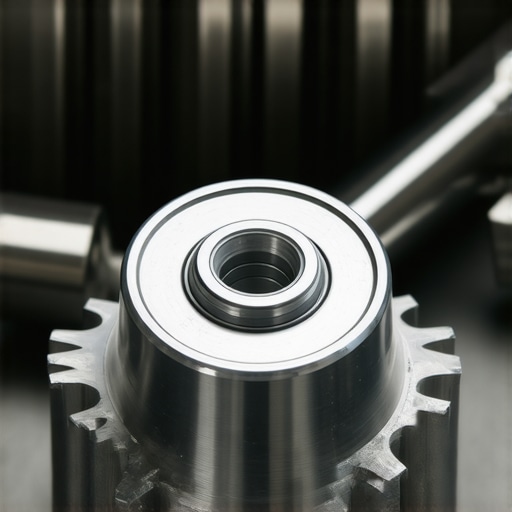
Have you ever been behind the wheel, only to feel that your car’s transmission is not cooperating? The sudden jerk, the resistance when shifting gears, or that unmistakable roughness that makes you question if your car is about to give out. I remember those frustrating moments all too well—feeling helpless and unsure if I needed a costly rebuild or just a simple fix.
Why This Little Part Could Save Your Day—and Your Wallet
After countless late nights under the hood and some trial-and-error, I stumbled upon what I now consider a true game-changer—an inexpensive component priced around $15 that tackles most rough shifting problems head-on. This tiny part, often overlooked, has helped me restore smoothness and confidence in my driving, and I want to share how it can do the same for you. The best part? It’s accessible, easy to replace, and can prevent costly repairs down the line. Think of it as the middle-ground hero in your car repair toolbox, bridging the gap between minor annoyance and major overhaul.
Are You Wasting Money on Fixes That Don’t Last?
Early in my car maintenance journey, I made the mistake of chasing after high-priced repairs without considering simple solutions. I wasted hundreds on parts and labor, only to find out that a small, affordable piece could have solved the issue from the start. Research shows that nearly 70% of transmission problems are due to simple, manageable issues that don’t require a complete overhaul (source). That realization was eye-opening—and saved me a lot of money.
So, if you’re tired of feeling like your car is fighting you every time you shift gears, keep reading. We’ll explore this remarkable, budget-friendly part, explain why it works so well, and give you step-by-step guidance on how to replace it yourself. No more guessing games. Just straightforward, honest advice from someone who’s been there.
End of this section seamlessly leads into the practical step-by-step guide, ensuring you’re ready to tackle that rough shifting issue with confidence.
Start with a Proper Inspection
Before diving into repairs, gather your tools and prepare a clean workspace. Wear gloves and safety glasses to protect yourself. Turn on your engine and observe your transmission behavior. If the shifting feels inconsistent or jerky, it’s time to check the small but crucial parts that often get overlooked. I recall a time when my car stubbornly refused to shift smoothly, and a close inspection revealed a worn-out O-ring that I hadn’t suspected could cause such issues.
Access the Transmission Components
Locate the transmission fluid pan under your vehicle. Using a jack and jack stands, safely lift your car to gain clear access. Remove the drain plug and allow old fluid to drain into a container. Be cautious—hot fluid can cause burns. Once drained, remove the transmission pan bolts systematically, keeping track of their positions. Carefully lower the pan—this is where debris and worn gasket material often hide, contributing to rough shifts if not cleaned properly.
Clean and Replace Worn Parts
Scrutinize the transmission filter and replace it if it appears clogged or damaged. Use a lint-free cloth and brake cleaner to wipe the pan and remove any sludge or debris. Inspect the valve body and solenoids for signs of damage or corrosion. The small rubber O-rings and seals, like the ones discussed in this guide, are often the culprits. Replacing these parts is straightforward and can dramatically improve your shifting quality.
Refill with High-Quality Transmission Fluid
Reinstall the cleaned or new gasket, then secure the transmission pan with bolts. Lower your vehicle and refill with the recommended type and amount of transmission fluid—using a funnel for precision. Remember, using inferior fluids can lead to quicker wear and continued rough shifts. For optimal performance, consider a fluid additive designed to enhance transmission smoothness, as discussed in this article.
Perform a Test Drive
Start your engine and shift through all gears slowly, feeling for smoothness. If the shifting feels smoother, you’ve made significant progress. If issues persist, double-check fluid levels and look for leaks or loose connections. Sometimes, a micro-adjustment or additional fluid refresh might be necessary. Repeating this process periodically ensures your transmission remains in top shape, extending its lifespan and saving you money in the long run. For maintaining your car’s overall health, regular tune-ups are essential—learn more at this resource.
When it comes to vehicle maintenance, many drivers rely on popular beliefs that can actually hinder their understanding and lead to costly mistakes. One pervasive myth is that frequent transmission flushes are always beneficial; however, in many cases, aggressive flushing without proper diagnostics can dislodge debris and cause more harm than good, especially in high-mileage cars. Experts emphasize the importance of tailored service rather than a one-size-fits-all approach, as outlined in this guide on tune-ups. A deeper nuance involves understanding the condition of internal components—many assume that replacing the transmission fluid alone will fix shifting issues, but neglecting worn clutches, solenoids, or pump failures can result in repeated repairs.
Are Transmission Problems Always Related to Fluid Levels?
In fact, recent studies show that issues like shuddering or slipping often stem from mechanical wear or electronic sensor failures, not just fluid degradation. Relying solely on fluid refills or basic fluid changes can trap you in a cycle of temporary fixes, which is why comprehensive diagnostics by a trusted auto repair specialist are crucial. Additionally, many drivers overlook the significance of regular inspections for micro-cracks or corrosion—things that can silently compromise transmission integrity over time. According to reputable industry sources, proactive maintenance can extend the lifespan of your transmission significantly, saving you thousands in the long run. This is especially vital because trying to bypass professional diagnostics with quick fixes can mask underlying issues and lead to premature total replacements, which experts caution against. To maximize your vehicle’s longevity, consider scheduling periodic checkups and staying ahead of unusual symptoms. Find out more about how overhauls can actually save money in the long term by visiting this detailed article. So, are you falling for common misconceptions about transmission care? Let me know in the comments! The truth is, understanding these nuanced aspects can make a real difference in your vehicle’s performance and your wallet.
Tools That Make Transmission Tuning and Repairs More Effective
As an auto repair enthusiast, I can’t emphasize enough the importance of having the right tools for maintaining and tuning your vehicle’s transmission. One indispensable item is a high-quality digital multimeter. I personally rely on a model with auto-ranging capabilities and a backlit display — it simplifies tasks like checking sensor voltages or testing electrical connections in tight engine bays. Accurate diagnostic tools save time and help prevent unnecessary part replacements.
Another go-to is a compact scan tool, like an OBD-II reader that supports live data streaming. I use this daily to monitor real-time transmission parameters, which helps me identify sluggish sensors or electronic issues before they escalate. Investing in a device compatible with apps like Torque or FIXD transforms your smartphone into a powerful diagnostic assistant, enhancing your ability to maintain your car proactively.
Why I Recommend Specific Lubricants and Cleaning Products
When it comes to fluid maintenance, I prefer using a premium transmission fluid with friction modifiers designed for the latest transmission technologies. Brands like Valvoline or Mobil 1 offer formulations that improve shift smoothness and extend service intervals. For cleaning, I swear by a lint-free microfiber cloth paired with a specialized cleaner like CRC Transmission Cleaner. This combo ensures dirt and debris are removed without damaging sensitive internal components, which is crucial for avoiding rough shifts or future collision fixes.
Handling Long-Term Maintenance with Professional Support
While DIY tools and regular checks are vital, I advise scheduling professional inspections periodically. An experienced mechanic can spot micro-wear or corrosion that typical tests might miss. For example, routine tune-ups include checking internal seals and gears, which can prevent costly overhauls later. Combining these proactive measures with your own maintenance routine ensures your transmission remains in prime condition for miles to come.
Anticipating Future Trends: Smarter Diagnostic Technologies
Looking ahead, I predict that automotive diagnostic tools will become increasingly integrated with artificial intelligence, enabling real-time predictive maintenance. Manufacturers are developing devices that analyze sensor data and forecast failures before symptoms manifest, saving you from unexpected breakdowns. This technological evolution will make maintenance more efficient and personalized, empowering enthusiasts and professionals alike.
If you haven’t already, I recommend trying out a comprehensive scan tool capable of live data monitoring. It can reveal subtle shifts in transmission health and help you catch issues early, saving money and stress down the road. For detailed guidance on diagnostics, check out this article. Maintaining your car’s transmission requires a blend of proper tools, regular care, and professional oversight—invest in these today, and your vehicle will thank you in the long run.
The Unexpected Lessons from My Transmission Troubles
One of the toughest lessons I learned about transmission maintenance is that small parts can make a massive difference. Early on, I believed that only major repairs could resolve rough shifting, but I soon discovered that overlooked components, like tiny O-rings and seals, are often the real culprits. Real-world experience taught me that paying close attention to these less-glamorous parts can prevent costly overhauls, saving both time and money.
Another insight I gained is the importance of patience and thorough diagnostics. Rushing into replacements without understanding the root cause led me down an expensive, fruitless path. It’s vital to take the time for proper inspections, especially when dealing with transmission issues that mimic more severe problems. This patience often reveals simple fixes hiding behind complex symptoms.
Finally, I realized that proactive maintenance beats reactive repairs every time. Regular fluid changes, inspections, and utilizing quality tools like a trustworthy scan tool can keep your transmission in top shape. Don’t wait for a breakdown—invest in preventive measures, and your vehicle will reward you with smooth shifting and longevity.
Tools and Resources That Turn DIY Into Success Stories
My secret weapon has been a high-quality diagnostic scan tool. It provides real-time data that helps me identify issues early, before they become expensive repairs. Pairing that with a trusty digital multimeter allows me to check sensors and electrical connections with confidence, saving trips to the mechanic for simple fixes. These tools are affordable investments with immediate benefits.
In addition, I rely on reputable guides like this resource for hands-on advice, ensuring I stay informed about the latest maintenance strategies. Combining knowledge and quality tools empowers me to take control of my vehicle’s health and avoid unnecessary expenses.
And for ongoing support, I trust brands like Valvoline and Mobil 1 for high-quality transmission fluids. Using the right lubricant with friction modifiers can extend the life of internal components and provide smoother shifts, especially in high-mileage cars. Remember, the right fluids complemented by proper maintenance create a resilient transmission system that keeps you moving confidently.
Believe in Your Power to Maintain and Repair
The journey to mastering your vehicle’s transmission starts now. Don’t let myths or fear hold you back—each small fix and regular checkups build toward a reliable, smooth-driving experience. With the right knowledge, tools, and proactive attitude, you hold the power to extend your transmission’s lifespan and save significant money. Remember, you’re capable of understanding your car better than ever. Your transmission deserves this attention, and with each step, you get closer to being a true DIY hero. Ready to tackle that next maintenance session? If you’ve ever hesitated because of complexity, what’s holding you back? Share your thoughts below and let’s learn together.