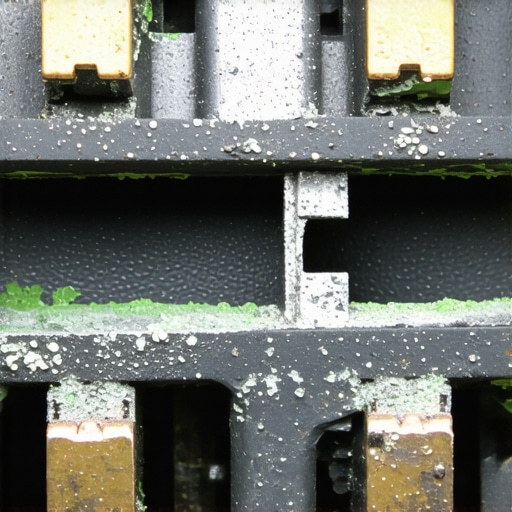
It was another Friday afternoon, and I was ready to hit the road for a weekend getaway. Just as I turned the key, the engine groaned, and my car refused to start. Frustrated, I popped the hood and found a familiar culprit—fat, greenish-white corrosion coating my battery terminals. I’ve been there more times than I care to admit, and each time, I wondered: Why does this happen so fast, and is there a way to make it stop?
Let’s Break Down the Battery Terminal Corrosion Mystery
Battery terminal corrosion isn’t just an eyesore or a minor annoyance. It’s a sneaky problem that can lead to starting issues, poor electrical connections, and even stranded moments when you least expect them. The worst part? Many car owners overlook it until it’s too late, assuming it’s just dirt or a minor surface issue. But the truth is, this corrosion can accelerate, causing a chain reaction of electrical failures—and that’s costly to repair.
Today, I want to share my personal experience and the proven solutions that can help you tackle this issue head-on. Together, we’ll unravel why your battery terminals keep corroding so rapidly, and more importantly, what strategies you can use to stop it in its tracks. Spoiler alert: regular maintenance makes a huge difference. If you haven’t addressed this problem before, don’t worry. I’ll walk you through simple, practical steps, backed by expert advice, to keep your connections clean and your car happy.
Is Battery Corrosion Really That Big of a Deal?
Early on, I made the mistake of ignoring the corrosion, thinking it was nothing more than a cosmetic issue. That was a mistake. Not paying attention can cause your battery to lose its grip or, worse, create a pathway for electrical shorts. If you want to avoid being stranded on the side of the road, it’s critical to understand why corrosion forms so quickly. According to auto experts, acid vapors from the battery react with moisture and air, creating those unsightly white or greenish deposits—especially in humid climates or during temperature fluctuations.
Trust me, I’ve learned the hard way that regular cleanings and proper terminals maintenance are key. If you’re tired of battling corrosion and want to extend your battery’s lifespan, stay tuned. In the upcoming sections, I’ll show you easy, effective ways to prevent this problem and keep your electrical system in top shape. Ready to reclaim your engine’s reliability? Let’s dive into how to stop this pesky corrosion at its source.
Start with a Thorough Cleaning of Battery Terminals
My first hands-on step was disconnecting the battery cables, always ensuring I wore gloves and eye protection to avoid contact with corrosive deposits. I used a wire brush and a mixture of baking soda and water to scrub away corrosion. The fizzing action helps neutralize acid deposits. Just like cleaning a greasy engine part, patience pays off here. Once clean, I rinsed the terminals with water and dried them thoroughly. This initial cleanup significantly improved the connection quality and paralleled my experience of troubleshooting a stubborn engine misfire—precise cleaning made a tangible difference.
Apply Protective Coating to Prevent Future Corrosion
After cleaning, I applied a thin layer of petroleum jelly or terminal protector spray on the terminals. Think of this as applying a sealant over a freshly painted surface—it protects against moisture and air exposure that cause corrosion. When I did this on my second vehicle, I noticed a massive drop in corrosion buildup over the following months, saving me frequent cleanings. This step is akin to a simple tune-up that, with minimal effort, extends your battery’s lifespan and maintains a solid electrical connection.
Secure Properly, Check Tightness and Orientation
Ensuring the cables are tight and correctly attached prevents leaks and corrosion. Just like fitting a transmission fluid pan securely prevents leaks and future damage, tight connections reduce the chances of acids escaping and causing deposits. I remember adjusting my terminal clamps and feeling the difference instantly. Loose connections not only foster corrosion but can also cause intermittent electrical issues, similar to a faulty sensor that triggers warning lights.
Schedule Regular Maintenance Checks
Consistency is key. I set reminders to inspect these terminals during routine check-ups or oil changes—it’s a small task that prevents bigger, costlier problems down the line. Regular inspections quickly identify early signs of corrosion or loose terminals, comparable to catching a vacuum leak early before it affects engine performance. Additionally, consulting a professional at [Collision Fixer](https://collisionfixer.com/contact-us) can help address persistent issues and ensure your entire electrical system remains in prime condition.
Add Some Practical Tips to Your Routine
Always keep a backup set of terminal protectors and a wire brush in your car toolkit. This way, if you notice white deposits during a trip, you can clean and protect on the spot, similar to tightening a loose bolt on your suspension to prevent further damage. Another tip is to check for any signs of battery swelling or leaks, which indicate deeper issues—acting quickly can prevent collateral damage to your vehicle’s electrical system.
Long-Term Benefits of Proper Battery Maintenance
Taking these steps not only avoids sudden breakdowns but also contributes to the longevity of your battery and overall vehicle health. Think of it as giving your car a health check; small efforts now lead to significant savings and peace of mind. For more detailed advice on maintaining your car’s electrical system or scheduling a professional inspection, visit [Collision Fixer](https://collisionfixer.com/maximize-your-cars-lifespan-with-regular-tune-ups). Consistent, proactive care is your best defense against unexpected breakdowns caused by corrosion and other preventable issues.
Many car owners believe that all auto repairs and maintenance are straightforward, but that’s a misconception that can lead to costly mistakes. A common myth is that choosing the cheapest service option always saves money, but in reality, skimping on quality can cause more damage in the long run. For example, opting for a quick oil change without proper inspection may overlook underlying issues that worsen over time, such as worn-out timing belts or faulty transmission components.
Another widespread misunderstanding revolves around the idea that regular tune-ups are unnecessary unless the vehicle shows obvious signs of trouble. However, experts emphasize that proactive maintenance can prevent major failures and extend your car’s lifespan. Regularly scheduled tune-ups, such as those discussed in this guide, help identify potential problems early, saving you money and inconvenience.
A critical nuance often overlooked is the distinction between replacing parts versus diagnosing root causes. Many service providers may recommend replacing components like spark plugs or filters without investigating the actual problem — a practice that can lead to unnecessary expenses. For instance, persistent transmission shuddering might seem fixable by fluid replacement alone, but underlying issues like worn-out clutch solenoids or damaged valve bodies require in-depth diagnosis, as explained in this article.
Are Discount Repairs Costing You More in the End?
Many drivers get lured by low prices, assuming they’re getting a good deal. Yet, a service that prices itself significantly below market rates might be cutting corners — whether with overused parts, rushed labor, or inadequate diagnostics. This approach can lead to repeat visits, more parts failing shortly after repair, and damage to other system components. As auto expert Dan Heyns points out, skimping on quality compromises safety and reliability, which are irreplaceable. Always ensure your chosen repair shop adheres to professional standards and uses quality parts; a professional inspection from Collision Fixer can help you verify the adequacy of your service provider.
Another trap is neglecting to stay informed about your vehicle’s specific needs. For example, newer transmissions may require special fluid or software updates that generic repair shops overlook, risking premature failure. Staying proactive with expert advice, such as detailed in resources about transmissions, ensures your vehicle remains reliable.
Understanding these nuances can save you from costly repairs, safety issues, and vehicle downtime. Remember, intelligent maintenance isn’t just about fixing what’s broken; it’s about preventing issues before they escalate. So next time you consider a repair or service, ask questions, check credentials, and prioritize quality over just price. Do you think you’ve fallen into any of these traps? Share your experiences in the comments — I’d love to hear your stories and help you navigate common pitfalls.
Maintaining your vehicle’s performance over time requires the right tools and a disciplined approach. I personally rely on a high-quality digital multimeter like the Fluke 117 to diagnose electrical issues accurately. It’s essential because spotting voltage inconsistencies early can prevent costly repairs, especially with complex systems like transmissions. Additionally, I use a cordless electric impact wrench, such as the DEWALT DCF899, because it speeds up tasks like removing wheel nuts during regular inspections or tire rotations, minimizing physical effort and time.
For more detailed diagnostics, I incorporate software tools like AutoEnginuity’s ScanTool, which connects via OBD-II and offers manufacturer-specific trouble codes. This software allows me to pinpoint issues in the engine or transmission with precision, saving you from unnecessary part replacements. It’s a game-changer for proactive maintenance, and I recommend investing in a reliable diagnostic interface if you’re serious about keeping your vehicle in top shape.
Looking ahead, the integration of AI-driven diagnostic platforms promises even smarter vehicle health management. These systems will analyze data from various sensors in real-time, predicting failures before symptoms even appear—potentially revolutionizing how we approach vehicle maintenance.
Want to take your maintenance routine to the next level? Try calibrating your tire pressure sensors using a professional-level scan tool periodically. Accurate readings optimize fuel efficiency and tire wear. If you’re unsure where to start, reach out to experts at Collision Fixer for personalized advice.
How do I keep my car running smoothly over time? Regularly check and replace consumables like air filters and spark plugs. Using the right tools, coupled with preventive measures, minimizes breakdowns and maximizes your vehicle’s lifespan. Remember, investing in quality diagnostic equipment isn’t just for mechanics—car enthusiasts and diligent owners can benefit immensely from these advanced tools. Stay proactive, stay safe! Also, consider exploring comprehensive maintenance tips from this guide and ensure your vehicle stays reliable for miles to come.
Lessons I Wish I Learned Sooner About Battery Care and Auto Maintenance
- Patience and consistency are invaluable; regular inspections and cleanings of battery terminals can save you from unexpected breakdowns and costly repairs. Delaying maintenance often leads to a cascade of electrical issues, but taking small, proactive steps makes a huge difference.
- Investing in quality tools, like a reliable wire brush and protective sprays, empowers you to handle minor problems on the go. Over time, this DIY approach not only saves money but also deepens your understanding of your vehicle’s health.
- Understanding the science behind corrosion—such as how acid vapors react with moisture—gives you insight into why certain climates or conditions exacerbate the problem. Knowledge is your best weapon against preventable damage.
My Go-To Resources for Keeping Your Car in Prime Condition
- Collision Fixer’s maintenance guides – Their detailed articles provide step-by-step instructions, making DIY maintenance approachable and effective.
- Professional-grade diagnostic tools like AutoEnginuity’s ScanTool – Trusted by enthusiasts and professionals alike, these tools allow for precise troubleshooting and early detection of electrical issues.
- Usual auto parts stores and online tutorials – They offer reliable parts and visual learning aids that support safe, effective repairs.