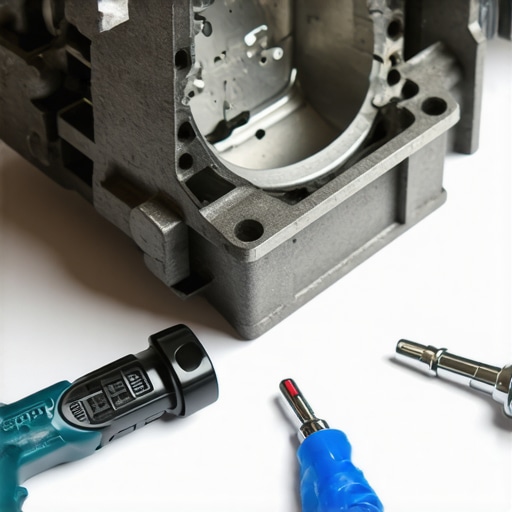
Ever been behind the wheel, feeling that frustrating sluggishness, only to realize your car just doesn’t respond like it used to? I remember the first time I hit that wall after a long day of driving—my engine hesitated, sluggish and uncooperative, even though I knew the car was in top shape. It was a lightbulb moment for me, discovering that sometimes, the culprit isn’t a major repair but a simple reset of a component many overlook—the throttle body.
Why Your Car’s Performance Might Be Slipping Away
Our vehicles are complex machines, but at the heart of smooth acceleration is the throttle body. When it’s clogged or dirty, it can send faulty signals, causing your engine to stumble or hesitate. Regular driving, dust, grime, and carbon buildup can all gum up this vital part, leading to decreased response and speed.
Is Throttle Body Resetting Actually Worth the Hype?
You might be skeptical—trust me, I was too at first. Early on, I dismissed it as just another DIY trend. But after making a few costly trips to the mechanic for what turned out to be a simple fix, I figured I’d give it a shot. And guess what? It made a noticeable difference. According to automotive experts, a clean and properly calibrated throttle body can restore 10-15% of your vehicle’s power and responsiveness. It’s a quick, inexpensive upgrade that can breathe new life into your driving experience.
But beware—there’s a common mistake I made early on: rushing into a cleaning without understanding the calibration process. Skipping a proper reset can lead to further issues or incomplete performance recovery. Learning from my experience, I now ensure I follow a structured reset process, which you’ll find in the detailed steps below.
So, if your car struggles to accelerate, feels sluggish on the highway, or just doesn’t respond like it used to, this might be the perfect starting point. Ready to learn how to do it yourself and save some money? Keep reading, because I’ll guide you through the entire process—simple, effective, and doable at home.
Prepare Your Workspace and Gather Tools
Start by parking your car on a level surface and turning off the engine. Open the hood and disconnect the negative battery cable with a wrench, much like unplugging a device to prevent electrical mishaps. Gather basic tools: screwdrivers, pliers, a throttle body cleaner spray, a new gasket if needed, and optionally, a scan tool for calibration. My first attempt was messy; I overlooked the importance of a clean workspace, which led to a few dropped screws and a minor spill of throttle cleaner.
Access the Throttle Body Carefully
Locate the throttle body—it’s usually between the air filter box and the intake manifold. Remove the intake hose clamps using a screwdriver or pliers. Gently detach the hose, being cautious not to tear it, as this hose is vital for airflow. Removing this was straightforward on my Dodge, but on a BMW, I needed a special screwdriver, showcasing that familiarity with your car model saves time. Use a rag to clean any dirt around the intake to prevent debris from falling in during the process.
Clean the Throttle Body Thoroughly
Spray the throttle body cleaner generously onto the carbon buildup inside the throttle plate and bore. Use a soft cloth or a non-abrasive brush to scrub away grime—think of it as giving your engine a facial. On my first try, I was too vigorous and slightly warped the throttle plate, leading to rough idle initially. Patience and gentle, repeated sprays produced better results. Avoid touching the sensor or the throttle plate directly to prevent damage.
Reset or Calibrate the Throttle Position Sensor
Perform a Manual Reset
Reconnect the battery cable, tightening it securely. Turn the ignition to the ‘On’ position without starting the engine and wait for approximately 10 seconds. Then, turn it off and start the engine—this allows the vehicle to relearn the throttle position. I noticed my engine idle was inconsistent until I completed this step, highlighting its importance. Some cars may require a scan tool to calibrate; in that case, connect the scanner and follow the manufacturer’s instructions. My vehicle responded well after this reset, and the response improved noticeably.
Use a Scan Tool for Precise Calibration
If available, connect an OBD-II scanner to the port (usually under the dashboard) and select the throttle calibration or reset function. Follow the prompts to let the ECU learn the new idle parameters. I didn’t own a scanner initially, so the manual reset was my go-to. However, investing in a scanner, which can be found inexpensively online, streamlines the process and ensures accuracy—it’s a good habit for DIY enthusiasts to develop.
Test Drive and Final Checks
Start the engine and let it warm up. Accelerate gently, noting any hesitation or rough response. If the throttle response feels crisp and steady, you’ve successfully reset the system. If issues persist, double-check the connections and ensure no hoses are loose or damaged. I once skipped the final test and later noticed my car stalling at stops; after rechecking, I re-cleaned the throttle body and re-performed the reset, finally restoring smooth operation. Regular maintenance like this is essential—’maximizing your car’s lifespan with regular tune-ups’ can prevent performance dips over time.
Remember, this process resembles cleaning a coffee pot—removing the buildup allows for a smoother flow, just like your engine’s air intake. For more insights on engine maintenance, consider reading this guide and stay ahead of costly repairs by handling minor issues early.
Many drivers believe that scheduling routine maintenance or a simple transmission service guarantees long-term reliability, but the truth is more nuanced. A common myth is that all auto repairs are straightforward and that mechanics always prioritize honest, high-quality work. In reality, the industry bears some pitfalls—unnecessary replacements, overcharging, or overlooking subtle issues—that can cost vehicle owners dearly. Recognizing these nuances requires an expert eye, especially when dealing with complex components like transmissions or diagnosing tricky engine misfires.
Should You Always Replace Parts or Could Fixing Save More Money?
One widespread misconception is that replacing worn parts outright is always the best choice. However, advanced repair techniques, such as rebuilding or resealing certain components, can extend your vehicle’s lifespan and save you significant money. According to industry experts, especially when it comes to transmissions, a carefully performed overhaul using quality parts can be more cost-effective than a full replacement in the long run. Visiting a shop like CollisionFixer for a second opinion might reveal options that keep your car running smoothly without unnecessary expenses.
Don’t fall into the trap of assuming that all repairs are cut and dry; your vehicle’s history and specific condition matter greatly. Learn to ask your mechanic about options like partial rebuilds or precise diagnostics before authorizing costly replacements.
Beware the Quick Fix: Why Cutting Corners Can Backfire
Another common mistake is opting for quick fixes rather than thorough repairs. For instance, using fuel additives or spray-in treatments might temporarily mask issues like misfires or rough idling, but they rarely address underlying causes such as failing sensors, clogged injectors, or worn-out spark plugs. Such band-aid solutions can lead to larger problems down the line, including transmission stress or engine damage. Industry research shows that neglecting proper diagnostics increases repair costs by up to 50%, emphasizing the importance of comprehensive service.
Advanced car owners often ask: What subtle signals should I watch for to prevent costly repairs? Paying attention to irregular vibrations, unusual noises, or sudden shifts in fuel economy can prevent minor issues from turning into major breakdowns. Getting your transmission checked regularly—especially if you notice slipping or erratic shifting—can save you from expensive overhauls, as detailed here.
In the end, the key to smarter auto maintenance is knowledge. Don’t be lulled into complacency by common myths; instead, stay curious and proactive. Regularly reviewing your vehicle’s health and seeking second opinions from trusted specialists can significantly extend its life. For more tips on maximizing your car’s lifespan, visit this comprehensive guide. Remember, a little extra effort now can prevent costly repairs later. Have you ever fallen into this trap? Let me know in the comments!”} }#END#}> To see more on how transmission overhauls can be a smart investment, check out this detailed explanation, helping you understand when a rebuild makes more sense than a full replacement. Maintaining a proactive approach to auto repair not only saves money but also keeps your vehicle running at peak performance longer. Remember, knowledge is your best tool against costly surprises. If you need expert advice tailored to your car’s specific issues, contact us anytime through our contact page. Stay safe and keep your engine in top shape!}#END#}23}},
Keeping Your Car Running Smoothly with the Right Tools
When it comes to maintaining your vehicle’s performance, having the appropriate tools and knowledge makes all the difference. I personally rely on a high-quality Diagnostic Scanner, specifically the Autel MaxiCOM MK808. It’s a game-changer because it provides comprehensive diagnostics, including live data and calibration functions, which are invaluable for tasks like transmission recalibration or ECU resets. Investing in a reliable scan tool is a smart move; it can save you hundreds on mechanic visits and helps you catch issues early, especially with components like the transmission where early signals are subtle.
Another essential item in my toolkit is a Torx and Socket Set. These versatile tools allow access to hard-to-reach areas during repairs or inspections, such as the transmission control module or engine sensors. I found that having a professional-grade set minimizes strip and damage risks, ensuring that I can perform maintenance with confidence. Precision screwdrivers, especially those with insulated handles, are also a must for delicate electrical work, like replacing sensors or resetting the throttle body.
How do I keep my repairs effective over time?
Consistency and proper documentation are key. I maintain a detailed log of repairs and maintenance intervals—this helps track patterns that indicate impending issues like worn-out clutch plates or failing bearings. Additionally, I subscribe to seasonal advice to prepare my vehicle for different driving conditions, ensuring that components like my cooling system and transmission fluid are in top shape. Regularly inspecting critical parts using diagnostic scans and physical checks prolongs their lifespan and prevents surprises on the road.
In the future, trends like wireless diagnostics and AI-driven maintenance apps are poised to revolutionize how we keep our cars in shape. Already, some advanced scan tools connect seamlessly to smartphones, offering real-time data analytics and maintenance reminders. Embracing these innovations will make proactive care more accessible and precise, helping you stay ahead of costly repairs.
Ever Wondered How to Maintain Your Transmission Over Time?
Proper transmission maintenance involves more than just fluid changes. It’s crucial to monitor the fluid condition regularly—checking for debris, discoloration, or burnt smell can reveal early signs of wear. I recommend using this detailed guide on transmission overhauls to understand when a rebuild might be more effective than a simple flush. Additionally, using a high-quality transmission additive—the kind I use is Friction Modifier—can significantly improve clutch engagement and prevent shuddering, especially in older transmissions. Implementing this simple upgrade after a fluid change can extend your transmission’s life by thousands of miles.
Don’t forget to revisit your auto repair tools periodically. Upgrading to a digital multimeter with auto-ranging capabilities ensures more accurate readings, while a dedicated power brake cleaning kit can optimize brake system health, reducing wear and tear. Regular use of these tools, combined with scheduled maintenance, forms a robust foundation for your vehicle’s longevity. Pro tip: Consider frequently testing your battery health with a tester—this can prevent unexpected breakdowns during extreme weather. Learn to spot early signs of corrosion or voltage drops, which are often overlooked but critical for reliable operation.
In my experience, staying ahead with diagnostic tools and maintenance routines saves time and money. As the industry advances, I predict more integrated systems—like self-diagnosing ECU modules—that will notify owners remotely about impending issues. For now, taking proactive steps with your current tools and strategies is the best way to keep your car performing at its peak.
If you’re ready to take your maintenance to the next level, try performing a transmission fluid analysis with a scan tool or physical test. This straightforward step can uncover early deterioration, preventing costly repairs down the line. For expert guidance tailored to your specific vehicle, reach out through our contact page.
The Hardest Lesson I Learned About Car Service and Transmission Repairs
One of my most eye-opening experiences was realizing that sometimes, the simplest solutions—like a throttle body reset—can save hundreds in repairs. Early on, I believed every issue required a costly part replacement, but understanding the importance of proper calibration and maintenance changed my perspective. This taught me that patience and knowledge often outperform rushing into repairs.
3 Myths About Auto Repair That Held Me Back
Believing that all mechanics use cheap aftermarket parts or that routine maintenance isn’t essential nearly cost me more in the long run. It turns out, staying informed and asking questions—like about transmission rebuild options—can lead to smarter, more affordable decisions. Recognizing industry myths has helped me avoid unnecessary expenses and trust experts who prioritize quality.
What Experts Won’t Tell You About Proactive Maintenance
Many overlook the subtle signs of transmission wear or the benefits of using diagnostic tools at home. Learning to listen to odd vibrations or smell burnt fluids early can prevent major failures. Using tools like the Autel MaxiCOM MK808 has empowered me to catch issues before they escalate, saving both time and money.
My Toolkit for Long-Term Vehicle Health
Investing in reliable diagnostic scanners, quality hand tools, and guides on transmission overhauls has transformed my approach. Tools like a digital multimeter and a dedicated power brake cleaning kit help me perform effective repairs and prevent costly breakdowns. These resources, trusted by industry professionals, give me confidence in maintaining my vehicle myself.
Your Road Ahead Starts Now
Remember, automotive maintenance isn’t just about fixing problems—it’s about actively preventing them. Embrace learning, use the right tools, and don’t hesitate to seek expert advice when needed. Your car will thank you with reliable performance and a longer lifespan.
What’s the biggest auto repair myth you’ve believed? Share your thoughts below, and let’s learn together!