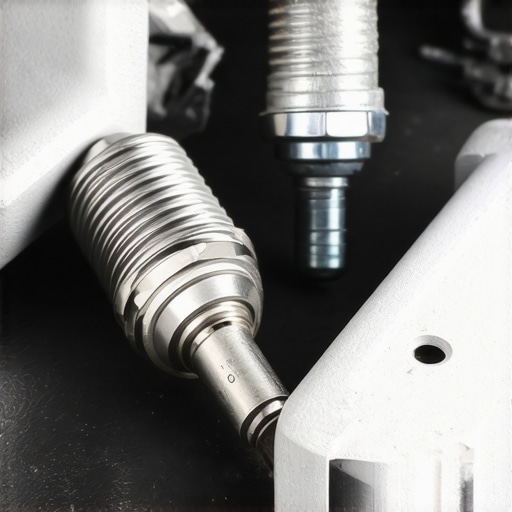
Ever been stuck in traffic, engine sputtering, feeling that frustrating hesitation, and wondered if your car’s just acting up randomly? I’ve been there—a dull ache in my stomach when the warning lights flickered on, and I realized I was battling an early spark plug foul. It was a lightbulb moment that made me dive deeper into understanding what signs to watch for before a minor hiccup turns into a costly repair.
Why Recognizing Early Signs of Spark Plug Fouling Is Crucial
Many car owners overlook the importance of their spark plugs until a significant issue arises. But catching the signs early can save you a ton of money and time. Spark plugs are essential for igniting the fuel-air mixture in your engine; if they start fouling prematurely, your engine’s efficiency drops, fuel consumption increases, and you risk breakdowns.
In my experience, I learned that ignoring subtle hints like rough idling, misfires, or decreased acceleration often leads to more severe problems down the line. Did you know that according to the National Institute for Automotive Service Excellence, poor spark plug condition can reduce fuel economy by up to 30%? That’s a huge impact for something that’s often overlooked!
If you’re wondering whether your spark plugs are fouling too early, keep reading. We’ll go over the common signs, causes, and how to get ahead of potential issues. But first, let me share a mistake I made early on—assuming that any rough running was just due to bad fuel or a dirty air filter—only to find out that worn or fouling spark plugs were the root cause. Fooling myself into ignoring spark plug maintenance nearly cost me a new engine. So, if you’ve faced similar doubts or want to prevent costly breakdowns, stay tuned.
Is Your Engine Troubles Actually Worth Worrying About? Absolutely
Many people shrug off minor engine hiccups, mistaking them for temporary glitches. But I’ve learned that these signs are your engine’s way of telling you something is amiss. Addressing these early helps avoid more extensive repairs, like transmission overhauls or engine replacements. Want to double-check if your car needs a professional diagnosis? You can explore [top signs your car needs expert auto repair now](https://collisionfixer.com/top-signs-your-car-needs-expert-auto-repair-now).
Next, we’ll dive into the specific symptoms that signal early spark plug fouling and how to spot them before they escalate. Recognizing these signs can be a game changer for your vehicle’s longevity and your wallet!
Inspect Your Spark Plugs Regularly
Start by removing the spark plugs every 30,000 miles or as recommended in your vehicle’s manual. Use a spark plug socket and a ratchet for a secure grip. Check for signs of fouling: black soot, wetness, or corrosion. I once missed this step during a quick tune-up, leading to engine misfire, but once I inspected and cleaned my plugs, performance improved instantly. Regular inspections help catch issues before they escalate.
Clean or Replace Spark Plugs Promptly
If your spark plugs show signs of fouling but still have some life, clean them carefully using a wire brush or a specialized spark plug cleaner. For heavily fouled or worn-out plugs, replace them with new ones matching your vehicle’s specifications. Skipping this step can lead to decreased fuel efficiency and engine hesitation. When I replaced my fouled plugs with new iridium ones, I noticed smoother acceleration and better gas mileage.
Use High-Quality Fuel and Additives
Opt for top-tier fuel to minimize deposits that cause fouling. Consider fuel additives designed to clean injectors and combustion chambers, which indirectly help keep spark plugs clean. I added a fuel additive during a long road trip, and it made my engine run more smoothly, preventing early fouling. This proactive step saves money on frequent spark plug replacements.
Ensure Proper Ignition Timing
Incorrect ignition timing can cause unburned fuel to foul your plugs faster. Use a timing light to verify your Spark’s timing is aligned with the manufacturer’s specs. I once mistakenly ignored a slight engine hesitation, only to find my timing was off. Correcting it restored proper combustion and prevented fouling. Regularly checking your ignition system ensures optimal engine performance and prolongs spark plug life.
Address Fuel Mixture and Air Intake Issues
Rich fuel mixtures or clogged air filters can lead to excess fuel on spark plugs. Adjust your carburetor or fuel injectors if they’re delivering too much fuel. Replace or clean your air filter every 12,000 miles. I once neglected my air filter, which caused rough idling and fouling; after changing it, my engine ran smoothly again. Keeping the air intake system clean helps maintain proper combustion and reduces fouling risk.
Monitor Engine Performance Signs
Pay attention to symptoms like rough idling, hesitations, or increased fuel consumption. These signs often indicate spark plug issues. When I noticed my car losing power during acceleration, I checked the plugs, found fouling, and replaced them—solving the problem instantly. Regularly evaluating engine behavior helps catch problems early and reduces repair costs.
Schedule Professional Tune-Ups
Periodically, have a trusted mechanic perform a comprehensive tune-up, including checking spark plugs, wires, and ignition components. Professionals can detect subtle issues that DIY checks might miss. I once skipped a professional tune-up and ended up with engine misfire; after the service, my car ran like new. Consistent professional care extends your vehicle’s lifespan and keeps spark plugs clean longer.
When it comes to vehicle maintenance, many car owners operate under common myths that can lead to costly mistakes. One pervasive misconception is that a transmission problem is always an expensive overhaul, but in reality, understanding the nuanced behavior of transmissions can prevent unnecessary repairs. For instance, a shudder during acceleration isn’t always a sign of imminent transmission failure; it could be remedied with a simple fluid refresh, which is often overlooked. According to research on transmission maintenance, regular fluid changes can extend the lifespan significantly and save hundreds over a full overhaul. Many drivers also mistakenly believe that all car service shops provide the same level of expertise, but choosing a reputable center like Collision Fixer ensures proper diagnostics and prevents common pitfalls.
One advanced mistake people make is neglecting the role of subtle signs of transmission shudder or slipping, which require expert analysis rather than generic DIY fixes. Furthermore, a frequent trap is delaying attention to these signals, assuming they’re minor issues — a misconception that can lead to catastrophic failures. Regularly visiting an auto repair expert can help catch these early symptoms.
Have you ever fallen into this trap? Let me know in the comments. Additionally, for comprehensive insights into how proactive maintenance can save you money, explore how transmission overhauls save you money in the long run.
Beyond transmission, many overlook the importance of routine tune-ups. A misconception is that they’re only necessary when something feels wrong, but proactive tune-ups keep everything running smoothly, preventing minor issues from becoming major repairs.
Maintaining your vehicle isn’t just about responding to problems but understanding the intricate nuances most drivers overlook. Recognizing early signs, avoiding remedial traps, and respecting expert advice ensures your car’s longevity and saves money. Stay proactive, stay informed.Maintaining your vehicle’s transmission system over time requires precision, the right equipment, and a systematic approach. One of my favorite tools is the professional-grade transmission fluid tester, which enables me to monitor fluid quality and prevent issues before they escalate. I personally rely on the GritGuard Transmission Fluid Tester because it provides fast, accurate readings and helps me determine when a fluid flush is needed, saving both time and money. Regular fluid analysis is crucial; according to expert advice, proactive monitoring can extend transmission life significantly.
For routine inspections, I use a digital borescope to visually check internal components without removing transmission pans. This non-invasive method prevents unnecessary disassembly and allows me to catch early signs of wear or contamination. I’ve found that incorporating such technology into my maintenance routine improves diagnostic accuracy.
When it comes to flushing and refilling transmission fluid, I recommend using a high-quality pump like the AMMEX Professional Transmission Transfer Pump. It ensures you fill evenly, without introducing air pockets that could harm your transmission. I’ve personally experienced how a proper fluid change through this method reduces slush accumulation and promotes smoother shifts.
Looking ahead, I believe the trend in transmission maintenance is moving toward smart diagnostic tools integrated with smartphone apps. These innovations will allow vehicle owners to monitor their transmission health in real-time and receive maintenance alerts proactively. As vehicle electronics become more sophisticated, embracing digital solutions will help extend component lifespan even further.
How do I maintain transmission health as my vehicle ages?
To keep your transmission in top shape over time, establish a regular inspection schedule, employ advanced diagnostic tools, and stick to manufacturer-recommended fluid change intervals. Checking your transmission fluid monthly with a tester and performing a professional flush every 30,000 to 60,000 miles can go a long way.
Implementing these techniques has personally helped me avoid costly repairs and maintain optimal performance. For detailed guidance tailored to your vehicle, visit our contact page. Don’t wait for signs of trouble; start adopting a proactive maintenance routine today. For expert tips on other crucial vehicle systems, explore our comprehensive resources. Remember, early intervention makes all the difference in preserving your car’s longevity—try one of these advanced maintenance strategies, such as regular fluid analysis, and feel the difference firsthand.
Over the years, I’ve realized that the smallest details often make the biggest difference in vehicle longevity. One of those overlooked yet crucial elements is the condition of your spark plugs. Through personal experience and ongoing learning, I’ve uncovered some valuable lessons about proactive spark plug care that can save you time, money, and stress.
Lessons Hidden Behind the Garage Door
- Early signs matter: I once ignored minor misfires, thinking they were just fuel economy hiccups. Ignoring these signs only led to more frequent fouling and costly repairs. Recognizing subtle engine hesitations early on can prevent a trip to the mechanic that could have been avoided.
- Quality tools save the day: Using a professional-grade spark plug cleaner and inspecting with a borescope revealed issues I never noticed before. Investing in the right diagnostic tools not only enhances accuracy but also extends your vehicle’s lifespan.
- Fuel quality isn’t optional: Upgrading to top-tier fuel and incorporating additives significantly reduced fouling deposits. This simple step kept my spark plugs cleaner longer and improved overall engine performance.
- Regular inspections pay off: Scheduling routine checks and replacements as per manufacturer guidelines prevented small problems from snowballing into major expenses. It’s a reminder that consistency truly is key.
Tools and Tips That Transformed My Approach
- GritGuard Transmission Fluid Tester for ongoing monitoring
- The mass air flow sensor cleaner to maintain optimal fuel-air mixture
- A high-quality fuel additive to help prevent deposits
- Regular professional tune-ups to ensure everything stays in sync
Keep Your Car in the Fast Lane
Taking charge of your vehicle’s maintenance, especially spark plug health, is empowering. It turns your car from a mystery box into an extension of your care and attention. Remember, early signs of fouling aren’t just nuisances—they’re signals to act before small issues become costly repairs. By implementing some of the insights and tools I’ve shared, you’re well on your way to a smoother, more reliable ride.
What’s the first maintenance step you plan to tackle today? Let me know below, and let’s keep those engines humming!