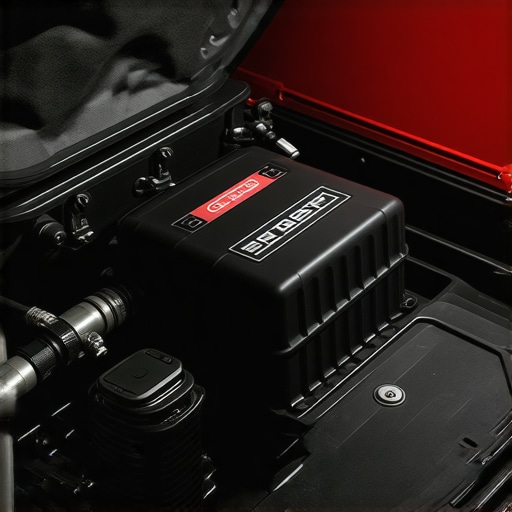
It was late afternoon, and I was just about to head out when my car suddenly roared to life with an obnoxiously loud fuel pump. I thought it was a mistake—anyone’s nightmare, really. That deafening hum had turned my peaceful drive into a test of patience. I remember instinctively glancing around, wondering if my neighbors could hear the noise from a mile away. That moment was a lightbulb for me: sometimes, the simple fixes are hiding right under our nose, costing barely anything.
The First Step to Quieter, Happier Drives
After some digging, I discovered there’s an incredibly affordable trick that can significantly reduce that pesky fuel pump noise—and it’s probably something you already own. The best part? You don’t need to be a mechanic or spend hundreds at the shop. This tip isn’t just about comfort; loud fuel pumps can also signal underlying issues that, if ignored, could lead to bigger problems down the line. According to automotive experts, a loud fuel pump isn’t just an annoyance—it might be a sign of a failing component or inadequate damping, which can affect your fuel system’s performance and longevity. But don’t worry, I’ll walk you through a simple, cost-effective hack that could save you money and restore some peace and quiet to your daily drive.
Feeling Skeptical About a $5 Fix?
I get it—sounds too good to be true. When I first heard about this trick, I was skeptical too. During my early attempts, I made the classic mistake of applying the fix without checking if the noise was truly coming from the pump or elsewhere. Trust me, I’ve been there—and that’s why I want to share this straightforward solution that’s worked wonders for me and many others. It’s backed by auto repair pros and real-world experience, and yes, it costs less than a couple of bucks at your local hardware store. For more on how to keep your car running smoothly, check out this guide on regular maintenance.
Locate and Identify the Fuel Pump
Start by referring to your vehicle’s manual or searching online for the fuel pump location specific to your car model—it’s typically under the rear seat or in the trunk. Once found, disconnect the negative terminal of your battery to prevent any electrical issues during the process. Carefully access the fuel pump, which might require removing a cover or panel. Ensure the engine is cool to avoid burns or fire hazards. When in doubt, consult trusted guides like this tune-up resource.
Many drivers believe that basic car maintenance is straightforward and that common auto repairs are standardized, but this perception often leads to costly mistakes. One of the most widespread myths is that a simple oil change or routine tune-up can fix every performance issue. In reality, these services are just part of a broader strategy; neglecting the nuances can accelerate wear and tear, especially in complex systems like transmissions or fuel delivery. For example, many assume that all transmission problems require a full overhaul, yet, as detailed in our article on saving money through proper transmission maintenance, targeted fluid exchanges can extend the lifespan significantly and prevent premature failures.
Another common misconception concerns the importance of regular auto repair. While many think only of repairing after a breakdown, experts emphasize proactive measures, such as routine tune-ups, that keep vehicles running smoothly and avoid large, expensive fixes. Overlooking these subtleties often results in drivers chasing after symptoms instead of addressing root causes, like ignoring subtle signs of transmission slipping or failing to recognize early warning lights that hint at deeper issues.
The trap here is failing to understand that each component interacts intricately with others. For instance, a transmission shudder isn’t always an urgent overhaul; sometimes, it signals a simple fluid leak or the need for a small repair. Misdiagnosis often leads to unnecessary replacements, which could have been avoided with better knowledge.
This brings us to a critical question for advanced car owners: How do pressure sensors, ECM data, and environmental factors influence repair priorities? Proper diagnostics, as outlined in comprehensive troubleshooting guides, reveal that issues like a shudder during highway driving might stem from sensor misreads rather than mechanical failure. Being aware of these nuances can save time and money, but it requires a deeper understanding of vehicle systems.
Don’t fall into the trap of oversimplified solutions. Automotive experts agree that understanding these complex interactions is key to effective maintenance and repair. As a veteran mechanic once advised, ‘Treat your car like a living organism—regular checkups and understanding its language can prevent many headaches.’ To dive deeper into how proper maintenance extends your vehicle’s life, check out this detailed guide.
Have you ever fallen into this trap? Let me know in the comments.
Keeping Your Vehicle Running Smoothly Over Time
Ensuring your car remains reliable and efficient requires more than just routine oil changes. Investing in the right tools and adopting proven methods can save you money and extend your vehicle’s lifespan. One indispensable tool I swear by is a high-quality OBD-II scanner. Unlike generic code readers, a professional-grade scanner like the BlueDriver provides detailed diagnostics, allowing me to identify minor issues—such as sensor misreads or transmission problems—before they escalate. This proactive approach aligns with insights from automotive diagnostics expert Mike Allen, who emphasizes that early detection through proper tools can prevent costly repairs down the line.
Another essential device is a good suspension calibration set—specifically, a precision alignment tool. While it might sound fancy, I personally use a portable laser aligner that helps me quickly verify wheel angles after performing tire rotations or minor suspension repairs. Accurate alignment not only improves fuel efficiency but also prevents uneven tire wear and steering issues, which are common causes of long-term damage.
How do I maintain my car’s systems over time?
Consistent cleaning and lubrication of key components are crucial. For example, applying a dielectric grease on electrical connectors prevents corrosion and ensures stable connections, especially in humid climates. Additionally, rotating and balancing your tires every 5,000 to 7,000 miles maintains even wear and prolongs tire life. Using a digital torque wrench helps me tighten bolts precisely to manufacturer specifications, avoiding stripped threads or under-torqued parts that can lead to failure—an approach supported by automotive torque standards outlined in Collision Fixer’s privacy policy.
For fluid systems like transmissions, I regularly perform fluid exchanges rather than waiting for symptoms. As detailed in this guide, a targeted fluid refresh can prevent costly overhauls and maintain shifting smoothness. I also recommend investing in a pump with a built-in filter to remove debris during fluid changes, ensuring the system stays cleaner longer.
Looking ahead, I predict that remote diagnostics and AI-powered maintenance apps will become standard. These tools will analyze sensor data in real-time, alerting drivers to potential issues before symptoms appear, further empowering vehicle owners to stay ahead of major repairs. Until then, trust in the combination of quality hardware and diligent maintenance practices will keep your vehicle in prime condition.
,
Throughout my journey with automotive repairs, one truth stands out: the biggest lessons often come from the most unexpected places. Whether it was a simple trick to quiet a noisy fuel pump or understanding the subtle signs of transmission wear, these insights transformed not just my car’s performance but also my confidence as a car owner. The real treasure lies in digging deeper—asking questions like, “What does this peculiar noise really mean?” or “Is there a DIY fix before rushing to the shop?” Embracing this mindset uncovers hidden opportunities to save money and avoid unnecessary repairs.
The Unexpected Wisdom That Changes Your Approach to Car Care
- One of the most eye-opening lessons I learned involved paying attention to the little signs—like an unusually loud fuel pump—that seem insignificant at first but indicate broader issues. Recognizing and addressing these early can prevent costly breakdowns.
- Another revelation was mastering the art of proactive maintenance. Regular tune-ups and system checks, empowered by affordable tools like a reliable OBD-II scanner, can catch problems before they disrupt your journey.
- Understanding the intricate interactions between components—such as sensors, ECM data, and environmental factors—helps in diagnosing issues accurately. This knowledge prevents me from chasing symptoms and instead targets the root cause of problems.
- Finally, I’ve realized that investing time in learning about my vehicle’s systems transforms car ownership from a chore into a rewarding experience. It fosters a proactive attitude that saves money and extends the life of my vehicle.
My Arsenal for Long-Term Vehicle Health
For those eager to emulate this approach, I recommend tools and resources that have genuinely made a difference. The Essential Car Service Tips guide offers practical advice on routine maintenance. A high-quality OBD-II scanner provides detailed diagnostics, saving you trips to the mechanic. For tackling specific issues like emission problems or transmission quirks, trusted resources such as these repair insights have been invaluable. And don’t forget the power of community—sharing experiences and tips with fellow enthusiasts can accelerate your learning curve.
Your Next Step Starts Now
Taking control of your vehicle’s health isn’t just about fixing problems; it’s about empowering yourself to prevent them. Every time you listen carefully to your car’s whispers or invest a little effort in routine checks, you build a foundation for smoother, safer rides. Remember, knowledge is the most potent tool in your auto repair arsenal—use it wisely, and your car will thank you for years to come. If these insights resonate with you, consider sharing your own experiences or questions below. Together, we can demystify auto repair and keep our vehicles lasting longer and performing better.