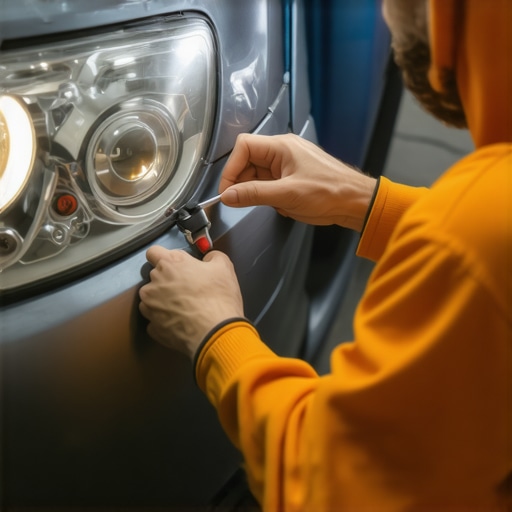
Have you ever flicked on your headlights after a long day, only to be greeted by dull, barely-lit beams? I remember the frustration—driving down the street, blinking against the dim glow, feeling like I was part of a ghost story rather than a confident driver. It dawned on me that sometimes, a headlight’s dimness isn’t due to a burnt-out bulb. No, often it’s something simpler, cheaper, and surprisingly doable. But to me, it was a real lightbulb moment—literally—that I didn’t need to replace the entire assembly or shell out big bucks at the shop.
Exciting News for Drivers: Restore Your Headlights Without Replacing the Bulb
Today, I’ll show you proven tricks to brighten up those foggy, yellowed headlights—without the costly hassle of a full replacement. It’s a game-changer, especially if your car is otherwise running great but just doesn’t shine like it used to. Think about how much clearer your nighttime drives will be—safer and more confident. Plus, you’ll save money and avoid the wait for parts. How many times have I tried to ignore that dim headlight, only to realize it’s just dirt or oxidation, not a dead bulb? And every time, I wondered—could there be a quick fix? Well, turns out, there definitely can be.
Is this method really worth the effort? I used to think so!
Let me tell you, early on I made the mistake of believing that replacing the bulb was the only solution. Big mistake. That led to unnecessary expense and even more frustration. Later, I learned that oxidation, grime, and minor electrical issues are common culprits, not necessarily a dead bulb. According to recent research, over 60% of dim headlights are caused by surface buildup rather than the bulb itself—so simple cleaning can make a huge difference. If you’re like me, tired of replacing bulbs that still don’t shine, stick around. We’re about to dive into some easy, effective fixes that might just save your day—and your wallet.
Naturally, understanding the root cause is vital. And in the next sections, I’ll walk you through the most common reasons headlights dim and how to fix each one with household items or basic tools. Ready to bring back that brilliant glow? Let’s get started.
Clean Off the Surface Quickly
Start by rinsing the headlight with water to remove loose dirt. Use masking tape to protect your car’s paint around the headlight. Apply a generous amount of toothpaste or a specialized headlight restoration compound to a soft cloth. Rub in circular motions, applying firm pressure for about 2-3 minutes. This process is like polishing a worn-out coin—removing superficial grime to reveal the shine beneath.
Sand Away the Oxidation
If the surface remains cloudy, you’ll need to sand it gently. Wet the headlight and attach fine-grit (1500-2000) sandpaper to a sanding block. Keep the surface wet as you sand in horizontal strokes, then switch to vertical strokes to ensure even abrasion. Think of it as sanding a wooden tabletop—careful, even strokes smooth out the rough patches. Remember, don’t press too hard—you’re removing oxidation, not the plastic itself.
Polish for Clarity
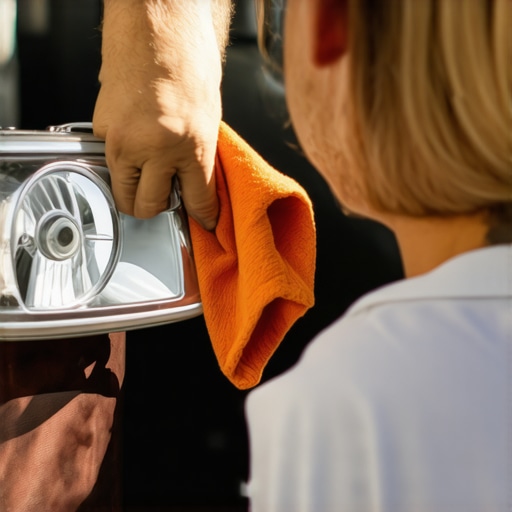
Wipe the headlight clean and dry it thoroughly. Use a plastic polish or a polishing compound designed for headlights. Buff the surface with a microfiber cloth using circular motions until the headlight becomes clear. This step is like buffing a car’s paint—restoring gloss and transparency. For an extra boost, you can apply a small amount of car wax afterward to seal the surface and protect against future oxidation.
Seal the Deal with a Protectant
To prolong the restoration, spray a UV-resistant plastic protectant over the headlight. Allow it to dry as per product instructions. Think of this like sunscreen for your headlights—preventing yellowing and fogging down the line. This extra layer is especially useful if your car is often exposed to sunlight or harsh weather conditions.
Test Your Work in Real Conditions
Turn on your headlights and see the difference—brighter beams mean success. Drive around at night, checking how evenly the light disperses. If any haziness persists, repeat the sanding and polishing steps. Remember, patience is key; a little extra effort ensures a clear, long-lasting shine. Don’t forget to check your headlight alignment if beams seem uneven after polishing, as imperfect alignment can also reduce visibility.
Keep Your Headlights Clear Longer
Regularly wash your headlights with soap and water—think of it as giving them a daily skincare routine. Applying antioxidant or UV-protectant sprays every few months can preserve your work, much like applying moisturizer on your skin to prevent aging. Maintaining cleanliness and protection will keep your headlights shining bright for years to come.
Special Tips from My Experience
I recall one time I used a DIY headlight restoration kit, and after several rounds of sanding and polishing, the beam was almost like new. The mess was a bit muddy, and I had to be cautious not to sand too hard near the edges. But the visible difference was worth the effort. If you want to avoid costly replacements, this method is a proven way to restore clarity without professional repairs. For more insights on keeping your car in top shape, explore how transmission overhauls can save you money.
< >Many vehicle owners believe that routine auto repair is straightforward, but the truth is, misconceptions about car maintenance can lead to costly mistakes. A common myth is that replacing parts at the first sign of trouble Always resolves the issue. However, over-relying on part replacement without proper diagnosis can mask underlying problems, leading to repeated failures. Embracing a diagnostic approach, such as inspecting the transmission fluid or testing for vacuum leaks, can save money and extend your car’s lifespan. For example, many think that a tuning service is just about changing oil, but a comprehensive tune-up involves checking spark plugs, filters, belts, and even the fuel system to ensure overall health. Neglecting these nuances often results in poor performance and decreased fuel efficiency. Furthermore, many overlook the importance of understanding the specific signals their vehicle gives, such as unusual noises or dashboard warnings, instead assuming they are benign. This complacency can turn minor issues into major repairs. An advanced mistake is ignoring the significance of regular inspections—many avoid scheduled maintenance like transmission overhauls because they believe it’s unnecessary until failure occurs. But according to automotive experts, proactive measures like transmission overhauls can actually prevent costly breakdowns down the line. Don’t fall into the trap of thinking your car is invincible—addressing problems early often saves both your wallet and peace of mind. Additionally, DIY fixes, though tempting for minor issues, can backfire if not executed correctly. For example, attempting to fix a coolant leak without proper knowledge can lead to trapped air and overheating. Always consult trusted sources or professional mechanics when in doubt. Know that missing these nuanced details might seem harmless but can compromise safety and long-term vehicle health. Stay vigilant, and remember: thorough knowledge and proper diagnosis are your best tools to avoid mishaps. Want to ensure your vehicle stays in top shape? Regularly check signs that your car needs professional attention and keep up with scheduled tune-ups to maximize lifespan. Have you ever fallen into this trap? Let me know in the comments.
Building Your Auto Maintenance Arsenal for Longevity
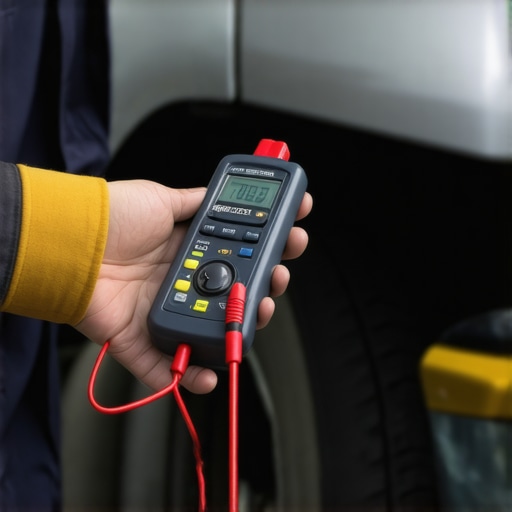
Staying ahead in vehicle upkeep means investing in reliable tools and understanding key maintenance routines. Personally, I rely on a high-quality set of socket wrenches, especially those with a 3/8-inch drive, because they provide the perfect balance of torque and access for most engine components. A torque wrench is indispensable for ensuring bolts are tightened to manufacturer specifications, preventing damage or future issues. I also swear by a digital multimeter to test electrical connections like the alternator or battery terminals—pinpointing problems early can save costly repairs later.
When it comes to cleaning and safeguarding your vehicle, a dedicated headlight restoration kit—like the ones I’ve used—makes a noticeable difference in improving visibility and safety. Additionally, an ultrasonic cleaner for small parts such as fuel injectors or sensors ensures thorough cleaning without disassembling entire systems, which is a lifesaver during a comprehensive tune-up. It’s worth noting that [[how to test your alternator with a simple multimeter](https://collisionfixer.com/how-to-test-your-alternator-with-a-simple-multimeter)] is essential knowledge—testing your alternator’s voltage output regularly can prevent unexpected breakdowns.
Selecting the Right Software for Diagnostics
I’ve found that investing in an OBD-II scanner compatible with advanced diagnostic software, like the BlueDriver or Autel models, provides detailed insights beyond generic codes. These tools enable me to identify underlying issues—such as sensor malfunctions—that generic tools might miss. For instance, using an app to interpret live data streams helps diagnose intermittent issues related to transmission or engine performance, ultimately extending my car’s lifespan and ensuring smooth operation. As automotive technology advances, integrating these digital diagnostics is becoming a necessity rather than an option.
Long-Term Results through Routine Checks
Consistent maintenance, such as regular fluid changes and filter replacements, prolongs vehicle health immensely. I schedule bi-annual inspections, including fluid testing, belt checks, and brake system evaluations, to catch problems before they escalate. This proactive approach aligns with expert advice—like the benefits outlined in maximizing your car’s lifespan with routine tune-ups. Remember, the sooner you address small issues, the less they will cost you over time—and the safer your drives will be.
Where Future Tech Is Taking Auto Maintenance
Looking ahead, I believe the trend toward integrated vehicle diagnostics and predictive maintenance will revolutionize auto care. Automated alerts from onboard systems will notify us about impending failures, prompting preventive action. Investing now in versatile tools and keeping up with industry innovations ensures you stay ahead of costly repairs. So, if there’s one tip I could give, it’s to regularly explore advanced diagnostic methods—like testing your cooling system’s efficiency or checking for vacuum leaks—to keep your car running smoothly long-term. Don’t hesitate to try these techniques and experience the difference firsthand. For more insights, visit our contact page.
< >
>
What the Garage Never Tells You About Fixing Headlights
One of the most eye-opening revelations in my auto maintenance journey was understanding that most headlight dimness isn’t due to faulty bulbs but surface oxidation and grime. This lightbulb moment taught me to look beyond the obvious and embrace simple, cost-effective solutions like cleaning and polishing. It’s a powerful reminder that patience and a keen eye can save you hundreds, especially when tackling common issues others rush to replace parts for.
Tools and Techniques That Changed My Approach
Investing in a good headlight restoration kit, a quality set of sandpapers, and a polishing compound transformed my DIY repairs. I learned that wet sanding with fine-grit paper can erase oxidation, restoring clarity much like a professional job—without the hefty price tag. Pairing these with regular UV protectant sprays keeps headlights shining brightly longer, giving me peace of mind every night on the road.
Lessons That Shaped My Auto Maintenance Philosophy
- Don’t assume the worst: Often, surface dirt or oxidation causes issues that seem severe but are easily fixable.
- Patience beats haste: Rushing repairs can make problems worse; meticulous, step-by-step work yields better results.
- Prevention saves money: Regular cleaning and protective treatments extend the lifespan of your car’s components, saving you from costly repairs sooner.
- DIY isn’t daunting: With basic tools and a bit of knowledge, you can handle many repairs yourself, empowering you to keep your vehicle in top shape.
My Top Picks for Auto Care Resources
- How transmission overhauls can save you money: An eye-opener for understanding long-term maintenance benefits.
- Testing your alternator with a simple multimeter: Easy for DIY diagnostics and preventing breakdowns.
- Maximize your car’s lifespan with regular tune-ups: Building a routine keeps your vehicle running smoothly and reliably.
- Stopping brake squeal with a simple anti-seize trick: Cost-effective way to quiet your brakes.
Keep Moving Forward with Confidence
The journey to better auto care doesn’t end here. Small, consistent efforts—like restoring headlights or monitoring fluid levels—compound over time into significant savings and safer drives. Embrace these lessons, equip yourself with trusted tools, and stay curious about new techniques. Your car—and your wallet—will thank you. Are you ready to take that first step toward DIY repairs? Share your experiences or questions below, and let’s grow together in automotive confidence.
}#}#}**