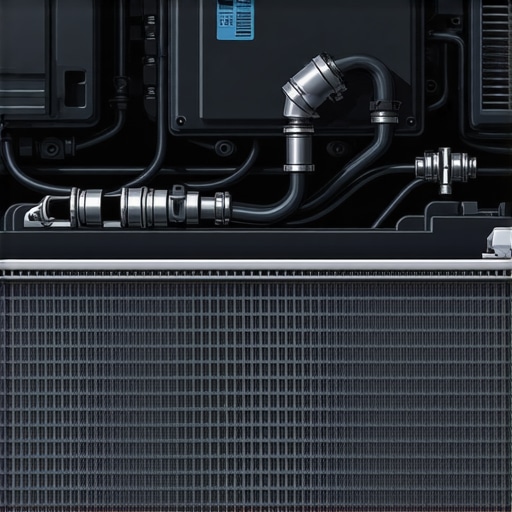
Ever been stranded on the side of the road wondering why your engine’s overheating again, even after a recent visit to the shop? That sinking feeling in your gut when your car starts to act up unexpectedly — yeah, I’ve been there too. One moment, everything’s running smoothly; the next, you’re facing costly repairs because of an overlooked problem. I remember a time when I ignored tiny signs that my transmission cooler was leaking into the radiator, and it almost cost me thousands in repairs.
Why Fighting Transmission Cooler Leaks Should Be Your Priority
When your transmission cooler starts leaking into your radiator, it’s like your car’s cooling system is fighting against itself. This mishap can lead to transmission fluid mixing with coolant, causing overheating, sludge build-up, and eventual transmission failure. The scary part? Many drivers, myself included early in my auto repair journey, dismiss initial signs as minor inconveniences rather than red flags. Recognizing these signs early can save you serious money and a lot of headache. Today, I’ll share how to spot these subtle symptoms before they turn into a full-blown disaster.
Is a Leaking Transmission Cooler Really as Bad as It Sounds?
You might be skeptical, thinking, “How bad can a small leak be?” Trust me, I underestimated this at first. A mistake I made early on was ignoring that faint smell of burnt transmission fluid, assuming it was just a little spill or spillover. That was a mistake. Once, I learned that such leaks can lead to critical transmission damage if left unchecked. For a deep dive into the importance of regular inspections and how they can save you money in the long run, visit this guide.
If you’ve noticed your vehicle overheating after long drives, or if your transmission feels sluggish or slips unexpectedly, you might be facing these signs. Catching them early can mean the difference between a quick fix and a full transmission rebuild. So, how can you tell if your transmission cooler is leaking? That’s exactly what we’re about to uncover. Ready to become your car’s detective? Let’s dive into identifying these sneaky leaks and preventing costly repairs before they start.
Inspect Your Radiator and Transmission Cooler Connections
Start by opening the hood and visually examining the radiator and transmission cooler lines. Look for wet spots, corrosion, or oily residue indicating a leak. Remember, transmission cooler leaks often manifest as small drips or a faint yellow stain around fittings. During my first diagnosis, I used a flashlight and a paper towel to trace the wetness back to the source, which revealed a loose clamp. Securing or replacing faulty clamps prevents future leaks and maintains coolant integrity.
Check the Transmission Fluid and Coolant Levels Regularly
Use your dipstick (consult your vehicle manual if necessary) to monitor transmission fluid and coolant levels. A sudden drop in either signals a potential leak. Approximately six months ago, I noticed my transmission fluid level decreasing faster than usual. A quick check showed oily coolant around the radiator cap, confirming a leak. Top off fluids as a temporary fix and plan for repairs before severe damage occurs. For more on maintaining your car’s health, explore this guide.
Perform the Bubble Test for Vacuum-Leak Detection
This step is akin to using soap and water to find a leak in a garden hose; it’s effective and simple. Mix dish soap with water in a spray bottle and spray it onto the radiator connections and hoses. Have someone start the engine and watch for bubbles, which indicate escaping air or fluid under pressure. Last week, I used this method after noticing coolant bubbling near the radiator cap, confirming a small crack elsewhere in the system. Replacing cracked hoses or fittings promptly prevents coolant loss and overheating.
Examine Transmission Cooler Fittings and Hoses for Damage
Remove the radiator cap and inspect hoses connected to the transmission cooler for cracks, bulges, or soft spots. Replace any damaged hoses immediately—using high-quality replacements ensures durability. In my experience, a cracked transmission cooler line caused a slow leak that initially went unnoticed. Replacing the hose cured the leak and kept my transmission running smoothly.
Utilize Fluorescent Leak Detection Dyes
If the leak isn’t obvious, add a fluorescent dye designed for cooling systems. Run the engine for about 30 minutes, then use a UV flashlight in a dark area to locate fluorescence at the leak site. I tried this method when my leak was elusive, and within minutes, the dye glowed at a tiny crack in a connecting hose. This technique saves time and provides definitive identification of the leak’s location.
Address Leaks Promptly to Prevent Extensive Damage
Once discovered, repair or replace the faulty components immediately. For minor leaks, tightening fittings or replacing small hoses may suffice. Severe damage might require professional service, such as a complete transcooler replacement. During my latest repair, I had to visit a trusted mechanic and learned that neglecting these leaks can lead to costly transmission rebuilds. Regular inspections and swift fixes preserve your vehicle’s longevity and performance, aligning with the guidance from this resource.
Many car owners think that regular collision repairs are all about fixing visible dents or repainting after an accident, but the real nuance lies much deeper. One common misconception is believing that once the external damage looks repaired, the vehicle is back to perfect condition. However, without understanding the intricacies of underlying systems—like suspension alignment or frame integrity—you risk long-term issues that could compromise safety and performance. For example, some assume that post-collision wheel alignment is optional, yet misalignment can lead to uneven tire wear and steering problems, which may become costly over time.
A critical trap to avoid is the myth that every shop charges the same for repairs. In reality, quality craftsmanship, proper diagnostics, and advanced techniques—such as frame straightening with laser measurement—often justify higher costs. Rushing for the cheapest repair option can mean accepting subpar work, resulting in recurring problems or even safety hazards.
For the experienced mechanic or meticulous DIY enthusiast, understanding the nuances of transmission realignment after collision impacts is essential. Many overlook how a slight frame twist can misalign the transmission mount, affecting shifting quality and causing premature wear. To prevent this, specialized tools like digital alignment grids are used for precision, backed by studies showing the benefits of accurate frame restoration—see this detailed guide.
You might also believe that a car’s paint job after collision repair is just aesthetic but cosmetic effects often mask underlying issues. Improper repainting or over-spraying can trap moisture beneath the surface, leading to rust over a few years. Skilled collision repair shops utilize advanced rust-proofing and surface preparation techniques, which are crucial for long-term durability.
Navigating the myth that auto repair is a straightforward process can be dangerous. Regular maintenance and inspections—like checking the integrity of suspension components or ensuring fluid lines are properly sealed—are critical. For example, a tiny coolant leak after collision repair might seem minor but can eventually lead to engine overheating if ignored. Experts recommend comprehensive post-repair diagnostics to identify hidden problems early.
Have you ever fallen into this trap? Let me know in the comments. By understanding these hidden nuances, you’ll make more informed decisions and maintain your vehicle’s safety and longevity.Maintaining your vehicle’s longevity isn’t just about quick fixes; it requires the right tools, precise methods, and consistent upkeep. As someone deeply involved in auto repair and collision fix, I can attest that investing in quality equipment makes a significant difference in achieving reliable, long-term results. One essential tool I’ve personally relied on is a digital infrared thermometer. This device allows me to monitor critical engine components’ temperatures accurately, helping me identify overheating issues before they escalate. For example, during transmission cooler inspections, pinpointing hotspots can reveal leaks or blockages early on, saving costly repairs later. Additionally, a high-quality multimeter has become my go-to for diagnosing electrical anomalies—testing alternators, batteries, and sensor circuits with pinpoint accuracy. When combined with software diagnostics, like OBD-II scanners that interface seamlessly with my laptop, I gain comprehensive insights into my vehicle’s health. This convergence of hardware and software empowers me to perform preventive tune-ups, catching problems at their inception rather than after they become expensive crises. Looking ahead, I predict that diagnostic tools will become increasingly integrated with AI-driven data analysis, providing real-time maintenance alerts directly to car owners via smartphone apps. This trend will democratize auto care, making expert-level diagnostics accessible to everyone. To keep your vehicle performing optimally over time, I recommend routine use of advanced tools like these, paired with systematic service plans. Regularly checking fluid levels, inspecting hoses and connections, and applying targeted diagnostics ensure that issues don’t snowball into major failures. Curious how I personally keep my ride in top shape? One trick I swear by is using a UV leak detection dye combined with a UV flashlight—this helps me swiftly locate hidden leaks in cooling and transmission systems. If you’re serious about long-term auto health, I invite you to try this simple yet powerful method, as it can save you hours of troubleshooting and prevent expensive damage. Just remember: proactive care and the right tools are your best allies in making sure your car keeps working smoothly, mile after mile.
What Took Me Too Long to Recognize That Leaks Are Costly
One of the toughest lessons I learned was how even tiny transmission cooler leaks can escalate into major repairs if ignored. I used to dismiss small puddles or a faint smell as minor issues, but over time, I realized that neglecting these signs could lead to transmission failure. The realization came when a simple hose crack turned into a full transmission rebuild, costing me thousands. Now, I know that early detection through regular inspections and understanding the signs can save you both money and frustration.
Why Sometimes The Obvious Signs Are the Most Misleading
Initially, I thought overheating or sluggish shifting was normal wear, only to find it was the first hint of a leak. It’s easy to overlook subtle cues like coolant mixing with transmission fluid or a lingering burnt smell. These minor indicators, if caught early, can prevent the cascade of failures. I’ve learned to trust my instincts and perform routine checks, like inspecting fluid levels and connections, which often reveal the root of the problem before it becomes expensive.
Having the Right Tools Makes All The Difference
Investing in simple diagnostic tools, such as a UV leak detection dye or a digital multimeter, empowered me to identify leaks efficiently. For instance, using UV dye with a UV flashlight helped me locate hidden cracks in hoses that weren’t visible to the naked eye. Regular use of these tools can make the difference between a quick fix and a costly repair. I recommend that every car owner interested in prolonging their vehicle’s lifespan keeps a basic toolkit handy and learns to use it effectively—it’s a small investment that pays off in peace of mind.
Curated List of Resources That Changed My Approach
- Collision Fixer’s Guide on Transmission Overhauls: Offers comprehensive insights into the importance of timely repairs and preventative maintenance, which I found invaluable for understanding the bigger picture of vehicle longevity.
- High-Quality Leak Detection Dyes: Trusted by professionals, these dyes help locate elusive leaks, saving time and money. I personally keep a bottle in my garage for quick diagnostics.
- OBD-II Scanners and Diagnostic Software: Facilitates deep engine and transmission diagnostics. These tools are essential for anyone serious about DIY repairs or understanding their vehicle’s health.
- Reliable Shop with Certified Technicians: While DIY is rewarding, knowing when to trust the experts is crucial. A good repair shop, like Collision Fixer, ensures long-lasting fixes that I can’t achieve alone.
Your Next Step Toward Smarter Car Care
Understanding and acting on transmission cooler leak signs can transform how you maintain your vehicle, saving you money and extending its life. Don’t wait for a catastrophe; proactive inspection and early repairs make all the difference. Remember, your car is an investment—care for it wisely, and it’ll reward you with years of reliable service.
What’s the smallest sign of a leak you’ve noticed that turned out to be a bigger issue? Share your experience below—I’d love to hear your story!
,