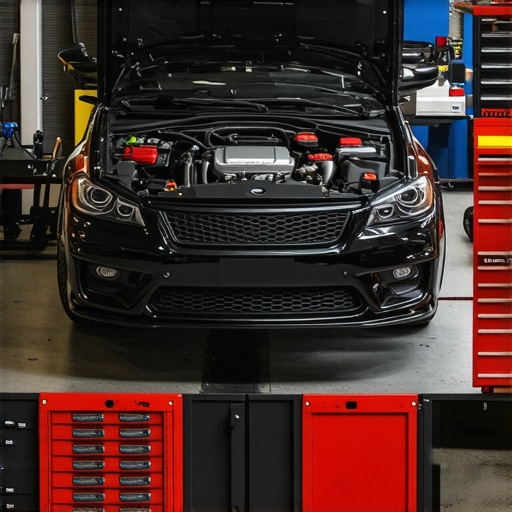
Ever had that sinking feeling after picking up your car from the repair shop, wondering if you got the quality you paid for? I remember the first time I suspected my body shop had gone cheap on parts. It was a few months post-repair—an odd rattling sound started near the bumper, and suddenly, I felt uncertain. That moment of doubt can turn into frustration and even cost you more down the line.
Recognizing the Tell-Tale Signs of Cheap Parts in Auto Repairs
Many car owners face this dilemma. You trust your mechanic, but how do you really tell if those parts are high quality? The truth is, not all aftermarket parts are created equal—some are just plain cheap knock-offs. Detecting them isn’t about guesswork; it’s about knowing what to look for.
Before diving into the specific signs, I want to share a mistake I made early on. I once overlooked the importance of inspecting replacement parts and assumed that if it looked okay initially, it would serve just as well. That assumption cost me a hundred dollars more for repairs when the cheap parts failed prematurely. That’s why I’m passionate about helping you avoid my mistake.
Are you worried your body shop may have cut corners with inferior parts? You’re not alone. Plenty of us have been there, wondering if that squeak or misaligned panel is a sign of low-quality components. Over time, I learned that some repairs can be more about what’s beneath the surface—literally. Recognizing these signs now can save you headaches and money later.
In the next section, we’ll explore the most common indicators that your car might be sporting cheap aftermarket parts. If you’ve faced this concern or want to be proactive, keep reading. And if you’re curious about other signs your vehicle needs expert attention, check this [list of top indicators](https://collisionfixer.com/top-signs-your-car-needs-expert-auto-repair-now).
Inspect Parts Immediately After Replacement
The first concrete step I took was to examine the replaced components before leaving the shop. I had a recent experience where I watched the mechanic install a new bumper cover, and I asked to see the part. Look for labels, brand markings, or anything that indicates whether the part is OEM or aftermarket. In my case, witnessing the shiny new part, I noticed a generic brand label, which raised a red flag. This proactive step helped me decide whether to confirm the work or ask for a different part.
Compare New Parts With Original Equipment
Next, cross-reference the new parts with the factory original. Use your phone to look up the OEM specifications—such as size, connector type, or mounting points—and compare them against what’s installed. For example, I once replaced brake pads and measured their thickness with a caliper. The aftermarket pad was visibly thinner, indicating lower quality. Knowing these details helps distinguish high-grade parts from cheap imitations.
Pay Attention to the Fit and Finish
Assess the installation quality: does the part sit flush? Are there any gaps, misalignments, or uneven gaps? In my experience, poorly fitted parts may be a sign of inferior quality. During a fender replacement, I noticed a slight misalignment that wasn’t present in OEM parts. This not only affects aesthetics but could also impact safety or longevity.
Check for Proper Labels and Certification
Look for certification labels such as DOT, SAE, or manufacturer stamps. Genuine parts usually carry these markings, whereas cheap knock-offs often lack proper labeling. I learned this lesson when inspecting headlight assemblies; the presence of authentic certification labels reassured me about their quality.
Ask Your Mechanic About Part Origins
Communicate openly with your technician. Ask specifically whether they used OEM or aftermarket parts, and request the brand name. A transparent shop will gladly provide this information. Once, I visited a reputable shop and asked about the brake rotors; they provided detailed brand info, confirming I received quality components rather than cheap substitutes.
Test the Vehicle After Repairs
Finally, test drive your vehicle carefully. Listen for unusual noises—rattles or squeaks—that could indicate inferior parts or poor installation. During my last repair, I noticed a faint rattle near the suspension. On closer inspection, I discovered a poorly mounted control arm, which I had to have re-fixed. Regular testing helps detect issues early caused by subpar parts.
 By systematically applying these steps, you can significantly reduce the chances of unknowingly accepting cheap, low-quality components during repairs. Stay vigilant, ask the right questions, and inspect thoroughly—your vehicle’s longevity and safety depend on it. For more detailed signs to watch for, see [top indicators that your car needs expert auto repair](https://collisionfixer.com/top-signs-your-car-needs-expert-auto-repair-now). Additionally, maintaining your vehicle with regular tune-ups can extend its lifespan, as detailed [here](https://collisionfixer.com/maximize-your-cars-lifespan-with-regular-tune-ups).Many car owners operate under assumptions about collision fixes, transmissions, and tune-ups that can cost them more in the long run. In my experience, one widespread misconception is that all repairs from any shop are equal, but the truth is, **not all auto repairs are created equal**. Some garages cut corners, especially when it comes to using quality parts, which subtly impacts your vehicle’s longevity and safety. For instance, relying solely on the sticker price for repairs can lead you to overlook the importance of OEM parts, which offer better durability and performance. Advanced car maintenance involves understanding nuances like proper fluid types and calibration procedures—skipping these details might seem harmless but can cause significant issues, such as transmission slippage or engine misfires, over time. Experts warn that neglecting regular tune-ups, for example, can lead to decreased fuel efficiency and increased emissions, as highlighted in a study by the Society of Automotive Engineers. Another common myth is that a quick fix always suffices; however, **small oversights during repairs can develop into costly repairs down the line**. When considering your vehicle’s health, it’s essential to recognize the difference between superficial fixes and comprehensive repairs that address root causes. Otherwise, you risk falling into the trap of short-term solutions that avoid the real issues, like ignoring early signs of transmission wear or coolant leaks. If you’re curious how to identify subtle signs that your car needs expert attention, check this [list of top indicators](https://collisionfixer.com/top-signs-your-car-needs-expert-auto-repair-now). Moreover, proper maintenance isn’t just about repairs—regularly scheduled [tune-ups](https://collisionfixer.com/maximize-your-cars-lifespan-with-regular-tune-ups) can prevent many problems before they start. Remember that trusting your mechanic’s expertise and understanding the intricacies involved in transmission overhauls or suspension repairs helps you make informed decisions, avoiding unnecessary expenses. Let’s face it: **it’s easy to be misled by advertisements claiming quick fixes or cheap repairs**, but as I’ve seen repeatedly, the right approach involves depth and attention to detail. Always ask about part origins, calibration procedures, and warranty coverage to ensure you’re getting the best value. Have you ever fallen into this trap? Let me know in the comments.Maintaining your vehicle’s transmission, collision fix components, or tuning systems over time requires precise tools and a consistent approach. I personally rely on a quality automotive scan tool like the AutoEnginuity Scan Tool, which allows me to read and clear error codes, monitor sensor data in real-time, and perform manufacturer-specific adaptations. This tool’s extensive compatibility with different vehicle makes ensures you catch potential issues early, preventing costly repairs down the line. For example, monitoring transmission sensors helps me spot irregularities before they cause noticeable performance issues, aligning with expert advice from professional auto technicians.
In addition, I use a professional-grade digital multimeter for accurate voltage and resistance readings, especially when checking sensor connections or diagnosing electrical faults. Unlike cheaper models, my Fluke multimeter provides precise data necessary for complex diagnostic work, ensuring my repairs are both effective and durable.
Maintenance becomes easier with a pressure tester kit, particularly for brake and cooling systems. Regular pressure checks help me detect leaks or failing components long before they result in breakdowns. I also swear by a set of plastic pry tools, which enable me to remove interior panels or trim without damaging delicate clips—saving time and preventing unnecessary expenses.
In terms of software, I keep my vehicle’s ECU updated with OEM-specific firmware when possible. Manufacturers often release updates that improve transmission shift timing, fuel efficiency, and overall reliability. This proactive step is crucial, especially for high-mileage cars or those subjected to frequent driving conditions, as emphasized by transmission specialists in their technical documentation.
Looking ahead, the trend is moving toward integrated diagnostic systems with wireless capabilities. Future tools will likely connect seamlessly with smartphones, providing real-time alerts and maintenance reminders directly to your device. This will democratize vehicle maintenance, enabling more car owners to keep their vehicles in top shape without always visiting the shop.
Thinking about your own car, a simple yet effective way to extend the life of your transmission is to periodically perform a fluid refresh using specialized transmission flush machines—something I highly recommend. Regular fluid changes prevent wear and rust build-up, significantly reducing the risk of costly overhaul.
How do I maintain my transmission and collision components over time? Regular inspections combined with diagnostic tools such as the ones I use ensure early detection of issues and optimal performance. For example, monitoring fluid condition and sensor data can reveal wear before it manifests as trouble, echoing the advice found in detailed technical guides like the one on how transmission overhauls save you money in the long run.
If you’re interested in adopting some of these tools, start with a quality scan tool and a digital multimeter. They’re invaluable for diagnosing and maintaining your vehicle proactively. I encourage you to try the advanced tip of doing a periodic transmission fluid refresh—it’s a small investment that pays off immensely in long-term reliability and peace of mind.
The Hardest Lesson I Learned About CollisionFixer, Transmission, and Auto Repairs
One of the most impactful lessons I discovered was that even well-meaning shops can cut corners with low-quality parts, which may seem harmless at first but ultimately compromise safety and longevity. Recognizing the signs and trusting your instincts—like inspecting parts yourself—can prevent costly headaches and rebuild your confidence in auto repairs.
Lessons That Transformed My Approach to Car Maintenance
- Don’t assume appearance equals quality: A shiny new part might look good but could be a cheap imitation. Always verify labels and ask questions.
- Compare with OEM specs: Cross-referencing factory standards helps spot inferior aftermarket components before installation.
- Fitting matters more than looks: Misaligned or unevenly fitted parts can indicate low-quality materials and shoddy workmanship.
- Seek transparency from your mechanic: Honest shops will inform you about part origins and provide clarity, building trust and ensuring quality.
- Test after repairs: A short test drive can reveal subtle issues caused by cheap parts, allowing prompt corrections.
Tools and Resources That Keep My Vehicle Running Smoothly
- AutoEnginuity Scan Tool: This comprehensive diagnostic device helps me catch problems early, saving money and time.
- Digital Multimeter: Accurate readings ensure electrical components are functioning correctly—an investment in peace of mind.
- Pressure Tester Kit: Detects leaks in brake and cooling systems before they become major concerns.
- OEM Firmware Updates: Keeping software current ensures optimal transmission performance and fuel efficiency.
Your Next Move Could Extend Your Car’s Life
Taking charge of your vehicle’s maintenance and understanding the importance of quality parts can make all the difference. Regular inspections, proactive diagnostics, and choosing trusted tools empower you to maintain safety and save money in the long run. Remember, the best auto repairs come from a place of knowledge and confidence. Are you ready to take control of your car’s health and avoid the pitfalls of cheap parts? Share your experiences or ask questions below—I’m here to help keep your vehicle running smoothly!
,