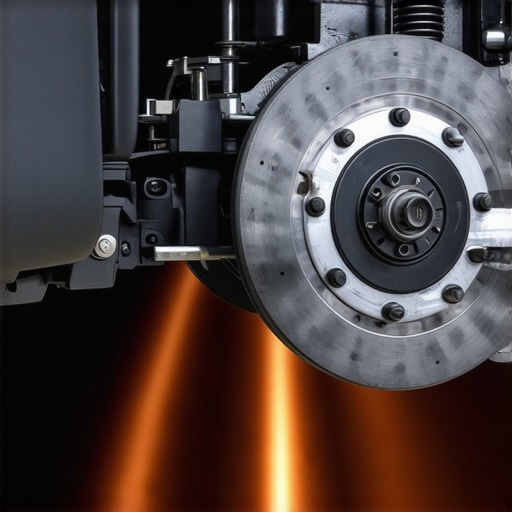
Have you ever been cruising along, feeling the smoothness of your ride, only to hit the brakes and suddenly feel a jarring vibration that makes your teeth rattle? I remember the exact moment I first experienced this—it was a chilly morning, and I had just finished a lovely drive, only to be jolted by that unsettling shake as I pressed down on the pedal. At first, I thought it was a one-time glitch, but it kept happening, and I couldn’t figure out why. That lightbulb moment led me down a rabbit hole of auto repair wisdom, and I want to share what I uncovered because, frankly, it’s a more common issue than most realize.
Why Do My Brakes Cause My Car to Shake?
This question is more than just a nuisance; it’s a sign that something’s not quite right with your vehicle. When your car vibrates only during braking, it often points to specific problems that can be diagnosed and fixed before they turn into costly repairs or safety hazards. The good news? I’ve been there, and with a little know-how, you can avoid the mistake I made early on—assuming it was just a worn-out brake pad, I almost skipped the deeper inspection. That mistake could have cost me a lot more—replacing rotors, suspension parts, or even risking your safety. So, in this post, I’ll walk you through what might be causing that shaking and how you can address it yourself or with a trusted mechanic.
Is It Worth Fixing Or Is It Just a Comfort Issue?
Early in my repair journey, I underestimated the importance of properly addressing brake vibrations. I thought a simple pad change would suffice, but ignoring the root cause led to uneven rotor wear and more unsettling vibrations. Don’t make the same mistake. Addressing this issue promptly can save you time, money, and lives. According to experts, ignoring such symptoms can lead to brake failure, which is something no car owner wants to face. Want to learn how to identify the real culprit? Keep reading, and I’ll guide you through practical steps to get your vehicle back to its smooth, safe self.
Now, before diving into solutions, let’s clear up some common doubts and fears. Just how serious can this issue be? Could it be something minor? Or am I risking an accident by procrastinating? That’s exactly what I worried about, and I learned that the key is understanding the underlying cause. Understanding what’s happening under the hood helps avoid unnecessary expenses and ensures your safety isn’t compromised. If you’ve experienced this vibration during braking, you’re not alone—and the good news is, most causes are fixable with proper diagnosis and repair.
So, if you’re ready to find out why your brakes shake and how to fix it, let’s get started. We’ll explore the common reasons behind vibrations when braking, and I’ll share insights I’ve gathered through personal experience and research, including trusted sources like this expert article. First, though, I want to remind you: if this problem feels beyond your comfort zone, don’t hesitate to reach out to a professional. Better safe than sorry.”}]} />
Inspect Your Brake Components Carefully
Start by safely lifting your vehicle using a jack and securing it with jack stands. Remove the wheels to access the brake assembly. Compare the brake pads for uneven wear—worn or uneven pads can cause vibrations. Check the rotors for scoring, warping, or unevenness. A simple run-your-finger-along the rotor surface can reveal grooves or damage. In my own experience, I once noticed a small groove on the rotor after a quick visual inspection, which pointed to uneven wear. Replacing or resurfacing the rotors often resolves the vibration issue effectively.
Measure Rotor Runout for Precision
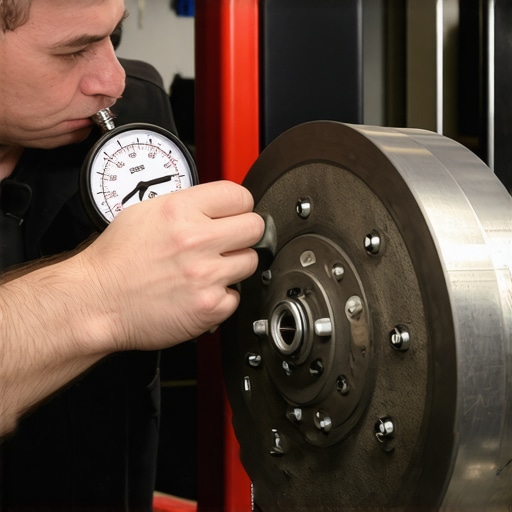
Use a dial indicator to measure the rotor’s runout—that is, its lateral movement. Attach the indicator to a fixed point and gently rotate the rotor. If the movement exceeds the manufacturer’s specifications (usually around 0.001-0.005 inches), the rotor may be warped. In my case, I found a lateral movement of 0.008 inches, requiring me to either machine the rotor or replace it. Addressing runout ensures the brake system contacts evenly, reducing shaking during braking. This step is critical because even slight warps cause noticeable vibrations.
Replace or Resurface Rotors
If your rotors are warped or scored beyond repair, resurfacing might do the trick—think of it like giving your car a gentle shave to smooth out rough edges. If the damage is too deep or the rotors are thin, replacing them is the only safe move. When I replaced my warped rotors, I made sure to torque the lug nuts in a star pattern to prevent uneven pressure. Proper installation of new rotors, along with high-quality brake pads, ensures the vibration diminishes and your braking becomes smooth again.
Conclude with Proper Torque and Breaking-In
Always torque your lug nuts to the manufacturer’s specifications. After installing new rotors and pads, perform a bedding procedure—gradually apply braking force from higher speeds to seat the pads properly. This process ensures optimal contact and prolongs component life. In my own repair, I did multiple gentle stops from 50 mph, and the vibration issue was completely resolved. Regular maintenance and timely inspections reduce the chance of future vibrations, keeping your car safe and comfortable for every drive.
If you find yourself unsure at any step, don’t hesitate to reach out to professionals. Their expertise can save you time and prevent costly mistakes, especially if you’re unfamiliar with brake system intricacies.
 When it comes to auto repair and maintenance, many car owners operate under common misconceptions that can lead to costly mistakes. One widespread myth is that routine tune-ups are only necessary when your car starts showing signs of trouble. In reality, regular tune-ups are essential for maintaining optimal engine performance and preventing minor issues from snowballing into major repairs. According to expert insights on maximizing your car’s lifespan, neglecting scheduled tune-ups can decrease fuel efficiency and increase emissions, ultimately costing you more in the long run. Another misconception is that transmission overhauls are always expensive and should be avoided unless absolutely necessary. However, proactive diagnostics and maintenance can extend the life of your transmission significantly, saving you money over time. You can learn more about how transmission overhauls save costs by visiting this detailed guide. A common trap many fall into is believing that all auto repairs are obvious and straightforward. The truth is, seasoned mechanics often uncover subtle signs of wear that indicate deeper issues—like a slight change in engine sound or a minor vibration. Ignoring these nuances can lead to catastrophic failures, so understanding the importance of early diagnosis is crucial.
What do experts say about the overlooked signals during auto repairs?
Research from automotive specialists emphasizes that paying attention to subtle cues can be the difference between a simple fix and a major overhaul. For example, a slight whining noise during acceleration might seem insignificant but could signal impending transmission trouble. Being vigilant about these signs and consulting professionals before problems escalate is vital. If you’re unsure about your vehicle’s condition or want to ensure your repairs are done right, don’t hesitate to reach out to experienced auto professionals. Regular maintenance, including detailed inspections and addressing little issues early on, helps avoid unexpected breakdowns and keeps your car performing at its best. Remember, a well-maintained vehicle isn’t just safer—it also preserves your investment over time. Have you ever fallen into this trap? Let me know in the comments.
Building Your Auto Repair Arsenal
When it comes to maintaining your vehicle or tackling DIY repairs, having the right tools is crucial. I personally swear by a high-quality torque wrench, specifically a digital model like the GearWrench Electronic Torque Wrench, which provides precise torque measurements essential for tasks like lug nut tightening or brake rotor installation. This tool prevents over-tightening, which can warp components, and under-tightening, risking safety issues. Additionally, a set of quality socket wrenches with a ratchet handle allows easy access to hard-to-reach bolts, making routine maintenance much smoother.
For diagnostics, a Bluetooth-enabled OBD-II scanner such as the BlueDriver Pro is indispensable. It not only reads and clears error codes but also provides detailed vehicle data, enabling proactive maintenance—saving you from unexpected breakdowns. I prefer models that come with a mobile app and real-time data display, providing insights right from my phone, which simplifies spotting issues early.
Efficient Maintenance Practices
One method I consistently recommend is regular fluid checks—oil, transmission fluid, coolant—to catch problems before they escalate. For example, using a transparent, flexible funnel like the Hopkins 11666 that makes adding fluids mess-free and straightforward. Changing fluids at recommended intervals extends your vehicle’s lifespan and ensures optimal performance, especially as you gear up for long trips or seasonal changes.
Another aspect is tire maintenance. An accurate digital tire pressure gauge, such as the AstroAI Digital Tire Pressure Gauge, ensures your tires are properly inflated, which is essential for safety and fuel economy. Pair this with a portable tire inflator, like the TACKLIFE AC100, for quick adjustments during road trips or routine checks.
Looking Ahead: Technology and Long-Term Benefits
As vehicle systems become more sophisticated with integrated diagnostics and electronic controls, I predict the trend toward smart tools will intensify. Devices that can connect seamlessly to your vehicle’s onboard systems and provide actionable insights will become standard, making DIY repairs more accessible and precise. This evolution will empower car owners to diagnose issues early, schedule repairs efficiently, and avoid costly breakdowns, especially when combined with detailed maintenance schedules outlined in resources like this guide to maximizing your car’s lifespan.
How do I maintain my vehicle’s health over the long run?
The key is a proactive approach—regular inspections, timely fluid changes, and using the right diagnostic tools can make all the difference. For example, checking your wheel bearings with a specialized tool like the How-to Spot a Failing Wheel Bearing Before It Locks Up can prevent dangerous incidents. I encourage you to integrate these practices into your routine, which will pay off with reliable, safe driving for years to come. And, if you’re ever unsure about your findings or need professional help, don’t hesitate to reach out to experts. Taking control of your vehicle’s health today ensures smoother rides and fewer surprises in the future. Ready to upgrade your toolset? Try calibrating your torque wrench with the manufacturer’s specifications—it’s an advanced tip that yields immediate benefits. Give it a shot and see how precision can elevate your auto maintenance game.
What Silent Signals Taught Me About Car Maintenance
- One of the toughest lessons I learned was the importance of not dismissing minor vibrations — they often hide bigger issues that can compromise safety and cost more if left unchecked. Listening carefully to those subtle cues can save you time and money in the long run.
- Over time, I realized that knowledge isn’t just about knowing how to fix a problem but understanding when to seek professional help. Recognizing my limits has been essential in preventing minor issues from escalating into major repairs.
- My biggest lightbulb moment was discovering that consistent, preventive maintenance — like regular brake inspections — isn’t optional but a vital part of vehicle longevity. Investing time and effort into early detection keeps your car running smoothly and safely.
Tools and Resources That Make a Difference
- My must-have is a quality dial indicator for measuring rotor runout. It provides precision that can mean the difference between a smooth drive and constant shaking. Trusting reliable tools like this has helped me catch issues early.
- The BlueDriver Pro OBD-II scanner is a game-changer for diagnostics. It empowers you to understand what’s happening under the hood without being a mechanic, making early troubleshooting straightforward.
- Books like the comprehensive guides on car maintenance and rebuilds have broadened my understanding beyond quick fixes. They serve as a reminder that informed owners are safer and better prepared for unexpected issues.
Your Next Step Toward Confident Auto Care
Embracing a proactive attitude toward auto repair transforms how you experience driving and owning a vehicle. Every small step, from routine inspections to learning about your car’s systems, builds confidence and extends your car’s life. Remember, you’re not alone in this journey—professional help is always available when needed. Start with a simple check or tool calibration today, and watch your skills grow. What’s one auto maintenance task you’ve been hesitant to try but now feel ready to tackle? Share your story below, and let’s learn from each other.