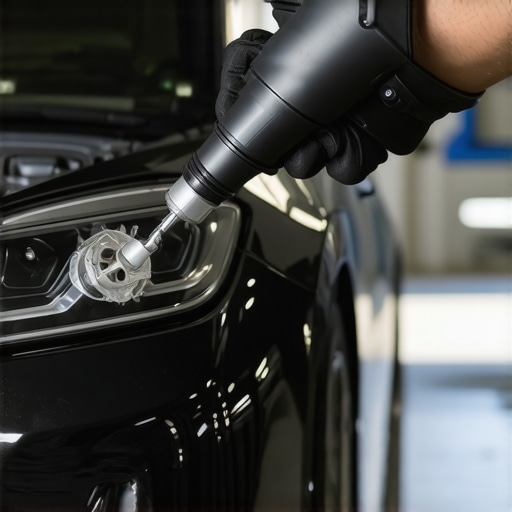
Picture this: You’re stuck in traffic, engines revving, your car starts to feel sluggish. You glance at the dashboard and see that dreaded check engine light flickering. Frustration hits—another repair needed, and you wonder if it’s something complicated or costly. Believe me, I’ve been there more times than I care to admit. It wasn’t until I discovered a simple trick that kept my car humming and my wallet happy—cleaning the mass air flow (MAF) sensor yourself, in just minutes.
Why Ignoring the MAF Sensor Can Cost You More Than You Think
The MAF sensor plays a crucial role in how your engine runs. It measures the amount of air entering your engine and helps your car’s computer adjust the fuel mixture for optimal performance. When it gets dirty or clogged with grime—common over time—it sends faulty readings. The result? Poor acceleration, decreased fuel efficiency, rough idling, and in some cases, engine stalling. Ignoring this simple issue can lead to more serious problems, like damaged spark plugs or even engine misfires. Regular maintenance, including a quick clean on your MAF sensor, can keep your vehicle running smoothly and save you money in the long run. And the best part? You don’t need fancy tools or to visit a mechanic—just a few household supplies and a bit of time.
Is Cleaning the MAF Sensor Really Worth the Hype?
Early in my auto repair ventures, I made the mistake of dismissing this small component. I thought, “It’s just a sensor, right?” Then I experienced the irritation of sluggish acceleration and poor fuel economy firsthand. It was only after I cleaned it myself that I realized how simple and effective this routine maintenance can be. According to automotive experts, neglecting the MAF sensor is one of the most common causes of drivability issues, and cleaning it properly can restore your engine’s health faster than you think. However, I also learned that using the wrong cleaning methods can do more harm than good—so a bit of know-how is essential before diving in. Don’t worry; I’ll guide you through the process, step-by-step, based on my own experience. Ready to eliminate that rough running with a quick fix? Let’s do it.
It’s a straightforward job that can make a huge difference in your driving experience. Keep reading, and I’ll show you exactly how to clean your MAF sensor in minutes without risking damage or wasting money. If you’ve ever faced the frustration of a car that coughs, stalls, or simply refuses to perform right, then this is the solution you’ve been waiting for. And hey—if you have doubts or questions, feel free to reach out through our contact page. Now, let’s get into the steps that will have your engine breathing easy again.
Gather Your Tools and Prepare Your Workspace
First, find a clean, well-lit workspace. You’ll need a Phillips screwdriver (if your vehicle requires removal of the sensor), a soft cloth, and a specialized MAF cleaner spray—available at most auto parts stores. Before starting, ensure your engine is cool to prevent burns and avoid contaminating the sensor with dirt or oil from your hands.
Locate and Remove the MAF Sensor
Identify the Sensor’s Position
Open your vehicle’s hood and locate the air filter housing. The MAF sensor is typically mounted between the air filter box and the intake pipe—a small, rectangular or cylindrical component with an electrical connector attached. Consult your vehicle’s manual if you’re unsure.
Disconnect the Sensor Carefully
Unplug the electrical connectors gently—don’t yank the wires. If screws or clips are securing the sensor, use the screwdriver to remove them, being mindful not to damage any surrounding components. I once struggled with a stubborn clip and ended up applying a bit of WD-40 to loosen it, but remember that quick cleaning sprays are best for the sensor itself.
Clean the Sensor Without Damage
Apply the Cleaner
Hold the sensor by its body—avoid touching the sensing elements. Spray the MAF cleaner generously onto the wires or hot wire element, ensuring thorough coverage. Do NOT scrub or scrub with brushes, as this can damage the delicate wires. I learned this the hard way when I tried to scrub stubborn grime, accidentally breaking a wire. Instead, let the cleaner do its job.
Let It Sit and Air Dry
Allow the sensor to air dry for about 10 minutes. The cleaner evaporates quickly, leaving no residue. Do not touch or reinstall the sensor before it’s fully dry to prevent contamination or damage. I once reinstalled a damp sensor, which caused inconsistent readings—that was a costly mistake.
Reinstall the Sensor and Test
Once dry, reattach the sensor into its mounting point, reconnect the electrical connector securely, and ensure everything is snug. Start your engine and monitor performance. You should notice smoother idling, better acceleration, and improved fuel efficiency. Keep in mind, if issues persist, it might be time to visit a mechanic or check other components like fuel injectors or spark plugs.
Remember, regular maintenance can prevent costly repairs. For example, neglecting your transmission or tune-ups can lead to big problems down the road. For more insights on keeping your car in top shape, check this guide.

Many car owners operate under common myths about collisionfixer services, tune-ups, and transmission repairs. One widespread misconception is that a routine service is merely about changing fluids or replacing parts—when, in reality, the devil is in the details. Expert mechanics know that overlooking subtle signs during inspections can lead to compounded issues later. For instance, a small leak or irregular vibration often signals an early-stage problem that, if caught early, could save hundreds in repairs.
What Do Most People Overlook When They Trust Cheap Car Repairs?
It’s tempting to choose the lowest-priced repair shop, but this often results in incomplete fixes or use of subpar parts, leading to recurrent problems. Many underestimate the importance of thorough diagnostics, especially for transmissions, where a simple misdiagnosis can cause long-term damage, as highlighted in this detailed guide. Neglecting the precision required in services like fluid flushes or belt replacements might seem minor but can have costly repercussions. Beware of ‘quick fixes’ that don’t address underlying issues; they often serve as temporary solutions rather than durable repairs.
Furthermore, a common myth is that all car services are equal. In truth, the quality vastly depends on the mechanic’s expertise, attention to detail, and understanding of complex systems. An advanced mistake is relying solely on visual checks without leveraging diagnostic tools—missing hidden faults that could compromise safety. According to automotive safety studies, such overlooked problems, like failing sensors or subtle fluid imbalances, are responsible for many breakdowns and accidents. So, engaging with experienced technicians who utilize comprehensive diagnostics makes a significant difference.
Why Regular Tune-Ups Can Keep Your Car Running Smoothly and Save You Money
Many think of tune-ups as optional or outdated, but in fact, regular maintenance prevents minor issues from escalating into major failures. For example, neglecting to replace worn spark plugs or failing to assess the health of your transmission can lead to decreased fuel efficiency, sluggish acceleration, or even total drivetrain failure. Routine check-ins, as discussed here, are key to identifying problems early. Embracing proactive maintenance practices helps extend your vehicle’s lifespan and reduces unexpected repair costs.
Don’t fall into the trap of thinking that only urgent repairs matter—small, consistent upgrades and inspections often prevent those costly emergency fixes. Remember, your vehicle is a complex machine that benefits greatly from skilled oversight. Whether it’s a transmission overhaul or a simple fluid change, understanding the nuances makes all the difference. Have you ever fallen into this trap? Let me know in the comments.
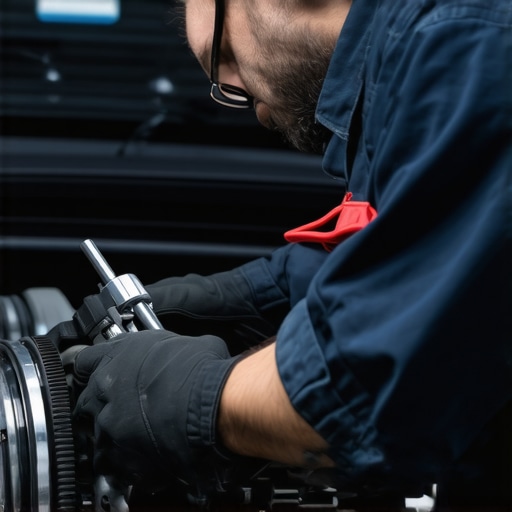
Equipping Yourself for Reliable Auto Care
Maintaining your vehicle’s health over time requires the right set of tools and a systematic approach. I personally swear by a few core items that make ongoing maintenance manageable, even for the DIY enthusiast. For example, a high-quality digital multimeter isn’t just for testing batteries; it helps me diagnose electrical issues early before they become costly repairs. I also rely on a cordless impact wrench for quick bolt removal during radiator or transmission work, saving time and effort. When it comes to software, I recommend installing vehicle diagnostics apps like OBDeleven for European cars or FIXD for broader compatibility—they connect via OBD-II ports and provide real-time insights into your engine’s health, alerting you to potential trouble spots before they escalate.
Tools That Stand the Test of Time
One of my favorite essential tools is a compression tester. It’s invaluable when assessing engine wear without removing the cylinder head, saving hours of labor. For fluid checks, a transparent siphon pump is perfect for extracting small samples of coolant or oil to observe for contamination or degradation. For those who want to go a step further, investing in a boroscope camera allows you to peer into internal engine components without disassembly—an incredible time-saver for diagnosing issues like piston ring wear or clogged valves. All these tools, while simple, enable consistent monitoring, helping you catch issues early and extend your vehicle’s lifespan.
Adapting Tools for Future Trends
Looking ahead, the integration of Bluetooth-enabled diagnostic tools with smartphone apps is transforming how we maintain our cars. As cars become more connected and complex, having access to advanced data on-the-go will become standard practice. Staying updated with the latest hardware/software ensures you’re prepared for the evolving landscape of auto repair. Additionally, predictive maintenance technologies, powered by AI, will suggest service schedules based on your driving habits, preventing breakdowns before they happen. Embracing these innovations now can make maintenance more efficient and cost-effective in the long run. For example, I regularly update my diagnostic firmware so I can interpret the newest sensor data, preventing misdiagnoses.
How do I keep my vehicle in optimal shape over time?
Consistent care is key. Schedule regular tune-ups using trusted guides like this resource to stay ahead of potential issues. Also, develop a habit of checking essential fluid levels and inspecting belts and hoses periodically—small attention to detail saves you from costly repairs later. Investing in quality tools and learning basic diagnostics not only empowers you but also makes ongoing maintenance less intimidating. For instance, I started using a digital multimeter for simple battery tests, which significantly reduced my reliance on mechanic visits. Remember, a little proactive effort goes a long way in keeping your car reliable for the long haul. If you’re interested, I highly recommend trying out a Bluetooth OBDeleven scanner—it’s a game-changer for real-time diagnostics and understanding your vehicle’s health in depth.
Over the years, I’ve realized that some of the most valuable lessons in auto repair come from hands-on experiences and a willingness to learn deeply about your vehicle. The biggest insight? Never underestimate the power of small, consistent maintenance—like cleaning the MAF sensor—to prevent major issues down the line. I’ve also learned that trusting superficial fixes without understanding the root cause can lead to recurring problems, wasting both time and money. Moreover, embracing a proactive approach and equipping yourself with the right tools can transform a daunting task into an empowering routine. These lessons have not only saved me hundreds in repairs but also deepened my appreciation for the complexity and elegance of car mechanics.